If you want to bring the magic of hummingbirds right to your backyard, you need to know the best food to attract hummingbirds. These tiny, colorful birds are drawn to specific tastes and colors, and feeding them the right way can turn your outdoor space into a lively, fluttering paradise.
Imagine watching these delicate creatures hover and dart around your garden every day. Keep reading, and you’ll discover simple, effective ways to make your yard irresistible to hummingbirds—creating moments you won’t want to miss.

Credit: www.kitchenparade.com
Hummingbird Feeding Basics
Hummingbirds are small birds that need lots of energy. They get this energy from the food they eat. Feeding them helps you enjoy their quick movements and bright colors up close.
To feed hummingbirds well, you should know what they like to eat and how to offer it safely. This guide covers the basics of hummingbird food and feeders.
What Hummingbirds Eat
Hummingbirds eat mostly nectar from flowers. They also eat small insects and spiders for protein. Nectar gives them the energy they need to fly fast and stay active.
They prefer sweet, watery liquids. Insects help with their growth and health by providing essential nutrients.
- Nectar from flowers or feeders
- Small insects like gnats and fruit flies
- Spiders and tiny spiders’ eggs
Why Nectar Matters
Nectar is important because it gives hummingbirds quick energy. It is mostly made of sugar and water. They need this sugar to fuel their fast wing beats.
You can make safe nectar at home. Use four parts water to one part white sugar. Boil the water first, then add sugar. Let it cool before filling feeders.
- Use only white granulated sugar
- Do not add red dye or honey
- Change nectar every 3-5 days
- Clean feeders regularly to avoid mold
Choosing Feeders
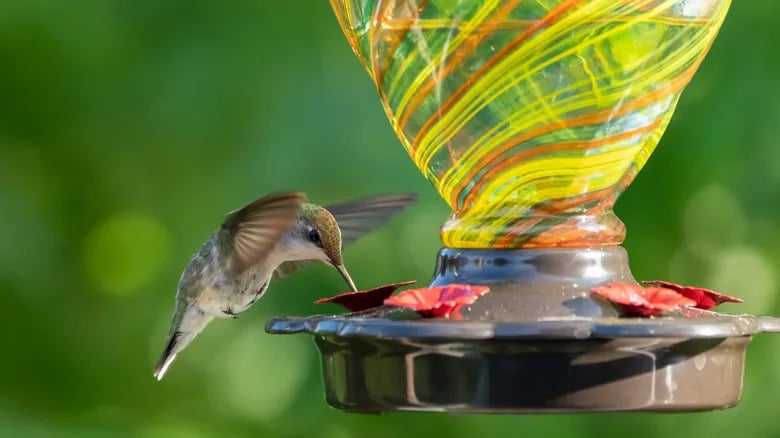
Feeders come in many shapes and sizes. Choose one that is easy to clean and refill. Bright red parts attract hummingbirds better than other colors.
Look for feeders with small feeding ports. This stops bees and wasps from taking nectar. Make sure the feeder protects nectar from rain and dirt.
- Pick feeders with red accents
- Choose easy-to-clean designs
- Use feeders with bee guards
- Place feeders in shaded, safe spots

Credit: www.birdsandblooms.com
Top Nectar Recipes
Hummingbirds love sweet nectar that gives them energy. You can make your own nectar at home. Different recipes attract these tiny birds well.
Use simple ingredients that are safe and healthy for hummingbirds. Try these easy recipes to fill your feeders.
Classic Sugar Water Mix
This recipe is the most popular and easy to prepare. It mimics the natural nectar found in flowers.
- Mix 1 part white granulated sugar with 4 parts water.
- Boil the water before adding sugar to dissolve it well.
- Let the mixture cool completely before filling feeders.
- Do not use honey or artificial sweeteners in this recipe.
- Change the nectar every few days to keep it fresh.
Honey-based Nectar
Some people like to use honey as a sweetener. Use this recipe carefully as it can spoil faster.
| Ingredient | Amount | Note |
| Honey | 1 part | Use raw or pure honey |
| Water | 4 parts | Boiled and cooled |
| Preparation | Mix honey with warm water until smooth. Cool before use. | |
| Care | Replace nectar every 2 days to prevent fermentation. | |
Fruit Juice Blends
Fruit juices add a natural flavor to nectar. Use fresh juices without added sugar.
Try mixing these juices with water to attract hummingbirds:
- Orange juice (1 part) + water (3 parts)
- Pineapple juice (1 part) + water (3 parts)
- Apple juice (1 part) + water (3 parts)
Keep juices fresh and change the mix every 2 days.
Enhancing Nectar Attractiveness
Hummingbirds are drawn to nectar that tastes fresh and natural. Making small changes can help your nectar stand out. This keeps hummingbirds visiting your feeders often.
Focus on simple ingredients and clear presentation. These steps improve the nectar’s appeal and keep hummingbirds healthy.
Adding Natural Flavors
Adding natural flavors can make nectar more inviting. Use real fruit juices or herbs to create a mild scent. This mimics the flowers hummingbirds like.
Try adding small amounts of lemon, orange, or hibiscus tea to the nectar. Keep flavors light to avoid overpowering the birds.
- Use fresh lemon or orange slices
- Brew hibiscus or chamomile tea
- Add a few drops of vanilla extract
- Keep flavors subtle and natural
Avoiding Harmful Additives
Avoid ingredients that can harm hummingbirds. Do not use honey, artificial sweeteners, or red dye. These can cause health problems.
Stick to pure white sugar and water only. Clean feeders often to prevent mold and bacteria growth. This keeps nectar safe and fresh.
- Use white granulated sugar only
- Do not add honey or corn syrup
- Avoid red or artificial color additives
- Clean feeders weekly with hot water
Color And Presentation Tips
Bright colors attract hummingbirds. Use feeders with red parts to catch their attention. Keep nectar clear to look natural and fresh.
Place feeders where sunlight can shine on them. This makes the nectar sparkle and look inviting. Avoid dirty feeders or cloudy nectar.
- Choose feeders with red accents
- Keep nectar clear without dyes
- Place feeders in sunny spots
- Clean feeders regularly for clarity
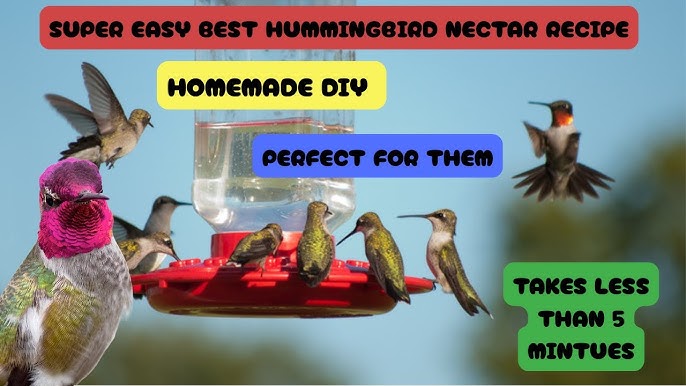
Credit: m.youtube.com
Feeding Tips For Hummingbird Health
Feeding hummingbirds the right food helps keep them healthy. Clean feeders and fresh nectar attract more birds.
Good feeding habits prevent diseases and support hummingbirds all year long.
Cleaning Feeders Regularly
Keep feeders clean to stop mold and bacteria growth. Dirty feeders can harm hummingbirds.
Wash feeders with hot water and mild soap every few days. Rinse well to remove soap residue.
- Use a small brush to clean inside tubes and holes
- Do not use bleach or strong chemicals
- Dry feeders completely before refilling
Changing Nectar Frequently
Change nectar every 2 to 3 days in warm weather. Nectar can spoil quickly in the heat.
In cooler weather, change nectar every 4 to 5 days. Fresh nectar keeps hummingbirds safe and healthy.
- Mix four parts water with one part white sugar
- Boil water to dissolve sugar, then cool before filling
- Never use honey, artificial sweeteners, or red dye
Seasonal Feeding Adjustments
Adjust feeding based on the season. Hummingbirds need more energy during migration and cold months.
Stop feeding when hummingbirds leave in late fall. Resume in early spring when they return.
- Feed more often in spring and fall migration periods
- Provide shade for feeders in hot summer months
- Keep feeders up until the last hummingbird leaves
Plants That Complement Nectar Feeding
Hummingbirds need more than just nectar feeders to thrive. Plants provide natural food and shelter for them. Choosing the right plants helps attract these tiny birds to your garden.
Plants also support insects that hummingbirds eat. A mix of nectar plants and leafy plants creates a healthy environment for hummingbirds.
Best Flower Choices
Hummingbirds love bright, tubular flowers. These shapes fit their long beaks and tongues well. Red, orange, pink, and purple flowers are the most attractive to them.
- Trumpet vine
- Bee balm
- Cardinal flower
- Salvia
- Penstemon
- Columbine
Plant flowers that bloom at different times. This gives hummingbirds food all season long.
Creating A Hummingbird Garden
Start by picking sunny spots for flowers. Hummingbirds like open areas to fly and feed. Use a mix of tall and short plants for variety.
Include water sources like small fountains or misters. These help hummingbirds stay hydrated and clean. Avoid using pesticides to keep the garden safe for birds.
- Choose native flowering plants
- Plant in groups for visibility
- Add shrubs for shelter
- Provide fresh water sources
- Avoid chemicals and pesticides
Native Plants Benefits
Native plants grow well in your area. They need less water and care. Hummingbirds recognize native flowers as food sources.
Native plants support local insects too. These insects are an important part of hummingbirds’ diet. Using native plants helps keep the ecosystem balanced.
- Require less maintenance
- Support local wildlife
- Adapted to local weather
- Provide natural food sources
- Help sustain hummingbird populations
Frequently Asked Questions
What Foods Attract The Most Hummingbirds?
Nectar-rich flowers like trumpet vine, bee balm, and salvia attract hummingbirds. They prefer bright red, tubular flowers filled with sugary nectar. Avoid pesticides to keep feeders and plants safe for these birds.
Can I Use Homemade Nectar To Attract Hummingbirds?
Yes, mix four parts water with one part white sugar. Boil to dissolve sugar, then cool before filling feeders. Avoid honey or artificial sweeteners, as they can harm hummingbirds.
Which Plants Provide Natural Food For Hummingbirds?
Native plants such as columbine, cardinal flower, and honeysuckle are ideal. These flowers offer nectar and support hummingbird feeding habits naturally. Planting native species also benefits local ecosystems.
How Often Should I Refill Hummingbird Feeders?
Refill feeders every 2 to 3 days in warm weather. Clean feeders thoroughly with hot water weekly to prevent mold and bacteria. Fresh nectar ensures hummingbirds stay healthy and keep visiting.
Conclusion
Attracting hummingbirds to your garden is easy with the right food. Offer sugar water, fresh fruits, and vibrant flowers. These tiny birds love nectar-filled blooms. A garden with these options will keep them visiting. Hummingbirds also enjoy insects for protein.
Providing these foods helps them thrive and flourish. Remember to keep feeders clean and fresh. This ensures their health and happiness. Enjoy watching their lively dances and colorful displays. Creating a hummingbird-friendly space enhances your garden and supports wildlife. Simple steps lead to delightful, fluttering visitors.
Your garden becomes a haven for these charming creatures.