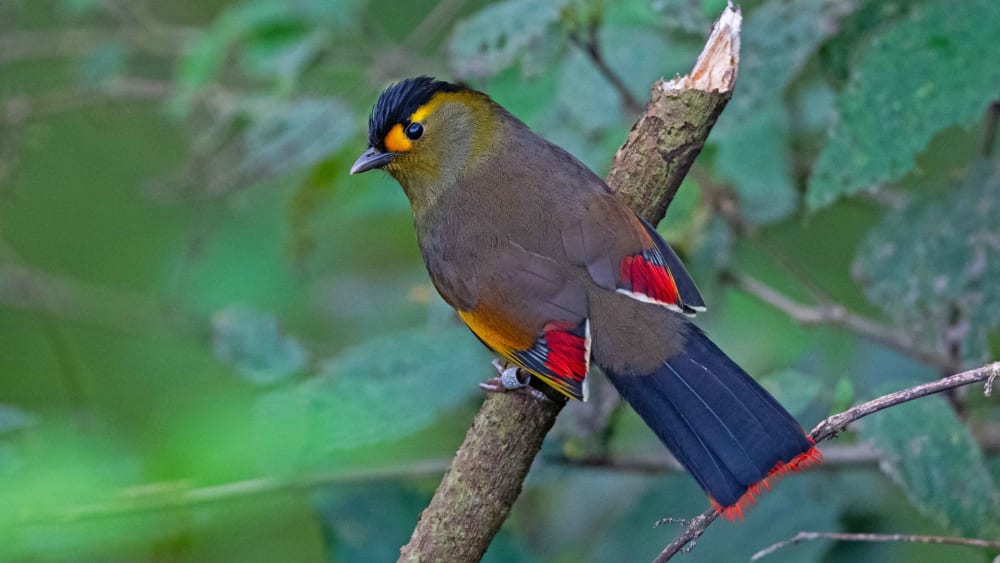
Imagine stepping into a quiet forest and hearing the soft, melodic calls of a bird nearby. That moment connects you with nature in a way nothing else can.
You might wonder what makes a forest bird so special and why its presence matters to your experience in the woods. You’ll discover fascinating facts about forest birds that will change the way you see these feathered creatures. Get ready to unlock secrets that will deepen your appreciation for the sounds and sights around you every time you visit a forest.
Keep reading—you won’t want to miss this!
Forest Bird Species
Forest birds live in wooded areas around the world. They play an important role in forest ecosystems.
These birds vary in size, color, and behavior. Many species build nests in trees or on the ground.
Common Types
Many forest birds are easy to spot. They include small songbirds and larger birds of prey.
Here are some common forest bird types you might see:
- Woodpeckers that tap on tree trunks
- Thrushes that sing beautiful songs
- Owls that hunt at night
- Warblers with bright colors
- Hawks that soar high above the trees
Rare And Endangered Birds
Some forest birds are rare or endangered. They face threats like habitat loss and hunting.
Protecting these birds helps keep forests healthy and diverse.
- The Spotted Owl lives in old forests and is endangered.
- The Philippine Eagle is one of the rarest birds in the world.
- The Kakapo is a flightless parrot found only in New Zealand.
- The Harpy Eagle is a powerful bird found in tropical rainforests.
- The Forest Owlet is rare and lives in India’s forests.
Habitat And Environment
Forest birds live in many types of forests around the world. They depend on trees for food and shelter.
The environment affects their behavior and survival. Forests provide safe places to nest and find insects.
Preferred Forest Zones
Many forest birds prefer zones with dense trees. These zones offer good cover from predators.
Birds often choose areas near water, like streams or ponds. These spots have more insects and fresh water.
- Dense tree canopy for protection
- Understory with shrubs for nesting
- Near water sources for food and drink
- Areas with plenty of insects and seeds
Seasonal Changes
Seasonal changes affect forest birds' habitat needs. In spring, they look for safe nesting spots.
During winter, some birds move to lower forests where food is easier to find. Others stay and grow thicker feathers.
- Spring: Find nesting sites and mate
- Summer: Raise young and find food
- Fall: Prepare for cold with more food
- Winter: Stay warm or migrate to milder areas
Physical Features
A forest bird has unique physical traits that help it live in trees and woods. These features include colors, shapes, and sizes that suit its environment well.
Understanding these traits helps us identify and learn more about the bird's habits and lifestyle in the forest.
Coloration And Patterns
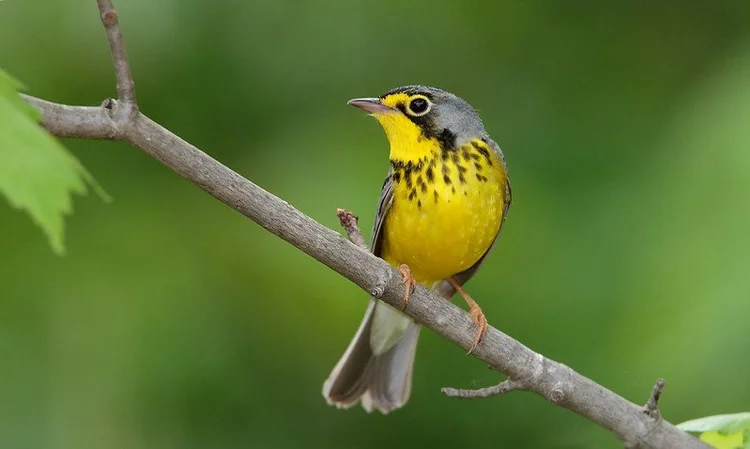
The forest bird usually has colors that blend with leaves and bark. These colors help it hide from predators and sneak up on insects.
- Green and brown shades dominate its feathers.
- Some birds show streaks or spots that look like light through leaves.
- Bright colors appear only on small parts, like the wings or tail tips.
- These patterns change slightly between males and females.
Size And Shape
Forest birds have shapes that help them move easily through thick branches and leaves. Their size varies but most are small to medium.
| Feature | Description |
| Body Length | 10 to 20 cm |
| Wingspan | 15 to 30 cm |
| Beak Shape | Short and pointed for catching insects |
| Tail | Medium length, often rounded or slightly notched |
Credit: www.borealconservation.org
Behavior And Lifestyle
Forest birds live in trees and bushes. They move quickly and stay alert to danger.
These birds often travel in small groups. They communicate with calls and songs.
Feeding Habits
Forest birds eat insects, seeds, and fruits. They search for food in leaves and bark.
Some birds catch flying insects in the air. Others pick food from the ground or plants.
- Insects like beetles and caterpillars
- Seeds from trees and plants
- Small fruits and berries
- Occasionally nectar from flowers
Mating And Nesting
Forest birds build nests in trees or shrubs. They use twigs, leaves, and moss to make nests.
Birds often choose quiet, hidden places for safety. Both parents may care for eggs and chicks.
- Male birds sing to attract females
- Nests are shaped like cups or domes
- Eggs are usually speckled or plain
- Chicks stay in the nest until they can fly
Role In The Ecosystem
Forest birds play a vital role in maintaining healthy ecosystems. They help plants grow and control animal populations.
Understanding their role shows how important they are for balance in nature.
Pollination And Seed Dispersal
Many forest birds help plants by carrying pollen from flower to flower. This pollination allows plants to make seeds and grow new plants.
Birds also spread seeds by eating fruits and dropping the seeds far from the parent plant. This helps plants spread over a wide area.
- Birds pick fruits and carry seeds in their droppings.
- Pollination helps plants reproduce and make fruits.
- Seed dispersal creates new plant growth in different places.
- This process supports forest regeneration and diversity.
Predator And Prey Dynamics
Forest birds are both hunters and food for other animals. They eat insects and small animals, keeping these populations in check.
At the same time, birds serve as prey for larger animals. This balance helps keep the food chain stable.
| Role | Example | Effect |
| Predator | Bird eats insects | Controls insect numbers |
| Prey | Bird eaten by hawk | Supports predator survival |
| Both | Bird hunts and is hunted | Maintains ecosystem balance |
Threats And Conservation
Forest birds face many threats that harm their homes and lives. Protecting them needs careful actions.
We must understand the dangers to save these birds and keep forests healthy.
Habitat Loss
Forest birds lose their homes when trees are cut down or forests are changed. This makes it hard for them to find food and shelter.
Farming, logging, and building roads take away large forest areas. Birds may also face danger from pollution and fires.
- Deforestation reduces bird nesting places
- Fragmented forests limit bird movement
- Pollution affects birds' health
- Forest fires destroy habitats quickly
Conservation Efforts
People work to protect forest birds by saving their habitats and planting new trees. These actions help birds find food and places to live.
Some programs watch bird populations and teach communities to care for forests. Laws also stop harmful activities in key bird areas.
- Creating protected forest areas
- Replanting trees to restore habitats
- Monitoring bird numbers and health
- Educating people about forest care
- Enforcing laws against illegal logging
Birdwatching Tips
Birdwatching in the forest can be peaceful and fun. Watching birds needs patience and care. Knowing when and what to bring helps you enjoy the experience more.
This guide gives easy tips to help you see more birds and stay safe outdoors. Get ready for a great time in nature.
Best Times To Observe
Birds are most active at certain times of the day. Early morning is the best time to see many types of birds. Late afternoon is also good because birds prepare to rest.
- Visit forests just after sunrise for the best bird activity.
- Late afternoon hours before sunset are also good for watching birds.
- Avoid midday when birds rest and hide from the heat.
- Spring and early summer bring many birds during migration and nesting.
Essential Gear
Having the right gear makes birdwatching easier and safer. Bring tools that help you see and note birds without disturbing them.
| Gear | Purpose |
| Binoculars | See birds clearly from a distance |
| Field Guide Book | Identify bird species and learn about them |
| Notebook and Pen | Write down observations and notes |
| Comfortable Shoes | Walk safely and comfortably on forest trails |
| Water Bottle | Stay hydrated during your trip |
| Hat and Sunscreen | Protect yourself from sun exposure |

Credit: www.freepik.com
Credit: www.pexels.com
Frequently Asked Questions
What Types Of Birds Are Commonly Found In Forests?
Forests host various birds like woodpeckers, owls, and songbirds. These birds adapt to dense trees and diverse habitats. They play vital roles in the ecosystem by controlling insects and spreading seeds.
How Do Forest Birds Adapt To Their Environment?
Forest birds have strong claws and curved beaks for climbing and feeding. Their colors blend with trees for camouflage. Many build nests in tree cavities to protect from predators.
Why Are Forest Birds Important For Ecosystems?
Forest birds help control insect populations, preventing overgrowth. They disperse seeds, aiding plant regeneration. Their presence indicates a healthy forest environment, maintaining biodiversity and ecological balance.
How Can I Attract Forest Birds To My Garden?
Plant native trees and shrubs that provide food and shelter. Avoid pesticides to keep insects safe for birds. Use bird feeders and water sources to attract diverse species.
Conclusion
A forest bird adds magic to the woods. Its songs charm every listener. Watching its bright feathers is a joy. These birds play a big role in nature. They help forests grow and thrive. Protecting them is important for our future.
Enjoy their beauty and understand their value. Every bird matters. Every tree, too. Together, they create a balanced world. Let's cherish these treasures in nature. Appreciate their presence. Keep the forests alive for them. And for us.