Imagine a tiny insect quietly damaging your garden or crops, spreading faster than you can stop it. What if there was a natural way to fight back without harmful chemicals?
A new bird species has been introduced specifically to control this pesky insect, offering a fresh solution that could change the way we protect our plants. You’ll want to discover how this clever method works and what it means for your environment.
Keep reading to find out how nature’s own warriors are stepping in to help you.
Credit: medium.com
Eco-friendly Pest Control
Introducing a new bird species helps control insects naturally. This method supports the environment and reduces chemical use.
Using living predators like birds can keep pest populations low. It offers a safe way to protect crops and gardens.
Limitations Of Chemical Pesticides
Chemical pesticides can harm more than just pests. They may affect soil, water, and beneficial insects too.
- They can pollute rivers and lakes.
- Many chemicals kill helpful insects like bees.
- Some pests become resistant over time.
- They may pose health risks to humans and animals.
- Repeated use can reduce soil quality.
Benefits Of Natural Predators
Natural predators like birds offer safe pest control. They keep insect numbers in check without harmful side effects.
| Benefit | Description |
| Eco-friendly | Does not pollute air, water, or soil. |
| Targets pests | Birds eat specific insects that damage plants. |
| Supports biodiversity | Encourages a balanced ecosystem. |
| Cost-effective | Reduces need for expensive chemicals. |
| Safe for humans | No toxic residues on food or plants. |
The New Bird Species
A new bird species has been introduced to help control an insect problem. This bird is native to a nearby region and is known for its insect-eating habits. It has unique features that make it suited to this task.
Scientists hope this bird will reduce the insect population naturally. This will protect crops and reduce the need for chemical pesticides.
Origin And Characteristics
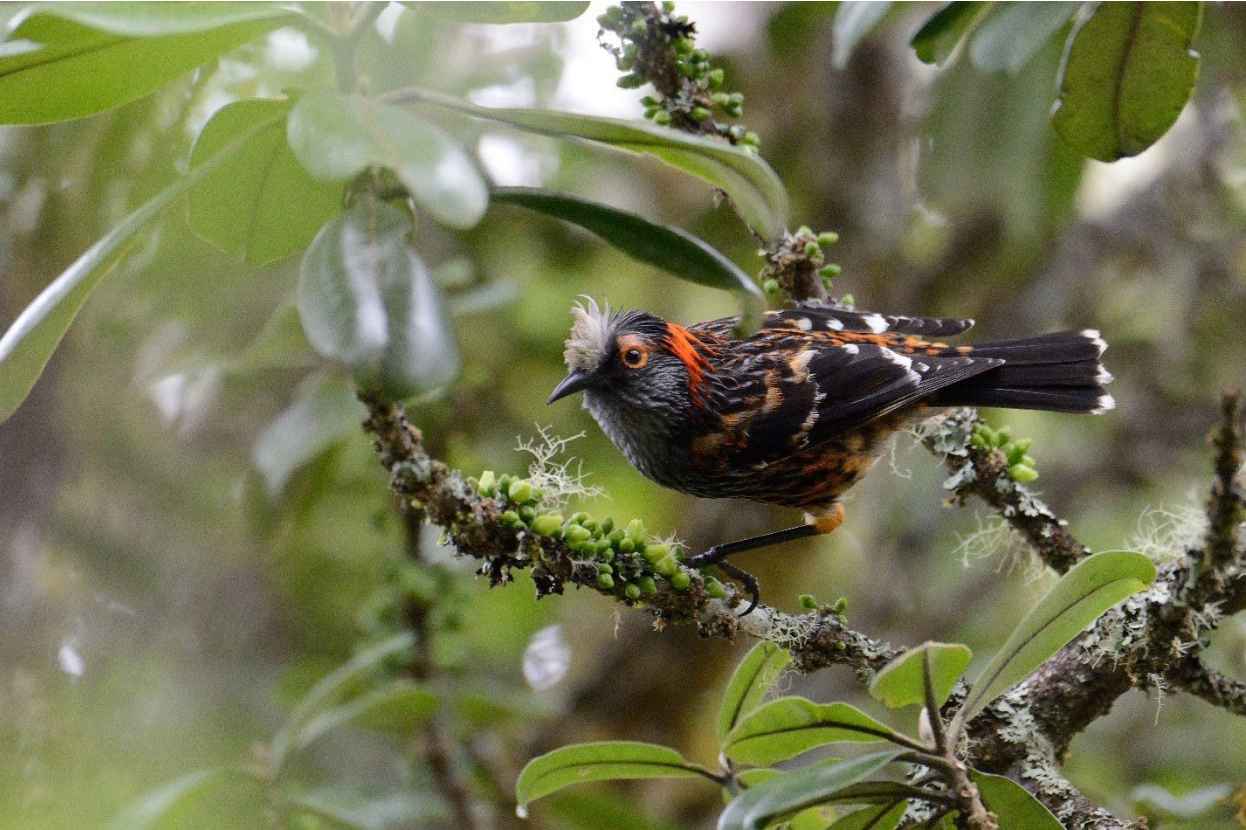
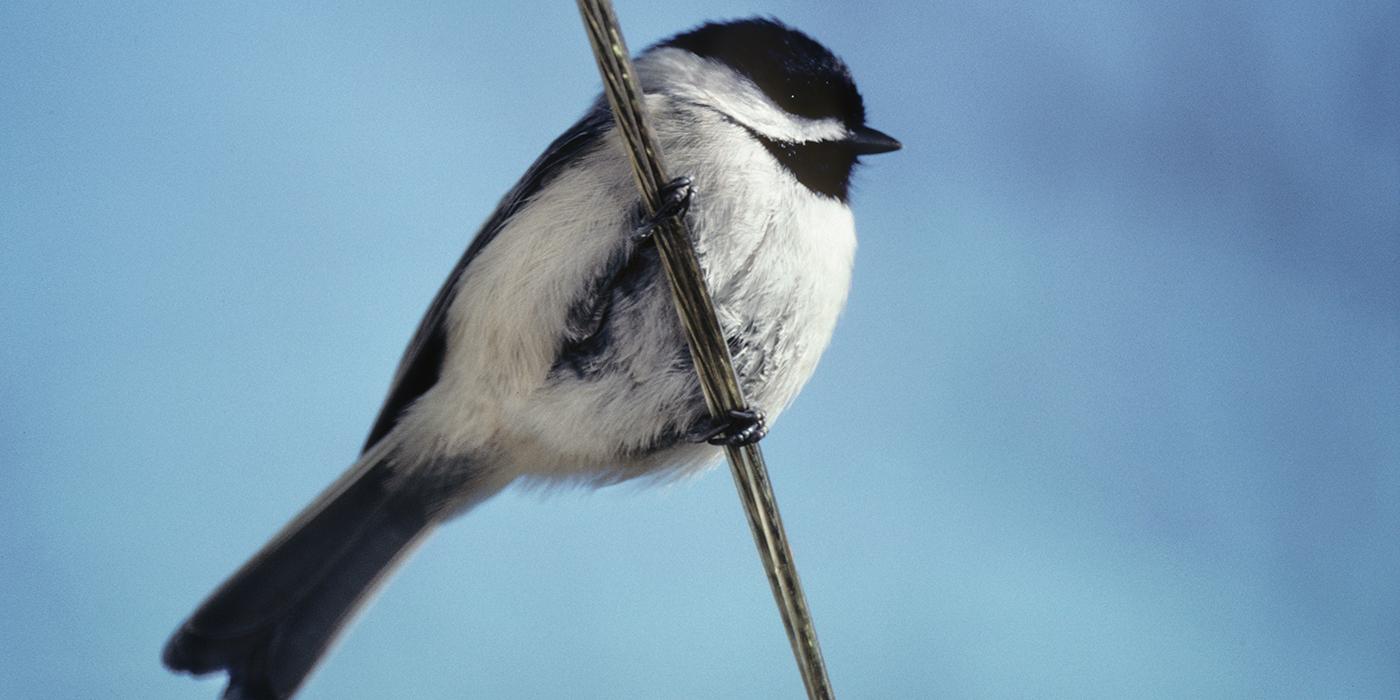
The bird comes from a forested area with a warm climate. It has bright feathers and a sharp beak. Its size is medium, about 25 centimeters in length.
- Color: Bright green and yellow feathers
- Beak: Strong and curved for catching insects
- Size: Medium, easy to spot in trees
- Sound: Soft chirps used to communicate
Diet And Hunting Behavior
This bird mainly eats the target insect and other small bugs. It hunts during the day and uses quick movements to catch prey.
| Diet Type | Hunting Time | Hunting Method |
| Insects, larvae | Daytime | Perching and quick darting |
| Small spiders | Daytime | Hovering and snatching |
| Occasional fruit | Daytime | Pecking |
Targeted Insect Pest
A new bird species has been introduced to control a harmful insect pest. This insect damages crops and reduces yields. The bird feeds specifically on this insect to lower its population.
The targeted insect pest causes major problems in many farming areas. It spreads quickly and harms plants by eating their leaves and stems.
Impact On Agriculture
The insect pest lowers crop quality and reduces the amount of food farmers can harvest. It also increases the cost of farming because of extra pest control needs.
The new bird species helps farmers by eating the insect pests. This natural control reduces damage and helps crops grow better.
- Protects plants from insect damage
- Improves crop yields and quality
- Lowers the need for chemical pesticides
- Supports sustainable farming practices
Challenges In Traditional Control
Traditional pest control uses chemicals that can harm the environment. These chemicals may also kill beneficial insects and pests’ natural enemies.
Insects can become resistant to pesticides. This makes chemicals less effective over time and forces farmers to use more or stronger chemicals.
- Chemicals can pollute soil and water
- Harmful to non-target animals and insects
- Insects develop resistance to pesticides
- Increased costs for farmers
Credit: victoriaadvocate.com
Implementation Strategy
Introducing a new bird species to control an insect requires careful planning. The success depends on preparing the habitat and ongoing monitoring.
Each phase must ensure the bird adapts well and effectively reduces the insect population.
Habitat Preparation
Prepare the environment to support the new bird species. This helps the birds settle and thrive.
- Clear areas of harmful pesticides and chemicals
- Plant native trees and shrubs for shelter and food
- Provide fresh water sources like ponds or bird baths
- Create nesting boxes or safe nesting spaces
- Remove invasive plants that may harm bird health
Monitoring And Maintenance
Track the bird population and insect levels regularly. Adjust methods based on findings.
| Task | Frequency | Purpose |
| Count bird numbers | Weekly | Check bird survival and growth |
| Monitor insect population | Biweekly | Measure control effectiveness |
| Inspect habitat quality | Monthly | Ensure environment supports birds |
| Adjust food and water supply | As needed | Maintain bird health |
Environmental Impact
Introducing a new bird species can help control insect populations naturally. This method aims to reduce chemical use in farming and gardens. It is important to study the environmental effects before release.
We must understand how this bird affects local plants, animals, and habitats. Careful planning can reduce risks and protect nature’s balance.
Effect On Local Ecosystems
The new bird may change the food chain by eating many insects. This can help plants grow better by lowering pests. But it could also compete with native birds for food and space.
- Reduces harmful insects that damage crops
- May compete with native birds for insects
- Can affect insect-eating animals indirectly
- Helps maintain plant health by lowering pests
Risks And Mitigation Measures
Introducing a new bird species carries risks like disease spread or harming native species. Careful actions can reduce these risks and protect ecosystems.
| Risk | Mitigation Measure |
| Competition with native birds | Monitor bird populations closely |
| Spread of diseases | Health checks before release |
| Unintended effects on insects | Regular ecosystem impact studies |
| Habitat disruption | Release in controlled areas only |
Success Stories
Introducing a new bird species helps control insect pests naturally. This method reduces the need for chemical insecticides.
Many places have seen good results using birds to manage insects. These success stories show how nature helps balance ecosystems.
Case Studies
In a region of Southeast Asia, a small insect called the rice bug damaged crops yearly. Farmers introduced a native bird species that feeds on these bugs.
Within months, the bird population grew, and insect numbers dropped. Farmers reported healthier crops and higher yields.
In parts of Africa, a new bird species was released to reduce locust swarms. The birds hunted locusts, lowering their numbers before they could damage fields.
Measurable Outcomes
Farmers tracked insect levels and crop health before and after introducing the birds. The data showed clear improvements.
- Insect populations dropped by 70% in six months
- Crop yields increased by 25% after bird introduction
- Use of chemical insecticides decreased by 50%
- Bird populations adapted well to new environments
These results prove that using birds to control insects can be an effective and eco-friendly solution.
Future Prospects
Introducing a new bird species to control an insect shows promising results. This natural solution may reduce harmful pests without chemicals.
Scientists and farmers are watching closely to see how this approach works over time. It could change how we manage pests in crops.
Scaling The Solution
To apply this solution widely, we must raise enough birds. Breeding programs can help increase their numbers safely.
Training farmers and workers to handle and release the birds correctly is very important. This step ensures the birds thrive in new areas.
- Expand bird breeding centers
- Develop release schedules for different regions
- Monitor bird health and insect control success
Integrating With Other Methods
Using the bird species alone may not solve all pest problems. Combining it with other pest control methods can improve results.
Farmers can use crop rotation, traps, and safe insecticides along with birds. This mix helps keep insects under control and protects crops.
- Birds reduce insect numbers naturally
- Crop rotation stops insect breeding
- Traps catch insects before they spread
- Safe insecticides control severe outbreaks
Credit: nationalzoo.si.edu
Frequently Asked Questions
What Bird Species Is Introduced To Control Insects?
A new bird species, the insectivorous warbler, is introduced to control harmful insects. It preys on pest insects damaging crops. This natural method reduces chemical pesticide use and promotes ecological balance, benefiting agriculture and the environment.
How Does The Bird Help Control Insect Populations?
The bird consumes large quantities of pest insects daily. This natural predation lowers insect numbers significantly. It helps protect crops from damage and reduces the need for harmful chemical pesticides in farming practices.
Is Introducing A Bird Species Safe For The Ecosystem?
Yes, when carefully studied and monitored, it is safe. The bird is native or non-invasive and does not disrupt local wildlife. Proper evaluation ensures ecological balance is maintained while controlling pest populations naturally.
Can This Bird Reduce Pesticide Use In Agriculture?
Absolutely. The bird’s insect-eating habits reduce reliance on chemical pesticides. This leads to healthier crops, improved soil quality, and less environmental pollution, fostering sustainable farming practices.
Conclusion
Introducing new birds to control insects shows promise. It helps balance ecosystems naturally. This method reduces chemical use, protecting both crops and health. Farmers benefit from fewer pests and healthier plants. The environment stays safer and cleaner. Bird species adapt well, thriving in new habitats.
This solution supports biodiversity, a key to Earth’s health. Watching nature solve problems inspires hope. It reminds us of our connection to the planet. Effective and sustainable solutions like this are crucial. As we learn more, we can improve these methods.
A step towards a healthier future for all.