If you’ve ever found a baby bird and want to help it thrive, you might wonder, “How often do you feed a baby bird worms?” Feeding a baby bird the right amount at the right time is crucial for its survival and growth. Too little, and it won’t get the nutrition it needs; too much, and you could harm it.
You’ll discover the perfect feeding schedule to keep that tiny bird healthy and strong. Keep reading—you’ll learn simple, clear steps that make a big difference in your little feathered friend’s life.
Credit: wildbloo.com
Feeding Frequency For Baby Birds
Feeding baby birds with worms is common. The right feeding schedule helps them grow strong. This guide covers how often you should feed them.
Feeding depends on their age, species, and hunger signs. Watch closely to adjust feeding times well.
Age And Species Factors
Baby birds need feeding at different rates based on age and species. Younger birds need more frequent feeding. Some species grow faster and need more food.
| Age | Feeding Frequency | Notes |
| Newborn (0-1 week) | Every 15-20 minutes | Needs constant care |
| 1-2 weeks | Every 20-30 minutes | Still very dependent |
| 2-3 weeks | Every 30-60 minutes | Starting to grow feathers |
| 3+ weeks | Every 1-2 hours | Preparing to leave nest |
Signs Of Hunger
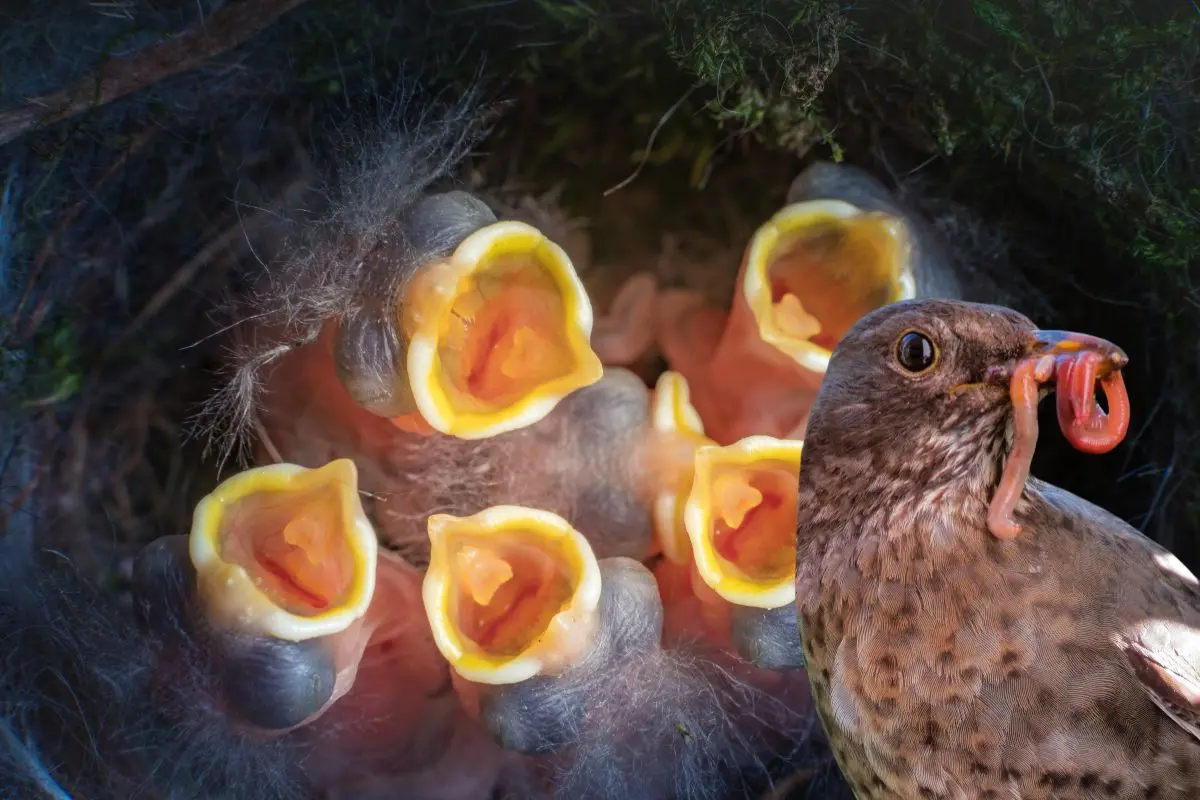
Baby birds show clear signals when they need food. Learn to spot these signs for proper feeding times.
- Open beak wide and call loudly
- Stretch neck upward toward feeder
- Restlessness in the nest
- Wagging head or pecking at food source
Adjusting Feeding Schedules
Feeding times may need changes as the bird grows or if the species differs. Adjust based on hunger signs and weight gain.
Tips for adjusting feeding frequency:
- Feed more often if the bird shows hunger signs quickly.
- Reduce frequency when the bird starts eating on its own.
- Keep notes of feeding times and bird reactions.
- Consult wildlife guides for specific species needs.
Credit: wildbloo.com
Choosing The Right Worms
Feeding baby birds the right type of worms is important for their growth. Different worms offer different nutrients and safety levels.
Knowing which worms to choose helps ensure baby birds get the best start in life. It also keeps them healthy and strong.
Types Of Worms Suitable For Baby Birds
Not all worms are safe or good for baby birds. Some worms are better because they are easier to digest and full of nutrients.
- Mealworms: Soft and easy to eat, good for most baby birds.
- Earthworms: Natural and nutritious, but make sure they are clean.
- Waxworms: High in fat, good as a treat but not daily food.
- Silkworms: High protein and safe for many bird species.
Nutritional Benefits
Worms provide important nutrients baby birds need. They have protein, fat, and minerals that help growth.
Protein helps build strong muscles and feathers. Fat gives energy for flying and staying warm.
- Protein supports tissue and feather development.
- Fat supplies energy for daily activities.
- Minerals like calcium help bone strength.
- Moisture in worms aids hydration.
Where To Source Worms
Getting worms from a safe source is key. Wild worms may carry parasites or pesticides harmful to baby birds.
Look for worms from pet stores or farms that raise worms for feeding. These worms are clean and safe.
- Pet stores offer mealworms and waxworms raised for animals.
- Worm farms sell earthworms and composting worms safely.
- Online suppliers provide fresh, quality worms with good care.
Feeding Techniques
Feeding baby birds worms requires care and proper methods. Feeding too often or the wrong way can harm the bird.
Knowing how to prepare worms and feed safely helps the bird grow strong and healthy.
Preparing Worms For Feeding
Worms must be clean and healthy before feeding. Rinse them in fresh water to remove dirt. Cut large worms into small pieces to make swallowing easier.
- Choose live or fresh worms only.
- Rinse worms gently under cool water.
- Cut worms into small, bite-sized pieces.
- Keep worms at room temperature before feeding.
Safe Feeding Methods
Use gentle feeding methods to avoid injury. Feed baby birds slowly and carefully. Always use clean tools like tweezers or small tongs.
| Method | Description |
| Tweezers | Hold small worm pieces safely, control feeding speed. |
| Finger Feeding | Use only if bird is calm and gentle, be careful not to hurt the beak. |
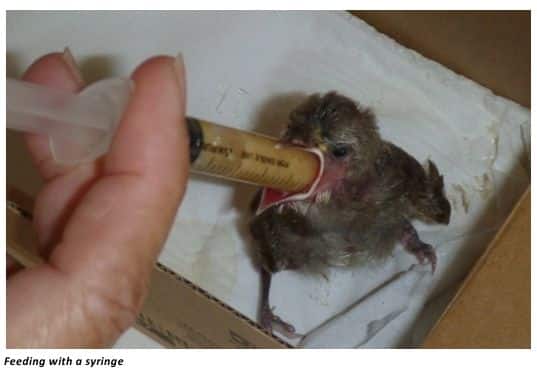
| Feeding Syringe | For liquid worm mash, feed slowly to avoid choking. |
Avoiding Common Feeding Mistakes
Feeding too much or too fast can cause problems. Avoid these common mistakes to keep the baby bird safe.
- Do not feed worms that are too large.
- Never force feed if the bird resists.
- Keep feeding intervals regular but not too close.
- Do not feed worms that look unhealthy or dead.
Supplementing Worms With Other Foods
Baby birds need more than just worms to grow healthy. While worms give good protein, other foods add important nutrients.
Feeding a variety of foods helps baby birds develop strong bones, feathers, and energy. It is important to balance their diet carefully.
Introducing Soft Foods
Soft foods are easy for baby birds to eat and digest. Start offering mashed fruits and soaked grains alongside worms.
Examples include soft berries, cooked rice, and small pieces of soft vegetables. These foods add vitamins and fiber.
- Mashed bananas or apples
- Cooked and cooled rice or oats
- Soft peas or carrots, finely chopped
Balancing Diet For Growth
Baby birds need protein, fats, vitamins, and minerals. Worms provide protein and fat but lack some vitamins.
Mix foods to give a balanced diet. Use worms for protein and add fruits and vegetables for vitamins.
- Worms for protein and fat
- Fruits for vitamins and energy
- Vegetables for minerals and fiber
Hydration Needs
Baby birds get some water from food, but they still need extra fluids. Keep them hydrated with fresh water.
Offer water in a shallow dish or gently moisten foods. Proper hydration helps digestion and keeps the bird healthy.
- Provide clean, fresh water daily
- Moisten dry foods before feeding
- Watch for signs of dehydration
Monitoring Baby Bird Health
Feeding baby birds worms is common, but watching their health matters most. Careful monitoring helps ensure they grow strong. You need to track their weight and behavior regularly.
Observing signs of good health lets you know if feeding is enough. Acting early can prevent problems. Here are key ways to monitor a baby bird’s health.
Weight And Growth Tracking
Weigh baby birds daily to check their growth. Healthy birds gain weight steadily. Keep a record of their weight and size changes. This helps spot any feeding issues early.
| Age (days) | Expected Weight (grams) | Growth Notes |
| 1-3 | 3-5 | Rapid weight gain expected |
| 4-7 | 6-10 | Feathers start to grow |
| 8-14 | 11-20 | Feather development continues |
| 15+ | 20+ | Near full size, ready to fledge |
Behavioral Indicators
Watch how the baby bird acts. Healthy birds are active and alert. They open their mouths wide when hungry and respond to sounds.
- Bright eyes and clean feathers
- Regular begging for food
- Steady movement and stretching
- Normal breathing without noise
When To Seek Expert Help
Some signs mean you should get advice from a wildlife expert or vet. Acting fast can save the baby bird’s life.
- No weight gain for several days
- Weakness or unresponsiveness
- Breathing problems or wheezing
- Injuries or visible illness
- Refusal to eat despite hunger signs
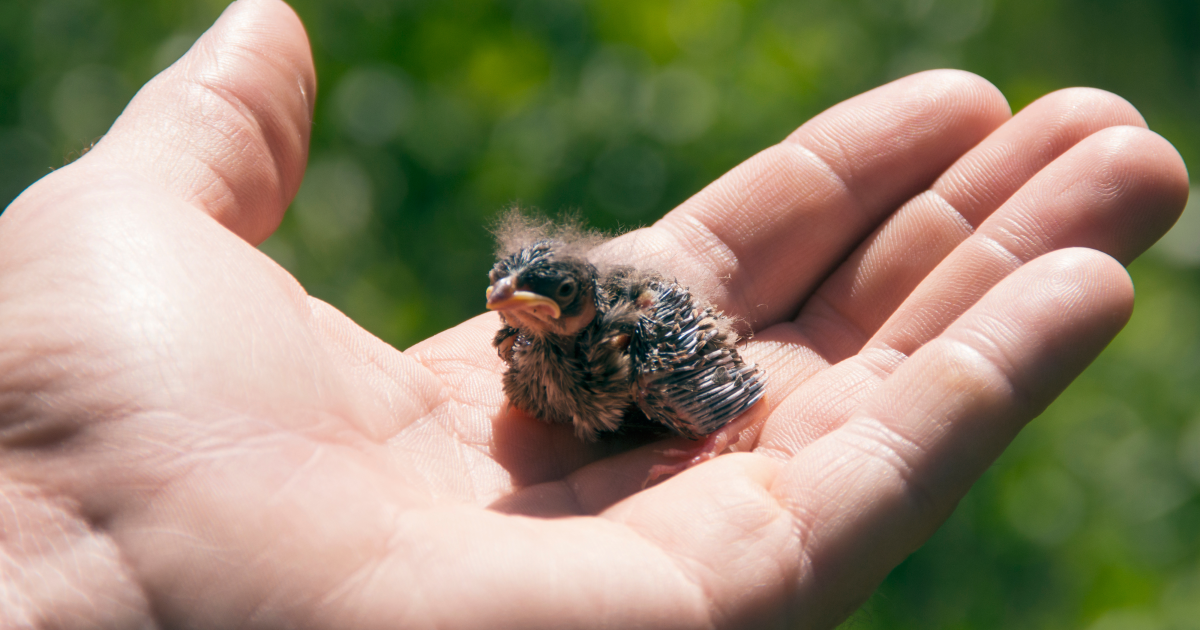
Credit: pethelpful.com
Frequently Asked Questions
How Often Should You Feed Baby Birds Worms Daily?
Baby birds typically need feeding every 20-30 minutes during daylight. This means offering worms frequently, about 8-12 times daily, to ensure proper growth and nutrition. Consistency is key for their development and energy needs.
What Types Of Worms Are Best For Baby Birds?
Mealworms and earthworms are excellent choices. They are rich in protein and easy for baby birds to digest. Avoid wild-caught worms that may contain harmful parasites or chemicals.
Can Overfeeding Worms Harm Baby Birds?
Yes, overfeeding worms can cause digestive issues. Moderation is important to balance nutrition. Offering a varied diet alongside worms supports healthy growth and prevents nutrient imbalances.
When Can Baby Birds Eat Worms Independently?
Baby birds start eating worms on their own around 2-3 weeks old. At this stage, they become more active and learn to feed themselves gradually, though some parental feeding may continue.
Conclusion
Feeding baby birds requires care and attention. Worms are a good food choice. But don’t overfeed. Baby birds need small, regular meals. Observe their behavior for signs of hunger. Too much food can harm them. Clean feeding tools after each use.
This prevents disease. Always provide fresh water. Baby birds need hydration too. Be patient and gentle. This ensures their healthy growth. Remember, a balanced diet is key. Consult a vet for specific advice. They can guide you on feeding schedules.
Your care helps baby birds thrive.