
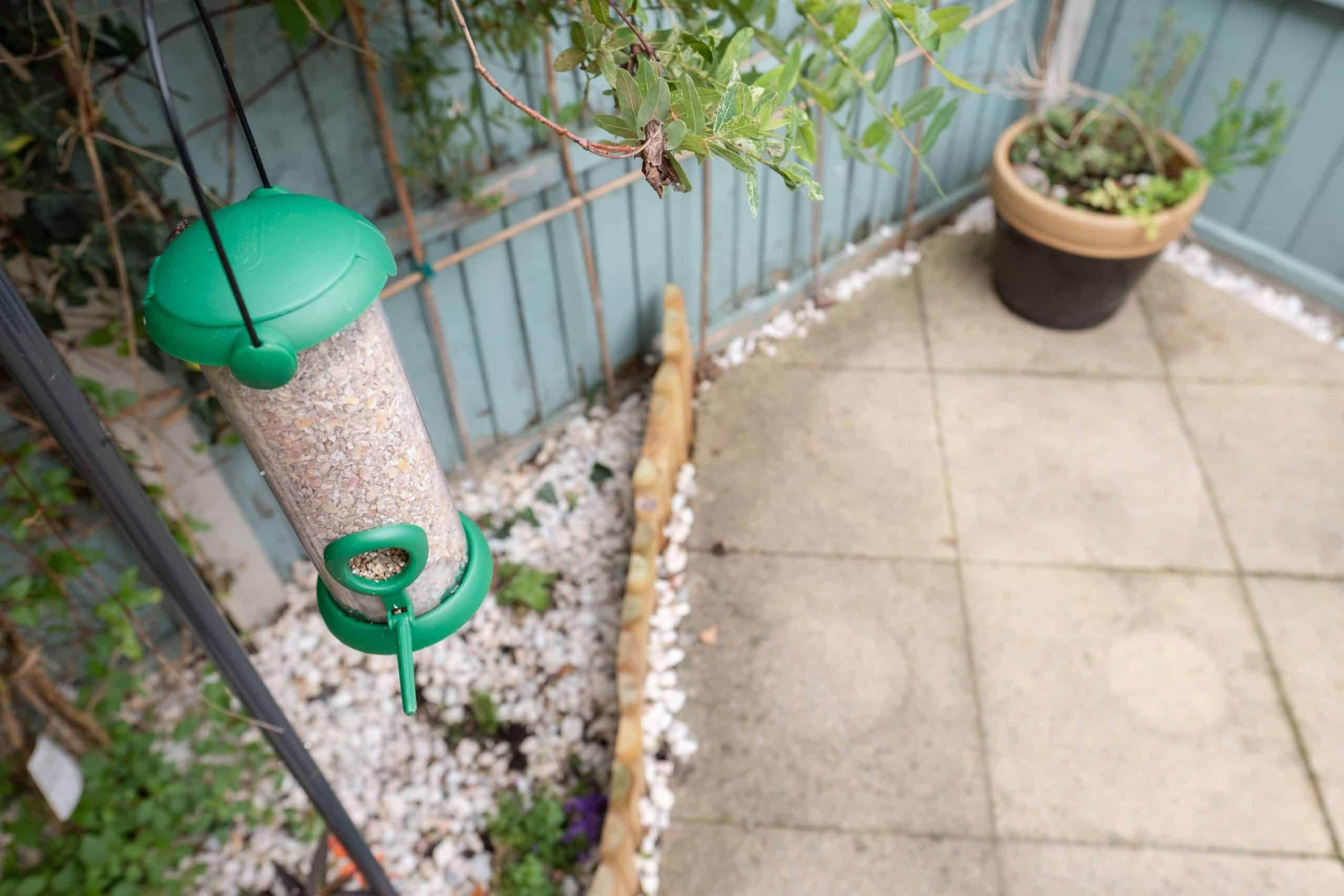
Imagine stepping into your backyard and being greeted by colorful birds singing just for you. Creating a bird friendly backyard isn’t just about adding a few feeders—it’s about designing a space where birds feel safe, welcome, and eager to visit every day.
If you want to turn your outdoor space into a lively haven full of fluttering wings and joyful chirps, this article is for you. Keep reading to discover simple, practical ideas that will transform your backyard into a bird magnet and bring nature’s beauty right to your doorstep.
Choosing Native Plants
Creating a bird-friendly backyard starts with choosing native plants. Native plants grow well in your area and need less care.
These plants provide food and shelter for local birds all year round. Let’s explore why native plants matter and which ones to pick.
Benefits Of Native Flora
Native plants support the local ecosystem better than non-native species. They attract insects that birds eat and offer natural shelter.
- Require less water and fertilizer
- Adapted to local soil and weather
- Support native birds and pollinators
- Help maintain biodiversity
- Reduce the need for pesticides
Top Plants For Attracting Birds
Choose plants that provide seeds, berries, and nectar. These attract different bird species throughout the year.
| Plant | Type of Food | Birds Attracted |
| Serviceberry | Berries | Robins, Bluebirds |
| Sunflower | Seeds | Finches, Sparrows |
| Bee Balm | Nectar | Hummingbirds, Orioles |
| Goldenrod | Seeds | Warblers, Sparrows |
| Milkweed | Seeds, Shelter | Goldfinches, Monarch Butterflies |
Seasonal Planting Tips
Plant native species at the right time to support birds all year. Different plants bloom or fruit in different seasons.
- Spring: Plant trees and shrubs that flower early
- Summer: Add nectar-rich flowers for hummingbirds
- Fall: Grow berry-producing plants for migrating birds
- Winter: Keep seed-producing plants standing for food
Creating Water Sources
Birds need clean water for drinking and bathing. Providing water sources helps attract many birds to your backyard. It also supports their health during hot and dry days.
There are many ways to create water features that birds will enjoy. These ideas can fit any yard size or style.
Types Of Bird Baths
Bird baths come in many shapes and materials. Choose one that is easy to clean and safe for birds. Here are common types:
- Concrete baths are sturdy and hold water well.
- Metal baths heat up quickly but can look modern.
- Ceramic baths are decorative but may break easily.
- Plastic baths are lightweight and affordable.
- Natural rock baths blend well with garden plants.
Maintaining Clean Water
Birds need fresh water to stay healthy. Dirty water can spread diseases. Clean your bird bath often. Change water every two days or more if needed.
| Task | Frequency |
| Change water | Every 2 days |
| Clean bath with brush | Once a week |
| Check for algae | Daily |
Adding Moving Water Features
Moving water attracts more birds. It also keeps water fresh and cool. You can add small fountains or drippers to your bird bath.
Try these simple moving water ideas:
- Solar-powered fountain pumps
- Drip irrigation tubing
- Water wands that spray gently
- Small waterfalls using rocks and a pump
Providing Food Options
Creating a bird-friendly backyard means offering safe and healthy food. Birds need different types of food throughout the year. Providing good choices helps them stay strong and happy.
Let’s explore natural food sources, how to use feeders well, and which foods to avoid for the best bird care.
Natural Food Sources
Birds love food that grows naturally. Planting native trees and shrubs gives them seeds, berries, and insects. These foods are healthy and easy for birds to find.
- Sunflower seeds from native plants
- Berry-producing bushes like elderberry and dogwood
- Flowering plants that attract insects
- Fruit trees that drop small fruits
- Leaf litter to encourage bugs and worms
Using Feeders Effectively
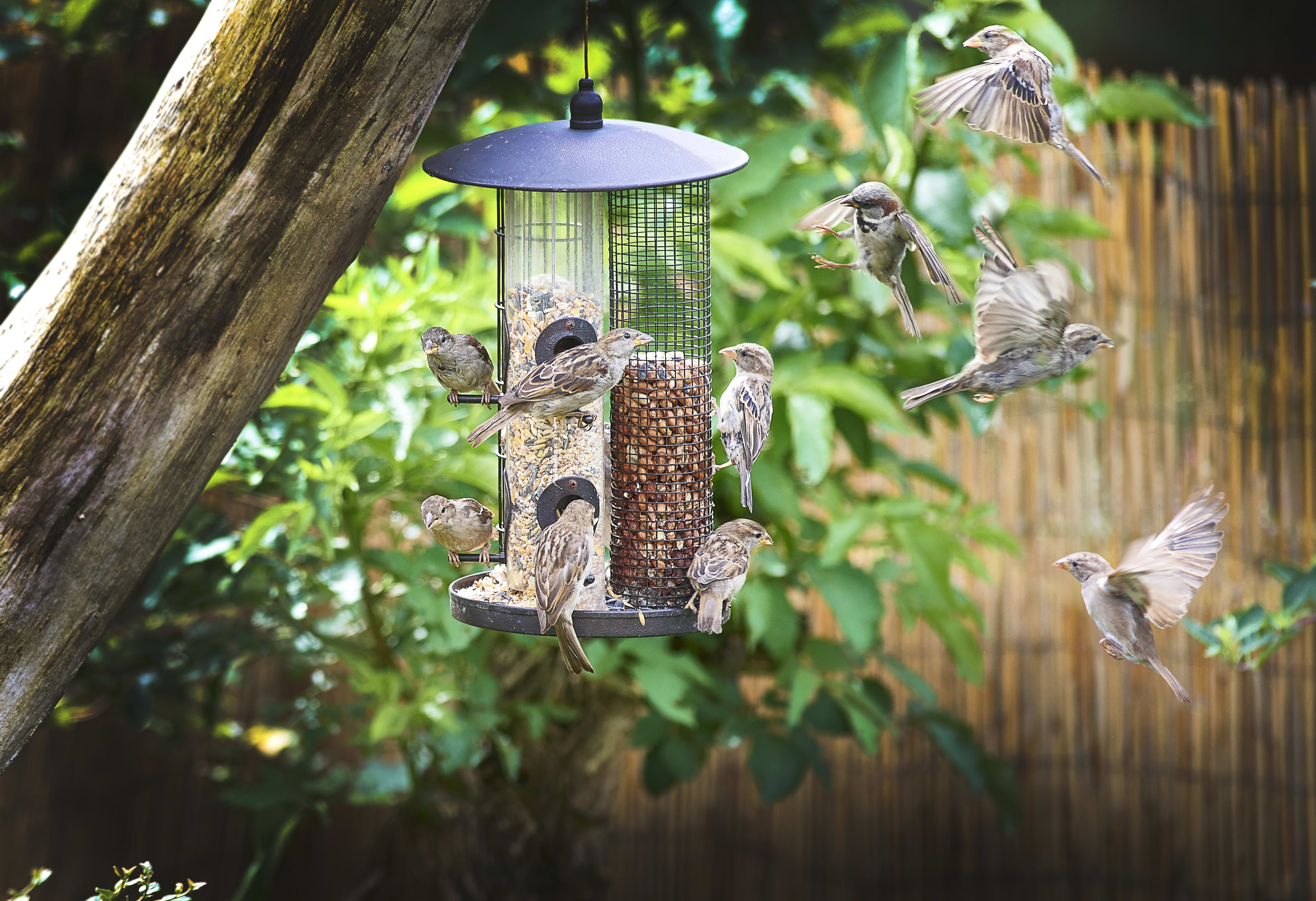
Feeders help birds find food, especially in winter. Place feeders in safe spots away from cats and noise. Clean feeders often to stop disease.
| Feeder Type | Best Food | Placement Tips |
| Tube Feeder | Mixed seeds, sunflower seeds | Hang 5 feet high, near shrubs |
| Suction Cup Feeder | Nyjer seed for finches | Attach to windows away from glare |
| Platform Feeder | Peanuts, cracked corn | Keep away from predators |
| Hummingbird Feeder | Sugar water (no red dye) | Place in shade to avoid spoilage |
Avoiding Harmful Foods
Some foods can hurt birds. Avoid salty, sugary, or processed foods. Stay clear of bread and chocolate. These cause health problems and can be toxic.
- Do not offer bread or crackers
- Avoid salted or flavored seeds
- Never give chocolate or candy
- Skip raw beans and uncooked rice
- Do not feed spoiled or moldy food
Building Shelter And Nesting Spots
Creating safe places for birds in your backyard helps them rest and raise their young. Providing shelter and nesting spots supports local wildlife and adds life to your garden.
Simple steps like placing nest boxes and planting shrubs make your yard bird-friendly. This guide shows easy ways to offer protection and comfort to birds.
Safe Nesting Boxes
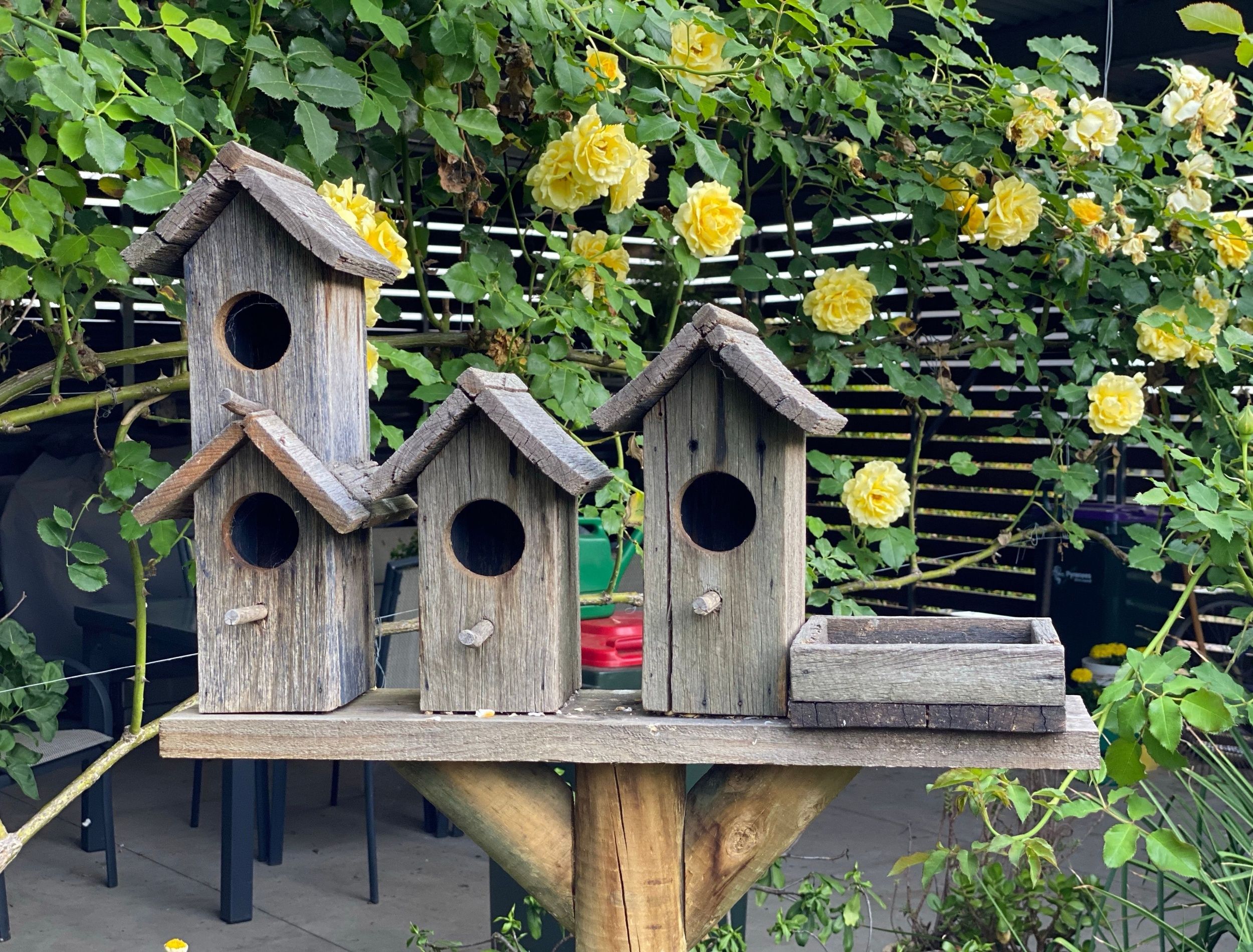
Birds need secure nesting boxes to keep their eggs safe. Use wood boxes with smooth walls and a small entrance hole. Place boxes away from direct sun and strong wind.
- Choose the right size for local bird species.
- Mount boxes 5 to 10 feet above ground.
- Face the entrance away from prevailing winds.
- Clean boxes yearly to prevent parasites.
Using Shrubs And Trees
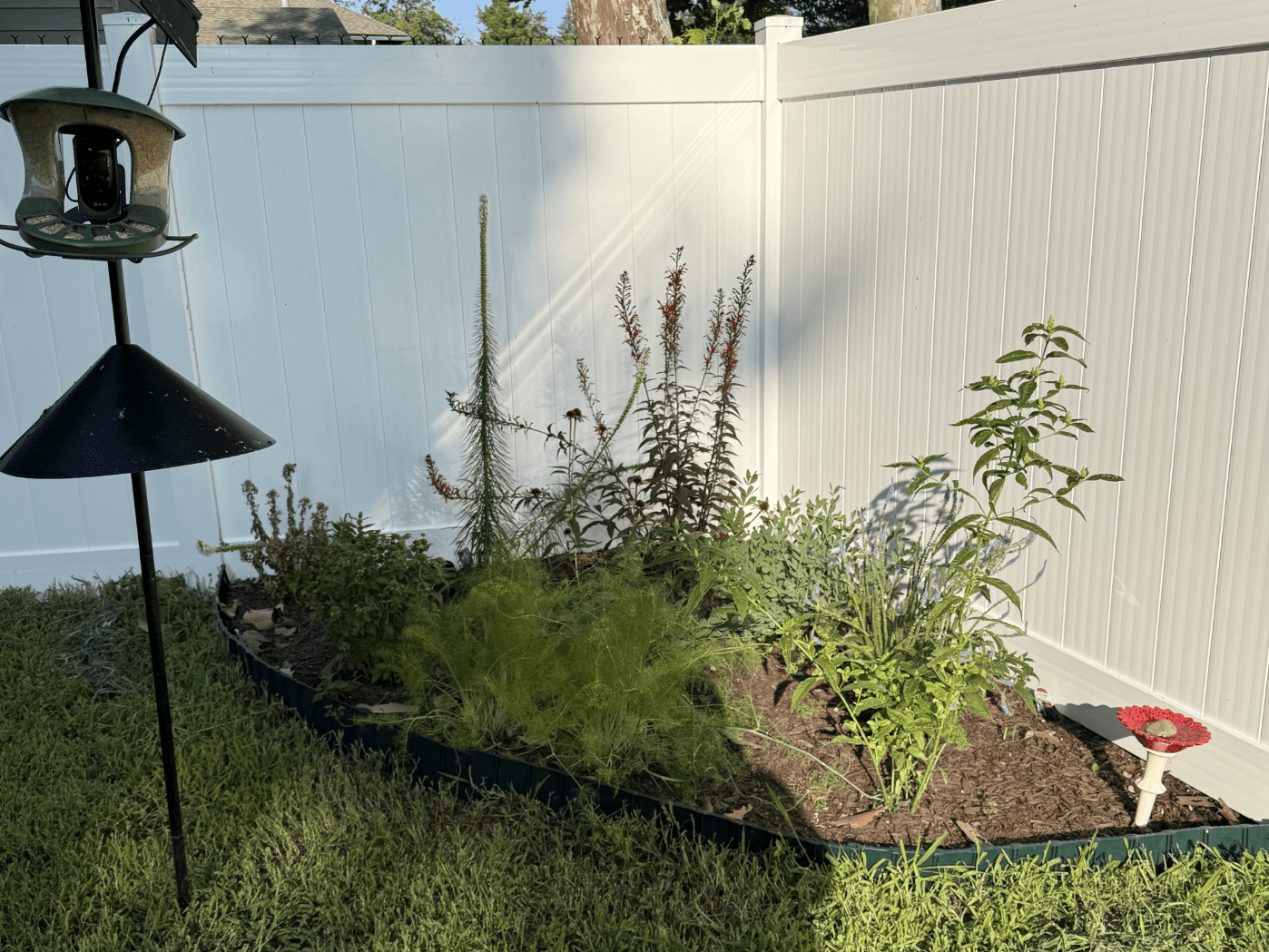
Plants offer natural shelter and food for birds. Shrubs and trees hide nests from danger and provide cover during bad weather. Include native plants that produce berries and seeds.
| Plant Type | Benefit for Birds |
| Evergreen Shrubs | Year-round cover |
| Flowering Trees | Attract insects for food |
| Berry Bushes | Provide winter food |
Protecting From Predators
Predators like cats and raccoons threaten nesting birds. Keep nest boxes on metal poles to block climbing. Avoid placing nests near dense ground cover where predators hide.
- Install baffles on poles below nest boxes.
- Clear brush near nesting spots to reduce hiding places.
- Use thorny plants as natural barriers.
- Place water sources away from nests to avoid attracting predators.
Incorporating Bird-friendly Landscaping
Creating a backyard that welcomes birds is rewarding and simple. It helps protect nature and brings more life to your garden.
Bird-friendly landscaping uses plants and materials that support birds’ needs. You can make your yard a safe and rich habitat.
Avoiding Pesticides
Pesticides harm birds by poisoning their food and water. Avoid using chemicals to keep birds safe and healthy in your yard.
- Use natural pest control methods like hand-picking bugs.
- Plant pest-repellent plants such as marigolds or garlic.
- Encourage beneficial insects that eat harmful pests.
- Keep your garden clean to reduce pests naturally.
Creating Diverse Habitats
Birds need different places to feed, rest, and nest. A mix of plants and features supports many bird species.
| Habitat Feature | Purpose for Birds |
| Tall Trees | Nesting and shelter |
| Shrubs | Protection and food |
| Native Flowers | Food from seeds and insects |
| Water Source | Drinking and bathing |
Using Mulch And Ground Cover
Mulch and ground cover help keep soil moist and cool. They also provide insects and seeds for birds to eat.
Choose these mulch types to help birds:
- Shredded leaves
- Wood chips from untreated wood
- Straw or hay
Avoid synthetic mulches that can harm wildlife.
Credit: www.backyardboss.net
Encouraging Year-round Visitors
A bird-friendly backyard attracts birds all year long. It provides food, water, and shelter in every season.
By planning carefully, you can enjoy birdwatching even in winter or migration times.
Providing Winter Resources
Birds need extra help in winter when food is scarce. Offer high-energy foods like seeds and suet to keep them strong.
Keep water available by using heated bird baths or changing water often to prevent freezing.
- Fill feeders with sunflower seeds and peanuts
- Use suet cakes for fat and energy
- Place heated or insulated bird baths
- Provide shelter with dense shrubs or brush piles
Attracting Migratory Birds
Migratory birds pass through your area during spring and fall. Offer safe resting spots and food to help them on their journey.
Plant native flowers and trees that provide nectar, seeds, and insects for these travelers.
- Grow native berry bushes and flowering plants
- Set up feeders with mixed seeds
- Keep water sources clean and fresh
- Minimize use of pesticides to protect insects
Adapting To Local Climate
Know your climate to support birds better. Choose plants and feeders that suit your weather conditions.
Adjust feeding and watering routines based on seasons and temperature changes.
- Use weather-resistant feeders in rainy areas
- Provide shade and water during hot seasons
- Choose native plants that handle local weather
- Check feeders regularly for damage or mold
Monitoring And Enjoying Your Birds
Watching birds in your backyard brings joy and calm. It helps you learn about different bird species.
Keeping track of the birds you see makes your hobby more fun. You can notice patterns and changes over time.
Setting Up Bird Watching Spots
Choose quiet places in your yard to watch birds. Make sure the spot has good views and some shade.
Use comfortable chairs or benches to sit quietly. Avoid sudden movements or loud noises to keep birds calm.
- Place feeders and water near the watching spot
- Use natural cover like bushes for hiding
- Keep the area clean to attract more birds
Recording Bird Sightings
Write down the types and numbers of birds you see each day. Note the time and weather conditions too.
Use a simple notebook or a bird journal to keep your records. This helps you track changes through seasons.
- Record the bird name or description
- Note the date and time of sighting
- Add any special behavior or sounds
Using Technology For Identification
Smartphone apps can help identify birds by their looks and sounds. Take pictures to compare later.
Use online bird guides or apps with bird calls. They make learning easier and faster.
- Try apps with photo recognition features
- Use sound recording apps for bird songs
- Join online bird watching groups for help
Credit: www.birdcount.org
Credit: dengarden.com
Frequently Asked Questions
What Plants Attract Birds To A Backyard?
Native plants with berries, seeds, and nectar attract birds. Examples include coneflowers, sunflowers, and dogwood. These provide natural food and shelter, enhancing bird visits.
How To Create Safe Bird Habitats Outdoors?
Use native shrubs and trees to offer shelter. Avoid pesticides and provide fresh water sources. Adding birdhouses and feeders also creates a safer environment for birds.
What Bird Feeders Work Best For Backyard Birds?
Tube feeders suit small songbirds, while platform feeders attract various species. Suet feeders help insect-eaters. Choose feeders based on local bird preferences for better results.
How To Maintain A Bird-friendly Backyard Year-round?
Keep feeders clean and stocked regularly. Plant a mix of evergreen and flowering plants. Provide water in winter with heated birdbaths to support birds all seasons.
Conclusion
Creating a bird-friendly backyard is rewarding and fun. Birds bring life and color to your garden. Use native plants for food and shelter. Add bird baths for drinking and bathing. Keep feeders clean to ensure bird health. Simple steps can attract many bird species.
Enjoy watching them from your window. Listen to their cheerful songs. Your backyard becomes a peaceful sanctuary. A haven for birds and for you. Start today and watch nature unfold. A delightful experience for every season. Embrace the beauty and joy birds bring to your home.


