

Do you want to bring the beauty and wonder of large birds right to your backyard? Attracting these majestic creatures can be easier than you think.
Imagine watching them up close, hearing their calls, and enjoying their graceful presence every day. You’ll discover simple, effective ways to make your outdoor space irresistible to large birds. Keep reading, and you’ll learn how to create a welcoming haven that draws them in naturally—turning your garden into a lively bird sanctuary you’ll love.
Choose The Right Location
Attracting large birds starts with picking a good place. The right location offers food, water, and shelter.
Finding the best spot helps you see more birds and keeps them safe and happy.
Identify Bird-friendly Habitats
Large birds like places with plenty of trees and open space. They need safe areas to rest and find food.
Look for places like forests, wetlands, and fields. These habitats support many big bird species.
- Forests provide shelter and nesting spots
- Wetlands offer water and food sources
- Open fields allow easy flying and spotting prey
Consider Seasonal Patterns
Birds move with the seasons to find food and better weather. Your location choice should match these changes.
Know when large birds migrate or breed in your area. This helps you pick spots where birds visit at the right time.
- Spring and fall are common migration times
- Summer is for nesting and raising young
- Winter birds seek food and shelter in mild areas
Select Suitable Food Sources
Attracting large birds starts with choosing the right food. Large birds need more nutrients and energy.
Providing suitable food helps keep them visiting your garden often.
Offer Native Seeds And Fruits
Native seeds and fruits are familiar to large birds. They provide the right nutrition and taste.
Planting native bushes or trees can supply natural food. You can also offer harvested seeds and fruits.
- Sunflower seeds attract large finches and grosbeaks
- Acorns feed woodpeckers and jays
- Berries like elderberries and dogwood fruit support thrushes and robins
- Native nuts provide energy for larger birds
Use Specialized Bird Feeders
Large birds need strong feeders that hold big seeds and fruits. Use feeders built for their size.
Feeders with wide perches and sturdy materials help large birds feed easily and safely.
- Platform feeders offer space for bigger birds
- Large hopper feeders hold more seed types
- Suet cages attract woodpeckers and nuthatches
- Fruit feeders can hold fresh or dried fruits
Create Water Features
Large birds need water for drinking and bathing. Water features attract them and keep them nearby. Adding birdbaths and ponds can make your garden a bird-friendly place.
Clean, fresh water helps birds stay healthy. It also encourages them to visit often. Let’s explore how to install water features and keep the water clean.
Install Birdbaths And Ponds
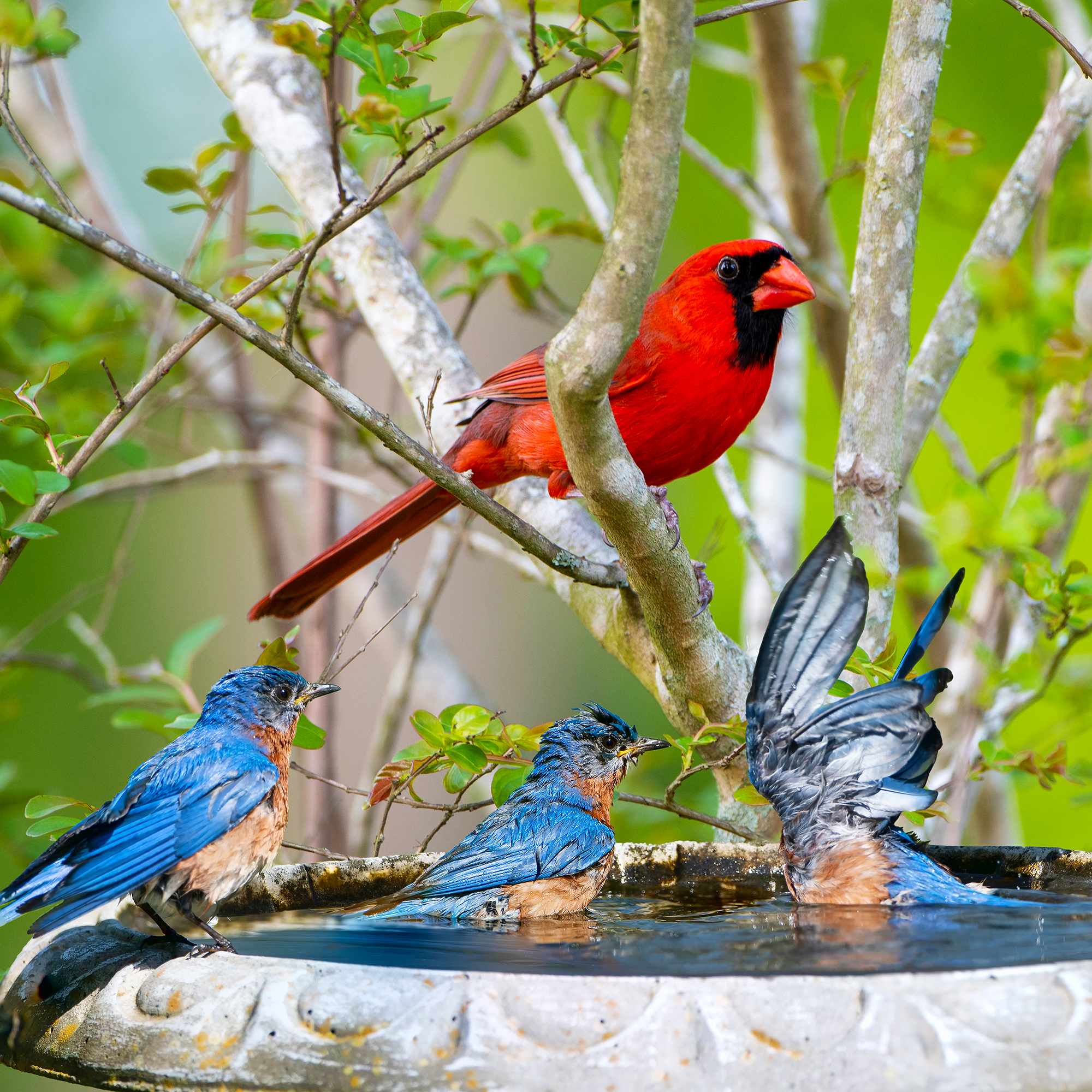
Birdbaths and ponds provide water for large birds to drink and bathe. Place these features where birds feel safe and can see around them. Use shallow water areas with gentle slopes so birds can enter easily.
- Choose a birdbath with a wide, shallow basin about 2 inches deep.
- Select a pond with shallow edges and some deep spots for safety.
- Place water features near trees or shrubs for shelter.
- Add rocks or sticks in ponds for perching and landing.
- Install a small fountain or dripper to keep water moving and attract birds.
Maintain Clean And Fresh Water
Birds avoid dirty or stagnant water. Clean water keeps birds healthy and coming back to your garden. Check water features regularly and refresh the water as needed.
| Maintenance Task | Frequency |
| Remove leaves and debris | Every 2 days |
| Change water completely | Every 3 days |
| Scrub birdbath or pond edges | Once a week |
| Check water level | Daily |
Provide Safe Shelter
Large birds need safe places to rest and raise their young. Providing shelter helps attract them to your area.
Safe shelter includes natural and man-made options. This helps birds feel secure from weather and predators.
Plant Native Trees And Shrubs
Native trees and shrubs offer food, shelter, and nesting spots for large birds. They blend well with the local environment.
- Choose species that grow well in your region
- Plant a mix of tall trees and dense shrubs
- Allow plants to grow naturally without heavy pruning
- Include berry-producing shrubs for food
Set Up Nesting Boxes
Nesting boxes offer safe places for birds to lay eggs and raise chicks. They protect birds from bad weather and predators.
| Box Feature | Reason |
| Proper size | Fits large birds comfortably |
| Sturdy material | Withstands weather and lasts longer |
| Correct entrance hole | Keeps out predators |
| Mount height | Safe from ground threats |
Minimize Disturbances
Large birds are sensitive to noise and movement. To attract them, keep the area calm and quiet. Disturbances make birds fly away and avoid the place.
Creating a peaceful environment helps birds feel safe. This increases the chance they will visit and stay longer.
Limit Human Activity
Humans moving around can scare large birds easily. Keep people away from bird feeding and nesting areas. Use signs or barriers to remind visitors to stay quiet.
Try to avoid loud noises like shouting or running near bird habitats. Plan activities far from where birds gather. This helps birds feel safe and comfortable.
Control Predators And Pets
Predators and pets can scare or harm large birds. Keep cats, dogs, and other animals away from bird areas. This lowers the risk of attacks or stress for the birds.
Use fencing or enclosures to protect bird spaces. Watch for wild predators like raccoons or foxes. Remove any threats quickly to keep the area safe for birds.
- Keep pets on leashes or inside
- Check bird areas for wild predators
- Use barriers to block predator access
- Remove predator shelters near bird spots
Credit: edis.ifas.ufl.edu
Use Visual And Auditory Lures
Attracting large birds requires using sights and sounds they like. Visual and auditory lures help draw birds closer.
Birds respond to bright objects and familiar calls. Using these can increase the chance of seeing big birds nearby.
Incorporate Bird Calls And Sounds
Playing bird calls can catch the attention of large birds. These sounds make birds curious or signal safety.
Use recordings of bird songs or calls from your target species. Play them softly near your birdwatching spot.
- Choose calls from birds common in your area
- Play sounds at different times of the day
- Keep volume low to avoid scaring birds
- Combine calls with other lures for best results
Add Reflective And Moving Objects
Shiny and moving items catch a bird’s eye. Birds see reflections and movement from far away.
Use small mirrors, CDs, or metallic ribbons near feeders. Hang wind spinners or flags that move with the breeze.
- Reflective objects shine in sunlight
- Moving items mimic natural movements
- Change object positions to keep birds curious
- Combine with calls for stronger attraction
Maintain Consistency And Patience
Attracting large birds takes time and care. You must be patient and keep your feeding habits steady. Birds notice regular patterns and feel safe in familiar places.
Showing patience helps build trust with the birds. They will come back often if they know food and water are always there for them.
Regularly Refill Food And Water
Keep the food and water fresh and full. Large birds need enough supplies to feel comfortable and stay nearby. Refill feeding spots at the same time every day to create a routine.
- Check food dishes daily and add more if empty
- Clean water containers to prevent algae and bugs
- Offer a variety of seeds, nuts, and fruits
- Use shallow water trays for easy drinking and bathing
Observe Without Interfering
Watch the birds quietly from a distance. Avoid sudden moves or loud noises. Let the birds get used to your presence without feeling threatened.
- Use binoculars to see details without getting close
- Stay still for several minutes to let birds relax
- Avoid feeding by hand to keep natural behavior
- Note the time and types of birds that visit

Credit: lawnlove.com
Credit: www.gardeningknowhow.com
Frequently Asked Questions
What Foods Attract Large Birds Effectively?
Large birds prefer seeds like sunflower, corn, and safflower. Fresh fruits and nuts also attract them. Providing clean water enhances attraction. Using diverse food options boosts chances of visits from various large bird species.
How To Create A Bird-friendly Habitat For Large Birds?
Plant native trees and shrubs that offer shelter and food. Maintain natural water sources like ponds or birdbaths. Avoid pesticides and chemicals to keep the environment safe. A diverse habitat encourages large birds to stay and thrive.
What Types Of Feeders Attract Big Birds Best?
Use platform feeders or large hopper feeders for big birds. Ensure feeders are sturdy to hold their weight. Position feeders in quiet, safe areas to reduce stress. Clean feeders regularly to prevent disease and encourage repeat visits.
How Can Noise Affect Attracting Large Birds?
Loud noises scare away large birds. Keep the area calm and quiet during feeding times. Avoid sudden movements near feeders or habitats. A peaceful environment makes birds feel safe and increases attraction.
Conclusion
Attracting large birds is rewarding and fun. Use the right feeders. Offer seeds and nuts they love. Provide fresh water sources. Create a safe environment with trees or shrubs. Be patient. Birds need time to discover new spots. Enjoy observing their beauty and grace.
Their visits can bring peace and joy. And a closer connection to nature. Share your birding experiences with friends. Inspire others to create bird-friendly spaces. Together, we can support these magnificent creatures. Happy birdwatching!


