Imagine stepping outside and hearing the cheerful songs of birds all around you. Your outdoor space can become a peaceful haven not just for you, but for your feathered friends too.
Creating a bird friendly outdoor space is easier than you think, and it brings joy, beauty, and a sense of calm to your everyday life. You’ll discover simple, effective ways to attract birds while making your yard safer and more welcoming for them.
Ready to transform your outdoor area into a lively sanctuary full of nature’s wonders? Let’s dive in!
Credit: dengarden.com
Choosing Native Plants
Native plants grow naturally in your area. They need less water and care than other plants.
These plants provide food and shelter for local birds. They help create a healthy outdoor space.
Benefits For Local Birds
Native plants offer the right food that local birds eat. Birds find seeds, berries, and insects on these plants.
These plants also give good places for birds to build nests. Birds feel safer in familiar habitats.
- Provide natural food sources
- Offer shelter and nesting sites
- Support local insect populations birds eat
- Help maintain the local ecosystem
Best Plants For Different Seasons
Choose plants that bloom or bear fruit in all seasons. This keeps food available for birds year-round.
Mix trees, shrubs, and flowers to provide variety and cover. Different plants attract different bird species.
| Season | Recommended Native Plants |
|---|---|
| Spring | Serviceberry, Redbud, Wild Geranium |
| Summer | Bee Balm, Black-eyed Susan, Milkweed |
| Fall | Sumac, Spicebush, Goldenrod |
| Winter | Winterberry Holly, Dogwood, Cedar |
Creating Natural Shelter
Birds need safe places to rest and raise their young. Natural shelters help protect them from weather and predators.
Creating these shelters in your outdoor space supports bird populations and brings wildlife closer to home.
Shrubs And Trees For Nesting
Shrubs and trees offer natural cover and nesting spots for many bird species. Choose native plants that produce berries or seeds for food.
- Evergreen shrubs provide year-round shelter
- Dense branches protect nests from wind
- Flowering trees attract insects for food
- Deciduous trees give shade in summer and sunlight in winter
- Plant groups of shrubs to create safe nesting zones
Building Birdhouses And Nesting Boxes
Birdhouses and nesting boxes offer extra shelter where natural sites are limited. Place them in quiet, sheltered areas at the right height.
| Bird Species | Box Size (inches) | Entrance Hole Diameter (inches) | Mounting Height (feet) |
| Chickadee | 5 x 5 x 8 | 1 1/8 | 5–10 |
| Bluebird | 6 x 6 x 12 | 1 1/2 | 4–6 |
| Wrens | 4 x 4 x 8 | 1 1/4 | 6–10 |
| Nuthatch | 5 x 5 x 10 | 1 1/4 | 5–15 |
Providing Food Sources
Creating a bird friendly outdoor space means offering food that birds need. Food helps birds stay healthy and visit your yard often.
Providing natural and safe food sources encourages many bird species to come and feed in your area.
Natural Food Options
Natural foods like seeds, berries, and nuts attract birds. These foods give birds energy and nutrients they need.
Plant native flowers, shrubs, and trees to provide food all year. Birds prefer familiar foods from their natural environment.
- Sunflower seeds are popular with many bird types
- Berry-producing plants like elderberry and dogwood feed fruit-eating birds
- Oak trees drop acorns that some birds eat
- Native flowers produce seeds and attract insects for birds
Safe Bird Feeders And Feeding Tips
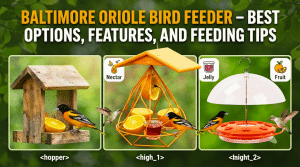
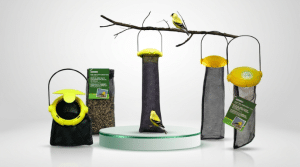
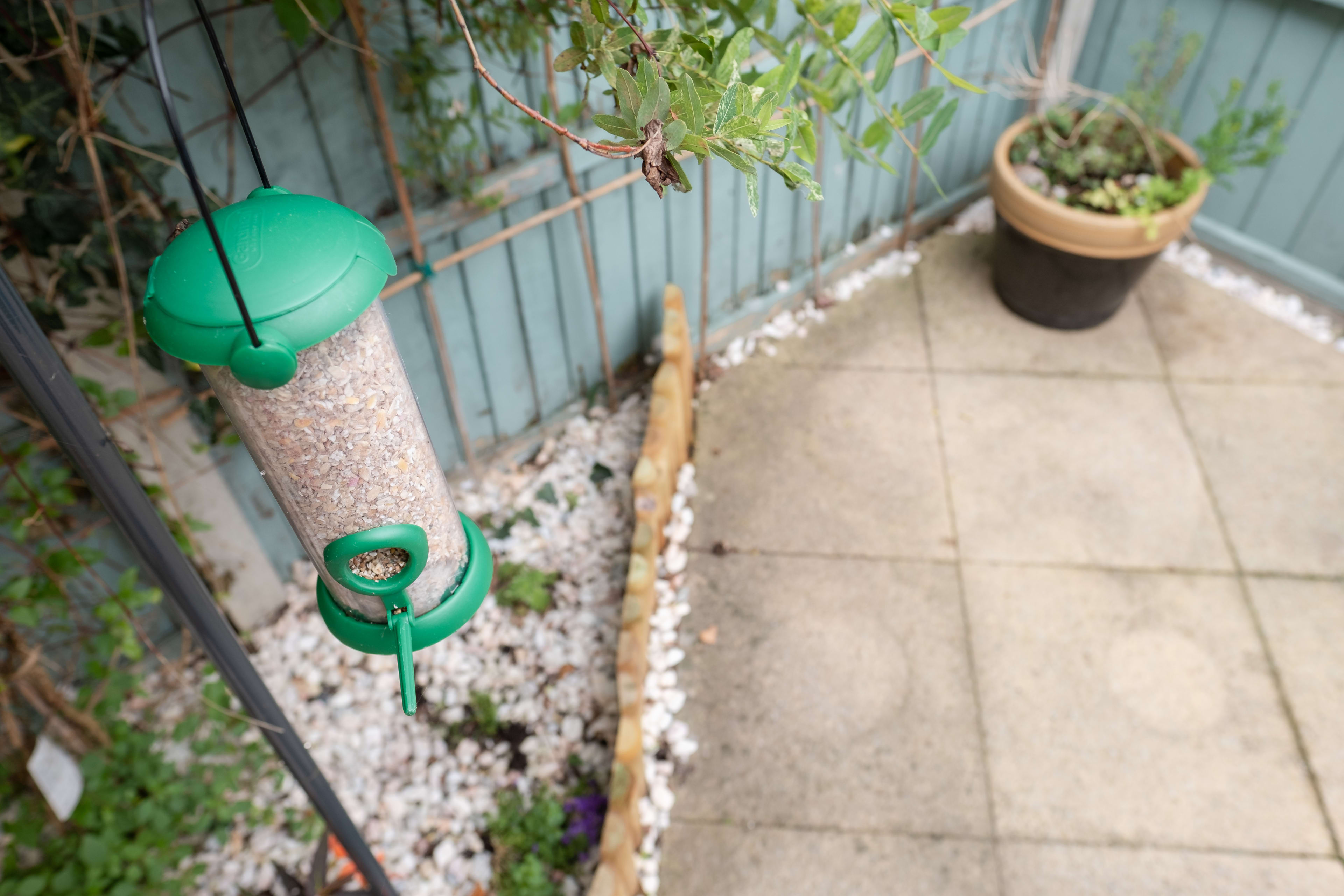
Use bird feeders that keep food clean and dry. Choose designs that prevent mold and pests.
Clean feeders regularly to stop disease. Place feeders where birds feel safe from predators.
- Hang feeders away from windows to prevent collisions
- Use feeders with covers to protect food from rain
- Offer fresh water near feeders for drinking and bathing
- Refill feeders before food runs out to keep birds coming
Water Features For Birds
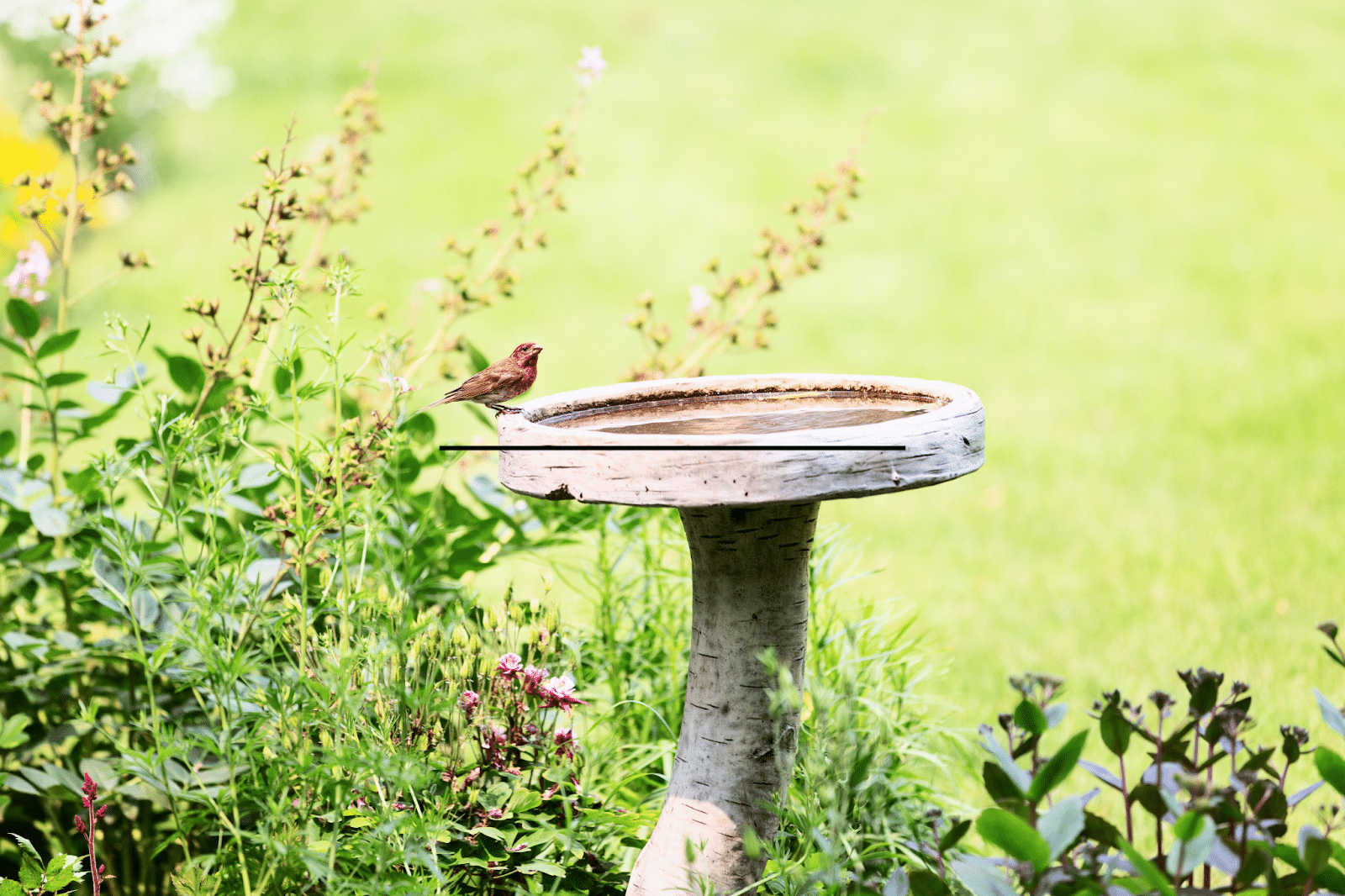
Birds need water for drinking and bathing. Adding water features helps attract birds to your outdoor space.
Water features like birdbaths and ponds create safe spots for birds. They also support local wildlife.
Choosing Birdbaths And Ponds
Pick birdbaths and ponds that are shallow. Birds like water no deeper than two inches.
Use materials that keep water cool. Stone, ceramic, and metal work well. Avoid plastics that get too hot.
- Choose wide and shallow designs
- Place birdbaths on stable stands
- Keep ponds small and easy to clean
- Put water features in safe, quiet spots
- Ensure easy bird access with gentle slopes
Maintaining Clean Water
Change water often to keep it fresh. Dirty water can spread diseases to birds.
Clean birdbaths and ponds weekly. Use a brush and mild soap if needed. Rinse well before refilling.
- Remove leaves and debris daily
- Refill with fresh water every 2-3 days
- Clean thoroughly each week
- Check for algae or mold growth
- Keep water features in shaded areas to slow algae
Avoiding Harmful Chemicals
Creating a bird friendly outdoor space means keeping it safe for birds. Avoid using harmful chemicals that can hurt birds and other wildlife.
Chemicals in pesticides and fertilizers can poison birds. They can also reduce the insects birds eat. Choose safer ways to care for your garden.
Organic Pest Control
Organic pest control uses natural methods to keep bugs away. It protects birds by avoiding toxic chemicals.
Examples include using neem oil, insecticidal soap, or introducing helpful insects like ladybugs.
- Use neem oil spray to control aphids and mites.
- Insecticidal soap kills soft-bodied pests safely.
- Ladybugs eat harmful insects naturally.
- Hand-pick pests off plants when possible.
Safe Gardening Practices
Safe gardening helps birds stay healthy. Avoid chemicals and choose natural ways to grow plants.
Use compost and mulch to enrich soil. Water plants early in the day to reduce disease. Remove weeds by hand or with tools.
- Use compost instead of chemical fertilizers.
- Mulch plants to keep soil moist and healthy.
- Water plants in the morning to prevent mold.
- Pull weeds by hand to avoid herbicides.
Credit: dengarden.com
Encouraging Bird Activity
Creating a bird friendly outdoor space helps birds find food and shelter. It also makes your yard lively and beautiful.
Simple changes can invite many bird species. You can enjoy watching birds while helping nature.
Attracting Different Bird Species
Different birds like different foods and habitats. Plant native flowers and trees to attract local birds.
Use a variety of bird feeders to offer seeds, nuts, and suet. Provide fresh water for drinking and bathing.
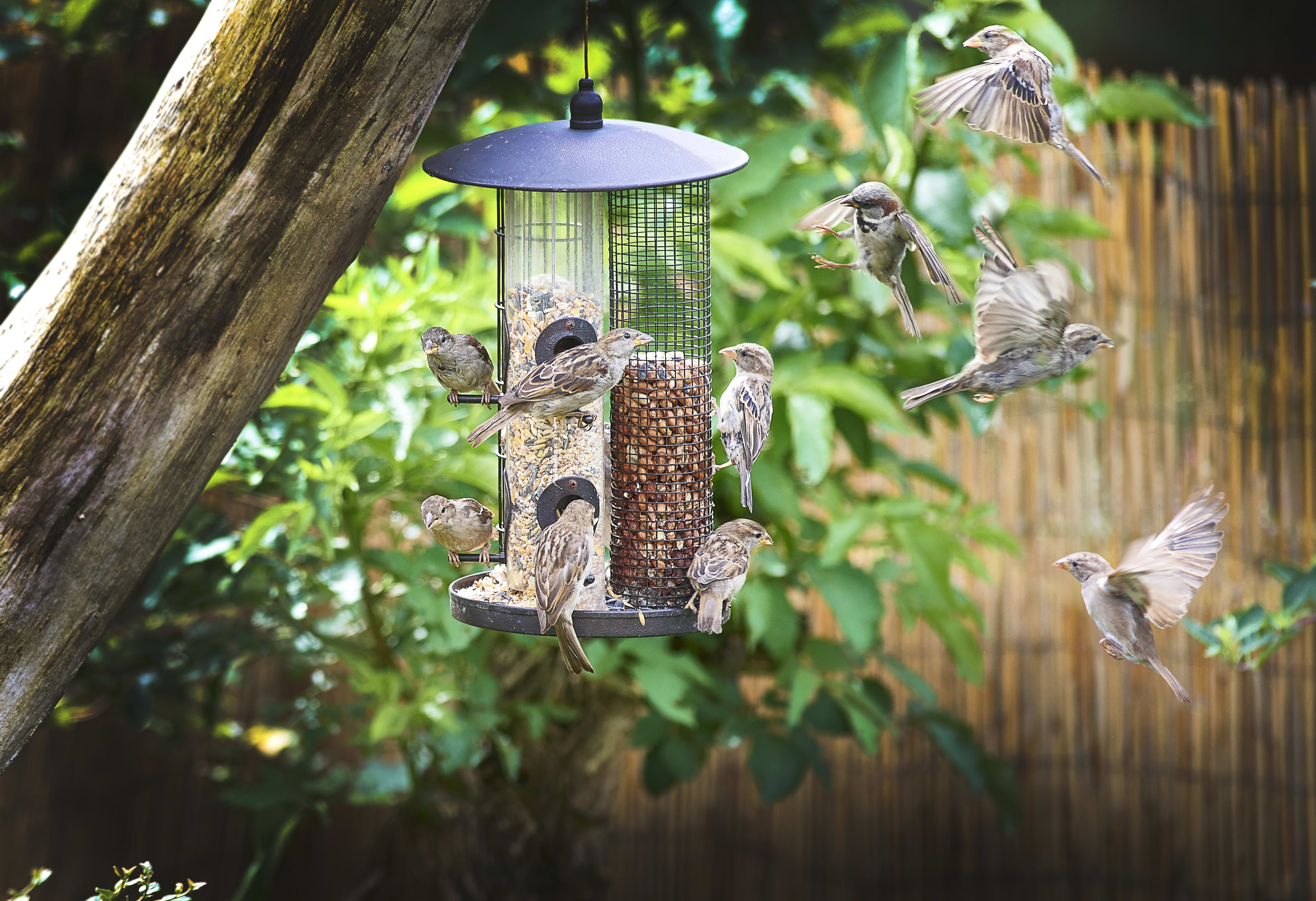
- Seed feeders attract finches and sparrows
- Nectar feeders attract hummingbirds
- Platform feeders attract cardinals and jays
- Native shrubs provide shelter and nesting spots
- Water sources attract birds all year
Seasonal Bird Watching Tips
Bird activity changes with the seasons. Watch for different species in spring, summer, fall, and winter.
Adjust your feeders and habitat to fit the season. This keeps birds coming back all year long.
- Spring: Offer nesting materials and fresh water
- Summer: Provide shade and cool water spots
- Fall: Fill feeders with high-energy seeds
- Winter: Keep feeders full and water unfrozen
Designing With Bird Safety In Mind
Creating an outdoor space that is safe for birds helps protect them from common dangers. Thoughtful design can reduce risks and support bird health.
Simple changes in your yard can make a big difference. Focus on preventing accidents and providing safe places for birds to eat and drink.
Preventing Window Collisions
Birds often fly into windows because they see reflections or clear views through glass. This can cause serious injury or death.
To reduce collisions, use visual markers on windows. These help birds see the glass as a barrier.
- Apply decals or stickers spaced closely together
- Use window screens or external shutters
- Place netting outside windows
- Keep feeders and birdbaths either very close or far from windows
Safe Placement Of Feeders And Baths
Feeders and baths attract birds but must be placed carefully. Proper placement reduces predator risks and prevents injuries.
Place feeders near shrubs or trees for quick shelter. Avoid areas where cats and other predators can hide.
- Keep feeders 3 to 10 feet from windows to avoid collisions
- Place baths in shallow, clean water
- Move baths regularly to keep water fresh
- Use sturdy poles or hangers to keep feeders stable

Credit: underatinroof.com
Frequently Asked Questions
What Is A Bird Friendly Outdoor Space?
A bird friendly outdoor space is designed to attract and support birds. It includes native plants, shelter, water, and safe feeding areas. This environment helps birds thrive while enhancing your garden’s beauty and biodiversity.
How Do Native Plants Help Birds In Gardens?
Native plants provide natural food, shelter, and nesting sites for local birds. They support insects birds eat and resist pests. Using native plants creates a sustainable habitat that boosts bird populations and garden health.
What Water Features Attract Birds To Outdoor Spaces?
Birdbaths, small ponds, and dripping fountains attract birds by providing fresh water for drinking and bathing. Clean, shallow water sources encourage birds to visit and stay longer in your garden, promoting a lively bird friendly space.
How Can I Make My Garden Safe For Birds?
To keep birds safe, avoid pesticides and use bird-friendly feeders. Provide shelter from predators with dense shrubs. Position feeders near cover but away from windows to prevent collisions.
Conclusion
Creating a bird friendly outdoor space helps nature thrive near you. Birds bring life, color, and joyful sounds to your yard. Plant native flowers and provide clean water for birds to drink. Safe places to rest and hide keep birds coming back.
Small changes make a big difference for local wildlife. Enjoy watching birds and feel closer to nature every day. Your outdoor space can become a peaceful bird haven. Give birds a welcome home, and they will repay you with beauty.