Do you want to bring the vibrant beauty of tanagers right to your backyard? These colorful birds can add a splash of life and joy to your outdoor space.
But attracting tanagers isn’t always easy—you need the right plants, feeders, and a welcoming environment. You’ll discover simple, effective tips that will make your yard irresistible to these stunning birds. Keep reading, and soon you’ll be enjoying their bright colors and cheerful songs every day.
Tanagers At A Glance
Tanagers are small to medium-sized birds known for their bright colors. They live mostly in the Americas and are popular among bird watchers.
Learning about their types, habitats, and feeding habits can help you attract them to your garden or local area.
Types Of Tanagers
There are many kinds of tanagers, each with unique colors and patterns. Some common types include the Scarlet Tanager, Summer Tanager, and Western Tanager.
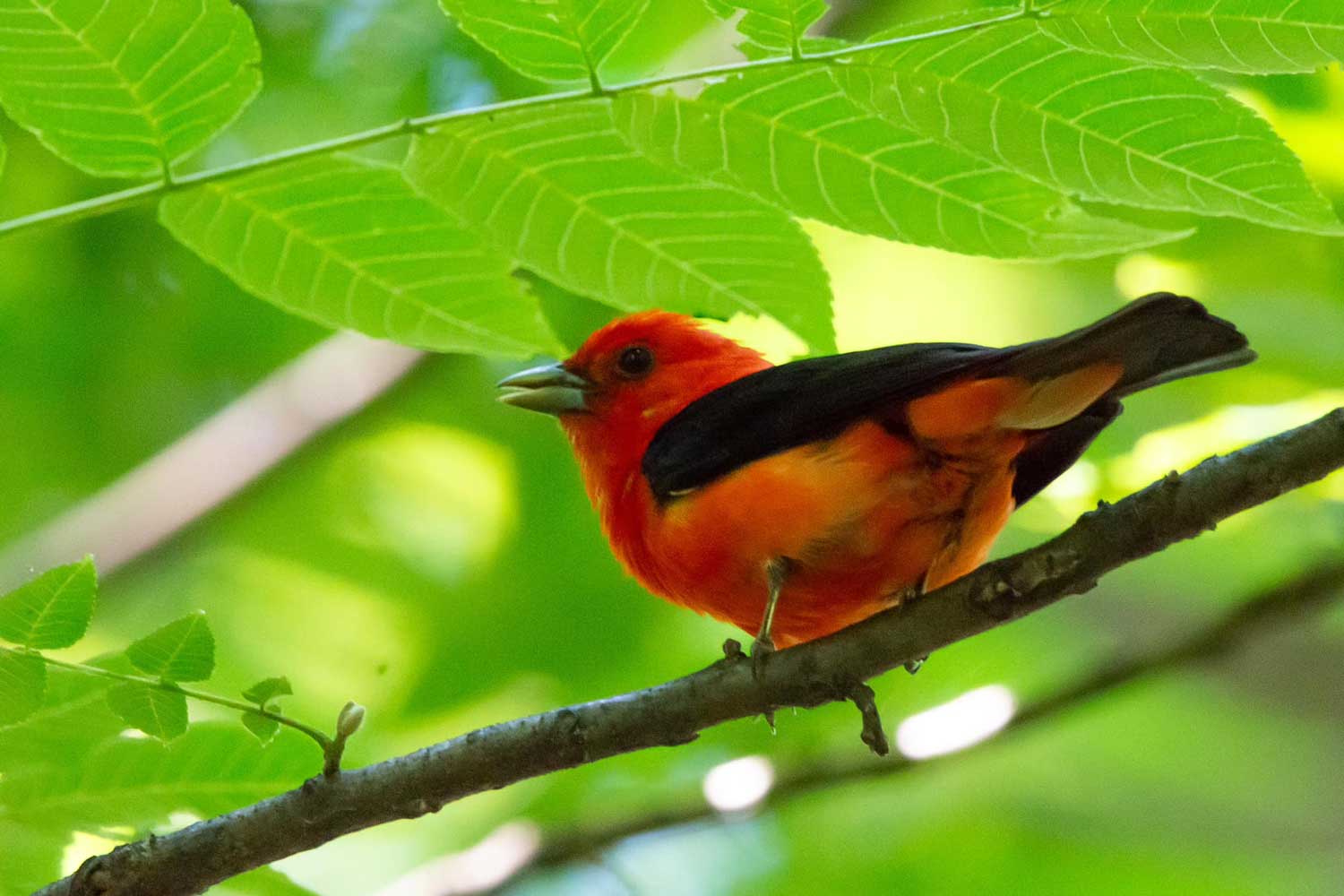
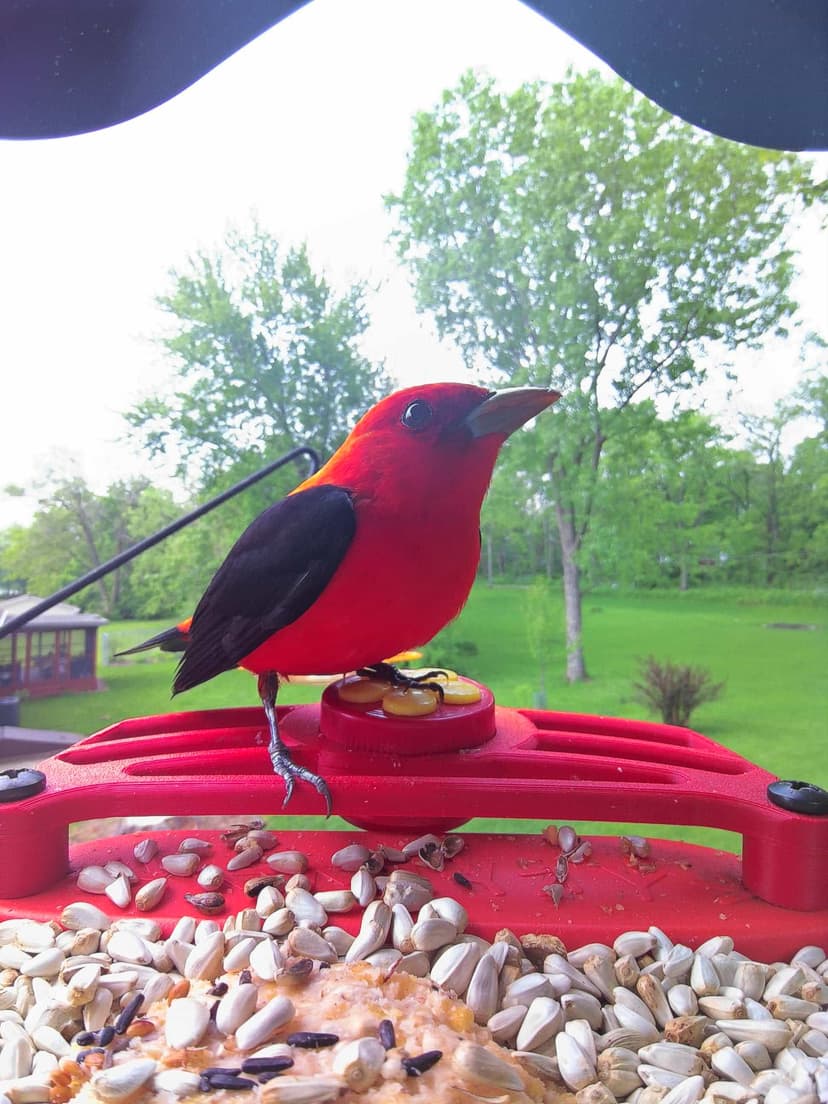
- Scarlet Tanager:Bright red body with black wings and tail.
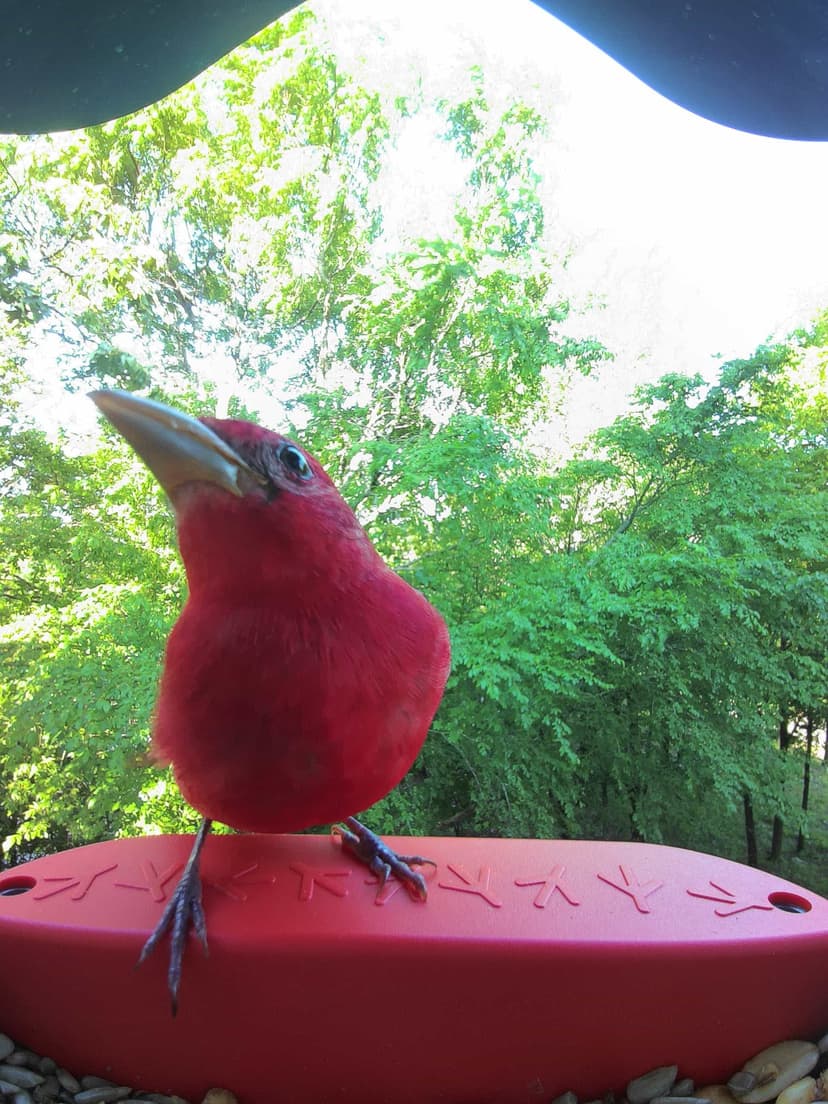
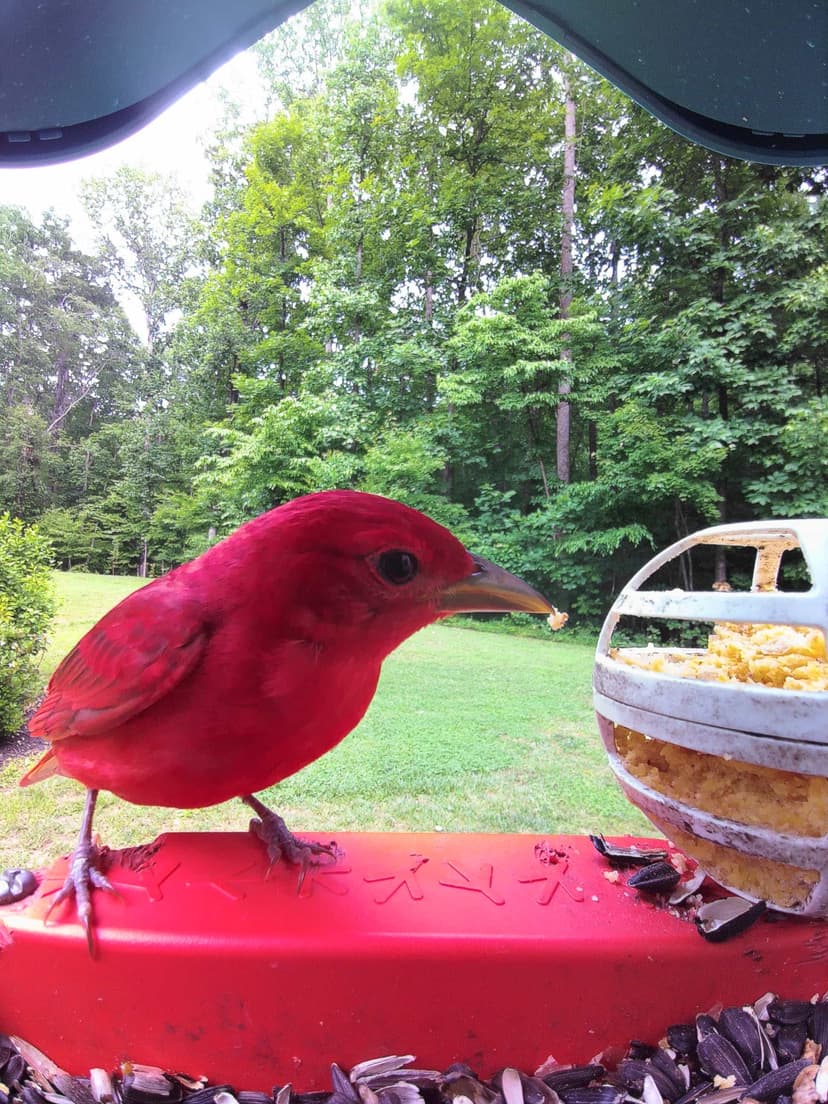
- Summer Tanager:Uniform red or yellowish color, depending on sex.
- Western Tanager:Yellow body with red head and black wings.
- Bay-headed Tanager:Blue body with a reddish-brown head.
Habitat Preferences
Tanagers prefer forests and woodlands. They often live in areas with many trees and shrubs. Some species like open woodlands, while others like dense forests.
| Type of Habitat | Tanagers Found |
|---|---|
| Deciduous Forests | Scarlet Tanager, Summer Tanager |
| Coniferous Forests | Western Tanager |
| Rainforests | Bay-headed Tanager |
| Woodland Edges | Several tanager species |
Feeding Habits
Tanagers eat fruits, insects, and nectar. Their diet changes by season and availability. They help spread seeds by eating fruit.
- Fruit like berries and small tropical fruits
- Insects such as beetles, caterpillars, and ants
- Nectar from flowers for energy
- Occasionally small seeds
Setting Up The Perfect Habitat
Tanagers are colorful birds that enjoy natural spaces. Creating the right habitat helps attract them to your yard or garden.
A good habitat provides food, shelter, and water. These elements make tanagers feel safe and welcome.
Choosing The Right Plants
Tanagers like areas with diverse plants. They prefer native trees and shrubs with fruits and insects.
Planting a mix of flowering and fruit-bearing plants gives tanagers food all year. Choose plants that provide berries, seeds, and nectar.
- Fruit trees like mulberry and serviceberry
- Flowering shrubs such as azaleas and rhododendrons
- Native plants that attract insects, like goldenrod
- Evergreens for year-round greenery
Creating Shelter And Nesting Spots
Tanagers need safe places to rest and build nests. Dense shrubs and small trees offer good cover.
Adding brush piles or leaving dead wood can provide extra hiding spots. Avoid clearing all branches to keep shelter natural.
- Plant thick shrubs near fruit trees
- Keep natural leaf litter on the ground
- Provide nesting materials like twigs and leaves
- Place birdhouses or nesting boxes carefully
Water Sources For Tanagers
Fresh water attracts tanagers for drinking and bathing. A clean water source is important in your habitat.
Use birdbaths or small ponds. Change water often to keep it fresh and avoid mosquitoes.
- Shallow birdbaths with gentle slopes
- Drippers or misters to keep water moving
- Natural ponds with rocks for perching
- Water near feeding and shelter areas
Food Choices To Lure Tanagers
Tanagers are bright, active birds that enjoy a variety of foods. Offering the right food helps attract them to your yard.
They mainly eat fruits and insects. Knowing what they like makes feeding them easier and more effective.
Fruits Tanagers Love
Many tanagers enjoy eating fresh fruits. Sweet and ripe fruits attract them quickly.
- Oranges and tangerines
- Bananas
- Berries like blueberries and blackberries
- Mango slices
- Grapes
Place fruit pieces on a flat feeder or a platform. Keep the fruits fresh and replace them often.
Insects And Protein Options
Tanagers also need protein from insects. They eat small bugs and caterpillars in the wild.
- Mealworms are a good protein source
- Crickets can attract tanagers
- Use suet with insects mixed in
- Place live or dried insects on feeders
Protein helps tanagers stay healthy, especially during breeding season.
Feeder Types And Placement
Use feeders that show food clearly. Tanagers prefer open trays or platform feeders.
- Platform feeders work well for fruit pieces
- Mesh feeders hold mealworms or dried insects
- Place feeders near trees or shrubs for cover
- Keep feeders in quiet, safe spots
Clean feeders regularly to avoid mold and keep birds healthy.
Credit: app.mybirdbuddy.com
Timing Your Efforts
Attracting tanagers requires paying attention to the right timing. Birds are more likely to visit when conditions suit their needs.
Knowing when tanagers are most active helps you plan your feeding and gardening efforts better.
Best Seasons To Attract Tanagers
Tanagers visit different areas depending on the season. Spring and summer are the best times to attract them.
During these seasons, tanagers look for food and places to nest. They are more visible and active then.
- Spring: Many tanagers arrive to breed and feed.
- Summer: Young birds learn to find food near feeders.
- Fall: Some tanagers prepare for migration with extra food.
Daily Activity Patterns
Tanagers are most active during early morning and late afternoon. These times are best to watch or feed them.
During midday, tanagers rest or stay hidden to avoid heat. Feeding then may be less successful.
- Early Morning: Birds search for food after sunrise.
- Late Afternoon: They feed again before sunset.
- Midday: Less active and more hidden.
Avoiding Common Mistakes
Attracting tanagers to your yard is rewarding. Avoid simple errors that scare them away.
Learn what plants and foods to avoid. Keep your space calm and safe for birds.
Plants And Foods To Skip
Not all plants and foods help attract tanagers. Some may even harm them or keep them away.
Avoid plants that produce toxic berries or attract pests. Skip foods that are not natural for tanagers.
- Do not plant nightshade or oleander; their berries are toxic.
- Avoid offering bread or processed foods; they lack nutrition.
- Skip feeding only sunflower seeds; tanagers prefer variety.
- Do not use pesticides on plants near feeding areas.
Minimizing Disturbances
Tanagers are shy and leave if disturbed. Keep noise and movement low around feeders.
Place feeders in quiet spots. Avoid frequent visits that scare the birds.
- Use quiet feeders that do not clang or rattle.
- Keep pets away from feeding areas.
- Limit human traffic near plants and feeders.
- Remove feeders at night to avoid predators.
Safe Practices For Birds
Safety helps tanagers feel comfortable visiting. Use clean feeders and fresh food.
Protect birds from predators and harsh weather. Offer water and shelter near feeding spots.
- Clean feeders regularly to prevent disease.
- Provide fresh water daily for drinking and bathing.
- Place feeders away from windows to avoid collisions.
- Plant shrubs or trees nearby for shelter and cover.
Credit: app.mybirdbuddy.com
Enhancing Your Yard For Birdwatching
Creating a welcoming space for tanagers helps you enjoy birdwatching. Simple changes in your yard attract these colorful birds.
Adding plants, food, and shelter invites tanagers to visit often. You can make your yard a safe place for them.
Using Birdhouses And Feeders
Birdhouses offer tanagers safe places to rest and raise their young. Feeders provide easy access to food, especially in colder months.
Place birdhouses in quiet spots with some shade. Use feeders with seeds tanagers like, such as sunflower seeds and fruit bits.
- Choose birdhouses with openings about 1.5 inches wide
- Keep birdhouses clean to prevent disease
- Use feeders that are easy to refill and clean
- Place feeders near shrubs or trees for shelter
Attracting Other Wildlife
Having other wildlife in your yard creates a balanced ecosystem. It makes your yard lively and interesting for birdwatching.
Plant native flowers and shrubs to attract insects and butterflies. These provide extra food and activity for tanagers and other birds.
- Grow berry-producing bushes like elderberry and dogwood
- Include flowering plants that attract pollinators
- Leave some leaf litter for insects to thrive
- Provide a small water source like a birdbath or pond
Maintaining A Bird-friendly Environment
Keep your yard safe by avoiding pesticides and chemicals. Birds need clean air and food for good health.
Regularly check feeders and birdhouses to keep them clean. Offer fresh water and remove hazards like window reflections.
- Use organic gardening methods
- Clean feeders every two weeks
- Provide fresh water daily
- Place decals or screens on windows to prevent bird strikes
Credit: app.mybirdbuddy.com
Frequently Asked Questions
What Food Attracts Tanagers To My Garden?
Tanagers prefer fruits like berries, grapes, and bananas. They also enjoy nectar and insects. Providing a mix of these foods will attract them effectively.
What Type Of Feeder Is Best For Tanagers?
Use tube or platform feeders filled with fruit or nectar. Avoid seed-only feeders since tanagers prefer fruit and protein-rich food sources.
Which Plants Attract Tanagers Naturally?
Plant native fruit-bearing trees and shrubs such as dogwood, mulberry, and serviceberry. These provide natural food and shelter, attracting tanagers to your yard.
When Is The Best Time To Attract Tanagers?
Spring and summer are ideal as tanagers migrate and breed. Providing food and water during these seasons increases chances of attracting them.
Conclusion
Attracting tanagers can be a delightful experience. Keep your garden vibrant with native plants and berries. Provide a birdbath for fresh water. Use feeders stocked with seeds and fruits. Tanagers love a peaceful environment. Reduce noise and disturbances in your yard.
Regularly maintain your garden and feeders. Patience is key; tanagers may take time to visit. Enjoy the colorful guests when they do arrive. Watching them brings joy and beauty to your outdoor space. Remember, creating a welcoming habitat benefits many birds, not just tanagers.
Your efforts support a thriving ecosystem.