If you’ve ever watched purple martins dance through the sky, you know how magical it feels. Imagine having these graceful birds visit your yard every spring and summer.
You might wonder, how can you attract purple martins to your space? The good news is, it’s easier than you think. With a few simple steps, you can create a welcoming home that these beautiful birds won’t want to leave.
Keep reading to discover how you can bring purple martins right to your doorstep and enjoy their amazing presence all season long.
Purple Martin Habitat Needs
Purple Martins are beautiful birds that need the right habitat to thrive. They prefer open spaces near water and safe places to nest.
Understanding their environment and seasonal habits helps attract these birds to your area.
Preferred Environment
Purple Martins like open areas with few tall trees. They need clear flight paths and places to find food easily.
- Open fields or large yards
- Near lakes, ponds, or rivers
- Safe spots away from predators
- Availability of nesting houses or gourds
- Access to flying insects for food
Seasonal Patterns
Purple Martins migrate each year and their needs change with the seasons. Knowing these patterns helps keep them around.
| Season | Behavior | Habitat Needs |
| Spring | Return from migration, find nests | Clean nesting houses, open spaces |
| Summer | Raise young, hunt insects | Plenty of flying insects, safe nesting |
| Fall | Prepare for migration | High food supply, resting spots |
| Winter | Live in warmer areas | Not present in northern habitats |
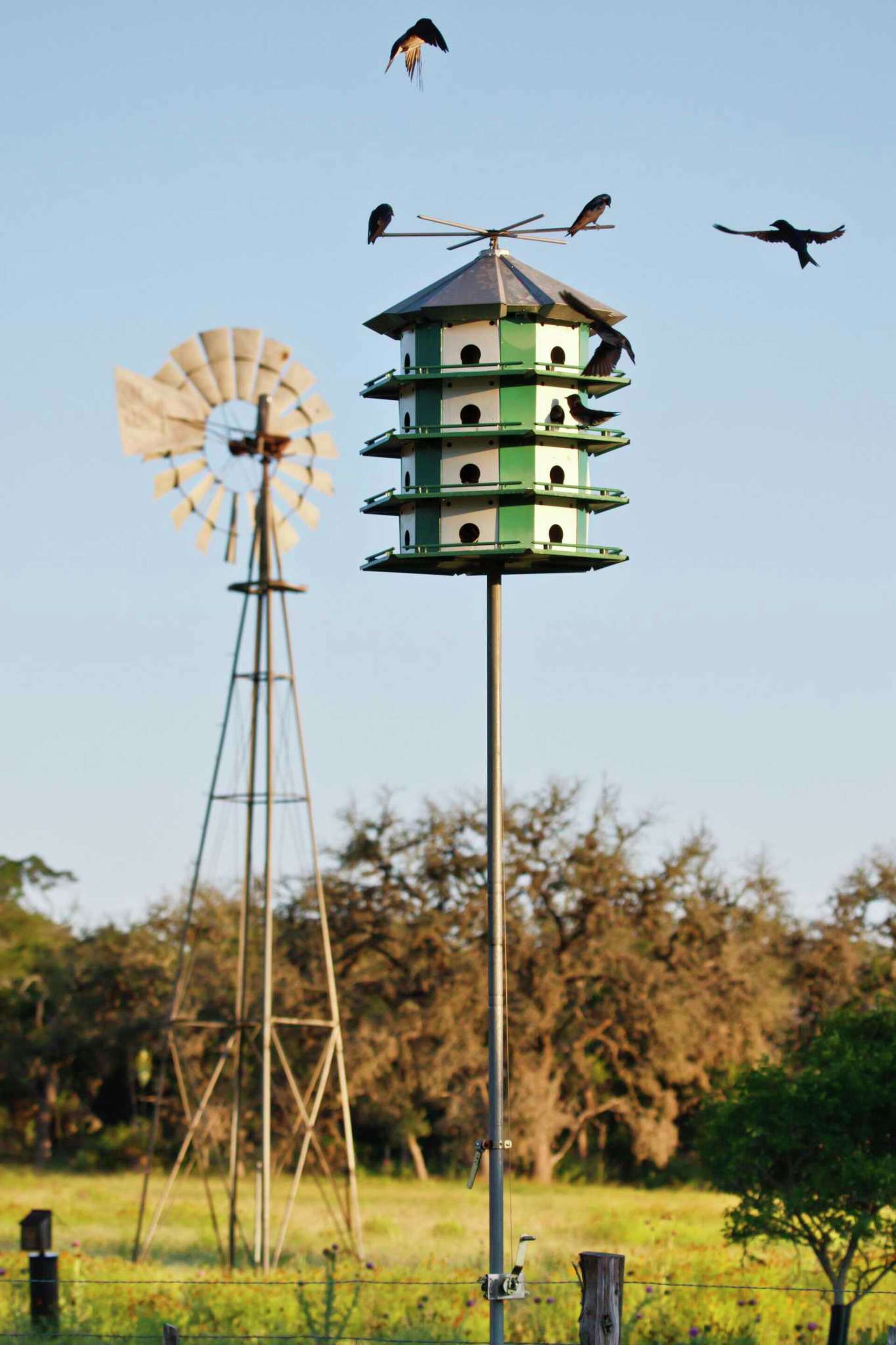
Credit: www.expressnews.com
Choosing The Right Housing
Attracting purple martins starts with the right housing. These birds need safe and suitable homes to nest.
Choosing the best house helps purple martins feel secure and encourages them to stay near your yard.
Types Of Martin Houses
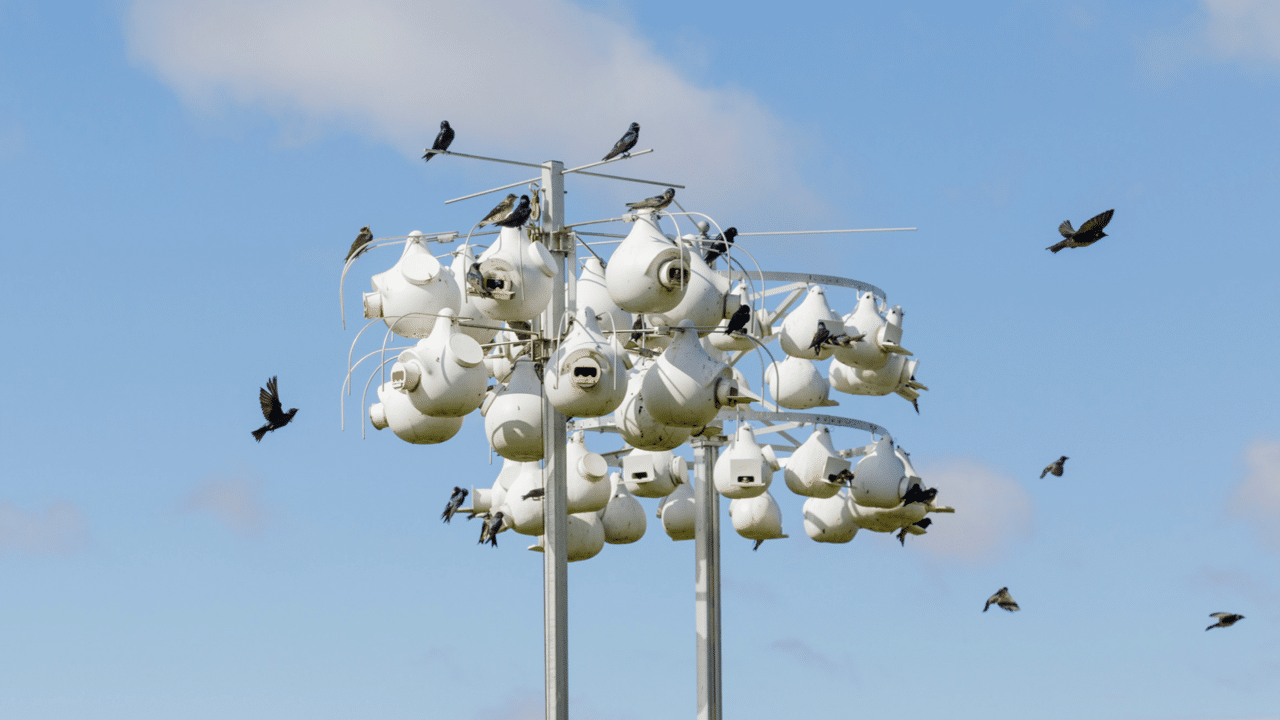
Different martin houses suit different needs. You can pick from gourds, wood houses, or multi-compartment houses.
Each type offers good shelter, but some are easier to clean or attract more birds.
- Gourds:Natural or plastic, gourds are lightweight and easy to hang.
- Wood Houses:Made from wood, these are sturdy and last long.
- Multi-compartment Houses:These have several rooms for many birds to nest.
Ideal Placement And Height
Place martin houses in open areas away from trees and busy spots. This helps birds see danger early.
Mount houses 10 to 15 feet above the ground. This height keeps birds safe from predators.
- Use a pole or mount that is stable and easy to clean around.
- Face the house openings away from prevailing winds.
- Keep the area clear of obstructions for easy flight access.
Installing And Maintaining Houses
Attracting purple martins starts with good housing. You need safe and clean houses to draw these birds.
Proper installation and regular care keep the houses inviting and protect the birds.
Setup Tips
Place purple martin houses in open areas away from trees. They like clear flight paths.
Install the houses 10 to 15 feet above the ground on a sturdy pole. Make sure they face open spaces.
- Use a pole that allows the house to be raised and lowered
- Set houses away from predator perches like tall trees or wires
- Choose a spot with good sunlight but some afternoon shade
- Group multiple compartments together for social birds
Cleaning And Repairs
Clean the houses after the purple martins leave in fall. Remove old nests and debris.
Check for damage and fix any cracks or holes to keep predators out. Fresh paint can help protect wood.
- Use a mild bleach solution to sanitize the inside
- Replace damaged parts like perches or entrance holes
- Ensure ventilation holes are clear and not blocked
- Paint houses with light, non-toxic colors to reflect heat
Attracting Purple Martins
Purple Martins are beautiful birds that enjoy living near people. You can help attract them to your yard.
They like safe places to nest and good food nearby. Providing these makes them visit often.
Using Decoys And Sounds
Decoys look like real birds and can invite Purple Martins to come close. Sounds of their calls also attract them.
Place decoys near nesting houses. Play recorded Purple Martin songs during the day to catch their attention.
- Put decoys on top of birdhouses
- Play calls softly in the morning and evening
- Move decoys occasionally to seem natural
Food And Water Sources
Purple Martins eat flying insects like beetles and dragonflies. You can help by providing clean water and plants that attract insects.
Offer shallow water dishes for drinking and bathing. Plant native flowers to bring more bugs for the birds to eat.
- Use shallow birdbaths with fresh water
- Keep water clean and refill often
- Plant flowers that attract flying insects
- Avoid using pesticides near the area
Protecting Your Colony
Keeping your purple martin colony safe is important. Predators and competitors can harm or scare away your birds.
Use simple methods to protect your colony and help purple martins thrive in your yard.
Predator Deterrents
Birds face threats from snakes, raccoons, and hawks. You can use these ideas to keep predators away.
- Install baffles on poles to block climbing animals.
- Place your martin house high and away from trees.
- Use shiny objects like aluminum foil strips near the house to scare hawks.
- Check houses regularly for holes or weak spots.
Dealing With Competitors
Other birds like sparrows and starlings can take over martin houses. Watch for signs of these competitors.
| Competitor | Signs | Prevention |
| House Sparrows | Nests with thorny twigs | Remove nests early |
| European Starlings | Large bulky nests | Use starling-proof entry holes |
| Carolina Wrens | Small nests in corners | Close unused compartments |

Credit: m.youtube.com
Monitoring And Supporting Growth
Attracting purple martins requires careful monitoring and support. Watching their growth helps ensure they stay safe.
Supporting the birds encourages them to return and build nests year after year.
Tracking Nesting Activity
Check nesting sites often to see if purple martins are settling in. Look for fresh nests and bird activity.
Note the number of eggs and hatchlings to track growth. This helps you understand how well the birds are doing.
- Inspect nests from a distance to avoid disturbance
- Record dates when eggs appear and hatch
- Watch for signs of predators or problems
- Keep a log of bird numbers each week
Encouraging Return Visits
Make the habitat welcoming for purple martins. Provide clean, safe housing and fresh water nearby.
Maintain the birdhouses well. Fix damage and clean out old nesting material each season.
- Place houses in open areas away from trees
- Keep birdhouses at least 10 feet off the ground
- Offer fresh water for drinking and bathing
- Use predator guards to protect nests
- Remove invasive species or pests near the site

Credit: conservationcatalyst.org
Frequently Asked Questions
How Do I Attract Purple Martins To My Yard?
Provide a multi-compartment birdhouse with proper ventilation. Place it in an open area away from trees. Offer fresh water and avoid using pesticides nearby.
What Is The Best Time To Attract Purple Martins?
Early spring is ideal for attracting Purple Martins. They arrive during migration to establish nesting sites. Set up housing before they return.
What Food Attracts Purple Martins The Most?
Purple Martins primarily eat flying insects like mosquitoes and beetles. Avoid feeding them seeds or bread. Encourage natural insect populations in your yard.
How High Should Purple Martin Houses Be Installed?
Install Purple Martin houses 10 to 15 feet above ground. Ensure the location is clear of obstructions and predators. Higher placement increases nesting success.
Conclusion
Attracting purple martins can be a rewarding experience. Provide them with safe, inviting homes. Choose open spaces for their colonies. Maintain clean birdhouses to keep them coming back. Offer food and water nearby to meet their needs. Enjoy watching these beautiful birds grace your backyard.
Their presence will bring joy and life to your space. Remember, patience is key in this process. With dedication, your efforts will pay off. Soon, your garden will be filled with these charming visitors. Embrace the journey and enjoy their company.