Have you ever wished to see colorful birds fluttering around you while you’re in the mountains? Imagine waking up to the cheerful songs of birds right outside your window.
Attracting birds to your mountain spot is easier than you think. With a few simple steps, you can create a welcoming space that draws these beautiful creatures closer. You’ll discover practical tips that will make your mountain retreat come alive with birdlife.
Ready to turn your outdoor space into a bird magnet? Keep reading to learn how!

Credit: www.yahoo.com
Choosing The Right Location
Finding the right spot is key to attract birds in the mountains. Birds look for safe places with food and shelter. Picking a good location helps you see more birds and enjoy their presence.
Mountain environments change a lot. You must notice where birds like to stay and what they need through the year. This helps you choose spots that match their habits.
Identifying Bird-friendly Habitats
Birds in mountains prefer habitats with food, water, and cover. Look for places with native plants and trees. These provide seeds, berries, and insects for birds to eat. Water sources like streams or ponds attract more birds.
- Forest edges with dense shrubs
- Open meadows with wildflowers
- Near fresh water sources
- Areas with fallen logs or rocks
- Places with minimal human disturbance
Seasonal Considerations In Mountains
Bird presence in mountains changes with the seasons. Some birds migrate, while others stay all year. Weather and food availability shift during the year. Knowing these changes helps pick the best times and places to see birds.
| Season | Bird Activity | Location Tips |
| Spring | Many birds arrive to breed | Look for nesting areas in shrubs and trees |
| Summer | High insect activity feeds young birds | Visit meadows and forest edges |
| Fall | Birds gather food for migration | Find berry-rich bushes and fruit trees |
| Winter | Resident birds stay in sheltered spots | Check evergreen forests and sheltered valleys |
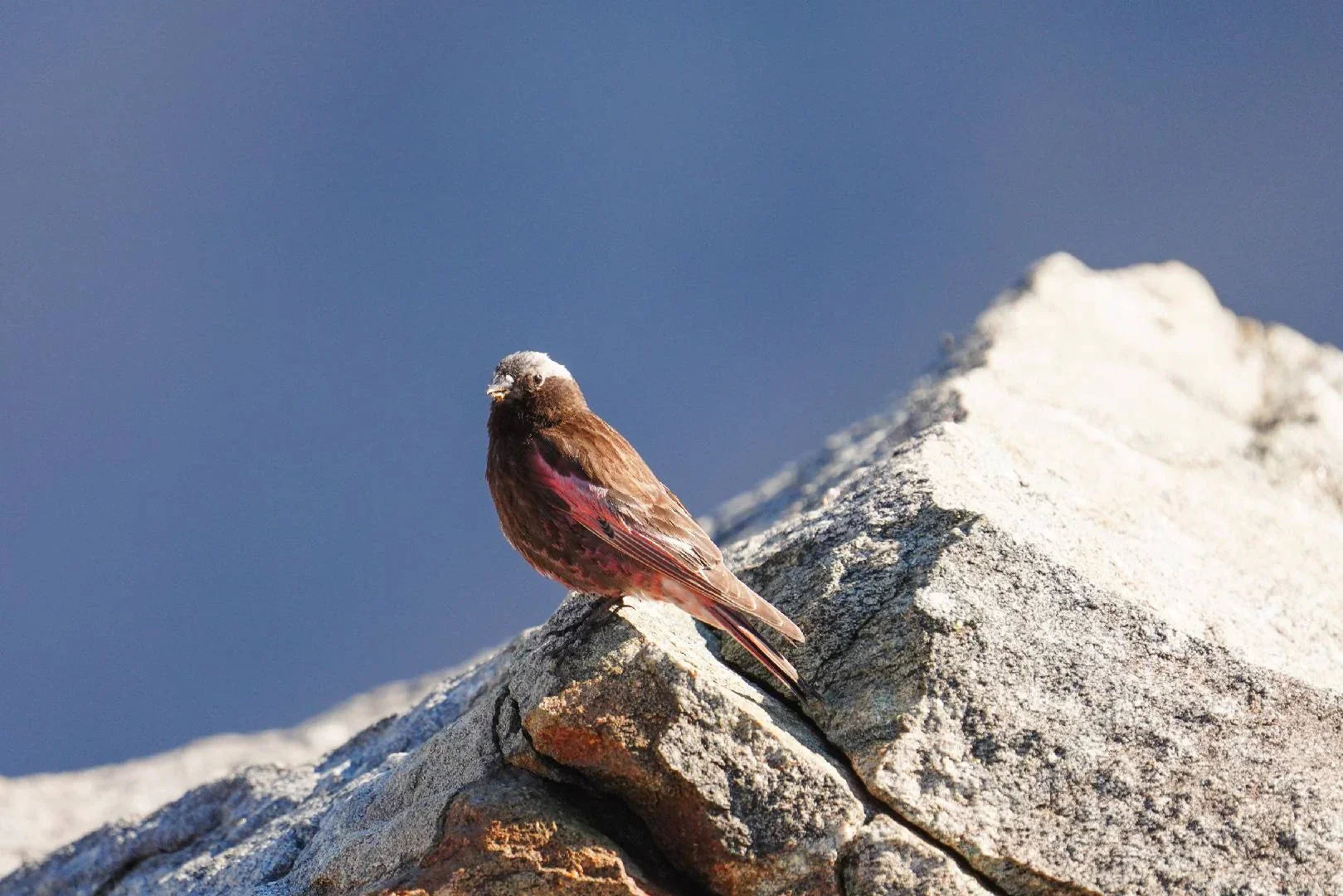
Credit: www.birdfy.com
Setting Up Bird Feeders
Attracting birds in mountain areas requires the right setup. Bird feeders provide food and shelter. This helps birds feel safe and come often.
Choosing the right feeder and food can make a big difference. Mountain birds have specific needs to stay healthy and active.
Types Of Feeders For Mountain Birds
Different feeders suit different bird species. Some feeders keep food dry, while others allow easy access. Choose feeders that fit mountain bird habits.
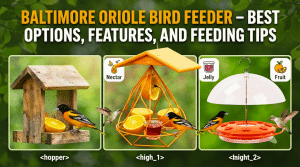
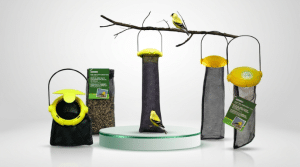
- Tube Feeders:Hold seeds and allow small birds to perch.
- Suction Cup Feeders:Attach to windows for close bird watching.
- Platform Feeders:Flat surfaces that attract many bird types.
- Hopper Feeders:Store large amounts of seed and protect it from rain.
- Nectar Feeders:Ideal for hummingbirds common in some mountain regions.
Best Bird Food For Mountain Species
Mountain birds eat a variety of seeds, nuts, and fruits. Providing the right food helps them stay strong through cold months.
| Food Type | Bird Species | Notes |
|---|---|---|
| Black Oil Sunflower Seeds | Finches, Chickadees | High energy, easy to eat |
| Nyjer Seed | Goldfinches, Siskins | Small seeds for tiny birds |
| Peanuts (unsalted) | Woodpeckers, Jays | Good protein source |
| Suet Cakes | Woodpeckers, Nuthatches | Great for cold weather |
| Fruit Pieces | Thrushes, Grosbeaks | Fresh or dried fruit attracts many |
Creating Natural Water Sources
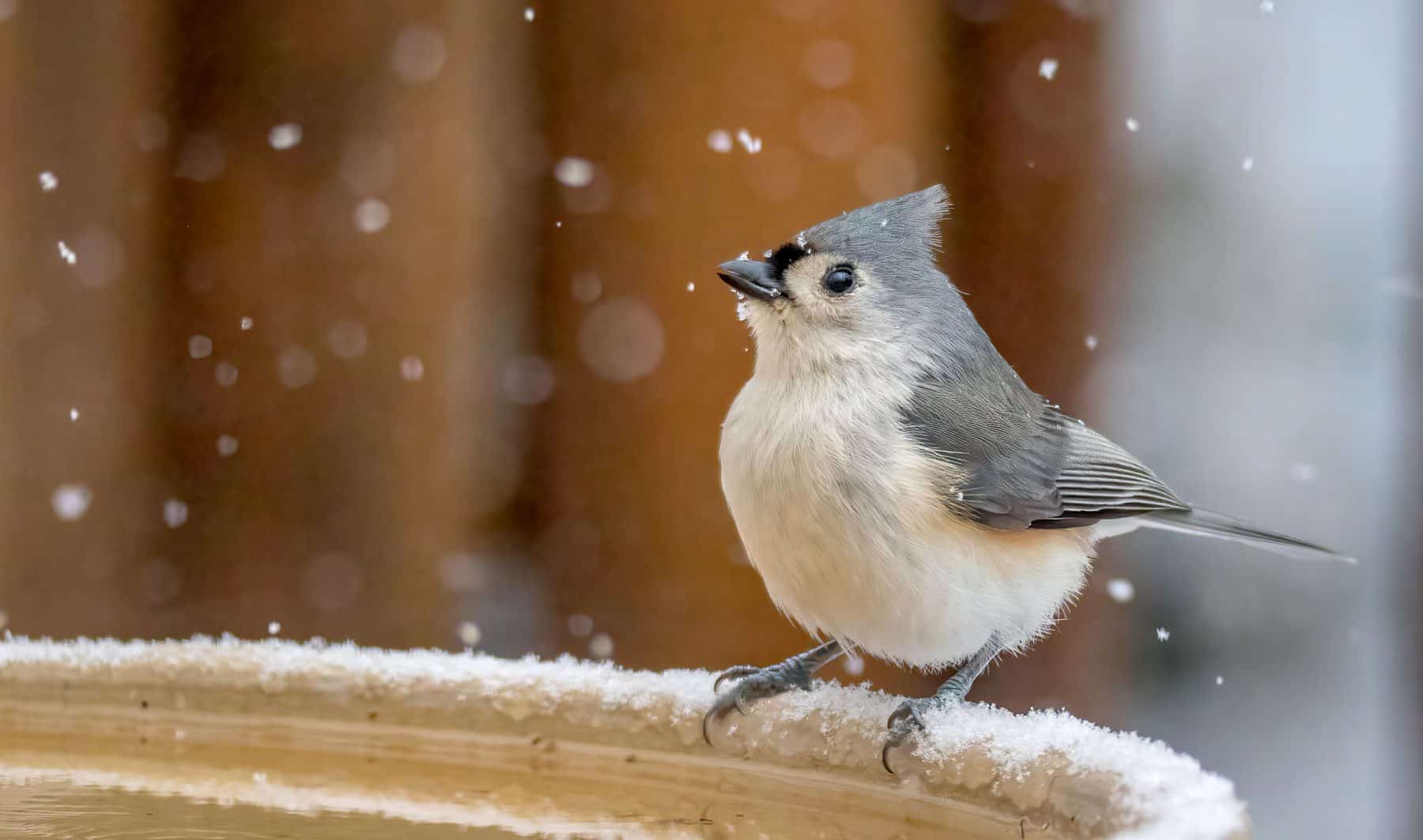
Birds need water for drinking and bathing. In mountain areas, natural water sources may be scarce. Creating safe water spots helps attract many bird species.
Setting up natural water sources supports birds’ survival. It also adds beauty to your mountain garden or trail.
Building Bird Baths In Mountain Areas
Choose a shallow container to build a bird bath. Use natural materials like stone or wood to blend with the mountain environment. Place the bath in a quiet, sheltered spot.
- Pick a basin about 1 to 2 inches deep
- Set the bath on a stable surface or pedestal
- Keep it near shrubs or trees for cover
- Add small stones for birds to perch on
- Ensure the bath is visible to birds flying nearby
Maintaining Water Quality
Clean water keeps birds healthy. Change the water often and remove leaves or dirt. Avoid using soaps or chemicals that can harm birds.
| Maintenance Task | How Often |
| Change water | Every 2 days |
| Remove debris | Daily |
| Clean basin with brush | Weekly |
Planting Native Flora
Planting native plants helps attract birds to mountain areas. These plants provide food and shelter for local bird species.
Native flora supports the natural ecosystem and encourages birds to visit your garden or outdoor space.
Selecting Plants That Attract Birds
Choose plants that produce berries, seeds, or nectar. These foods are important for many mountain birds.
Pick plants that bloom at different times. This ensures birds have food all year long.
- Berry-producing shrubs like serviceberry and elderberry
- Seed-rich plants such as coneflowers and sunflowers
- Nectar plants like columbine and penstemon
- Evergreen trees for shelter and nesting
Designing Bird-friendly Gardens
Create layers of plants to give birds places to hide and rest. Use trees, shrubs, and ground cover together.
Include water sources like birdbaths or small ponds. Clean water attracts birds and helps them stay healthy.
- Plant in clusters for easier feeding
- Provide safe spots away from predators
- Avoid pesticides that can harm birds
- Add nesting boxes for extra shelter
Providing Shelter And Nesting Spots
Birds in mountain areas need safe places to rest and raise their young. Providing good shelter helps attract many types of birds.
Shelter and nesting spots protect birds from weather and predators. You can help by adding birdhouses and keeping natural cover.
Installing Birdhouses
Birdhouses give birds a secure place to build nests. Choose birdhouses that fit the size of local birds.
- Place birdhouses 6 to 15 feet above the ground.
- Face the entrance away from wind and rain.
- Use untreated wood to avoid chemicals.
- Clean birdhouses yearly to prevent disease.
- Install birdhouses near natural food sources.
Preserving Natural Cover
Natural plants and trees give birds shelter and nesting spots. Keep bushes and trees intact around your area.
| Type of Natural Cover | Benefit for Birds |
| Evergreen Trees | Provide year-round shelter |
| Dense Shrubs | Offer hiding spots from predators |
| Leaf Litter | Good for ground-nesting birds |
| Dead Trees | Supply nesting holes |
Minimizing Disturbances
Birds in mountains are easily scared by loud sounds and many people. To attract them, keep the area calm and quiet. This helps birds feel safe and comfortable.
Reducing disturbances lets birds stay longer and visit often. Careful actions help you enjoy watching birds without causing stress.
Avoiding Loud Noises
Loud noises scare birds away quickly. Talking loudly, playing music, or sudden sounds make birds fly off. Keep your voice low and avoid noisy devices.
Try to stay quiet near bird habitats. Use soft steps and avoid hitting branches or rocks. This keeps the place peaceful for birds.
- Speak softly when near birds
- Turn off radios and music
- Walk gently to avoid noise
- Use binoculars to watch silently
Limiting Human Traffic
Too many people make birds nervous. Crowds near nests or feeding spots cause birds to leave. Visit bird areas in small groups or alone.
Choose less busy trails and avoid popular bird spots during breeding seasons. This reduces stress on birds and protects their homes.
- Visit in small groups
- Use quiet, less traveled paths
- Avoid bird areas in breeding time
- Stay on marked trails only
Using Bird Calls And Sounds
Using bird calls and sounds can help attract birds in mountain areas. Birds respond to familiar sounds that signal food, mates, or territory.
Playing these sounds carefully can bring birds closer for observation or photography. It is important to use calls responsibly.
Attracting Birds With Audio
Birds hear calls from other birds and may come to investigate. Use recordings of local bird species to attract them.
Start with soft sounds and increase volume slowly. Avoid loud or constant noises that scare birds away.
- Use calls of birds that live in the mountain area
- Play calls during early morning or late afternoon
- Keep sound sessions short to avoid stress
- Observe quietly once birds arrive
Ethical Considerations
Using bird calls must not harm the birds. Avoid playing sounds that cause panic or disrupt natural behavior.
Respect wildlife laws and local guidelines. Stop playing calls if birds show signs of distress or leave the area.
- Do not overuse bird calls in one location
- Avoid playing calls during nesting season
- Use recordings from reputable sources only
- Keep a safe distance from birds at all times

Credit: www.yahoo.com
Monitoring And Recording Bird Visits
Watching birds in the mountains is a fun and peaceful activity. To learn more, it helps to monitor and record their visits. This way, you can see patterns and understand their habits.
Tracking birds gives you a chance to notice different species and changes over time. It also makes your bird watching more rewarding and educational.
Keeping A Bird Journal
A bird journal helps you write down what you see. It keeps your observations clear and organized. You can note the date, time, and type of bird.
- Write the bird’s name or description
- Record the number of birds seen
- Note the weather and time of day
- Describe the bird’s behavior and sounds
- Sketch or attach photos if possible
Review your journal often to spot trends. This will improve your bird watching skills and help you attract more birds.
Using Technology For Bird Watching
Technology makes it easier to track and study birds. You can use apps, cameras, and recording devices to capture bird visits.
| Tool | Purpose |
| Smartphone app | Identify bird species |
| Trail camera | Take photos without disturbing birds |
| Voice recorder | Record bird calls and songs |
| GPS device | Mark locations of bird sightings |
Combine technology with your journal. This creates a detailed record of your mountain bird visits. It also helps share your findings with others.
Frequently Asked Questions
What Are The Best Plants To Attract Mountain Birds?
Native berry-producing shrubs and wildflowers attract mountain birds. They provide food and shelter, encouraging diverse bird species to visit your area.
How Can I Create A Bird-friendly Habitat In Mountains?
Offer fresh water, native plants, and safe nesting spots. Avoid pesticides to maintain a healthy environment for mountain birds.
What Types Of Bird Feeders Work Best In Mountains?
Use suet feeders, tube feeders, and platform feeders. Choose feeders that withstand mountain weather and attract local bird species.
When Is The Best Time To Attract Birds In Mountains?
Early morning and late afternoon are ideal. Birds are most active during these cooler, quieter parts of the day.
Conclusion
Attracting birds in the mountains can be simple and rewarding. Start by providing food and water sources. Create safe spaces for nesting. Use native plants to offer shelter. Keep feeders clean to ensure bird health. Be patient and observe their habits.
Enjoy the beauty and songs they bring. This connection to nature enriches your outdoor experience. Remember, every small effort helps birds thrive. Your mountain space becomes a lively sanctuary. Watch as it fills with vibrant colors and melodies. Happy birdwatching!