
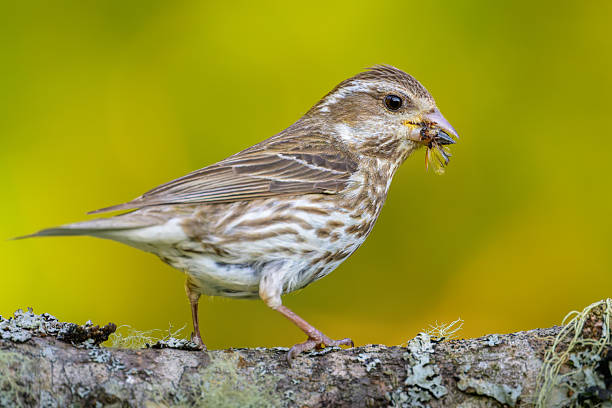
Have you ever wondered which birds help keep pesky insects away from your garden or home? Knowing which bird eats insects can change the way you see these feathered friends.
Not only do they add life and color to your surroundings, but they also play a crucial role in controlling bugs naturally. If you want to attract these helpful birds and create a healthier environment, understanding their eating habits is the first step.
Keep reading, and you’ll discover the top insect-eating birds and how they can benefit your space in surprising ways.
Birds That Feast On Insects
Many birds rely on insects as a main part of their diet. Insects provide important protein and nutrients. These birds help control insect populations in nature.
Insect-eating birds live in many habitats. They catch insects in the air, on plants, or on the ground. Let’s learn about some common birds that eat insects.
Swallows
Swallows are small birds that catch flying insects. They have long wings and swift flight. Swallows eat flies, mosquitoes, and other small bugs.
Woodpeckers
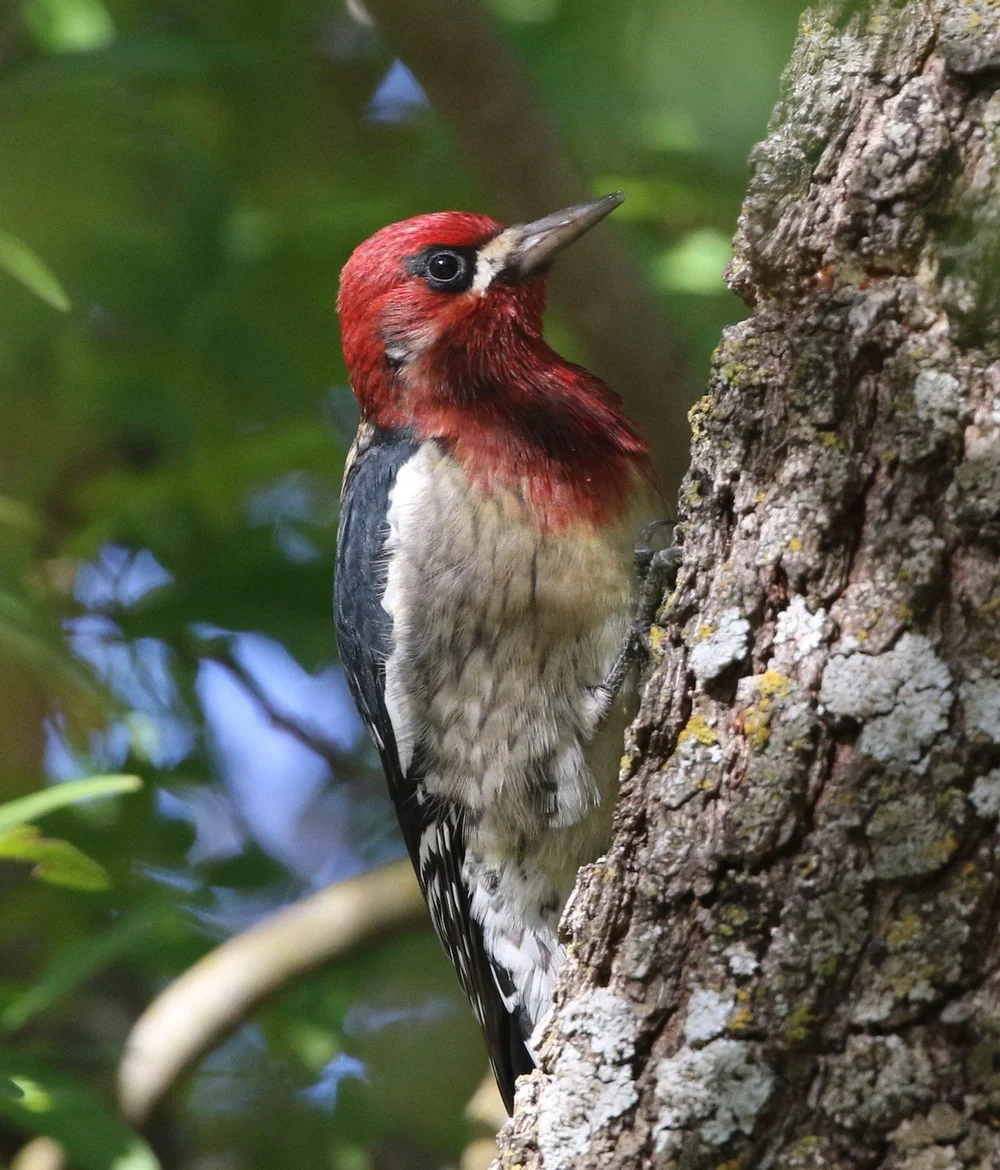
Woodpeckers use their strong beaks to find insects in tree bark. They eat ants, beetles, and larvae. Their pecking helps trees stay healthy by removing pests.
Warblers
Warblers are small songbirds that eat many insects. They search leaves and branches for caterpillars, spiders, and aphids. Their bright colors make them easy to spot.
Birds That Eat Insects And Their Favorite Prey
| Bird | Common Insect Prey |
| Swallow | Flies, Mosquitoes, Midges |
| Woodpecker | Ants, Beetle Larvae, Termites |
| Warbler | Caterpillars, Spiders, Aphids |
| Flycatcher | Dragonflies, Grasshoppers, Flies |
| Bluebird | Beetles, Crickets, Caterpillars |
How Birds Catch Insects
- Swallows catch insects while flying fast.
- Woodpeckers peck bark to find hidden bugs.
- Warblers pick insects from leaves and branches.
- Flycatchers wait on a perch and then dart out to catch insects.
- Bluebirds hunt insects on the ground or in low plants.
These birds help farmers by eating harmful insects. They reduce the need for pesticides. Insect-eating birds also support healthy ecosystems by balancing insect populations.
Common Insect-eating Bird Species
Many birds eat insects as a major part of their diet. These birds help control insect populations in nature. They use different ways to catch their prey.
This article looks at some common insect-eating birds and how they find their food. Learn about their special habits and roles in the environment.
Swallows And Their Feeding Habits
Swallows catch insects while flying. They have long wings and tails that help them move quickly. They often feed on flies, mosquitoes, and beetles.
Warblers: Tiny Insect Hunters
Warblers are small birds that search for insects in trees and bushes. They eat caterpillars, aphids, and spiders. Warblers are very active and always moving.
Flycatchers And Their Unique Techniques
Flycatchers use a special method to catch insects. They sit still and watch for flying bugs. When they see one, they quickly fly out and catch it in the air.
- They catch flies and moths.
- Flycatchers return to the same perch after hunting.
- They eat insects like ants and wasps too.
Woodpeckers’ Role In Pest Control
Woodpeckers find insects hiding in tree bark. They use their strong beaks to peck wood and reach the pests. This helps keep forests healthy by reducing harmful bugs.
| Woodpecker Species | Common Insects Eaten |
| Downy Woodpecker | Beetle larvae, ants |
| Hairy Woodpecker | Termites, caterpillars |
| Pileated Woodpecker | Carpenter ants, wood-boring beetles |
Wrens: Small Birds, Big Appetite
Wrens are small but eat many insects. They search in bushes and leaf piles. Wrens feed on spiders, beetles, and flies. They help control insect numbers in gardens and forests.
Habitats Favoring Insectivorous Birds
Insectivorous birds eat insects as their main food. They live in many habitats that provide plenty of insects to catch.
Different habitats offer different types of insects and shelter. This helps insect-eating birds find food and stay safe.
Forests And Woodlands
Forests and woodlands have many trees and plants. They host many insects for birds to eat.
Birds like woodpeckers and warblers find insects in tree bark and leaves. The dense trees give them good shelter.
Wetlands And Marshes
Wetlands and marshes are wet areas with lots of plants. They have many flying insects and larvae in the water.
Birds such as swallows and red-winged blackbirds catch insects near water. The wet plants attract many bugs.
Grasslands And Meadows
Grasslands and meadows have tall grasses and flowers. These areas are full of insects like grasshoppers and beetles.
Insectivorous birds such as meadowlarks and sparrows hunt insects on the ground and in the grass.
Urban Environments
Urban areas have parks, gardens, and trees. These places attract insects like flies and ants.
Birds like house sparrows and chickadees feed on insects found in city green spaces and near buildings.

Credit: chicagobirdalliance.org
Benefits Of Insect-eating Birds
Insect-eating birds play an important role in nature. They help control insects that can harm plants and crops. These birds keep the environment healthy and balanced.
Understanding how these birds benefit the ecosystem helps us protect them. Their presence supports many natural processes.
Natural Pest Control
Birds that eat insects reduce pest numbers naturally. This lowers the need for chemical pesticides in farms and gardens. They eat harmful insects like caterpillars, beetles, and aphids.
- Protect crops from insect damage
- Help gardeners keep plants healthy
- Reduce chemical use in farming
- Prevent insect outbreaks
Maintaining Ecological Balance
Insect-eating birds keep the insect population in check. This balance supports other animals and plants. Without them, some insects could grow too many and harm the environment.
| Role | Effect |
| Birds eat insects | Control insect numbers |
| Controlled insects | Help plants grow well |
| Healthy plants | Support other wildlife |
Supporting Biodiversity
Birds that eat insects help many species survive. They create a healthy habitat for insects, plants, and animals. This diversity makes ecosystems stronger and more stable.
- Keep insect species balanced
- Provide food for other animals
- Help pollinate plants indirectly
- Maintain healthy soil through insect control
Attracting Insect-eating Birds To Your Garden
Insect-eating birds help keep your garden healthy. They eat pests that damage plants. Attracting these birds can reduce the need for chemicals.
To bring insect-eating birds, you need to create a welcoming space. Use plants, water, shelter, and avoid harmful substances.
Planting Native Flora
Native plants support local insects that birds feed on. They grow well and need less care. Choose a mix of flowers, shrubs, and trees to provide food and cover.
- Plant flowering plants that attract caterpillars and beetles
- Include shrubs with berries for extra food
- Choose trees that host insects on their leaves
- Use plants that bloom at different times for year-round food
Providing Water Sources
Birds need fresh water for drinking and bathing. A small birdbath or shallow dish works well. Keep water clean and change it often to prevent mosquitoes.
| Water Source | Benefits |
| Birdbath | Easy to clean and refill |
| Small pond | Supports more wildlife |
| Dripping faucet | Attracts birds with sound |
| Shallow dish | Safe for small birds |
Creating Bird-friendly Habitats
Birds need shelter and places to nest. Provide dense shrubs, trees, and brush piles. Avoid clearing all dead wood; it hosts insects birds eat.
Habitat Tips
- Leave leaf litter for insects
- Use native plants for natural cover
- Install nest boxes for small birds
- Keep pets away from nesting areas
Avoiding Pesticides
Pesticides kill insects birds need for food. Use natural pest control methods. Handpick pests or introduce helpful insects like ladybugs. This keeps your garden safe for birds.
Credit: www.sacramentoaudubon.org

Credit: www.istockphoto.com
Frequently Asked Questions
Which Common Birds Eat Insects Regularly?
Many common birds like robins, swallows, and sparrows eat insects regularly. These birds rely on insects for protein and energy, especially during breeding seasons. Insect-eating helps control pest populations naturally in gardens and farms.
How Do Insect-eating Birds Find Their Prey?
Insect-eating birds use keen eyesight and quick reflexes to spot moving insects. They often catch insects mid-air or pick them off leaves and bark. Some species also listen for insect sounds to locate hidden prey.
What Types Of Insects Do Birds Typically Eat?
Birds commonly eat ants, beetles, flies, caterpillars, and spiders. The choice depends on the bird species and the availability of insects in their habitat. Insect-eating birds help keep harmful insect populations balanced.
Are Insect-eating Birds Beneficial For Gardens?
Yes, insect-eating birds are excellent natural pest controllers in gardens. They reduce harmful insect numbers, protecting plants from damage. Encouraging these birds helps maintain a healthy garden ecosystem without chemical pesticides.
Conclusion
Birds play a crucial role in controlling insect populations. Many species, like swallows and sparrows, thrive on insects. They hunt them for food, keeping nature balanced. These birds contribute to a healthy ecosystem. By eating insects, they reduce pests in gardens and farms.
This helps crops grow better and supports biodiversity. Observing these birds can be both educational and enjoyable. Next time you see a bird, remember its role in nature. Protecting their habitats ensures they continue helping our world. Let’s appreciate the wonders these birds bring to our lives.


