Have you ever wondered what it feels like to witness nature’s most delicate moments up close? Bird nesting tourism offers you a unique chance to see birds building their homes, caring for their young, and living their lives in ways you rarely get to observe.
Imagine standing quietly, surrounded by the sounds of chirping and fluttering wings, feeling connected to the natural world like never before. This experience isn’t just beautiful—it can change how you see wildlife forever. Keep reading to discover how you can enjoy bird nesting tourism responsibly, and why it might be the next unforgettable adventure waiting for you.

Credit: www.safaribookings.com
Bird Nesting Tourism Appeal
Bird nesting tourism offers a unique way to connect with nature. Visitors watch birds build nests and care for their young.
This type of tourism attracts people who love wildlife and want peaceful outdoor experiences.
Unique Experiences For Nature Lovers
Watching birds build nests is a rare experience. Tourists see different bird species and their behaviors up close.
These tours teach visitors about bird life and the importance of protecting habitats.
- Observe birds collecting materials
- Learn about bird parenting habits
- Enjoy quiet time in natural settings
Seasonal Nesting Patterns
Bird nesting happens mainly in spring and early summer. Different birds nest at different times and places.
Tourists should plan visits during peak nesting seasons for the best viewing.
- Spring: Most songbirds start nesting
- Early summer: Young birds hatch and grow
- Late summer: Birds prepare to leave nests
Popular Destinations
Some places are famous for bird nesting tourism. These spots have many bird species and safe habitats.
Visitors can find guided tours and viewing hides in these areas.
- The Amazon Rainforest – many exotic birds
- Florida Everglades – water birds and raptors
- Yellowstone National Park – diverse bird life
- Galápagos Islands – unique species and nests
Types Of Bird Nests To See
Bird nests come in many shapes and sizes. They reflect the habits and environments of different birds.
Exploring bird nests helps us learn about bird life and nature. Some nests are easy to spot, while others are hidden well.
Ground Nests
Many birds build nests on the ground. These nests are often simple and well-camouflaged.
- Killdeer birds make shallow scrapes in gravel or sand.
- Ostriches build large nests by scraping dirt.
- Some ducks nest near water on soft ground.
Tree Nests
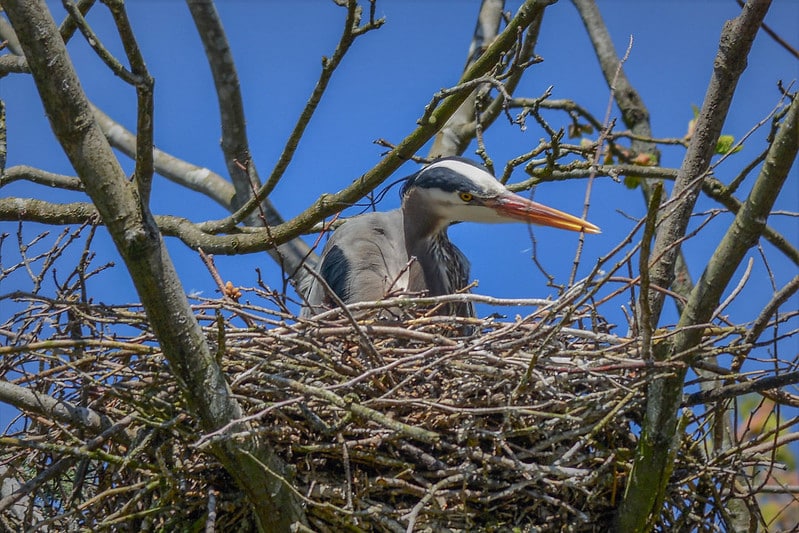
Tree nests vary a lot. Birds use twigs, leaves, and mud to build them high in branches.
| Bird Type | Nest Material | Location |
| Songbirds | Twigs and grass | Fork of tree branches |
| Woodpeckers | Holes dug in tree trunks | Inside dead or live trees |
| Swallows | Mud and plant fibers | Under eaves or branches |
Cliff And Cavern Nests
Some birds prefer cliffs or caves. Their nests protect them from predators and weather.
Birds that nest on cliffs and in caves include:
- Peregrine falcons that use ledges on tall cliffs
- Swifts nesting in dark cave walls
- Sea birds like puffins in cliff burrows
Best Times To Visit
Bird nesting tourism offers a unique chance to see birds in their natural homes. Picking the right time to visit helps you enjoy the best sights and sounds of bird life.
Understanding bird behavior and local weather helps you plan your trip well. The following sections explain when to visit for the best experience.
Breeding Seasons
Breeding seasons are the best time to watch birds build nests and care for their young. This period varies by species and location.
- Spring is often the main breeding time for many birds.
- Some tropical birds breed during the rainy season.
- Observe quietly to avoid disturbing nesting birds.
Migration Periods
Migration periods bring many birds to different areas. You can see species that are not present year-round during these times.
| Migration Period | Typical Months | Bird Types |
| Spring Migration | March to May | Songbirds, Raptors |
| Fall Migration | August to November | Ducks, Geese, Shorebirds |
Local Climate Considerations
Local weather affects bird behavior and your comfort. Dry and mild seasons often provide better conditions for bird watching.
Important climate tips:
- Avoid heavy rain seasons to see more active birds.
- Early mornings are cooler and quieter for bird activity.
- Check local weather forecasts before planning your visit.
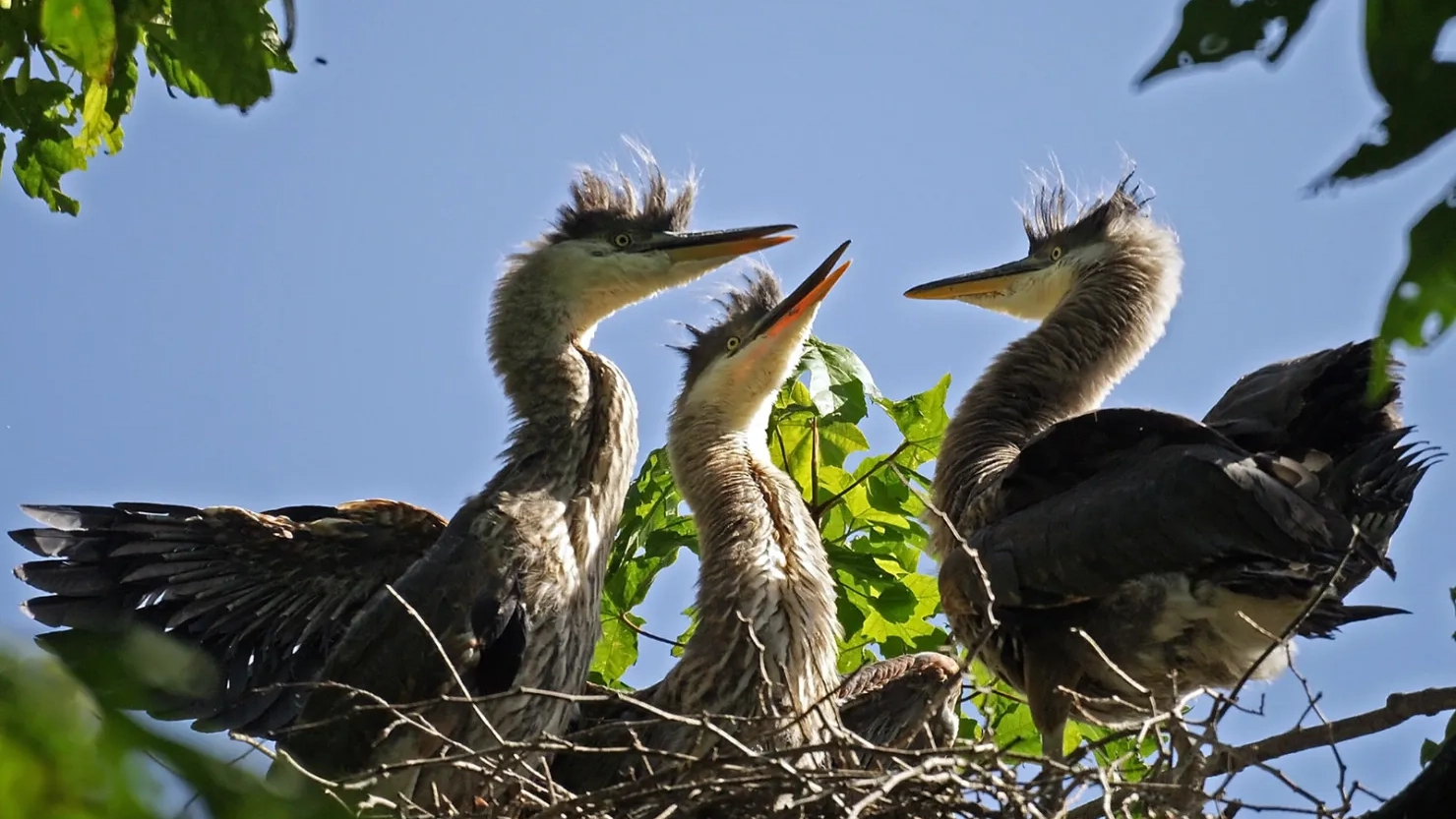
Credit: www.destinationvancouver.com
Responsible Bird Nesting Tourism
Bird nesting tourism lets people see birds in their natural homes. It helps people learn about birds and their habitats.
It is important to protect the birds and their nests during visits. Responsible tourism keeps birds safe and supports nature.
Minimizing Disturbance
Keep a safe distance from nests to avoid scaring birds. Move slowly and quietly near nesting areas. Avoid touching or moving nests or eggs.
- Use binoculars to watch birds from afar
- Stay on marked paths and trails
- Do not make loud noises
- Avoid flash photography
Following Local Regulations
Local rules protect birds and their homes. Follow signs and guidelines at bird nesting sites. Always get permission if needed before entering protected areas.
| Regulation | Reason |
| Stay outside restricted zones | Protect sensitive nests |
| No feeding birds | Keep birds healthy and natural |
| Limit group size | Reduce stress on birds |
| Follow seasonal visit times | Avoid nesting disruption |
Supporting Conservation Efforts
You can help protect birds by supporting local conservation groups. Your visits can fund habitat protection and education programs.
Ways to support conservation:
- Donate to bird protection projects
- Join guided tours led by experts
- Volunteer for habitat clean-up
- Share knowledge about bird safety
Essential Gear And Preparation
Bird nesting tourism lets you see birds in their natural homes. Good gear helps you enjoy the trip safely.
Prepare well to protect both yourself and the birds. Bring the right tools and clothes for the trip.
Optics And Cameras
Clear optics let you see birds without disturbing them. Binoculars and cameras with zoom are best for this.
- Use binoculars with at least 8x magnification
- Choose a camera with a telephoto lens
- Bring extra batteries and memory cards
- Use a tripod for steady shots
- Carry lens cleaning cloths
Clothing And Footwear
Wear clothes that keep you safe and comfortable. Dress in layers to adjust to weather changes.
| Item | Purpose |
| Lightweight jacket | Protects against wind and light rain |
| Long-sleeve shirts | Guards against sun and insects |
| Hiking boots | Supports feet on rough ground |
| Hat and sunglasses | Protects from sun |
| Gloves | Protect hands in cold or thorny areas |
Guided Tours Vs. Independent Travel
Guided tours offer expert help and safety. Independent travel gives freedom but needs more planning.
- Guided tours include a trained guide
- Independent travel requires self-navigation
- Tours often provide equipment and transport
- Travel alone if you know the area well
- Always follow local rules to protect birds
Capturing The Experience
Bird nesting tourism offers a unique chance to see birds in their natural homes. Visitors get close to nature and learn about bird life.
Capturing this experience helps preserve memories and spreads awareness about bird protection. There are many ways to do this well.
Photography Tips
Take clear photos without disturbing the birds. Use a zoom lens to capture details from a distance.
Early morning or late afternoon light gives the best colors. Keep your camera steady to avoid blurry images.
- Use silent mode to avoid noise
- Focus on the nest and surrounding environment
- Be patient and wait for natural bird behavior
Journaling And Observation
Write down what you see and hear during your visit. Note bird species, nest types, and behaviors.
Observing quietly helps you notice small details. Journals create a record to compare visits over time.
- Record dates and weather conditions
- Describe bird activities like feeding or building
- Sketch nests or birds if you can
Sharing Stories And Raising Awareness
Sharing your bird nesting stories helps others understand bird life. It can inspire care and protection for birds.
Use photos, journals, or talks to tell your experience. Clear and simple messages reach more people.
- Post photos with facts about the birds
- Join community groups focused on bird watching
- Encourage respect for bird habitats
Impact On Local Communities
Bird nesting tourism brings many changes to local communities. It affects their economy, culture, and daily life. Understanding these impacts helps plan better tourism activities.
This article looks at economic benefits, cultural connections, and challenges with solutions for bird nesting tourism.
Economic Benefits
Bird nesting tourism creates new jobs and income for local people. It supports small businesses like guides, food vendors, and lodging providers.
- Increased sales for local shops and markets
- Opportunities for community-based tour guides
- Boost in demand for local crafts and products
- Improved infrastructure due to tourism funds
Cultural Connections
Tourism helps preserve local culture by sharing traditions linked to bird nesting. Visitors learn about local stories and customs, building respect and interest.
| Aspect | Impact |
|---|---|
| Traditional Knowledge | Passed to younger generations through tourism activities |
| Community Pride | Strengthened by sharing cultural heritage with visitors |
| Language Use | Encouraged by interaction with tourists |
Challenges And Solutions
Bird nesting tourism can cause problems like habitat damage and cultural disruption. Communities need plans to handle these issues carefully.
- Limit visitor numbers to protect nesting sites
- Train guides to educate tourists about local rules
- Involve community members in decision-making
- Monitor environmental and social impacts regularly
- Promote respectful behavior among visitors
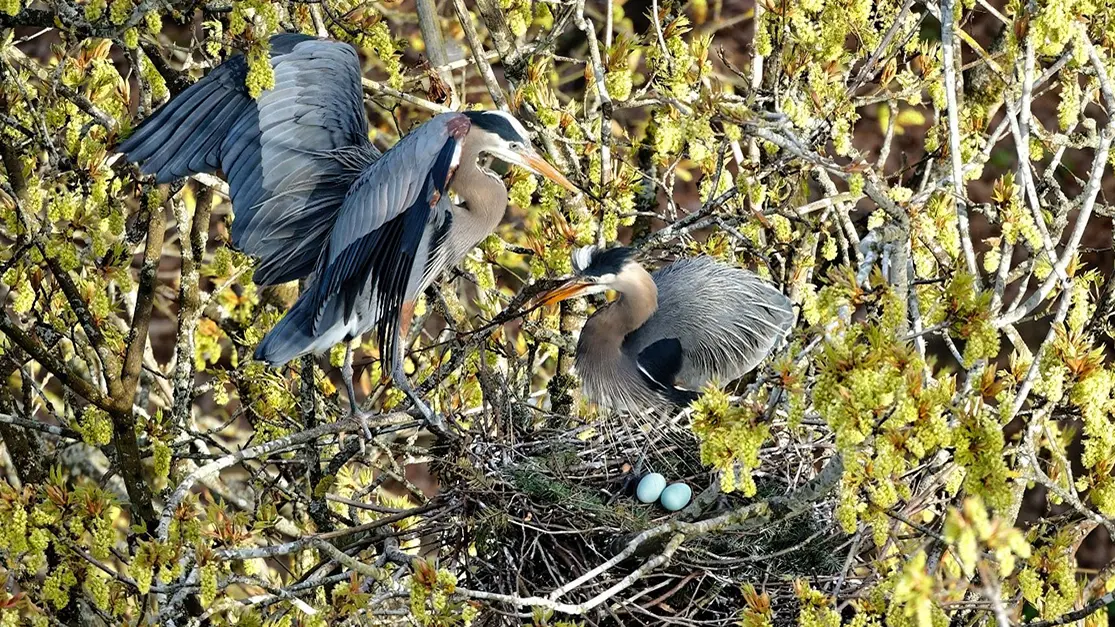
Credit: www.destinationvancouver.com
Frequently Asked Questions
What Is Bird Nesting Tourism?
Bird nesting tourism involves visiting natural habitats where birds build nests. Tourists observe bird species and nesting behaviors. It promotes wildlife appreciation and conservation awareness. This form of eco-tourism supports local economies and encourages habitat protection.
Which Birds Are Popular In Bird Nesting Tourism?
Popular birds include eagles, storks, herons, and ospreys. These species build visible nests in accessible locations. Bird watchers seek rare and migratory birds during nesting season. Each region has unique nesting bird species attracting tourists.
When Is The Best Time For Bird Nesting Tourism?
The best time is during the breeding season, usually spring to early summer. Birds actively build nests and care for chicks then. Timing varies by species and location. Planning trips around this period maximizes nesting observation opportunities.
How Does Bird Nesting Tourism Benefit Conservation?
It raises awareness about bird habitats and threats. Tourism funds support conservation projects and habitat restoration. Local communities gain incentives to protect nesting sites. Responsible tourism reduces poaching and habitat destruction risks.
Conclusion
Bird nesting tourism offers a unique glimpse into nature’s wonders. Visitors can enjoy observing diverse bird species. It’s a peaceful and educational experience for all ages. Remember to respect and protect these natural habitats. Sustainable practices ensure these sites remain vibrant for future visits.
Embrace this opportunity to connect with nature’s beauty. Birdwatching can be a calming escape from daily life. So, plan your trip and enjoy the serenity. Discovering these nesting sites enhances our appreciation for wildlife. Happy birdwatching!