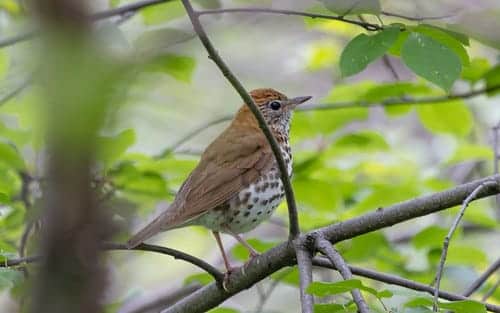
If you love watching birds and want to bring the cheerful songs of thrushes right to your garden, you’re in the right place. Thrushes are beautiful birds known for their melodious tunes and charming presence.
But attracting them takes more than just hoping they’ll show up. You’ll discover simple, effective ways to make your outdoor space a thrush magnet. Ready to learn how to welcome these delightful birds and enjoy their company every day? Keep reading and unlock the secrets to attracting thrushes with ease.

Credit: www.birdsandblooms.com
Choose The Right Plants
Attracting thrushes to your garden starts with picking the right plants. Thrushes look for food and shelter among certain plants.
By planting the right shrubs, trees, and flowers, you can create a welcoming space for these birds.
Berry-producing Shrubs
Thrushes love eating berries. Shrubs that produce berries provide a natural food source. Choose shrubs that bear fruit in late summer and fall.
These plants also offer shelter and safe spots for thrushes to rest.
- Holly (Ilex spp.)
- Serviceberry (Amelanchier spp.)
- Elderberry (Sambucus spp.)
- Dogwood (Cornus spp.)
- Blackthorn (Prunus spinosa)
Native Trees And Flowers
Native trees and flowers support local wildlife better than exotic plants. Thrushes use native trees for nesting and food.
Plant flowers that attract insects, as thrushes eat insects too, especially in spring.
- Oak (Quercus spp.)
- Maple (Acer spp.)
- Wild cherry (Prunus avium)
- Bluebells (Hyacinthoides non-scripta)
- Wood anemone (Anemone nemorosa)
Seasonal Blooms
Plant flowers that bloom in different seasons to provide food year-round. Thrushes need food from early spring to late fall.
Seasonal blooms help attract insects and provide nectar for other birds, creating a healthy garden environment.
- Spring: Primrose, Daffodil
- Summer: Lavender, Coneflower
- Fall: Aster, Goldenrod
Create A Safe Habitat
Thrushes need a safe place to live and raise their young. Creating a habitat that feels secure will help attract them to your garden.
Providing shelter, protection from predators, and quiet areas encourages thrushes to stay and thrive.
Natural Shelter
Thrushes look for places with bushes, trees, and dense plants. These spots offer cover from weather and danger.
Plant native shrubs and small trees to create a natural shelter. This helps birds hide and rest safely.
- Evergreen bushes provide year-round cover
- Thorny plants protect from larger animals
- Dense foliage offers good nesting spots
Avoiding Predators
Keep your garden safe by reducing places where predators can hide. This helps thrushes feel safe and lowers their risk.
Remove dense ground cover near feeding areas and keep cats indoors. Clear out tall grass and brush where snakes or rats might live.
- Trim thick bushes near the ground
- Keep pet cats inside or supervised
- Limit food scraps that attract rodents
Quiet Spaces
Thrushes prefer calm places without loud noises. Create quiet zones by placing bird feeders and shelters away from busy areas.
Limit human activity near nesting spots. Avoid loud machines or frequent disturbances to keep thrushes comfortable.
- Set feeders in quiet corners of your yard
- Use natural barriers to block noise
- Keep pets and kids away from nesting areas
Provide Fresh Water
Thrushes need clean, fresh water every day. Water helps them drink and bathe. A steady water source attracts these birds to your garden.
Offering fresh water is one of the easiest ways to welcome thrushes. Make sure water is safe and easy for them to use.
Bird Baths
Bird baths are a simple water source for thrushes. Choose shallow baths with gentle slopes. This helps birds safely enter and exit the water.
- Place bird baths in quiet, shaded spots
- Keep baths low to the ground for easy access
- Use materials that stay cool in the sun
- Refill baths daily with fresh water
Moving Water Features
Thrushes like water that moves gently. Moving water keeps the bath fresh. It also attracts birds with soft sounds.
| Feature | Benefit |
| Drippers | Creates small drops of water to attract birds |
| Fountains | Keeps water fresh and cool |
| Water Wobbler | Distracts insects and keeps water clean |
Maintaining Cleanliness
Clean water prevents disease in thrushes. Dirty water can scare birds away. Regular cleaning keeps your water source safe.
Follow these tips to keep water clean:
- Empty and scrub baths once a week
- Remove leaves and debris daily
- Use a brush to clean hard spots
- Refill with fresh water each morning
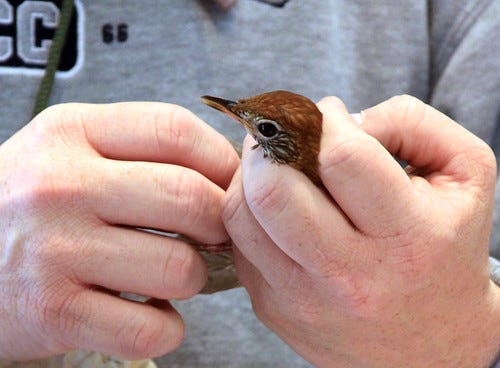
Credit: lauraerickson.substack.com
Offer Suitable Food
Thrushes like specific foods that help them stay healthy. Offering the right food can attract them to your garden.
They enjoy a mix of fruits and insects. Providing these foods encourages thrush visits.
Fruit And Insects
Thrushes love soft fruits and small insects. These foods give them energy and nutrients.
Offer fruits like berries and apples. For insects, mealworms and earthworms are good choices.
- Berries (blueberries, blackberries, raspberries)
- Chopped apples or pears
- Mealworms (live or dried)
- Earthworms found in moist soil
Feeding Stations
Place feeding stations in quiet, safe spots. Thrushes prefer areas with some cover nearby.
Use shallow dishes or trays for food. Keep feeding areas clean to avoid disease.
- Choose shaded or semi-shaded locations
- Keep dishes low to the ground
- Clean feeding stations regularly
- Refill food daily for fresh supply
Avoiding Harmful Foods
Do not feed thrushes bread or salty foods. These can harm their digestion and health.
Avoid foods with pesticides or chemicals. Only offer natural, safe options to protect the birds.
- No bread or processed foods
- No salty or sugary snacks
- Use organic fruits without pesticides
- Offer live or dried insects, not artificial ones
Maintain A Thrush-friendly Environment
Thrushes need a safe and natural habitat to thrive in your garden. You can help by making your space friendly for them.
Simple changes to your garden can attract thrushes and keep them visiting often.
Minimizing Pesticides
Pesticides harm the insects thrushes eat. Reducing these chemicals keeps food safe for birds.
Use natural ways to control pests instead of sprays and poisons.
- Try handpicking pests from plants
- Use insect traps or barriers
- Plant flowers that attract helpful insects
Leaf Litter And Ground Cover
Thrushes search for food in leaf litter and ground cover. Keeping these areas helps them find insects and worms.
Let fallen leaves stay in parts of your garden. Add mulch or low plants for good ground cover.
- Keep some dry leaves under shrubs
- Use natural mulch like bark or straw
- Plant low shrubs or ground-hugging plants
Regular Garden Care
Take care of your garden to keep it healthy for thrushes. Clean spaces help birds find food and build nests.
Water plants and remove weeds regularly. Keep bushes trimmed but avoid clearing all undergrowth.
- Water plants during dry times
- Remove invasive weeds that block growth
- Trim bushes but keep some dense areas
Use Attracting Techniques
Thrushes are beautiful birds that many people enjoy watching. You can use simple methods to invite them to your garden or yard. These techniques help create a friendly environment for thrushes.
Using calls, nesting boxes, and good timing all play a part. Each method works best when done carefully and with patience. Below are some ways to attract thrushes.
Playing Thrush Calls
Playing thrush calls can catch the attention of these birds. Use recordings of their songs to make them feel safe and curious. Keep the volume low to avoid scaring them away.
- Choose natural thrush songs recorded in the wild
- Play calls during early morning or late afternoon
- Limit playtime to 10-15 minutes per session
- Place speakers near trees or shrubs where thrushes may perch
Setting Up Nesting Boxes
Nesting boxes give thrushes a safe place to lay eggs and raise young birds. Put them in quiet spots away from predators. Make sure the box size suits thrushes and that the entrance hole is just right.
| Box Feature | Details |
| Material | Wood, untreated and weatherproof |
| Entrance Hole Diameter | 4 to 5 cm (1.5 to 2 inches) |
| Height from Ground | 2 to 4 meters (6 to 13 feet) |
| Placement | Near dense shrubs or trees |
Timing Your Efforts
Timing is key to attracting thrushes. They visit areas mostly during breeding and feeding seasons. Knowing when to act improves your chances of seeing them.
- Start in early spring before breeding season
- Continue through late summer when young birds leave nests
- Avoid disturbing birds during cold or rainy days
- Observe thrush behavior to adjust your actions
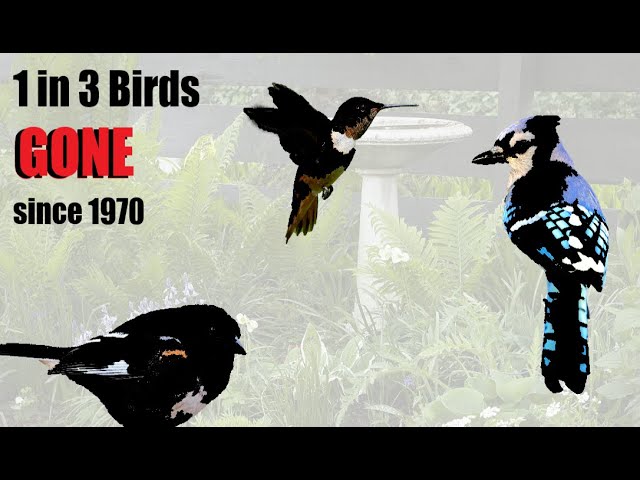
Credit: www.youtube.com
Frequently Asked Questions
What Food Attracts Thrushes To Your Garden?
Thrushes prefer berries, earthworms, and snails. Plant berry-producing shrubs like holly or hawthorn. Provide fresh water and avoid pesticides for a healthy habitat.
How To Create A Thrush-friendly Garden Environment?
Use dense shrubs for shelter and nesting. Keep leaf litter for insects and worms. Avoid chemical sprays to ensure safe feeding grounds.
When Is The Best Time To Attract Thrushes?
Thrushes are most active during spring and autumn. These seasons are key for feeding and breeding. Offering food and shelter then increases attraction chances.
Can I Attract Thrushes With Bird Feeders?
Yes, use feeders with berries, raisins, or soft fruits. Avoid seeds, which thrushes rarely eat. Place feeders near natural cover for safety.
Conclusion
Attracting thrushes to your garden is a joyful experience. Provide fresh water and tasty treats. Thrushes love berries and insects. Keep your garden clean and safe. Use native plants to create a welcoming habitat. Avoid chemicals that harm birds. Be patient and consistent with your efforts.
Soon, you’ll enjoy the beauty and songs of thrushes. Their presence will enrich your outdoor space. Observing these birds can be relaxing and educational. By following these simple steps, you’ll create a haven for thrushes. Enjoy the delightful company of these charming birds.