Have you ever wondered why some birds love eating fruit? It’s not just about a tasty snack for them.
When a bird eats fruit, something amazing happens that benefits both the bird and the plant. This natural teamwork is called mutualism, and it’s one of the smartest ways nature helps different species survive and thrive together. You’ll discover how a simple act like a bird eating fruit shows the power of cooperation in the wild—and why it matters to you and the world around you.
Keep reading to unlock the secret behind this fascinating relationship!
%20copy.jpg)
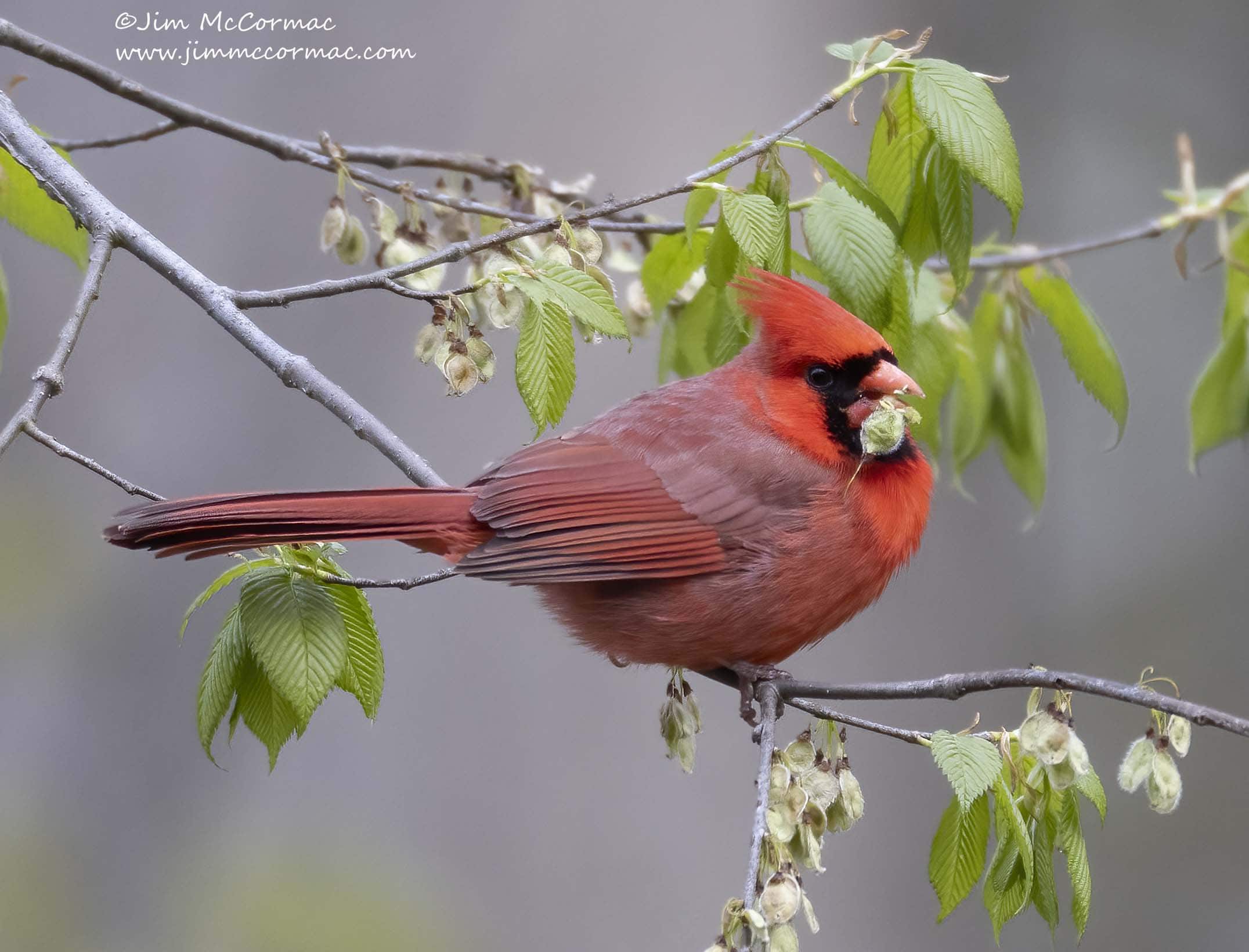
Credit: jimmccormac.blogspot.com
Mutualism In Nature
Mutualism is a type of relationship where two species help each other. Both species get benefits that help them survive. This is common in nature.
One clear example is a bird eating fruit. This shows how different living things work together for their benefit.
Basics Of Mutualism
Mutualism involves two species interacting closely. Each species gains something important from the other. This relationship can be temporary or last a long time.
- Both species benefit in mutualism.
- It helps survival and reproduction.
- It can involve food, shelter, or protection.
- Examples include plants and pollinators.
- Mutualism improves the health of ecosystems.
Examples Beyond Birds And Fruits
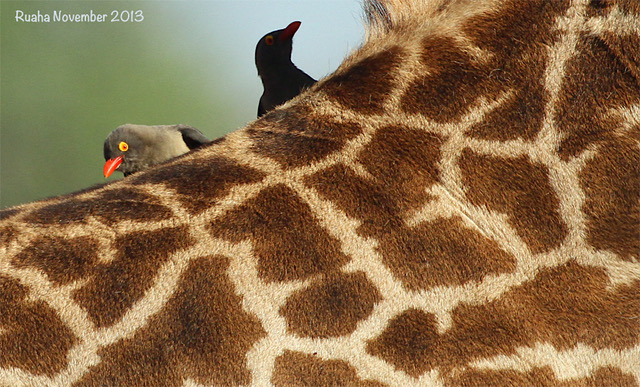
Many other species show mutualism. Ants and aphids, for example, help each other. The ants protect aphids. Aphids provide food to ants.
| Species 1 | Species 2 | Benefit to Species 1 | Benefit to Species 2 |
| Bird | Fruit Plant | Food (fruit) | Seed dispersal |
| Bee | Flower | Nectar | Pollination |
| Ant | Aphid | Protection | Food (honeydew) |
| Clownfish | Sea Anemone | Protection | Cleaning and food scraps |
Credit: safariguiding.com
Birds And Fruit Plants
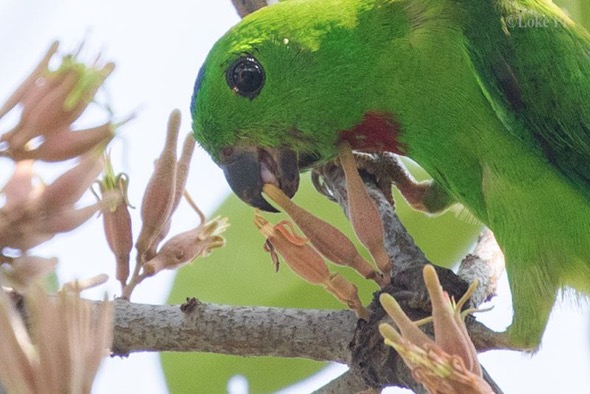
Birds eating fruit show a special kind of teamwork with plants. Both help each other to survive and grow. This teamwork is called mutualism.
Fruit plants offer tasty food to birds. Birds help plants spread their seeds far away. This helps new plants grow in different places.
Benefits For Birds
Birds get many good things from eating fruit. Fruits give birds energy and important vitamins. Eating fruit is easier and safer than hunting for insects or animals.
- Fruits provide a quick energy source.
- Birds get water from juicy fruits.
- Fruits offer vitamins that keep birds healthy.
- Eating fruit is less risky than catching live prey.
Benefits For Fruit Plants
Fruit plants also gain from birds eating their fruit. Birds carry seeds to new areas. This helps plants spread and grow in many places.
| Benefit | Explanation |
| Seed Dispersal | Birds move seeds far from the parent plant. |
| Better Growth | Seeds land in new spots with fresh soil and light. |
| Reduced Competition | Plants avoid crowding by spreading out. |
| Higher Survival | Seeds grow where birds drop them, often in good places. |
Seed Dispersal Mechanism
Birds eat fruits and carry seeds far from the parent plant. This helps plants grow in new places. Seeds pass through the bird’s digestive system unharmed.
This process shows mutualism. Birds get food, and plants get help spreading seeds. It is a natural way to increase plant numbers and diversity.
How Birds Help Spread Seeds
Birds eat fruits and fly to different areas. They drop or excrete seeds far from the fruit source. This movement reduces seed competition and gives seeds a better chance to grow.
- Birds swallow whole fruits with seeds inside.
- Seeds pass through the bird’s gut quickly.
- Birds defecate seeds in new locations.
- Seeds find fresh soil with less competition.
- Some seeds need bird digestion to sprout.
Impact On Plant Growth And Diversity
Seed dispersal by birds helps plants spread over wide areas. This creates healthy forests and varied plant communities. Diverse plants support many animals and insects.
| Benefit | Effect on Plants |
| Wider seed spread | More growth in new areas |
| Reduced seed competition | Higher survival rates |
| Seed germination aid | Better sprouting success |
| Increased biodiversity | Stronger ecosystems |
Credit: besgroup.org
Ecological Importance
Birds eating fruit show a clear example of mutualism. Both birds and plants benefit from this interaction.
This relationship plays a key role in keeping nature balanced and healthy.
Maintaining Ecosystem Balance
When birds eat fruit, they help spread seeds to new places. This helps plants grow in different areas.
- Birds get food and energy from the fruit.
- Plants get their seeds carried far away from the parent plant.
- Seed dispersal helps reduce competition between plants.
- New plants improve soil and provide homes for other animals.
Supporting Biodiversity
Birds eating fruit support many types of life in an ecosystem. This mutualism helps many species survive.
| Role | Effect on Biodiversity |
| Seed Disperser | Plants spread and grow in new areas. |
| Food Source | Birds thrive and support food chains. |
| Habitat Creator | New plants provide shelter and food to many animals. |
Human Impact On Mutualism
Mutualism is a helpful relationship between birds and fruit plants. Birds eat fruit and spread seeds. This helps plants grow in new places. Humans affect this natural process in many ways.
Understanding how human actions change these relationships is important. It helps protect birds and plants that depend on each other.
Threats To Bird And Plant Relationships
Humans destroy forests and natural habitats. This loss makes it hard for birds to find fruit. Without birds, plants cannot spread seeds well. Pollution and climate change also harm these relationships.
Birds may lose food sources or face dangers from pesticides. These threats reduce bird numbers. Fewer birds mean less seed spreading and weaker plant growth.
- Deforestation removes bird homes and fruit plants
- Pollution harms birds and plants
- Climate change changes fruit availability and bird behavior
- Pesticides reduce bird populations
Conservation Efforts
People work to protect forests and natural habitats. Replanting trees helps restore food for birds. Creating safe areas allows birds and plants to grow together.
Education and laws reduce harmful activities. These actions help keep mutualism alive. Healthy bird and plant partnerships support nature and people.
- Protecting forests and wildlife areas
- Replanting native fruit plants
- Using fewer pesticides
- Raising awareness about mutualism
Frequently Asked Questions
What Is Mutualism In Nature?
Mutualism is a symbiotic relationship where both species benefit. Each organism gains resources or support essential for survival and growth.
How Does A Bird Eating Fruit Show Mutualism?
The bird gets nutrition from the fruit. The plant benefits as the bird disperses its seeds, aiding reproduction.
Why Is Seed Dispersal Important In Mutualism?
Seed dispersal helps plants spread and grow in new areas. Birds play a key role by carrying and dropping seeds.
Can Mutualism Between Birds And Plants Affect Ecosystems?
Yes, this interaction promotes biodiversity. It supports plant regeneration and provides food for various animals, maintaining ecological balance.
Conclusion
Birds eating fruit showcases mutualism in nature. Both benefit. Birds get food. Plants spread seeds. This relationship strengthens ecosystems. It helps forests grow. This mutualism promotes biodiversity. It’s vital for our planet’s health. Birds play a key role. They carry seeds far and wide.
New plants sprout in new areas. This cycle is crucial. It ensures balance in nature. Mutualism like this is everywhere. Nature thrives through such partnerships. Understanding these interactions is important. It helps us appreciate nature’s complexity. And its beauty.