Have you ever wondered if the bird seed you scatter outside could grow into beautiful flowers? Imagine turning your backyard into a colorful garden, simply by planting what you already have.
You might be surprised to learn that many common bird seeds can sprout vibrant blooms, adding life and color to your space. You'll discover which flowers grow from bird seed and how you can easily grow them yourself. Keep reading to unlock the secret to a garden that’s both natural and rewarding.
Seeds In Bird Feeders
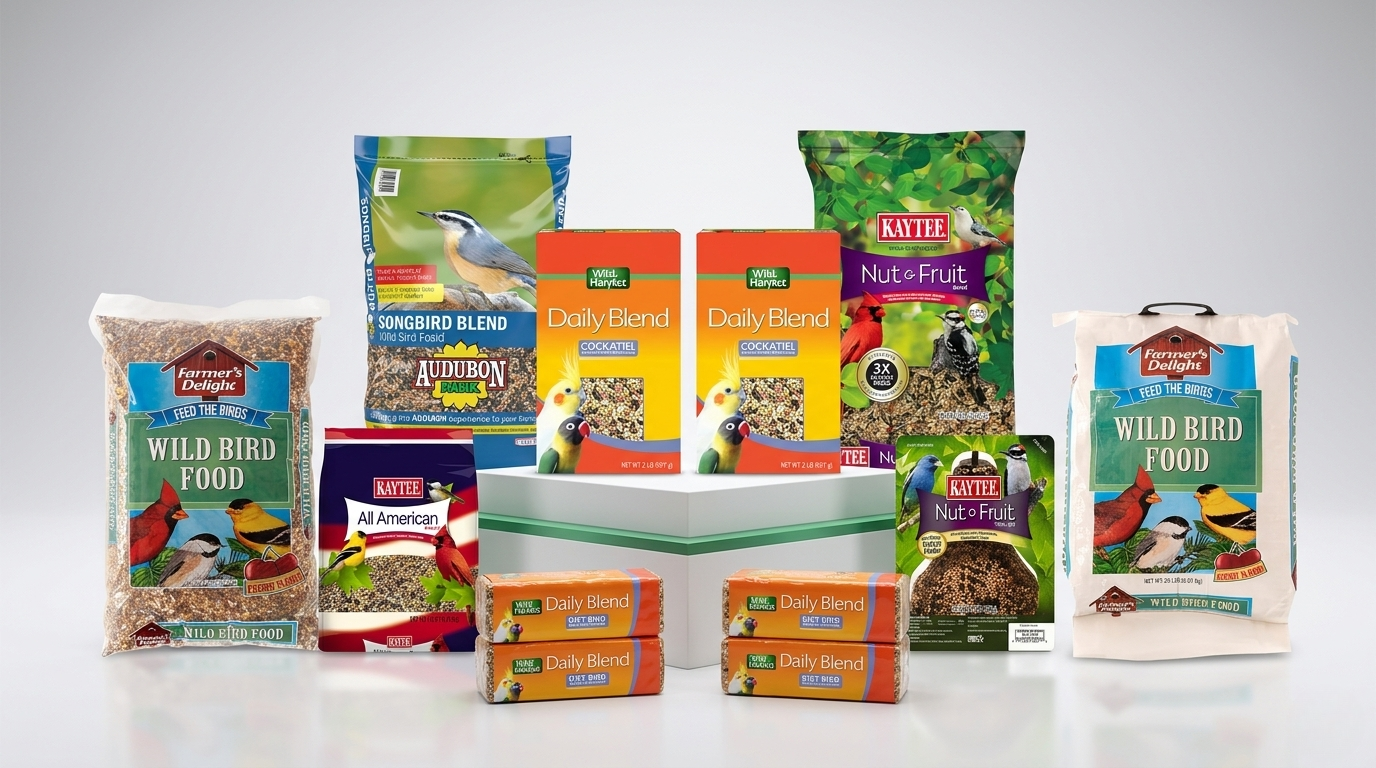
Bird feeders often contain a mix of seeds to attract many bird types. Some seeds in feeders can grow into flowers or plants if they fall to the ground. Learning which seeds can sprout helps gardeners and bird lovers alike.
Not all seeds in bird feed mixes will grow. Some are treated or too small to sprout well. Understanding the seeds and conditions needed for germination is important.
Common Seeds Found In Mixes
Bird seed mixes vary but often include these common seeds:
- Sunflower seeds
- Millet
- Safflower seeds
- Nyjer (thistle) seeds
- Cracked corn
- Peanuts
Which Seeds Can Sprout
Some seeds in bird feeders can sprout if conditions are right. Sunflower seeds often grow into bright flowers. Millet can grow into grass-like plants. Safflower seeds may also sprout but less often.
| Seed Type | Sprouts Easily | Plant Type |
| Sunflower | Yes | Flower |
| Millet | Yes | Grass |
| Safflower | Sometimes | Flower |
| Nyjer | No | Usually no |
| Cracked Corn | No | Usually no |
Factors Affecting Germination
Several factors decide if bird seed will grow:
- Seed freshness
- Moisture availability
- Temperature of soil
- Seed coating or treatment
- Bird seed storage conditions
Seeds that are old or dry often fail to sprout. Some seeds are coated to prevent growth. Soil that is too cold or dry can stop germination. Proper care can increase chances of seed growth.

Credit: nhgardensolutions.wordpress.com
Wildflowers From Sunflower Seeds
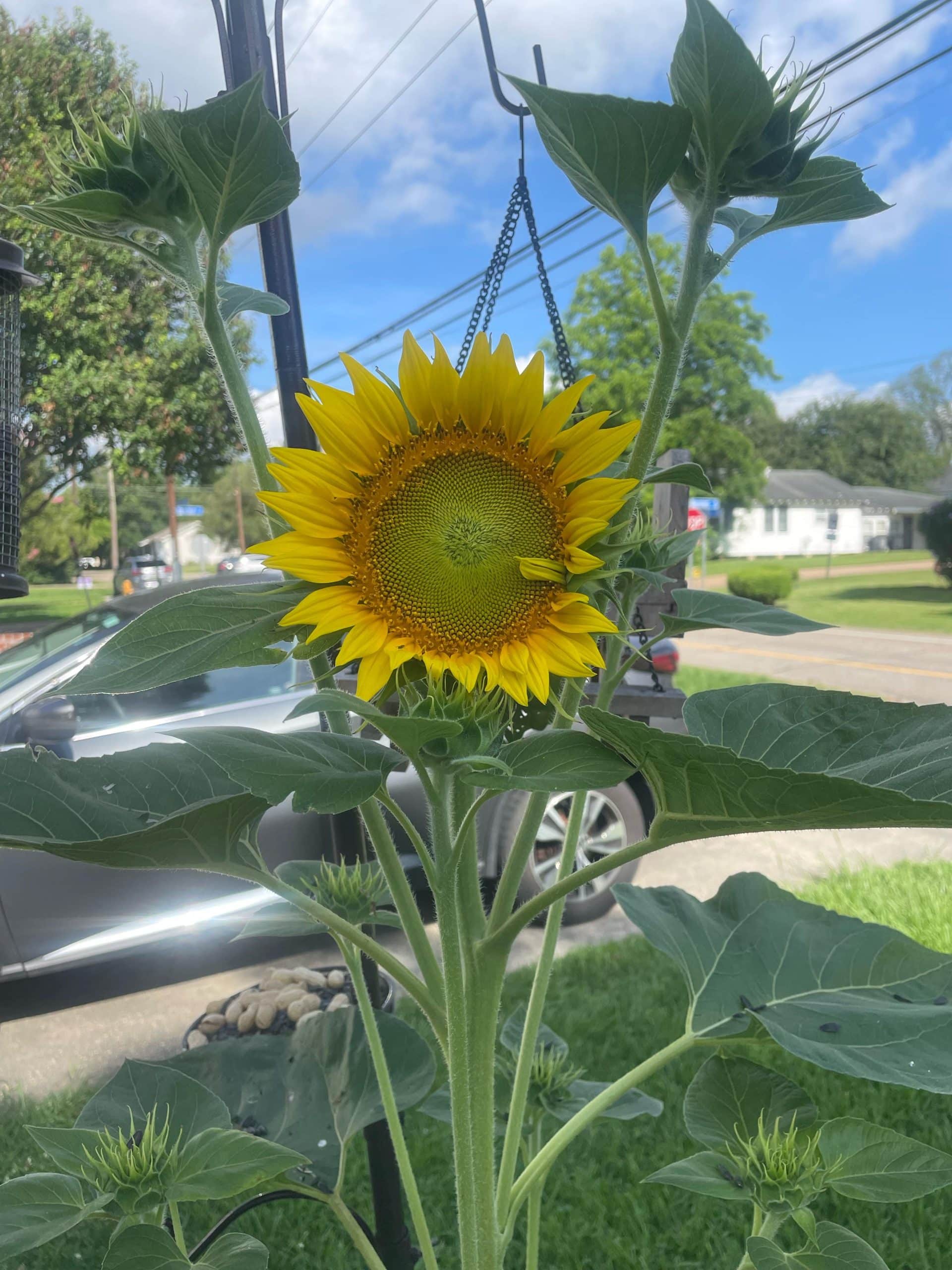
Bird seed often contains sunflower seeds that can grow into wildflowers. These wild sunflowers bring color and life to gardens and fields. Growing sunflowers from bird seed is easy and fun for gardeners of all ages.
Sunflowers are strong plants that attract birds, bees, and butterflies. They help support local wildlife and add natural beauty to outdoor spaces.
Types Of Sunflower Varieties
Different sunflower varieties grow from bird seed. Some have large heads, while others are smaller. Each type has unique colors and shapes.
- Common Sunflower: Tall plants with big yellow petals.
- Dwarf Sunflower: Shorter plants, good for small gardens.
- Wild Sunflower: Natural look with smaller, rough petals.
- Black Oil Sunflower: Seeds are rich and black, loved by birds.
Planting Tips For Sunflowers
Sunflowers need sunlight to grow well. Plant seeds in a sunny spot with good soil. Water the seeds gently after planting.
Keep soil moist but not too wet. Thin seedlings to avoid crowding. Sunflowers grow best in warm weather and bloom in late summer.
- Choose a sunny location.
- Plant seeds 1 inch deep.
- Space seeds 6 to 12 inches apart.
- Water regularly but avoid waterlogging.
- Thin plants to one every 12 inches.
Benefits To Pollinators
Sunflowers provide food and habitat for many pollinators. Bees and butterflies visit flowers to collect nectar and pollen. This helps plants grow fruit and seeds.
Birds eat sunflower seeds and spread them to new areas. Sunflowers support healthy ecosystems and encourage biodiversity.
- Attract bees and butterflies.
- Offer nectar and pollen for food.
- Provide seeds for birds.
- Support pollination of other plants.
- Help maintain a balanced ecosystem.
Blooming From Millet And Sorghum
Bird seed can grow into beautiful flowers. Millet and sorghum are common seeds that bloom well. These plants add color and life to gardens.
Knowing how millet and sorghum grow helps gardeners choose the right spots. Both plants have unique features that make them good flower sources.
Millet As A Flower Source
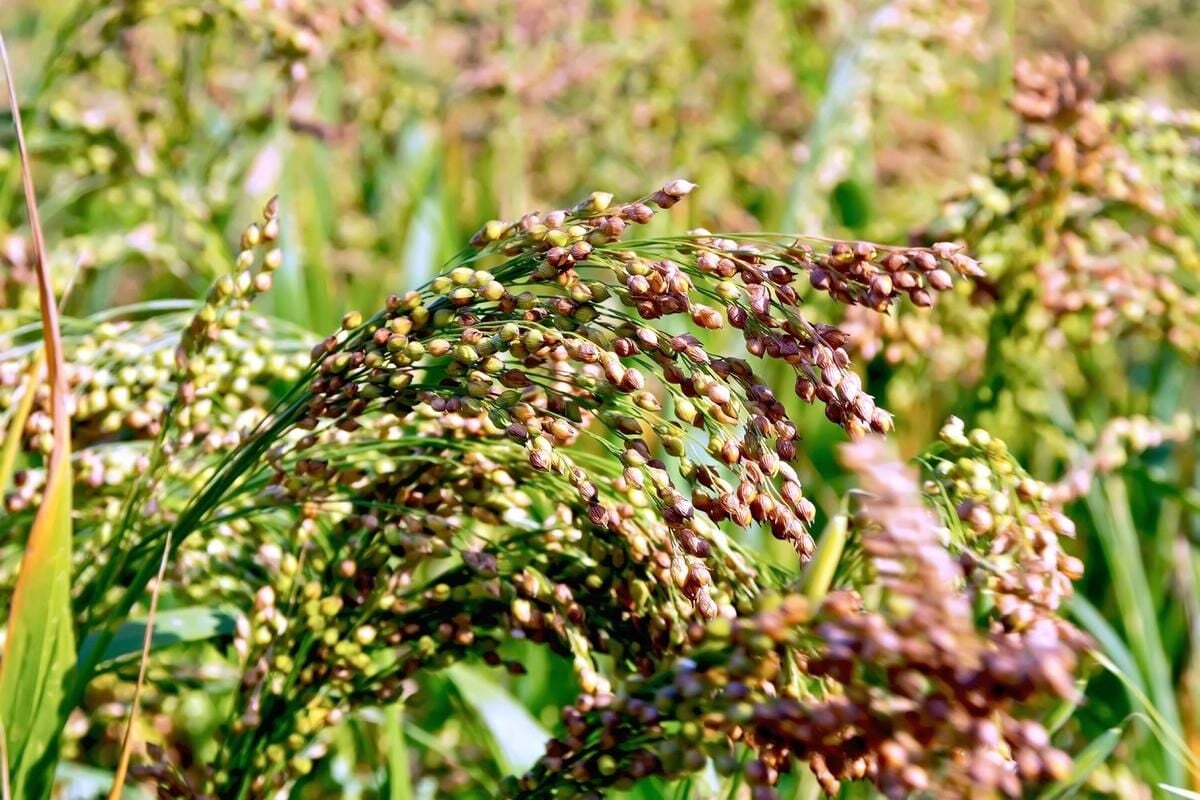
Millet seeds come from small grasses. When planted, they grow flowers that attract birds and insects. The flowers have soft, feathery heads that bloom in summer.
- Easy to grow in many soils
- Flowers are light and fluffy
- Attracts pollinators like bees
- Can grow in dry conditions
Sorghum Flower Characteristics
Sorghum produces tall stalks with large flower clusters. These flowers have a grainy texture and bloom in late summer. They can be green, red, or purple.
| Feature | Description |
| Height | 3 to 10 feet tall |
| Flower Color | Green, red, or purple |
| Bloom Time | Late summer |
| Texture | Grainy flower clusters |
Growing Conditions
Both millet and sorghum need warm soil to grow well. They do best in full sun and need moderate water. Good drainage helps prevent root problems.
- Choose a sunny spot with well-drained soil
- Plant seeds after the last frost
- Water regularly but avoid waterlogging
- Thin seedlings to avoid crowding
- Watch for pests and remove them early
Credit: www.thestar.com
Unexpected Flowers From Nyjer Seeds
Nyjer seeds are mostly known as bird food. They attract many small birds to feeders. Few people know these seeds can grow into flowers.
Growing flowers from nyjer seeds is surprising. The flowers may look different from what you expect. This makes gardening fun and unique.
Nyjer Seed Basics
Nyjer seeds come from a plant called Guizotia abyssinica. They are tiny and black. Birds love to eat them, especially finches.
These seeds can sprout if planted in the right soil. They need warm weather and good sunlight. Water them gently to keep soil moist.
Potential Flower Types
Nyjer seeds grow into yellow flowers that look like small sunflowers. The flowers have many petals and a dark center.
- Yellow petals with a dark brown or black center
- Flowers about 1 to 2 inches wide
- Grow on tall, thin stems
- Attract butterflies and bees
These flowers can brighten gardens and attract more pollinators. They offer a natural food source for birds and insects.
Challenges In Cultivation
Growing flowers from nyjer seeds can be tricky. The seeds need warm soil to sprout. Cold or dry soil stops growth.
Birds may eat the seeds before they grow. You need to protect the planted area. Also, the plants need space to grow tall.
- Keep soil warm and moist
- Use netting to protect seeds from birds
- Plant in a sunny spot with good air flow
- Thin seedlings to avoid crowding
Creating A Bird Seed Flower Garden
Growing flowers from bird seed is a fun and easy way to make your garden colorful. Many common bird seeds sprout into beautiful wildflowers.
This guide will help you pick the right seeds, prepare your soil, and care for your new plants.
Choosing The Right Seeds
Not all bird seeds grow flowers. Look for mixes with flower seeds included. Common flower seeds in bird mixes are sunflower, cosmos, and zinnia.
- Sunflower seeds grow tall and bright flowers.
- Cosmos produce delicate pink and white blooms.
- Zinnia seeds give colorful, long-lasting flowers.
- Black oil sunflower seeds are best for sprouting.
- Avoid seed mixes with only grains or fillers.
Soil And Sunlight Needs
Wildflowers from bird seed grow best in well-drained soil with moderate nutrients. Avoid heavy clay soils that hold too much water.
| Soil Type | Sunlight | Notes |
| Loamy | Full sun | Ideal for most flower seeds |
| Sandy | Full sun | Drains well, warms quickly |
| Clay | Partial sun | Improve with compost before planting |
| Rocky | Full sun | Good drainage but low nutrients |
Watering And Maintenance
Keep the soil moist but not soggy for the first few weeks. This helps seeds sprout and grow strong roots.
- Water gently every day until seedlings appear.
- Reduce watering to twice a week once plants grow.
- Remove weeds to prevent competition for nutrients.
- Use mulch to keep soil moist and cool.
- Watch for pests and treat naturally if needed.
Attracting Birds And Pollinators
Many flowers grow from bird seed. These plants help attract birds and pollinators to your garden. Birds enjoy the seeds, while pollinators feed on nectar.
Growing these flowers creates a lively and healthy environment. It supports local wildlife and adds beauty to your outdoor space.
Flower Benefits For Wildlife
Flowers from bird seed offer food and shelter for many animals. They provide seeds for birds and nectar for bees and butterflies. These plants also help support the life cycle of many insects.
- Provide food sources for birds and insects
- Offer shelter and nesting spots
- Support pollination and plant reproduction
- Help maintain a balanced ecosystem
Best Blooms For Bird Gardens
Some flowers grow easily from bird seed and attract many birds. Sunflowers, cosmos, and zinnias are top choices. These plants produce seeds and nectar birds and pollinators love.
- Sunflowers: Large seeds for finches and cardinals
- Cosmos: Bright flowers attracting bees and butterflies
- Zinnias: Long-lasting blooms with nectar for hummingbirds
- Black-eyed Susans: Seeds loved by sparrows and doves
Seasonal Flowering Patterns
Flowers from bird seed bloom in different seasons. Knowing their patterns helps keep your garden active all year. Some bloom in spring, others in summer and fall.
| Flower | Bloom Season | Attracts |
| Sunflower | Summer to Fall | Birds, Bees |
| Cosmos | Summer | Butterflies, Bees |
| Zinnia | Summer to Fall | Hummingbirds, Bees |
| Black-eyed Susan | Late Summer | Birds, Butterflies |

Credit: www.reddit.com
Frequently Asked Questions
What Flowers Commonly Grow From Bird Seed?
Sunflowers, cosmos, and zinnias often grow from bird seed. These seeds naturally sprout when scattered outdoors. They thrive in sunny spots and well-drained soil, making them ideal for easy, colorful gardening.
How Long Does It Take For Bird Seed Flowers To Bloom?
Bird seed flowers typically bloom in 6 to 10 weeks. Growth depends on seed type, weather, and soil quality. Regular watering and sunlight speed up the process, resulting in vibrant flowers within a few months.
Can All Bird Seeds Grow Into Flowers?
Not all bird seeds grow into flowers. Many contain grains or nuts that don’t sprout. Choose mixes with sunflower, cosmos, or zinnia seeds for the best flowering results from bird seed.
What Soil Conditions Help Bird Seed Flowers Grow Best?
Well-drained, nutrient-rich soil helps bird seed flowers thrive. Slightly acidic to neutral pH is ideal. Adding compost improves soil quality and supports healthy flower growth from bird seed.
Conclusion
Bird seed can surprisingly grow beautiful flowers in your garden. Plants like sunflowers, millet, and safflower often sprout from spilled seeds. These blooms add color and attract wildlife. Watching these flowers grow is a delightful experience. It's like nature's little surprise gift.
Plus, they require minimal effort to thrive. Just let the seeds fall, and watch them bloom. A wonderful way to enjoy gardening. Simple, yet rewarding. So, next time you feed birds, keep an eye out. Your garden might surprise you with unexpected flowers.
Enjoy the beauty and simplicity nature offers.