
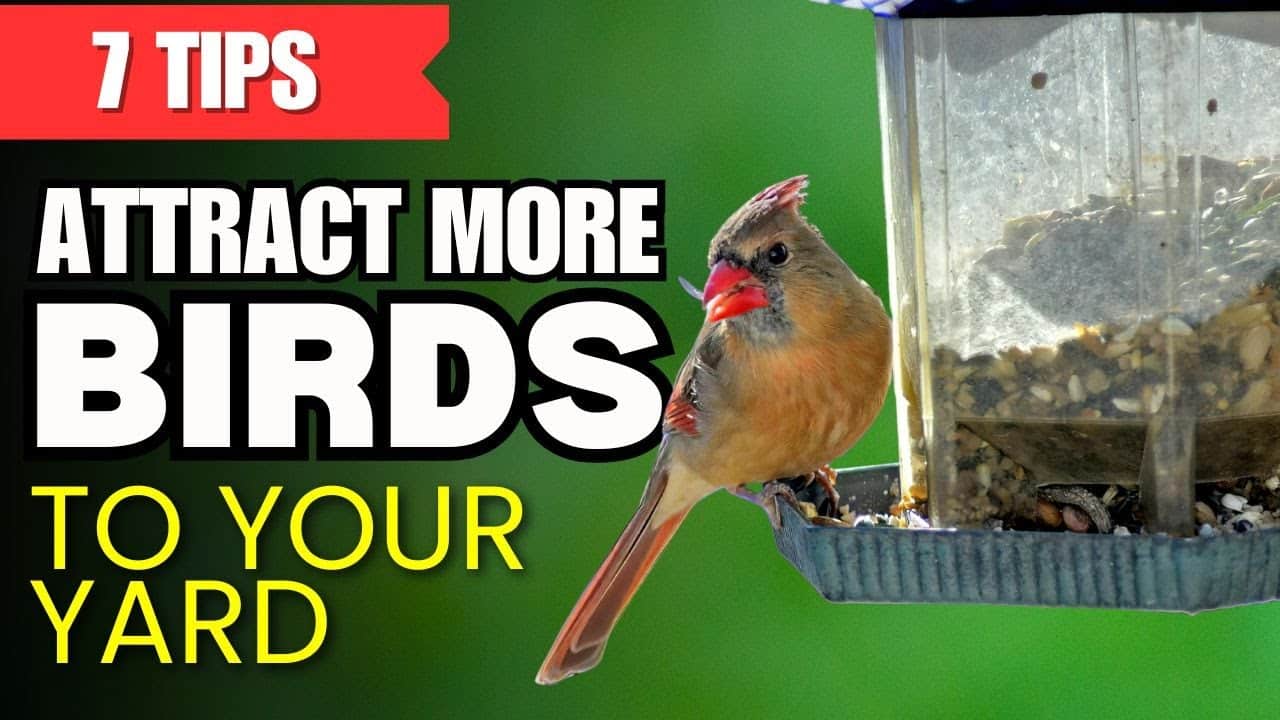
Are you looking to bring more life and activity to your farm? Attracting birds can do just that—and much more.
Birds not only add beauty and sound to your land, but they also help control pests and pollinate plants. Imagine waking up to the cheerful chirping of birds, knowing they’re helping your farm thrive. You’ll discover simple, effective ways to invite these feathered friends to your farm and keep them coming back season after season.
Ready to turn your farm into a bird paradise? Let’s dive in!

Credit: uk.news.yahoo.com
Choosing The Right Plants
Attracting birds to your farm starts with picking the right plants. Plants provide shelter, food, and nesting spots. The right choices make your farm a safe and inviting home for birds.
Choosing plants that suit your area and bloom in different seasons helps keep birds around all year. Focus on native plants and those that offer food sources like fruits and seeds.
Native Plants That Attract Birds
Native plants are best for your local birds. They provide familiar food and shelter. Birds depend on these plants for survival and will visit your farm often if you plant them.
- Choose plants that grow naturally in your area.
- Use a mix of trees, shrubs, and flowers.
- Include plants that offer nectar, berries, or seeds.
- Avoid invasive species that can harm the local ecosystem.
Seasonal Blooming For Year-round Interest
Plant flowers and shrubs that bloom in different seasons. This gives birds a steady food supply and places to rest throughout the year.
| Season | Plant Type | Example |
| Spring | Flowering Trees | Dogwood |
| Summer | Shrubs | Butterfly Bush |
| Fall | Berry-Producing Plants | Serviceberry |
| Winter | Evergreens | Holly |
Providing Food Sources With Fruit And Seeds
Birds need food to visit and stay on your farm. Plants that produce fruits and seeds offer natural snacks. These help birds build energy and raise their young.
- Plant fruit trees like apple, cherry, or crabapple.
- Include seed plants such as sunflowers and coneflowers.
- Mix plants that ripen at different times for steady food.
- Leave some seed heads on plants through winter.
Credit: wildbloo.com
Creating Water Sources
Water is important for birds on your farm. It helps them drink and cool down. Birds are more likely to visit if they find good water sources.
Creating safe and clean water spots attracts many kinds of birds. This makes your farm lively and helps nature.
Installing Birdbaths And Ponds
Birdbaths and ponds are great water sources for birds. Birdbaths are easy to place near trees or bushes. Ponds offer bigger water areas.
Put birdbaths or ponds in quiet, open spots. Birds like to see around them for safety. Use natural materials to blend with the farm.
- Choose a shallow birdbath, about 2 inches deep
- Place ponds where birds can easily land and take off
- Add rocks or plants near water for perching
Maintaining Clean And Fresh Water
Birds need clean water to stay healthy. Dirty water can make birds sick. Change the water in birdbaths often, at least twice a week.
Remove leaves, dirt, and algae from water sources regularly. Clean birdbaths with mild soap and rinse well. Keep ponds balanced with plants that help clean the water.
- Refill water daily during hot weather
- Use a small fountain or drip to keep water moving
- Check for mosquito larvae and remove if found
Designing Shallow Areas For Easy Access
Shallow water helps birds drink and bathe safely. Deep water can be hard for small birds to use. Design water areas with gentle slopes or shallow edges.
Add flat stones or sand near water to give birds easy footing. This also helps them enter and leave the water without trouble.
- Create water edges less than 1 inch deep
- Use wide, flat surfaces around water
- Include different depths for various bird sizes
Providing Shelter And Nesting Spots
Birds need safe places to rest and raise their young on a farm. Providing shelter and nesting spots helps attract many bird species.
These spots protect birds from weather and predators. They also offer good places for birds to build nests and care for their babies.
Using Trees And Shrubs For Cover
Trees and shrubs give birds natural shelter and hiding spots. They also offer shade and protection from wind and rain.
Choose native plants that produce berries or seeds to provide food. Dense branches help birds feel safe from predators.
- Plant a mix of tall trees and low shrubs
- Keep some areas wild and undisturbed
- Include evergreen trees for year-round cover
- Allow shrubs to grow thick and full
Building Birdhouses And Nesting Boxes
Birdhouses and nesting boxes give birds safe places to lay eggs. They work well for species that like cavities or holes.
Build boxes with the right size entrance for different birds. Place them in quiet, sheltered spots on your farm.
- Use untreated wood to avoid harmful chemicals
- Mount boxes 5 to 10 feet above ground
- Face entrances away from strong winds
- Clean boxes yearly to prevent disease
Incorporating Brush Piles And Natural Hides
Brush piles made from branches and leaves offer cover for small birds and ground nesters. They protect birds from predators and bad weather.
Natural hides like fallen logs and rock piles provide extra shelter. Keep some natural debris on your farm to support bird habitats.
- Create brush piles in quiet corners of your farm
- Include logs, leaves, and small branches
- Do not remove all dead wood or leaf litter
- Let natural cover grow near feeding areas
Minimizing Hazards
Creating a safe farm environment helps attract more birds. Minimizing hazards keeps birds healthy and visiting often.
Simple changes reduce risks from chemicals, pets, and accidents. These steps make your farm bird-friendly.
Reducing Pesticide Use
Pesticides can harm birds and reduce their food supply. Using fewer chemicals helps keep birds safe.
Try natural pest controls like planting insect-repellent plants or using traps. Choose organic or bird-safe products.
- Avoid spraying pesticides during bird feeding times
- Use targeted application instead of broad spraying
- Encourage natural predators like ladybugs to control pests
Keeping Pets Away From Bird Areas
Pets can scare birds and cause injuries. Keep cats and dogs away from places where birds feed or nest.
Use fences or barriers to protect key bird spots. Train pets to stay out of these areas.
- Create safe zones with dense shrubs or trees
- Supervise pets when outdoors
- Provide pets with separate play areas
Avoiding Window Collisions
Birds often fly into windows because they see reflections or open sky. This can cause serious injury or death.
Make windows visible to birds by using decals, screens, or curtains. Keep bird feeders away from windows.
- Apply bird-safe stickers or tape in patterns
- Use external screens or netting on windows
- Place feeders either very close or far from windows
Offering Supplemental Food
Providing extra food helps attract birds to your farm. It supports birds during scarce food times.
Supplemental feeding also brings different bird species closer for observation and enjoyment.
Choosing The Right Bird Feeders
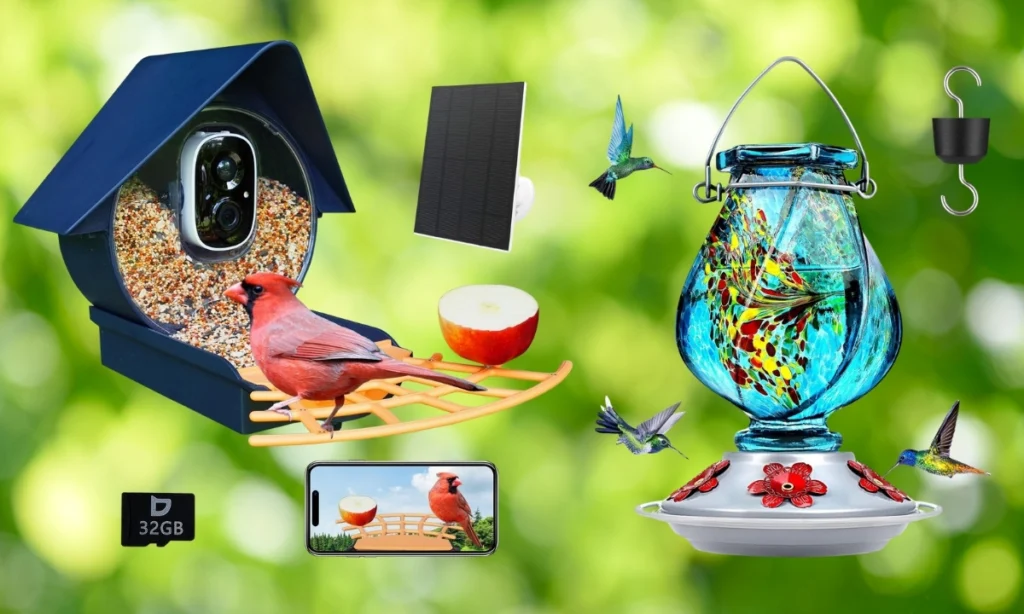
Select feeders that suit the types of birds on your farm. Some birds prefer perches, others like hanging feeders.
Use sturdy feeders that withstand weather and prevent seed waste. Clean feeders often to keep birds healthy.
- Platform feeders for larger birds
- Tube feeders for small seeds
- Hopper feeders to protect seeds from rain
- Nectar feeders for hummingbirds
Selecting Appropriate Seeds And Feed
Pick seeds that local birds eat naturally. Black oil sunflower seeds attract many songbirds.
Avoid cheap mixes with filler seeds birds do not eat. Use suet or mealworms to attract insect-eating birds.
- Sunflower seeds for most birds
- Millet for ground-feeding birds
- Nyjer seed for finches
- Suet cakes for woodpeckers and nuthatches
Feeding Schedule And Maintenance
Feed birds regularly to keep them returning. Refill feeders before seeds run out.
Clean feeders weekly with mild soap and water. This stops disease and keeps birds safe.
- Check feeders daily in cold or dry weather
- Remove old or moldy seeds
- Store seeds in a cool, dry place
- Keep feeding areas free of debris

Credit: www.ebay.com
Encouraging Bird Diversity
Birds bring many benefits to farms. They help control pests and spread seeds.
Encouraging a wide variety of birds supports a healthy farm ecosystem.
Attracting Different Bird Species
Different bird species like different food and shelter. Providing a mix of plants and water attracts many types.
- Plant native trees and shrubs for food and nests
- Offer fresh water in birdbaths or small ponds
- Use feeders with seeds, nuts, or suet
- Leave some open ground for ground-feeding birds
Creating Varied Habitats Within The Farm
Birds need places to hide, rest, and raise young. Creating different habitats helps meet these needs.
| Habitat Type | Examples | Bird Benefits |
| Wooded Areas | Tall trees, dense shrubs | Perching, nesting, shade |
| Wetlands | Ponds, marshy edges | Water, food, breeding |
| Open Fields | Grasslands, crop edges | Foraging, ground nesting |
| Brush Piles | Branches, leaves | Cover, insect food |
Monitoring Bird Activity And Adjusting Strategies
Watch which birds visit your farm and where they stay. This helps you improve your efforts.
- Keep a simple journal of bird sightings and behaviors
- Note which habitats get the most use
- Change plants or water sources based on bird preferences
- Remove harmful chemicals that scare birds away
Frequently Asked Questions
How Can I Attract Birds To My Farm Naturally?
Plant native trees, shrubs, and flowers that provide food and shelter. Offer fresh water sources like birdbaths or ponds. Avoid pesticides to keep birds safe and encourage insects they eat. Providing bird feeders with seeds also attracts various bird species.
What Types Of Plants Attract More Birds On Farms?
Native berry-producing shrubs, sunflowers, and seed-bearing grasses attract many birds. Flowering plants with nectar also bring hummingbirds. Diverse plants offer food and nesting sites. Choose species suited to your local climate for best results.
How Does Providing Water Help Attract Birds?
Birds need fresh water for drinking and bathing. A clean birdbath or small pond draws birds daily. Moving water, like a dripper or fountain, is especially attractive. Water sources increase bird activity and support their health.
Can Bird Feeders Improve Bird Presence On Farms?
Yes, feeders provide reliable food, especially in scarce seasons. Use varied seeds to attract different bird species. Position feeders safely away from predators. Regularly clean feeders to prevent disease spread among birds.
Conclusion
Attracting birds to your farm enriches the environment. Birds help control pests naturally. They also enhance the beauty of your farm. Create a welcoming habitat by planting native trees. Provide clean water sources for them. Bird feeders can attract a variety of species.
Ensure there's enough food and shelter available. Regularly maintain birdhouses and feeders. Encourage a peaceful environment for birds to thrive. Enjoy the vibrant presence and melodies birds bring. Your farm becomes a haven, bustling with life. Nature’s harmony at its best.
Happy birdwatching!


