Are Bird Houses Still in the Forest 2019 – Wildlife, Conservation, and Future Trends
Have you ever wondered if bird houses are still found deep in the forest in 2019? You might think they’re a thing of the past, but there’s more to the story than you realize.
Whether you’re a nature lover or just curious about how wildlife is adapting, this question touches on something important. Keep reading, and you’ll discover surprising facts about bird houses, their role in the forest, and why they matter more than ever for your connection with nature.
Don’t miss out—your view of the forest might change forever.
Bird Houses In Forests Today
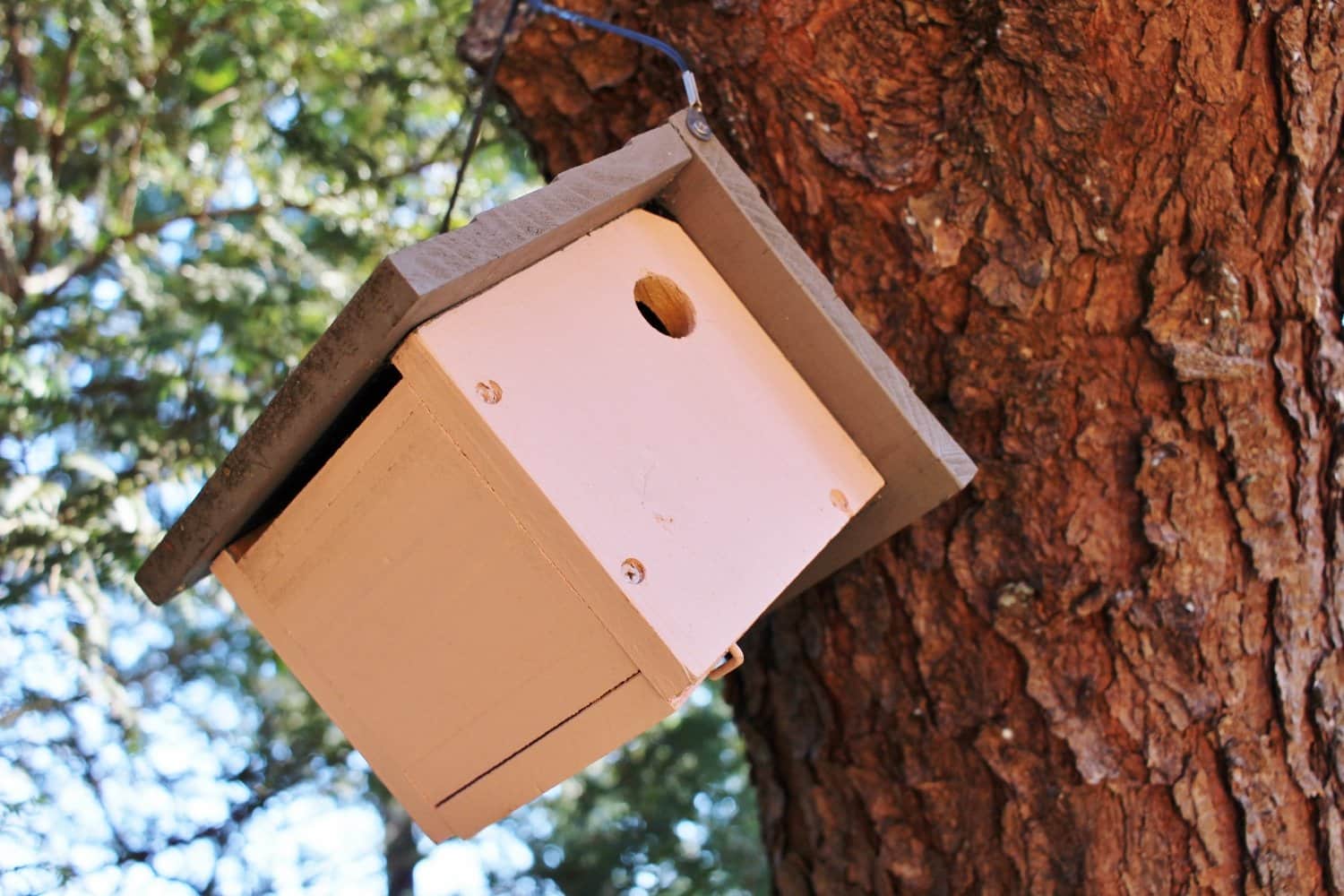
Bird houses provide shelter and nesting places for many forest birds. They help birds survive in changing environments. Forests still have many bird houses, but their roles have shifted over time.
This article explores how bird houses have changed since 2019. It also looks at where bird houses are found in forests today.
Changes Since 2019
Since 2019, forests have seen changes in bird house use. Climate shifts and human activity affect bird nesting habits. Some bird species have moved to new areas.
- Increased use of artificial bird houses in some areas
- Decline in natural cavities due to tree loss
- More birds using bird houses for shelter during harsh seasons
- New bird house designs to protect against predators
Current Distribution Patterns
Bird houses are not spread evenly in forests. Their distribution depends on tree types and bird species. Some forests have more bird houses than others.
| Forest Type | Bird House Density | Common Bird Species |
| Temperate Forest | High | Bluebirds, Chickadees |
| Tropical Rainforest | Medium | Parrots, Trogons |
| Boreal Forest | Low | Woodpeckers, Owls |
| Mixed Forest | Medium-High | Wrens, Nuthatches |
Wildlife Interactions With Bird Houses
Bird houses have long been a part of forest environments. They provide shelter and nesting spots for many animals. These houses help birds and other wildlife survive and thrive.
Bird houses attract different species. Animals use them not only for nesting but also for protection from weather and predators. Wildlife interactions with bird houses are diverse and interesting.
Species Using Bird Houses
Many bird species use bird houses in forests. Small birds find these houses ideal for building nests. They offer safety and comfort for raising young birds.
Some common species that use bird houses include chickadees, bluebirds, and wrens. These birds prefer quiet, safe places to lay eggs and care for their chicks.
- Chickadees
- Bluebirds
- Wrens
- Nuthatches
- Tree Swallows
Unexpected Visitors
Bird houses sometimes attract animals other than birds. Small mammals and insects may use these shelters for their own needs. This shows how bird houses help many forest creatures.
Animals like squirrels, bats, and bees can take over bird houses. These visitors may change how the houses are used and affect bird nesting success.
- Squirrels seeking shelter
- Bats resting during the day
- Bees building hives
- Small snakes hiding
- Insects finding refuge
Environmental Impact On Bird Houses
Bird houses play an important role in many forests. They provide safe places for birds to nest and raise their young. Changes in the environment affect these homes and the birds that live in them.
Understanding how nature and people change forests helps us protect bird houses. This article looks at two main causes: climate change and human activities.
Effects Of Climate Change
Climate change changes the weather and seasons. These changes affect bird houses in many ways. Birds may find it harder to find food or keep warm in their nests.
- Warmer temperatures can dry out forests, making wood less safe for building nests.
- Stronger storms can damage or destroy bird houses.
- Changes in migration times can leave bird houses empty or overcrowded.
- New pests and diseases may harm birds and their homes.
Human Activities And Habitat Loss
Humans cut down trees and build roads in forests. These actions reduce places where birds can live. Bird houses may be lost or isolated because of this damage.
| Human Activity | Impact on Bird Houses |
| Deforestation | Removes trees that support bird houses |
| Urban Development | Breaks up forest areas, isolating bird homes |
| Pollution | Harms birds and weakens nest materials |
| Logging | Destroys natural nesting sites and bird houses |

Credit: www.amazon.com
Technological Advances In Monitoring
Monitoring bird houses in forests has changed a lot since 2019. New technology helps scientists watch birds closely without disturbing them.
These tools give more detailed information about bird behavior and health. They also help track how bird houses are used over time.
Use Of Cameras And Sensors
Cameras are placed near bird houses to capture photos and videos of birds. They work day and night with infrared light.
Sensors detect movement, temperature, and sound inside and outside the bird houses. This data helps understand bird activity.
- Motion sensors alert when birds enter or leave
- Temperature sensors monitor nest conditions
- Sound sensors record bird calls and noises
- Cameras provide visual proof of bird visits
Data Collection And Analysis
Collected data is stored on devices or sent to researchers remotely. This allows continuous monitoring without frequent visits.
Scientists use software to analyze patterns in bird behavior. They can track nesting times, feeding, and bird species using the houses.
- Data helps identify peak bird activity hours
- Analysis shows how weather affects bird visits
- Information guides improvements in bird house design
Conservation Efforts And Bird Houses
Bird houses help protect birds by giving them safe places to live. In 2019, many groups worked hard to keep bird houses in forests. These efforts help birds find shelter and raise their young.
Keeping bird houses in forests is important for bird survival. It supports the natural balance and helps prevent some bird species from disappearing.
Community Involvement
Local communities play a big role in conserving bird houses. Many people join projects to build and place bird houses in forests. Schools and clubs often teach children how to care for birds.
- Volunteers build bird houses with safe materials.
- Community groups organize forest clean-up days.
- Workshops teach bird-friendly gardening and habits.
- Families monitor bird houses and report sightings.
Success Stories
Many bird species have shown growth thanks to bird house projects. Some forests saw more nesting birds and healthier populations. Here are key outcomes from 2019 efforts:
| Bird Species | Population Growth | Number of Bird Houses Installed |
| Bluebirds | 15% | 120 |
| Chickadees | 10% | 85 |
| Tree Swallows | 18% | 100 |
| Nuthatches | 12% | 70 |

Credit: www.amazon.com
Future Trends For Bird Habitats
Bird habitats are changing as nature faces many challenges. People want to help birds live safely.
New ideas and projects support birds in forests and cities. This helps birds find homes and food.
Innovative Designs
Bird houses now use smart designs to protect birds from weather and predators. They are easy to clean and safe to use.
Materials like recycled wood and natural fibers help make bird houses stronger and eco-friendly. Some designs include sensors to study bird activity.
- Weatherproof and insulated bird houses
- Safe entrances to keep predators out
- Use of recycled or natural materials
- Technology to monitor bird visits
Restoration Projects
Many groups work to restore forests and bird habitats. They plant trees and remove harmful plants.
Restoration helps birds find food and build nests. Projects also create safe zones where birds can live without danger.
- Tree planting to rebuild homes
- Removing invasive plants
- Creating protected bird zones
- Community involvement in habitat care

Credit: oldschool.runescape.wiki
Frequently Asked Questions
Are Bird Houses Common In Forests Today?
Yes, bird houses are still found in many forests. They help support bird populations by providing safe nesting spots.
Why Do Birds Need Houses In The Forest?
Bird houses protect birds from predators and harsh weather. They also encourage breeding and help maintain local bird diversity.
How Have Forest Bird House Trends Changed Since 2019?
Since 2019, interest in bird conservation has grown. More people install bird houses to support wildlife and improve forest ecosystems.
What Materials Are Best For Forest Bird Houses?
Natural wood is the best material. It blends with the environment and offers good insulation for bird comfort.
Conclusion
Bird houses still play an important role in forests. They offer safe spaces for birds. These shelters help bird populations thrive. Nature lovers should encourage more bird houses. Protecting wildlife is a shared responsibility. Bird houses also bring nature closer to us.
They connect people with the environment. Building or placing bird houses is simple. It’s a small step with big benefits. Forests need our help to remain vibrant. Bird houses are part of the solution. Keep supporting nature and enjoy its beauty.