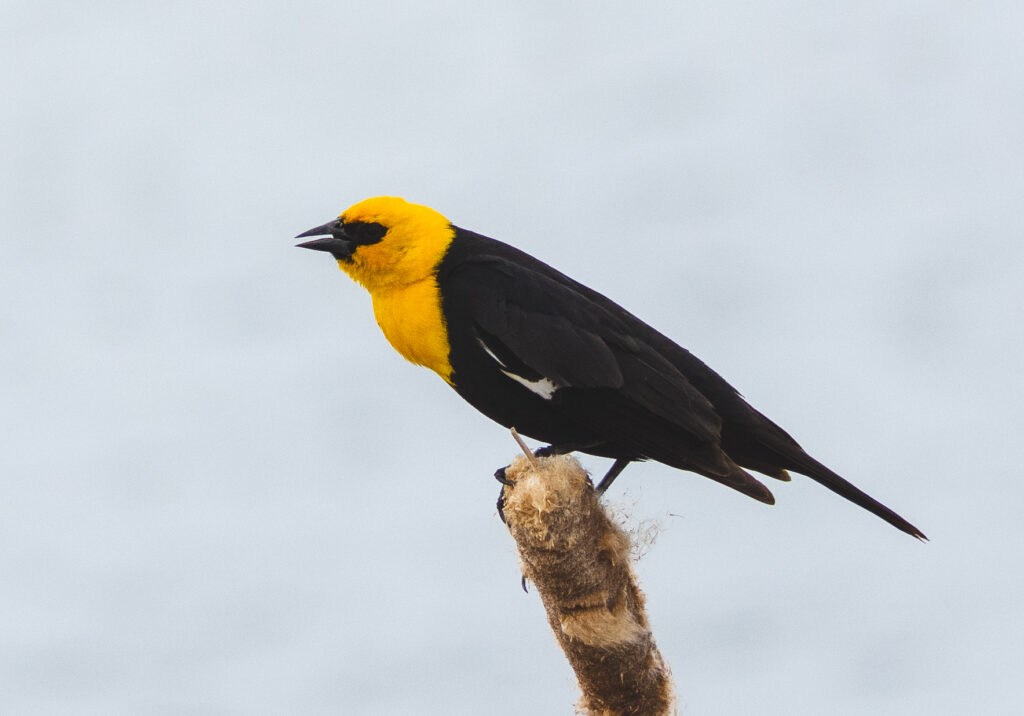
Have you ever wondered what kinds of birds call the wetlands their home? If you’re curious about the unique creatures that thrive in these watery landscapes, you’re in the right place.
Wetlands are full of life, and the birds that live there have fascinating habits and colors you won’t want to miss. Keep reading to discover the most amazing birds you might see the next time you visit a wetland—and why these birds are so important to our environment.
Your next birdwatching adventure starts here!

Credit: roundglasssustain.com
Wetlands As Bird Habitats
Wetlands are special places where water covers the land. They provide homes for many kinds of birds. These areas are rich in food and shelter.
Birds rely on wetlands to find food, build nests, and raise their young. Understanding wetlands helps us protect these important habitats.
Types Of Wetlands
There are different types of wetlands. Each type offers unique places for birds to live and feed.
- Marshes:Wetlands with soft, wet soil and many grasses.
- Swamps:Wetlands with trees and shrubs growing in water.
- Bogs:Wetlands with acidic water and moss.
- Fens:Wetlands with nutrient-rich water and grasses.
Why Birds Thrive In Wetlands
Birds find many benefits in wetlands. These areas offer food, safety, and places to build nests. Many bird species depend on wetlands to survive.
| Reason | Explanation |
| Food | Wetlands have insects, fish, and plants that birds eat. |
| Shelter | Tall grasses and trees protect birds from predators. |
| Nesting Sites | Many birds build nests in wetland plants and trees. |
| Water | Wetlands provide fresh water for drinking and bathing. |
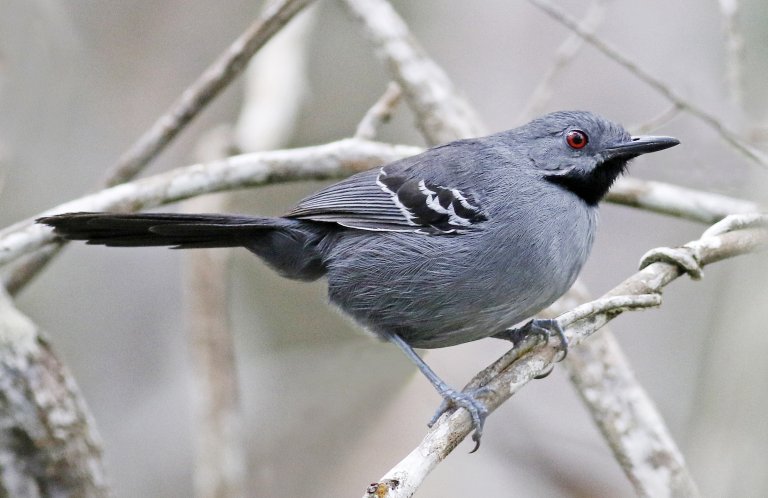
Credit: abcbirds.org
Common Waterfowl Species
Wetlands are home to many waterfowl species. These birds depend on water for food and shelter.
Waterfowl include ducks, geese, and swans. They are easy to spot in wetland areas.
Ducks And Geese
Ducks and geese are common water birds in wetlands. They have webbed feet to swim well.
Ducks are smaller and have colorful feathers. Geese are larger and often white or gray.
- Examples of ducks: Mallard, Teal, Wood Duck
- Examples of geese: Canada Goose, Snow Goose, Greylag Goose
- They eat plants, insects, and small fish
- Both nest near water in grass or reeds
Swans
Swans are large and elegant water birds. They have long necks and white feathers.
Swans glide smoothly on water and eat plants. They build nests near lakes or slow rivers.
- Common species: Mute Swan, Trumpeter Swan, Tundra Swan
- Swans mate for life and are very protective
- They use wetlands for food and raising young
Wading Birds To Spot
Wetlands are home to many wading birds. These birds have long legs for walking in shallow water. You can find them searching for food in marshes and swamps.
Look for herons, egrets, storks, and ibises. Each has unique features and behaviors. Spotting them helps us learn about wetland life.
Herons And Egrets
Herons and egrets are tall birds with sharp beaks. They stand still to catch fish and frogs. Their white or gray feathers make them easy to spot.
- Great Blue Heron – large with blue-gray feathers
- Snowy Egret – small and white with black legs
- Green Heron – shorter with greenish back feathers
- Little Egret – white with yellow feet
Storks And Ibises
Storks and ibises have strong bills for catching prey. They often feed by probing mud. These birds travel long distances during migration.
| Bird | Color | Bill Shape |
| Wood Stork | White with black wings | Thick and curved |
| White Ibis | White with red face | Long and curved down |
| Glossy Ibis | Dark with shiny feathers | Long and slender |
Songbirds And Others In Wetlands
Wetlands are home to many birds. These places offer food and shelter. Birds use wetlands to live and raise young.
Some birds in wetlands are songbirds. Others are different types that thrive in watery areas. Let’s learn about some of these birds.
Marsh Wrens And Sparrows
Marsh wrens are small songbirds with loud songs. They live in tall reeds and grasses. They build many nests in one area.
Sparrows in wetlands are different from city sparrows. They like wet fields and marsh edges. These sparrows eat seeds and insects.
- Marsh Wrens sing to mark their territory
- They build dome-shaped nests
- Sparrows help control insect numbers
- Sparrows often nest low in grasses
Rails And Coots
Rails are shy birds that live in dense wetland plants. They walk quietly through the water and mud. Rails eat insects, small fish, and plants.
Coots are water birds that look like ducks but have different feet. They have strong legs and lobed toes. Coots swim well and eat plants and small animals.
- Rails hide in tall reeds and grasses
- They are hard to see but easy to hear
- Coots have white beaks and red eyes
- Coots build floating nests on water
Birds Of Prey In Wetlands
Wetlands provide a rich home for many birds of prey. These birds hunt and live near water. They help keep the wetland ecosystem balanced.
Two common birds of prey in wetlands are ospreys and harriers. Each has unique hunting styles and habitats.
Ospreys
Ospreys are large raptors that mostly eat fish. They have sharp talons and curved beaks to catch and eat their prey. Ospreys build nests near water, often on tall trees or platforms.
- Wingspan up to 6 feet
- White underparts and dark brown upperparts
- Strong, curved talons for gripping fish
- Excellent eyesight to spot fish underwater
- Migrates long distances between breeding and wintering areas
Harriers
Harriers are medium-sized hawks that hunt small animals in wetlands. They fly low over grasses and reeds to surprise prey. Harriers have a distinctive flying style with wings held in a V-shape.
| Feature | Harrier | Osprey |
| Primary Diet | Small mammals, birds, and insects | Fish |
| Hunting Style | Low slow flight over marshes | Dives to catch fish from water |
| Nesting | Ground or low shrubs | High trees or platforms |
| Flight Pattern | Wings in a V-shape | Broad wings, steady gliding |
Seasonal Visitors And Migrants
Wetlands are important homes for many birds. Some birds live there only part of the year. These are called seasonal visitors and migrants.
These birds travel long distances to find food and safe places to rest. Wetlands give them shelter during their journeys.
Migration Patterns
Many birds move between breeding and wintering areas. They use wetlands as stopover sites. This helps them rest and eat before continuing.
Migration happens in spring and fall. Birds follow routes with wetlands along the way. These wetlands provide water and food needed for survival.
- Spring migration leads birds to breeding grounds
- Fall migration takes them to warmer winter homes
- Stopovers at wetlands help refill energy
Species That Depend On Wetlands Seasonally
Many bird species rely on wetlands during migration or breeding seasons. These wetlands offer food, shelter, and nesting sites.
Examples include waterfowl, shorebirds, and songbirds. They depend on wetlands to survive part of their life cycle.
- Ducks and geese use wetlands for resting and feeding
- Sandpipers and plovers feed on insects and small animals
- Warblers and other songbirds find shelter and food
Conservation Of Wetland Birds
Wetlands are home to many special birds. These birds need water and plants to live well.
Conserving wetland birds means protecting their homes and food. This helps keep nature healthy.
Threats To Wetland Birds
Wetland birds face many dangers. People often damage wetlands by building or polluting.
Climate change also harms wetlands. It changes water levels and food sources for birds.
- Wetland destruction from land use
- Water pollution from chemicals
- Climate change effects on habitat
- Hunting and illegal trapping
- Invasive plants and animals
Protection Efforts
Many groups work to save wetland birds. They protect wetlands by making laws and parks.
People can help by cleaning wetlands and watching birds safely. Education raises awareness.
- Creating protected wetland areas
- Restoring damaged wetlands
- Setting rules to stop pollution
- Teaching people about wetland birds
- Monitoring bird populations
Tips For Birdwatching In Wetlands
Wetlands are home to many bird species. Watching these birds can be a fun and peaceful activity.
Knowing when to visit and what to bring helps you enjoy birdwatching more.
Best Times To Visit
Birds are most active in wetlands during early morning and late afternoon. The weather is cooler then.
Visit during spring and fall for the best chance to see many bird species. These are migration seasons.
- Early morning (around sunrise)
- Late afternoon (before sunset)
- Spring migration months (March to May)
- Fall migration months (September to November)
Essential Gear
Bring the right gear to see birds clearly and stay comfortable. Good tools help you enjoy birdwatching.
Binoculars are a must. Wear comfortable shoes and dress in layers for changing weather.
- Binoculars for clear bird views
- Comfortable walking shoes
- Hat and sunscreen for sun protection
- Insect repellent to avoid bites
- Camera or smartphone for photos
- Notebook to record bird sightings
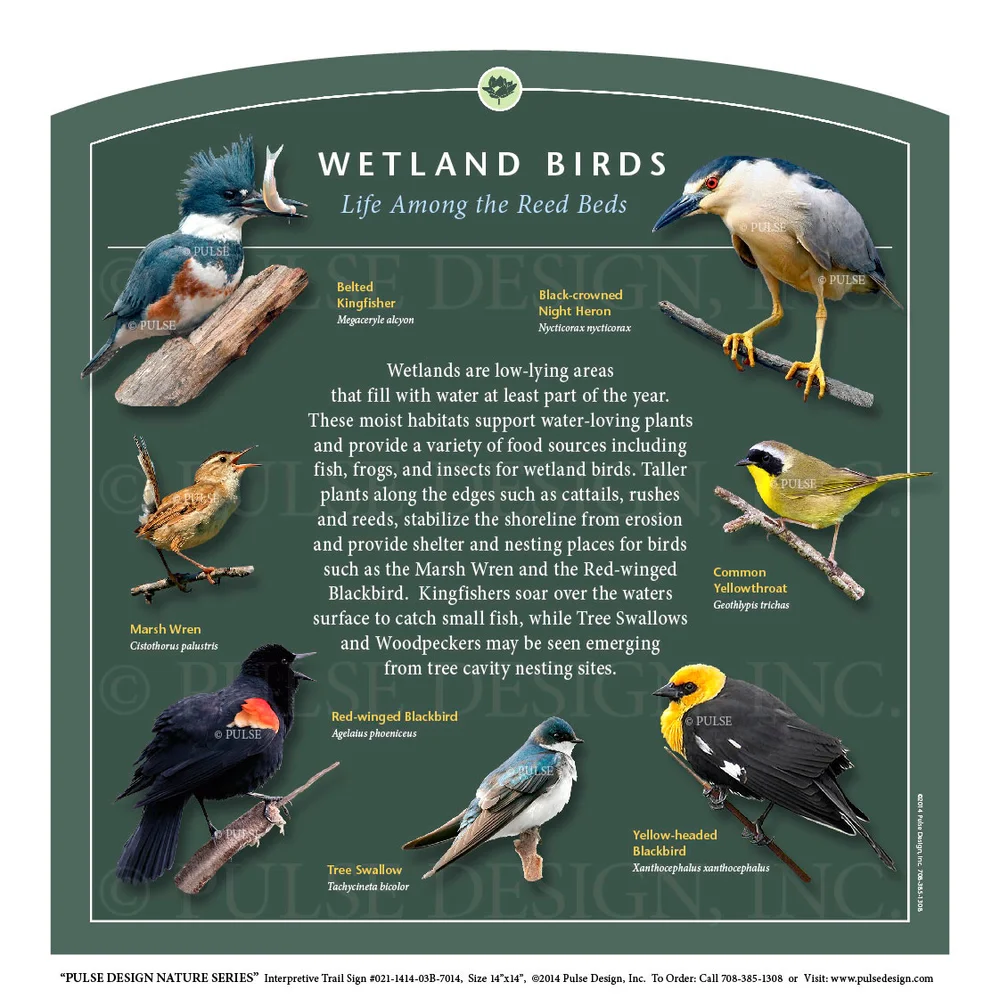
Credit: www.pulsedesign.com
Frequently Asked Questions
What Types Of Birds Live In Wetlands?
Wetlands host diverse birds like herons, ducks, egrets, and bitterns. These birds rely on wetlands for food, shelter, and nesting. Wetlands provide rich ecosystems supporting both migratory and resident bird species.
Why Are Wetlands Important For Bird Habitats?
Wetlands offer abundant food, water, and shelter essential for birds. They serve as breeding grounds and stopover points during migration. Protecting wetlands helps maintain bird biodiversity and ecological balance.
How Do Wetland Birds Adapt To Their Environment?
Wetland birds have specialized features like webbed feet and long bills. These adaptations help them swim, forage, and hunt in water-rich habitats. Their behaviors and physical traits suit wetland survival and feeding needs.
Which Wetland Birds Are Migratory?
Many wetland birds, such as sandpipers and swans, migrate seasonally. They travel to exploit food availability and favorable climates. Wetlands act as crucial rest stops during these long migrations.
Conclusion
Wetlands are home to diverse bird species. Each plays a vital role. Herons, egrets, and ducks are common sights. They thrive in these rich ecosystems. Birds find food and shelter there. Wetlands support their life cycles. Preserving these areas is crucial.
Protecting wetlands helps bird populations survive. It also maintains biodiversity. Observing these birds is a joy. Their presence enriches our environment. Awareness leads to better conservation efforts. Everyone can contribute to this cause. Simple actions make a big difference. Let's cherish and protect wetlands.
They are treasures worth saving.