Have you ever wondered why desert cottontails seem so drawn to bird seed? If you’ve noticed these fluffy creatures nibbling around your bird feeder, you’re not alone.
Understanding what makes bird seed so appealing to these desert dwellers can help you create a welcoming space for wildlife right in your backyard. Keep reading to discover the surprising reasons behind their love for bird seed—and how you can attract these charming rabbits safely and easily.
Desert Cottontail Basics
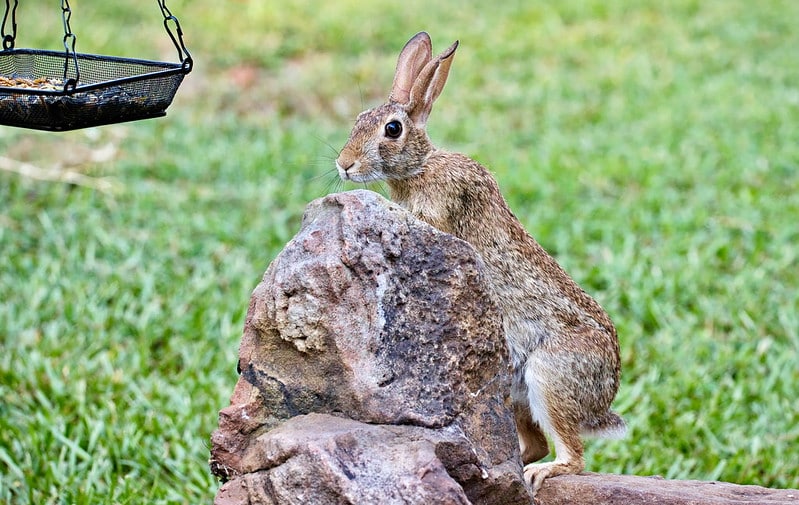
The desert cottontail is a common rabbit found in dry areas of the southwestern United States and Mexico. These rabbits have large eyes and long ears that help them survive in hot, open spaces.
People often see desert cottontails near gardens and bird feeders. They are attracted to bird seed, which is easy for them to find and eat.
Habitat And Diet
Desert cottontails live in deserts, brushy areas, and open fields. They like places with low plants for cover and open ground to spot predators.
- They eat grasses, herbs, and shrubs.
- Bird seed is a tasty and easy food source.
- Seeds from sunflowers, millet, and oats are favorites.
- Water comes mainly from their food.
Behavior Patterns
Desert cottontails are mostly active during early morning and late afternoon. They hide during the hottest part of the day to stay cool.
| Behavior | Description |
| Activity Times | Dawn and dusk |
| Resting | Under bushes or in burrows during midday |
| Feeding | Feeds on plants and bird seed |
| Defense | Freezes or runs fast to escape predators |
Bird Seed Components
Desert cottontails like to eat bird seed because it has many tasty parts. The seeds give them energy and nutrients. Bird seed mixes contain different seeds that attract these rabbits.
Each seed type in the mix has unique benefits. Some seeds are rich in fats, while others provide proteins or carbohydrates. Understanding these helps explain why cottontails enjoy bird seed.
Common Seeds In Mixes
Bird seed mixes often have sunflower seeds, millet, safflower, and cracked corn. These seeds are easy for desert cottontails to eat and digest. The variety keeps their diet balanced.
- Sunflower seeds: Popular and high in fat
- Millet: Small and easy to eat
- Safflower: Bitter to some birds but liked by cottontails
- Cracked corn: Provides energy and carbohydrates
Nutritional Value
Bird seed offers fats, proteins, and carbs that desert cottontails need. Fat helps them stay warm and active. Protein supports muscle growth. Carbohydrates give quick energy.
| Component | Benefit for Cottontails |
|---|---|
| Fats | Energy storage and warmth |
| Proteins | Builds muscles and repairs tissue |
| Carbohydrates | Provides quick energy |
| Fiber | Aids digestion |
Attraction To Bird Seed
Desert cottontails enjoy eating bird seed. This food attracts them to gardens and feeders. Understanding why they like bird seed helps to learn about their habits.
Bird seed provides flavors and nutrients that suit desert cottontails well. These small rabbits find it tasty and healthy.
Taste Preferences
Desert cottontails prefer seeds that are easy to eat and have a mild flavor. They enjoy a variety of seeds found in bird mixes.
- Sunflower seeds are a favorite because they are soft and rich in oil.
- Milo seeds attract them with their sweet taste.
- Safflower seeds have a mild flavor that is easy to digest.
- They avoid very hard or bitter seeds.
Nutritional Benefits
Bird seed offers important nutrients that help desert cottontails stay healthy. Seeds are a good source of energy and vitamins.
| Seed Type | Main Nutrient | Benefit |
| Sunflower | Fat | Provides energy |
| Milo | Carbohydrates | Supports digestion |
| Safflower | Protein | Aids muscle growth |

Credit: projectupland.com
Feeding Habits In The Wild
Desert cottontails eat many types of plants and seeds. They often find food near bushes and grasses.
Bird seed is a favorite because it is easy to find and has good nutrition. They eat it when it falls on the ground.
Foraging Techniques
Desert cottontails use their strong front teeth to nibble seeds and plants. They search close to the ground.
They watch for predators while eating. Cottontails quickly move to safer spots if they sense danger.
- They pick seeds from the ground or low plants
- They eat grasses, leaves, and small fruits
- They are mostly active during early morning and late evening
Seasonal Variations
Desert cottontails change their diet with the seasons. In spring, they eat fresh plants and flowers.
In winter, seeds and dried plants become more important. Bird seed helps them stay strong in harsh times.
- Spring: fresh greens and flowers
- Summer: grasses and fruits
- Fall: seeds and dried plants
- Winter: mostly seeds and bark
Impact On Desert Ecosystem
Desert cottontails play a key part in desert life. Their diet often includes bird seed. This affects the plants and animals around them.
Understanding how these rabbits interact with their environment helps us see the balance in deserts. Bird seed is one link in this chain.
Role In Seed Dispersal
Desert cottontails eat many seeds, including those meant for birds. They carry seeds in their fur and droppings. This moves seeds to new spots.
- Seeds stuck to fur spread as rabbits move.
- Seeds in droppings get planted in soil.
- Seed spreading helps plants grow in new places.
- This supports desert plant diversity and growth.
Interaction With Other Wildlife
Desert cottontails share space with many animals. Their eating habits affect food availability for others. They also impact predator-prey balance.
| Wildlife | Interaction Type | Effect |
| Birds | Competition | Both eat seeds, sharing food sources |
| Snakes | Predation | Rabbits are prey, supporting snake diets |
| Plants | Seed Dispersal | Rabbits help plants spread and grow |
| Other Herbivores | Resource Sharing | May compete for some plants and seeds |

Credit: www.reddit.com
Human Influence
Desert cottontails are often seen near places where people feed birds. Human actions affect how these rabbits find food.
People leave bird seed outside, which attracts many animals. This changes the natural feeding habits of desert cottontails.
Feeding Wildlife Responsibly
Feeding wildlife can be good if done carefully. It helps animals during dry seasons or when food is scarce. But it is important to feed them the right way.
- Use natural, unsalted bird seed without chemicals.
- Feed in small amounts to avoid overdependence.
- Keep feeding areas clean to prevent disease.
- Do not feed processed human foods or bread.
- Feed only in places where wildlife is safe from predators.
Potential Risks And Benefits
| Aspect | Benefits | Risks |
| Nutrition | Extra food helps survival | Unbalanced diet if seed is main food |
| Behavior | Encourages wildlife to visit safely | Animals may lose fear of humans |
| Health | Supports animals in harsh weather | Risk of disease from dirty feeders |
| Environment | Can reduce food competition | May attract unwanted pests or predators |

Credit: www.usu.edu
Frequently Asked Questions
Why Do Desert Cottontails Eat Bird Seed?
Desert cottontails eat bird seed because it is an easy, nutritious food source. Seeds provide energy and essential nutrients. In dry habitats, natural food can be scarce. Bird seed supplements their diet, especially during harsh seasons, helping them survive and stay healthy.
What Types Of Bird Seed Do They Prefer?
Desert cottontails prefer seeds like millet, sunflower, and safflower. These seeds are high in fat and protein. They are easy to eat and digest. Offering these seeds attracts cottontails and supports their dietary needs, especially when natural vegetation is limited.
Is Feeding Bird Seed To Cottontails Safe?
Feeding bird seed to cottontails is generally safe if done in moderation. Avoid salted or flavored seeds. Providing natural seeds supports their diet without harm. Overfeeding can cause dependency, so offer bird seed occasionally and maintain natural food availability.
How Does Bird Seed Benefit Desert Cottontails?
Bird seed benefits desert cottontails by providing extra nutrition and energy. It supplements their natural diet, especially in dry or cold periods. Seeds help them maintain body weight and reproductive health. This food source supports their survival in challenging environments.
Conclusion
Desert cottontails enjoy bird seed for many reasons. The seeds offer them a rich source of food. They find it easy to access in bird feeders. Seeds like sunflower and millet are their favorites. These small creatures need energy to survive in harsh deserts.
Bird seed provides just that. Watching them nibble seeds can be a delightful sight. Sharing our spaces with them enriches our environment. Next time, remember the joy these little visitors bring. Appreciate their presence and the balance they add to nature.