Have you ever wondered what bird the Israelites ate in the desert during their long journey? It’s a question that sparks curiosity about survival, faith, and history all at once.
Imagine being in a harsh desert, with limited food, and needing something to sustain you. What bird would you turn to? You’ll discover the surprising answer and uncover the story behind this ancient meal. Keep reading to find out more—it might change the way you think about history and survival.
Credit: fatbirder.com
Birds Mentioned In The Bible
The Bible mentions many birds, especially in stories about the Israelites. Birds were part of daily life and survival.
The Israelites ate birds when they traveled through the desert. These birds are important in biblical history.
Biblical References To Desert Birds
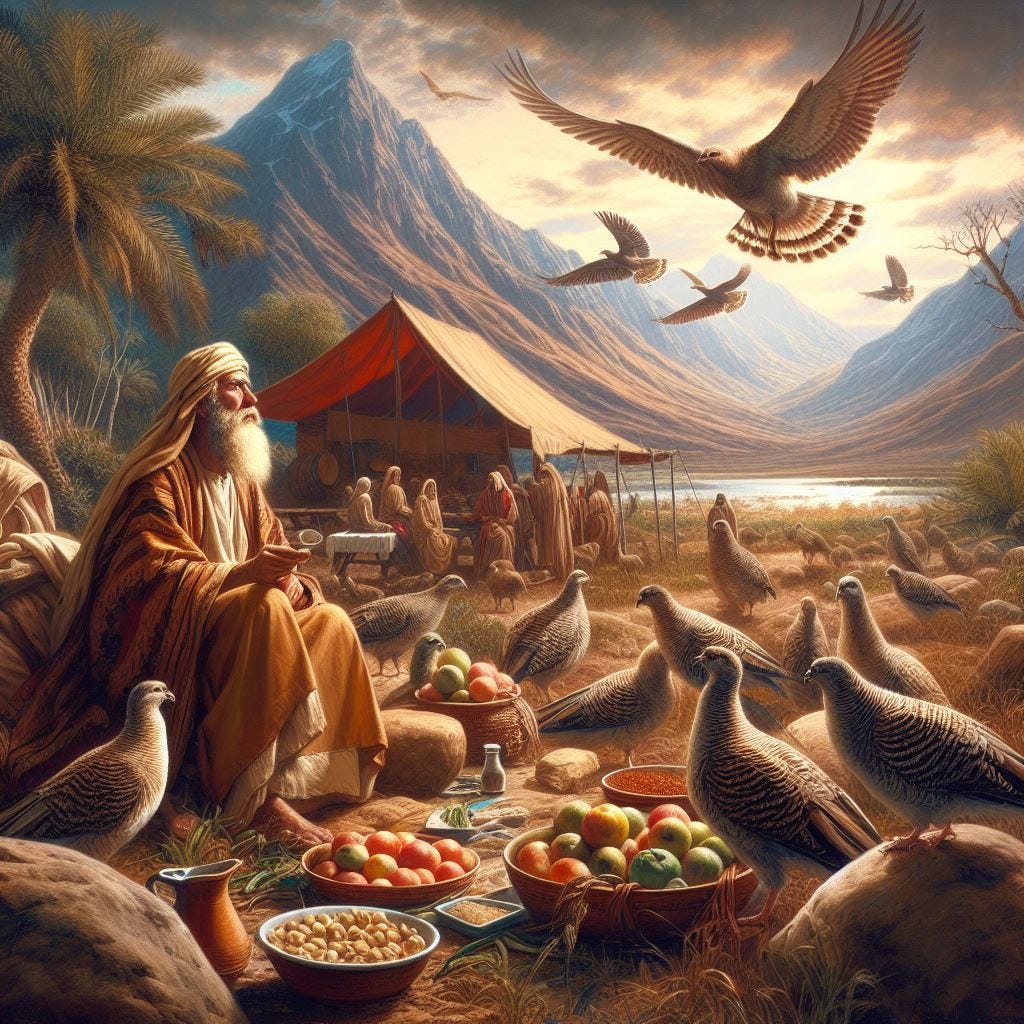
The Bible tells that the Israelites ate quail while in the desert. God sent quail to feed them when they were hungry.
Quail are small birds that live in dry, desert areas. They were an important food source during hard times.
- Quail: Sent by God to feed Israelites (Exodus 16:13)
- Ravens: Fed the prophet Elijah (1 Kings 17:4-6)
- Doves: Used in sacrifices and symbols of peace (Leviticus 1:14)
Significance Of Birds In Ancient Israel
Birds had many roles in ancient Israel. They provided food, symbols, and signs from God.
Some birds were clean and allowed for eating, while others were not. This showed respect for God’s laws.
- Birds were a food source during desert travels
- Some birds were used in religious sacrifices
- Birds symbolized peace, freedom, and God's care
Credit: www.academia.edu
The Quail In The Wilderness
The Israelites ate quail while they traveled in the desert. This bird gave them food during hard times. The quail was a key part of their diet in the wilderness.
Quail are small birds that fly in large groups. They appeared to the Israelites in great numbers. These birds provided meat when other food was scarce.
Scriptural Accounts Of Quail
The Bible tells stories about quail feeding the Israelites. In the Book of Exodus, God sends quail for the people to eat. This happened after they complained about lack of food.
In Numbers, the quail came again. The people gathered the birds for meat. The scriptures show how the quail was a sign of God's provision in the desert.
- Exodus 16: Quail appears after manna complaints
- Numbers 11: Quail arrives in large flocks
- Psalm 78: Quail as God's gift for hunger
Migration Patterns And Availability
Quail migrate in large groups during certain seasons. They move through desert areas where food is found. This made them available to the Israelites at specific times.
Quail often travel at night and rest during the day. They gather where water and plants grow. This helped the Israelites catch many birds at once.
- Travel in large flocks
- Active mostly at night
- Rest and feed near water
- Appear in desert during migration
Identifying The Desert Bird
The Israelites ate a special bird during their time in the desert. This bird gave them food in a harsh land. Many people want to know what kind of bird it was.
We look at history and science to find clues about this bird. Different ideas exist about which bird it really was.
Historical And Archaeological Evidence
Old texts and archaeology help us learn about the bird. The Bible calls the bird "quail". Archaeologists found bones that may belong to desert birds.
- Ancient writings mention quails as food for the Israelites.
- Bird bones found in desert sites match quail species.
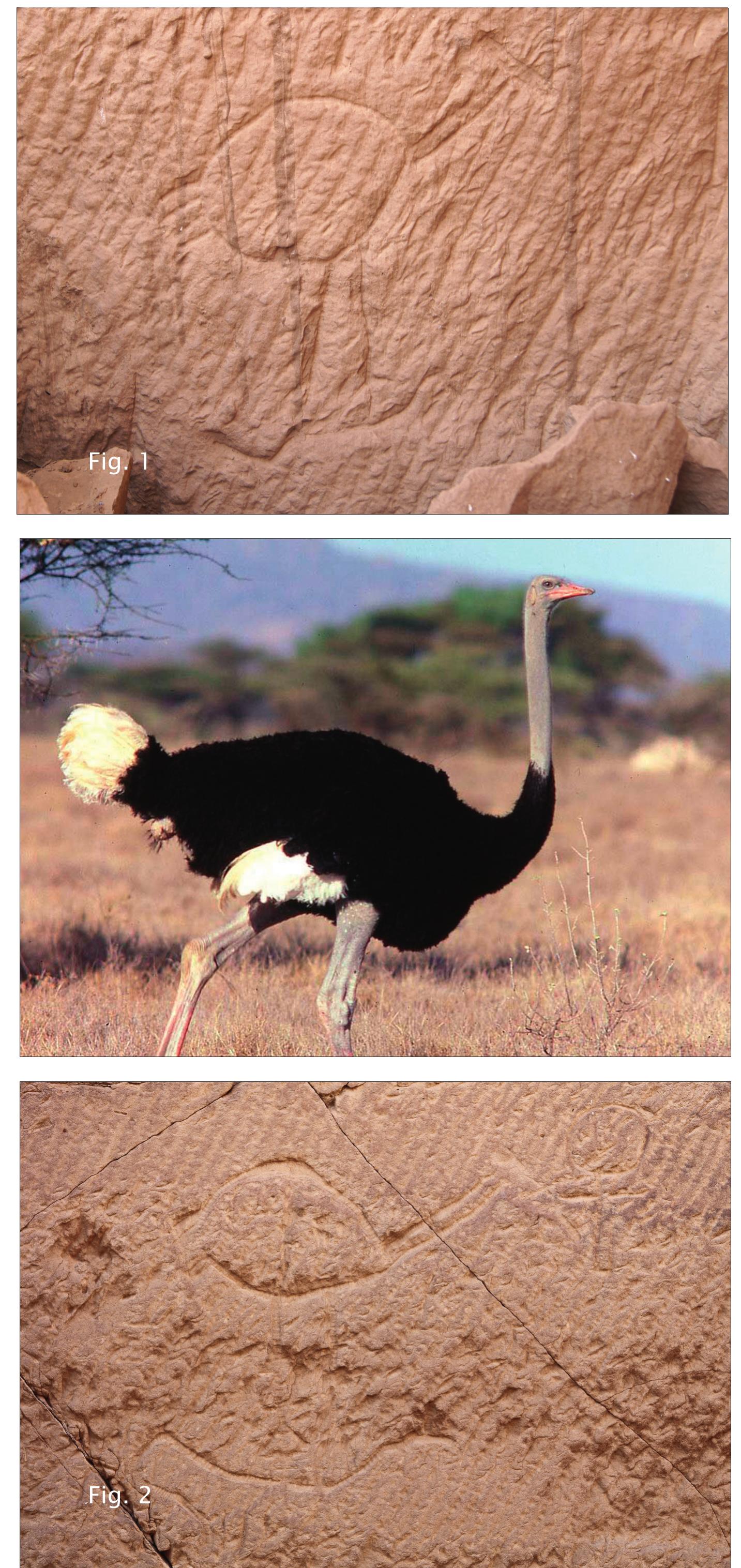
- Paintings and carvings show quail-like birds in the region.
Different Theories On The Bird Species
Experts suggest several birds as the desert quail. Each bird fits some clues but not all.
| Bird Species | Reason for Suggestion | Challenges |
| Common Quail | Found in the Middle East; known to migrate | Small size; may not feed many people |
| Sand Partridge | Lives in desert areas; larger bird | Less common in biblical times |
| Chukar Partridge | Popular game bird; large flocks | Mostly mountain bird, not desert |
Nutritional And Cultural Importance
The Israelites ate a special bird called quail during their time in the desert. This bird helped them survive when food was scarce. Understanding its role shows us how food and faith connect in history.
Quail provided important nutrients and held deep meaning for the Israelites. It was more than just food; it was part of their culture and beliefs.
Role In Survival In Harsh Conditions
Quail was a vital food source for the Israelites in the desert. It offered protein and energy needed for their long journey. The bird could be caught in large numbers, making it reliable.
- High in protein to build and repair muscles
- Rich in vitamins like B12 and minerals such as iron
- Easy to cook and digest, providing quick energy
- Available in flocks, which helped feed many people
Symbolism And Religious Meaning
The quail also had strong religious importance. It symbolized God’s provision and care for the Israelites during hard times. The bird reminded them to trust in divine help.
| Symbol | Meaning |
| Quail | God's gift and protection |
| Manna | Daily sustenance from heaven |
| Desert journey | Faith and endurance |
Modern Scientific Insights
Scholars and scientists study what birds the Israelites ate in the desert. New research helps us understand the types of birds found in desert regions today.
This article reviews ornithological studies and ecological factors affecting bird populations in deserts. It connects these findings with historical records.
Ornithological Studies Related To The Desert
Scientists identify bird species that live in desert areas similar to those the Israelites traveled through. These birds include quails, doves, and sandgrouse.
- Quails are small ground birds that can survive with little water.
- Doves feed on seeds and are common in arid zones.
- Sandgrouse carry water in their feathers to their chicks.
These birds match descriptions from ancient texts, suggesting they may have been part of the diet.
Ecological Factors Affecting Bird Populations
Bird populations in deserts change due to climate, food, and water availability. These factors influence which birds are common at different times.
| Ecological Factor | Effect on Bird Population |
| Rainfall | Increases food and water, boosting bird numbers |
| Temperature | High heat limits some species, favors others |
| Vegetation | Provides food and shelter for nesting |
| Human Activity | Can reduce habitats and food sources |
Understanding these factors helps explain which birds were available as food during desert travels.
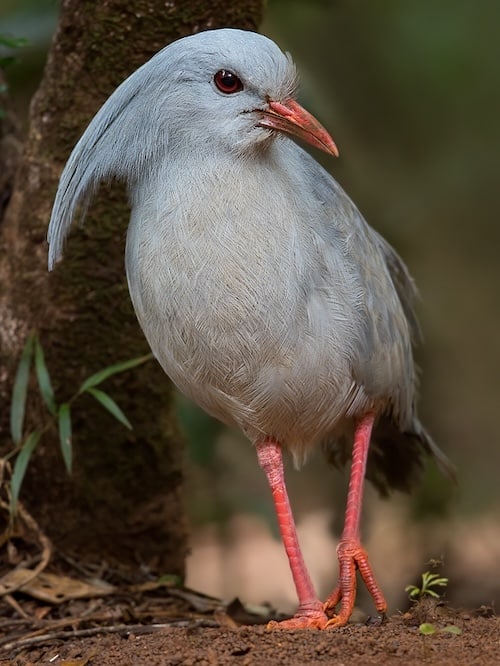
Credit: fatbirder.com
Frequently Asked Questions
What Bird Did The Israelites Eat In The Desert?
The Israelites ate quail in the desert. This bird provided essential protein during their journey. Biblical texts mention quail as the divine provision. It was abundant and easy to catch in the wilderness.
Why Was Quail Significant For Israelites In The Desert?
Quail was a crucial food source for survival. It offered necessary nutrients when other food was scarce. The bird symbolized God's provision and care for the Israelites. Eating quail helped sustain them during their long desert journey.
How Did Quail Reach The Israelites In The Desert?
According to the Bible, God sent quail on strong winds. The birds arrived in large numbers, covering the camp. This miraculous event showed divine intervention in sustaining the people. It was a direct answer to the Israelites’ hunger.
Did The Israelites Eat Other Birds Besides Quail?
The primary bird mentioned is quail. Other birds are rarely referenced as food during the desert period. Quail was the main and significant bird eaten for sustenance. It was readily available and suitable for the harsh desert conditions.
Conclusion
The Israelites ate quail in the desert. This bird provided vital nourishment. Quail migrated and landed near their camps. Easy to catch and cook. A blessing during their long journey. This story teaches survival and faith. Faith that needs can be met unexpectedly.
Even in harsh conditions, nature provides. Understanding this history enriches our knowledge. It connects us to ancient survival stories. Simple lessons. Great impact. A reminder of resilience and trust. In the end, the quail was more than food. It was a symbol of hope and provision.