
Have you ever noticed a bird building a nest near your home and felt a mix of curiosity and concern? While bird nests may seem harmless or even charming, they can pose unexpected dangers to you and your family.
From health risks to property damage, understanding these hidden threats is crucial. If you want to protect your home and loved ones, keep reading—this article will reveal the key dangers of bird nesting and what you can do about them before it’s too late.

Credit: www.realtor.com
Common Nesting Birds Near Homes
Many birds build nests close to human homes. They find places to stay safe and raise their young. Understanding these birds helps keep them and your home safe.
Some birds prefer spots near people because of food and shelter. Knowing their habits helps you spot nesting dangers early.
Species That Build Close To Humans
Common birds that nest near homes include pigeons, sparrows, and swallows. These birds often choose spots that protect their eggs from predators and weather.
- Pigeons often build nests on window ledges and roof beams.
- Sparrows prefer eaves, vents, and small holes in walls.
- Swallows make mud nests under porch ceilings and bridges.
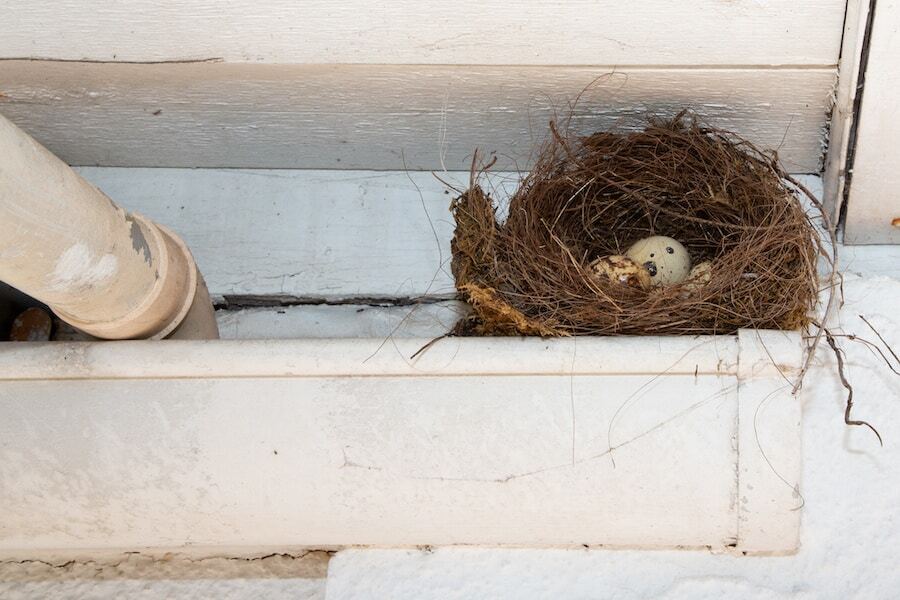
- House finches use shrubs, hanging plants, and gutters.
Preferred Nesting Spots
Birds choose nesting spots based on safety, warmth, and food access. They often pick sheltered places near human activity for protection.
| Bird Species | Common Nesting Spots | Risks Near Homes |
| Pigeons | Window ledges, roof beams | Droppings damage and noise |
| Sparrows | Eaves, vents, wall holes | Block vents, carry mites |
| Swallows | Porch ceilings, bridges | Nest debris, slippery surfaces |
| House Finches | Shrubs, gutters, hanging plants | Attract predators, clog gutters |
Credit: www.callnorthwest.com
Health Hazards Linked To Bird Nests
Bird nests can be found in many places around homes and buildings. Though they seem harmless, they can cause health problems. Understanding these risks helps keep people safe.
This article covers two main dangers: allergens that affect breathing and parasites that spread diseases.
Allergens And Respiratory Issues
Bird nests contain dust, feathers, and droppings that can trigger allergies. These allergens may cause sneezing, coughing, or itchy eyes.
- Feathers can carry tiny particles that irritate lungs.
- Bird droppings produce dust that people can breathe in.
- Mold grows in damp nests and worsens breathing problems.
- People with asthma or allergies may have severe reactions.
Cleaning near nests without protection can increase the risk of breathing in harmful particles.
Parasites And Disease Transmission
Bird nests often house parasites like mites and ticks. These bugs can bite humans and pets, causing irritation and infections.
| Parasite | Health Risk | Common Symptoms |
| Mites | Skin rashes, itching | Red bumps, irritation |
| Ticks | Disease spread (e.g., Lyme disease) | Fever, headache, fatigue |
| Fleas | Allergic reactions, infections | Itching, swelling |
Bird droppings can also carry bacteria and fungi that cause diseases. Contact with these germs may lead to serious infections.
Structural Damage From Nesting
Birds often build nests in and around homes. These nests can cause damage to buildings.
Understanding the problems nesting birds create helps protect your home’s structure.
Clogged Gutters And Roof Damage
Bird nests can block gutters and downspouts. This stops water from flowing properly.
Water buildup can lead to leaks and damage to the roof and walls.
- Leaves and nesting materials fill gutters
- Water overflows and causes wood rot
- Blocked drainage can weaken roof shingles
Chewing And Nesting Material Effects
Birds chew on wood and other parts of the house to build nests. This weakens structures.
Nesting materials can also trap moisture. This causes mold and wood decay over time.
- Chewing damages window frames and siding
- Materials hold water close to wood surfaces
- Long-term exposure leads to costly repairs
Fire Risks Associated With Nests
Bird nests can cause serious fire hazards. Birds build nests in unsafe places.
Nests near electrical systems or with dry materials can start fires. It is important to know the risks.
Nesting Near Electrical Systems
Birds often build nests close to wires and electrical boxes. This can cause short circuits.
Electrical sparks can ignite nests made of dry twigs and leaves. This can start a fire quickly.
- Nests on power lines block air flow and cause overheating.
- Bird droppings can damage insulation and increase fire risk.
- Contact between nests and electrical parts may cause sparks.
Combustible Materials In Nests
Birds use dry grass, leaves, and twigs to build nests. These materials catch fire easily.
Combustible nests near heat sources or electrical wires increase fire danger. Dry nests burn fast.
- Dry leaves and grass ignite with small sparks.
- Feathers and paper add to the flammability.
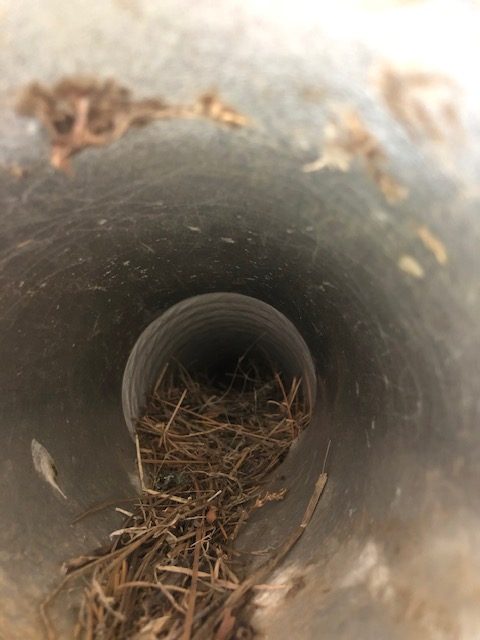
- Nests inside vents or chimneys can block airflow and trap heat.
Legal Protections And Restrictions
Bird nesting sites face legal protections in many places. These laws help keep birds safe during breeding times.
People must follow rules about disturbing nests. These rules stop harm to birds and their eggs.
Protected Bird Species
Some bird species have special legal protection. These laws make it illegal to harm their nests or young.
Protected birds include many native and migratory species. Disturbing their nests can cause fines or other penalties.
- Birds of prey like eagles and hawks
- Songbirds such as warblers and thrushes
- Waterfowl including ducks and geese
- Endangered species protected by law
Timing Restrictions For Nest Removal
Nest removal is often limited to certain times of the year. This protects birds during their breeding season.
Removing nests outside these times reduces harm to eggs and chicks. Follow local rules to know the safe periods.
- Do not remove nests during spring and early summer
- Safe removal usually allowed in late fall or winter
- Check local wildlife agency for exact dates
- Emergency removal may require permits
Preventing And Managing Nesting Issues
Bird nesting near homes can cause damage and health risks. It is important to prevent nesting early. Managing nesting issues helps keep buildings safe and clean.
There are safe ways to deter birds and options for professional removal. Knowing these methods will help you handle the problem responsibly.
Safe Deterrent Methods
Using safe deterrents stops birds without harm. These methods discourage birds from building nests in unwanted areas.
- Install bird spikes on ledges and beams
- Use reflective tape or shiny objects to scare birds
- Place fake predators like owls or snakes nearby
- Keep areas clean and remove food sources
- Close gaps and holes where birds can enter
Professional Removal Services
Professionals handle bird removal safely and legally. They use tools and techniques that protect both birds and property.
| Service | Description |
| Nest Removal | Safe removal of nests without harming birds |
| Bird Exclusion | Sealing entry points to prevent return |
| Cleaning | Removing droppings and debris for hygiene |
| Repellents | Applying safe substances to keep birds away |

Credit: www.yahoo.com
Frequently Asked Questions
What Are The Common Dangers Of Bird Nesting Near Homes?
Bird nesting near homes can cause structural damage, attract pests, and increase the risk of diseases. Nests may block vents or gutters, leading to water damage. Bird droppings can carry harmful bacteria affecting human health. Awareness helps prevent these issues effectively.
How Can Bird Nests Pose Health Risks To Humans?
Bird nests often harbor mites, ticks, and bacteria that cause allergies and infections. Droppings contain fungi that lead to respiratory problems. Handling nests without protection increases exposure to these hazards. Proper hygiene and avoiding direct contact reduce health risks significantly.
Why Is Bird Nesting Dangerous For Property Maintenance?
Nests can clog drainage systems, causing water buildup and damage. Birds may peck at wires or insulation, leading to electrical hazards. Accumulated debris increases fire risks. Regular inspection and safe removal of nests help maintain property safety and reduce costly repairs.
Can Bird Nesting Affect Local Ecosystems Negatively?
Yes, invasive bird species may outcompete native birds for nesting sites. This disrupts local biodiversity and ecological balance. Overpopulation near urban areas causes noise and waste problems. Managing nesting sites supports ecosystem health and protects native wildlife.
Conclusion
Bird nesting dangers are a real concern for bird lovers. Protecting their habitats ensures safe nesting. Always be aware of potential threats around nests. Predators and environmental factors can harm eggs and chicks. Educate yourself on local bird species and their needs.
This knowledge helps in creating safer environments. Encourage others to respect bird habitats too. Simple actions make a big difference. Join local conservation efforts if possible. Every effort counts in preserving bird populations. Let’s safeguard these beautiful creatures and their future.
Together, we can make a positive impact.



