Have you ever wondered how birds keep their eggs safe from danger? Those fragile little eggs hold the future of an entire species, and birds use smart tricks to protect them.
You’ll discover the clever ways birds guard their eggs from predators, harsh weather, and other threats. Understanding these secrets will change the way you see birds and their amazing survival skills. Keep reading—you won’t want to miss how nature’s guardians do their job so well!

Credit: www.reddit.com
Nest Location Choices
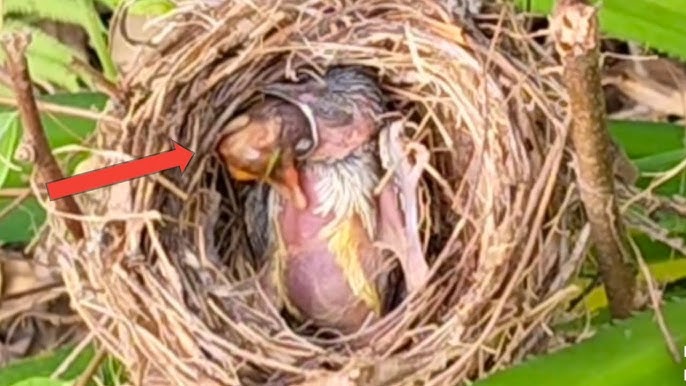
Birds protect their eggs by choosing safe places to build nests. The location helps keep eggs safe from predators and weather.
Birds use different strategies to pick the best spot. They look for hidden places, high locations, and natural materials to blend in.
Hidden Nests
Many birds hide their nests in thick bushes or dense trees. This makes it hard for predators to find the eggs.
Some birds build nests inside cavities or holes in trees. These hidden spots provide strong protection from danger.
- Use dense leaves to cover the nest
- Place nests inside thick branches
- Choose tree holes or rock crevices
Elevated Sites
Birds often build nests high in trees or on cliffs. Higher places keep eggs away from many ground predators.
Nests on tall branches also avoid floods and some bad weather. Elevation gives eggs a safer home.
- Choose tall trees or shrubs
- Build on cliff edges or ledges
- Avoid low ground areas
Camouflaged Materials
Birds use leaves, twigs, and grasses that match their surroundings. This helps hide the nest from enemies.
Some birds add feathers or moss to blend better. Camouflage makes the nest look like part of nature.
- Use local leaves and twigs
- Add moss or grass for cover
- Match colors to the environment

Credit: www.snopes.com
Egg Camouflage Techniques
Birds use many ways to hide their eggs from predators. Camouflage helps eggs blend into their environment. This keeps eggs safe until they hatch.
Egg camouflage depends on the bird’s habitat and nearby objects. Different birds use different methods to protect their eggs.
Mimicking Surroundings
Some birds lay eggs that look like their surroundings. The eggs match the color and shape of leaves, rocks, or dirt. This makes it hard for predators to spot the eggs.
- Eggs may resemble dry leaves in color and shape.
- Some eggs look like small stones or pebbles.
- Nests blend into tree bark or ground cover.
Color Patterns
Eggs often have spots, blotches, or stripes. These patterns break up the egg’s outline. This helps eggs blend with dappled light and shadows.
| Pattern Type | Purpose |
| Spots | Hide eggs among leaves and grass |
| Blotches | Match uneven ground colors |
| Stripes | Blend with twigs and branches |
Texture Matching
Some eggs have rough or shiny shells that copy nearby surfaces. Texture matching hides eggs better than color alone. It fools predators that rely on touch or close inspection.
Example of texture matching includes:
- Eggs with a sandy or gritty shell in desert nests
- Eggs with smooth, glossy shells in wet or leafy areas
- Eggs with a matte finish to reduce shine and glare
Parental Behaviors
Birds show many behaviors to keep their eggs safe. These actions help eggs survive until they hatch.
Parents watch closely, scare off threats, and keep eggs warm. These are key ways they protect their young.
Constant Vigilance
Parent birds stay alert near their nests. They watch for predators and danger all day long. This careful watching helps stop harm.
Distracting Predators
Birds use tricks to lead predators away from eggs. They act weak or injured to draw attention. This helps keep eggs hidden and safe.
- Fake injury displays to lure predators
- Sudden loud calls to scare threats
- Flying near predators to distract them
- Using bright feathers to confuse attackers
Temperature Regulation
Keeping eggs warm is very important. Parent birds sit on eggs to control temperature. They move eggs to shade or sun as needed.
| Behavior | Purpose |
| Sitting on eggs | Keep eggs warm |
| Turning eggs | Even heat distribution |
| Shading eggs | Prevent overheating |
| Moving eggs | Protect from cold or heat |

Credit: swibirds.org
Use Of Chemicals And Odors
Birds use chemicals and odors to protect their eggs. These natural methods help keep eggs safe from predators.
Some birds produce special smells or substances that scare away animals that want to eat their eggs.
Repelling Predators
Many birds release chemicals that predators find unpleasant. These smells make predators avoid the nest.
- Skunks and some birds use strong odors to warn predators.
- Certain birds secrete oily substances on eggshells to repel insects.
- Some species use bitter or toxic chemicals to protect their eggs.
- These chemicals can also mask the scent of the eggs.
Masking Egg Scent
Birds hide the smell of their eggs to stop predators from finding them. This helps keep eggs safe.
| Method | Description |
| Covering Nest | Birds use leaves or mud to cover the nest and block egg scents. |
| Oily Coating | Some birds coat eggs with oils that hide their natural smell. |
| Plant Materials | Using plants that have strong smells to mask egg scent. |
| Regular Nest Cleaning | Removing waste and debris reduces strong odors near eggs. |
Collaborative Defense
Many bird species protect their eggs by working together. This teamwork helps keep their nests safe. Birds use group actions to stop predators from stealing eggs.
Collaborative defense means many birds act as one. Their combined efforts make it hard for enemies to succeed.
Group Nesting Benefits
Birds that nest in groups get many advantages. More eyes watch for danger around the nests. This helps spot threats early.
Group nesting also means sharing the job of guarding eggs. Birds can take turns watching while others rest or find food.
- Increased safety from predators
- Better chance to warn others quickly
- Shared guarding duties reduce stress
Alarm Calls
Birds use loud alarm calls to warn others about danger. These calls help the whole group get ready for a threat. They alert nearby birds to protect their eggs.
Each bird learns different alarm sounds for different dangers. This way, birds can react quickly and correctly to what is happening.
- Warns group of approaching predators
- Helps birds prepare to defend or flee
- Strengthens group communication
Aggressive Mobbing
When a predator comes close, birds may mob it together. Mobbing means many birds fly at the enemy. They make loud noises and flap wings to scare it away.
This aggressive behavior often forces predators to leave. It shows that the group is strong and ready to defend their eggs.
- Multiple birds attack the threat
- Uses noise and movement to confuse predators
- Protects eggs by driving enemies away
Innovative Nest Designs
Birds create nests to keep their eggs safe from harm. These nests use smart ideas to protect eggs from the environment and predators.
Different birds build nests with unique features. These features help in keeping eggs secure and healthy until they hatch.
Barrier Construction
Birds build barriers using twigs, leaves, and mud. These barriers stop predators from reaching the eggs. Some birds add sharp materials like thorns or sticks.
- Use of thorny branches around the nest
- Thick layers of leaves and moss as walls
- Mud plaster to fill gaps and harden the nest
- Camouflage materials to blend with surroundings
Waterproofing
Waterproof nests keep eggs dry during rain. Birds use natural oils and resins to coat the nest lining. Some birds line nests with feathers or grass that repel water.
| Material | Purpose |
|---|---|
| Bird saliva | Seals gaps to prevent water |
| Feathers | Trap air and repel moisture |
| Plant resins | Waterproof outer shell |
| Grass lining | Absorbs moisture but dries fast |
Structural Strength
Strong nests hold eggs safely in wind and movement. Birds weave materials tightly and build a strong base. Some nests have extra supports like sticks or mud pillars.
- Tightly woven twigs and grass for firmness
- Thick mud bases to anchor the nest
- Use of spider silk or animal hair as binding threads
- Building nests in protected spots like tree forks or caves
Frequently Asked Questions
How Do Birds Keep Their Eggs Safe?
Birds protect eggs by building nests in hidden or hard-to-reach places. They camouflage the nest with natural materials. Some birds take turns incubating eggs, while others guard the nest from predators. Birds may also use distraction tactics to lead threats away from their eggs.
What Materials Do Birds Use For Nests?
Birds use twigs, leaves, feathers, and even mud to build nests. They select materials based on availability and nest location. Some birds use man-made items like string or paper. The choice of materials helps in camouflaging the nest and keeping eggs secure from predators and harsh weather.
Why Do Birds Sit On Their Eggs?
Birds sit on eggs to provide warmth and ensure proper development. The body heat from the parent bird is crucial. Incubation helps maintain a consistent temperature necessary for embryo growth. This close contact also allows the parent to sense if something is amiss with the eggs.
How Do Birds Distract Predators?
Birds distract predators by feigning injury or leading them away from the nest. They perform broken-wing displays or make loud distress calls. This behavior confuses predators, directing attention away from eggs. Some birds also create false nests to further mislead potential threats.
Conclusion
Birds protect their eggs in many clever ways. They build nests in safe places, away from danger. Some birds use camouflage to hide their eggs well. Others stay close to watch over the eggs day and night. These actions help keep the eggs safe until they hatch.
Nature shows us how animals care for their young. Watching birds protect eggs teaches us about patience and care. Their efforts ensure new life can grow and thrive. Simple but smart, bird protection helps nature continue its cycle.