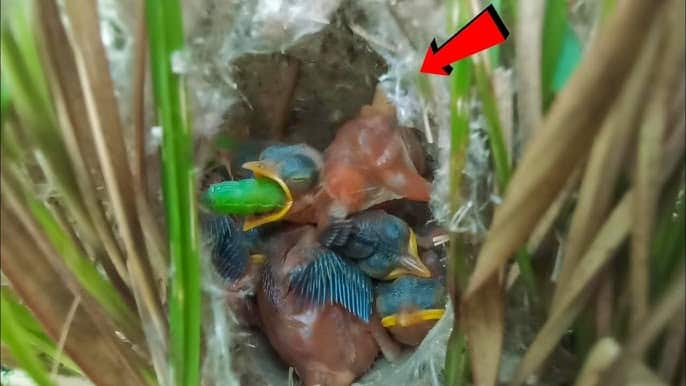
Have you ever found a baby bird and wondered what to feed it? You might be asking yourself, “Can I feed worms to a baby bird?”
It’s a natural thought because worms seem like the perfect snack. But before you offer those wriggly treats, there are important things you need to know. Feeding a baby bird the wrong food can harm it, even if your intentions are good.
Keep reading to discover the best way to care for a baby bird and why worms might not always be the answer you expect. Your little feathered friend’s health depends on it!
Feeding Worms To Baby Birds
Baby birds need food that gives them energy and helps them grow. Worms are often seen as a good choice. They are soft and easy for baby birds to eat.
This article explains the benefits, types of worms, and risks of feeding worms to baby birds. It helps you understand how to care for these young birds safely.
Nutritional Benefits Of Worms
Worms contain many nutrients that baby birds need. They are rich in protein, which helps build strong muscles. Worms also have vitamins and minerals that support healthy growth.
- High protein content for muscle development
- Good source of vitamins like B-complex
- Contains essential minerals such as iron
- Soft texture easy for baby birds to swallow
Types Of Worms Suitable For Baby Birds
Not all worms are safe for baby birds. Choosing the right type is important to avoid harm. Here are common worms that are safe to feed:
| Worm Type | Safety Level | Notes |
| Earthworms | Safe | Rich in nutrients, natural food |
| Mealworms | Safe | Good protein source, widely available |
| Red Wigglers | Safe | Often used in compost, clean |
| Nightcrawlers | Safe | Large size, cut into pieces |
| Unknown wild worms | Not Safe | May carry parasites or toxins |
Risks Of Feeding Worms
Feeding worms to baby birds has some risks. Worms may carry bacteria or parasites that harm birds. Also, some worms contain pesticides or chemicals if found outdoors.
- Possible parasites in wild worms
- Bacteria that cause infections
- Choking hazard if worms are too large
- Contaminants like pesticides on worms from gardens

Credit: www.youtube.com
Identifying Baby Bird Needs
Feeding a baby bird requires understanding its unique needs. Not all foods suit every baby bird.
Worms can be good, but you must know the bird’s age and diet preferences first.
Age And Development Stage
Baby birds’ food needs change as they grow. Very young birds need soft, easy-to-digest food.
Older baby birds can eat more solid foods like worms. Feeding the wrong food can harm them.
- Newborns need mostly regurgitated food or formula
- Feathered chicks start eating small, soft insects like worms
- Fledglings can eat larger insects and more solid foods
Species-specific Diet Preferences
Different bird species eat different diets. Some love worms, others prefer seeds or fruit.
Check the bird species before feeding worms. Feeding the wrong food can cause health issues.
- Robins and bluebirds often eat worms as baby birds
- Finches and sparrows prefer seeds and insects
- Parrots need a mix of fruits, seeds, and insects
Safe Feeding Techniques
Feeding baby birds requires care to keep them safe and healthy. Worms can be a good food choice if prepared right.
This guide covers safe methods to prepare worms, feeding amounts, and ways to avoid choking.
Preparing Worms For Feeding
Always clean worms before feeding them to baby birds. Rinse worms gently with water to remove dirt. Cut large worms into small pieces. This helps the baby bird eat easily without stress.
Feeding Frequency And Portions
Feed baby birds small amounts often. Too much food can upset their stomach. Use this feeding guide to help:
- Feed every 15 to 20 minutes during daylight.
- Give about 3 to 5 small pieces of worm each time.
- Watch the bird’s hunger cues and adjust feeding.
Avoiding Choking Hazards
| Risk | How to Avoid |
| Worms too big | Cut worms into tiny pieces |
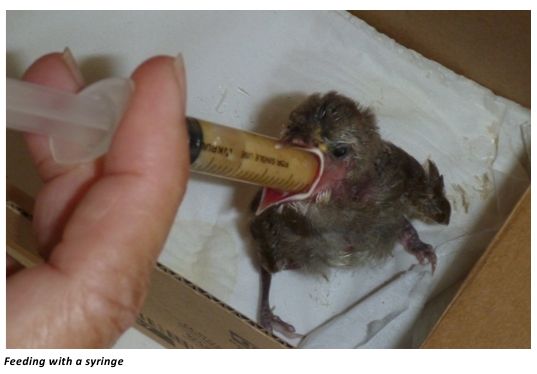
| Feeding too fast | Feed slowly and gently |
| Dry food | Keep worms moist before feeding |
| Bird not swallowing | Stop feeding and let bird rest |
Alternative Food Options
Feeding a baby bird the right food is important for its growth. You may wonder about alternatives to worms. Some foods offer good nutrition and are safe to feed.
Below are some options you can try if you cannot find worms or want variety in the diet.
Insects And Protein Sources
Baby birds need protein for strong muscles and feathers. Small insects and protein-rich foods can help.
- Small crickets
- Mealworms (live or dried)
- Soft-bodied caterpillars
- Boiled egg yolk mashed finely
- Cooked chicken pieces (finely shredded)
Fruits And Vegetables
Fruits and vegetables add vitamins and moisture. Use soft, easy-to-digest options.
| Food | Preparation |
|---|---|
| Banana | Mash into a smooth paste |
| Apple | Peel and finely chop |
| Peas | Cook and mash |
| Carrots | Steam and grate |
| Blueberries | Crush gently |
Commercial Baby Bird Foods
Ready-made baby bird foods provide balanced nutrition. They are made to support growth and health.
- Powdered formulas mixed with water
- Pellets designed for young birds
- Gel food that is easy to feed
- Freeze-dried insect blends
Monitoring Baby Bird Health
Feeding baby birds requires careful attention to their health. Worms can be part of their diet, but watching their health is key. Proper nutrition helps baby birds grow strong and avoid sickness.
Knowing the signs of good nutrition and spotting health problems early keeps baby birds safe. This guide helps you understand what to watch for when feeding worms to a baby bird.
Signs Of Proper Nutrition
A baby bird with good nutrition looks healthy and active. Their feathers are smooth and bright. They have a strong appetite and gain weight steadily. These signs show they get enough food and the right nutrients.
- Bright, clean feathers without bald spots
- Active and alert behavior
- Regular eating and drinking
- Consistent weight gain over days
- Clear eyes and smooth skin
Common Health Issues From Poor Diet
Feeding baby birds without enough variety or nutrients can cause health problems. Poor diet often leads to weak bones, stunted growth, and infections. Worms are good protein but must be part of a balanced diet.
| Health Issue | Cause | Symptoms |
| Malnutrition | Not enough vitamins and minerals | Weakness, slow growth, dull feathers |
| Dehydration | Not enough water or moist food | Sunken eyes, dry skin, lethargy |
| Parasitic Infection | Overfeeding worms or unsafe sources | Diarrhea, weight loss, swollen abdomen |
Credit: besgroup.org
When To Seek Expert Help
Feeding worms to a baby bird can seem helpful but may cause harm if done incorrectly.
Knowing when to ask for expert advice is important for the bird’s health and safety.
Veterinary Advice
If the baby bird shows signs of illness or injury, contact a veterinarian immediately.
- Unusual lethargy or weakness
- Visible wounds or bleeding
- Difficulty breathing or swallowing
- Persistent diarrhea or vomiting
- Refusal to eat or drink
Wildlife Rehabilitation Resources
Wildlife rehabilitators have the skills to care for orphaned or injured birds safely.
| Resource | Purpose | How to Contact |
| Local Wildlife Center | Professional bird care and release | Phone or website |
| Bird Rescue Hotline | Emergency advice and referrals | 24/7 phone line |
| Online Wildlife Forums | Community support and tips | Web forums or social media groups |

Credit: www.youtube.com
Frequently Asked Questions
Can Baby Birds Eat Worms Safely?
Yes, baby birds can eat worms safely. Worms provide essential proteins and nutrients that support healthy growth and development in young birds.
How Often Should I Feed Worms To Baby Birds?
Feed worms to baby birds several times daily. Small, frequent feedings mimic natural feeding patterns and ensure steady nutrition for proper growth.
Are Earthworms The Best Choice For Baby Birds?
Earthworms are a great choice. They are soft, easy to digest, and rich in protein, making them ideal for feeding baby birds.
Can Feeding Worms Replace Other Baby Bird Foods?
No, worms should complement, not replace, other foods. A balanced diet includes worms, seeds, insects, and appropriate fruits or vegetables.
Conclusion
Feeding worms to a baby bird requires caution. Not all worms are safe. Earthworms are generally a good choice. Always ensure the worm is the right size. Large worms can choke baby birds. It’s crucial to observe the bird’s reactions.
Some birds might not accept worms. Consult a vet for specific advice. Every bird species has unique dietary needs. Proper feeding helps birds grow strong. Always prioritize the bird’s health and safety. Remember, responsible feeding ensures a healthy bird. Keep learning and stay informed.
Your efforts can make a big difference.