
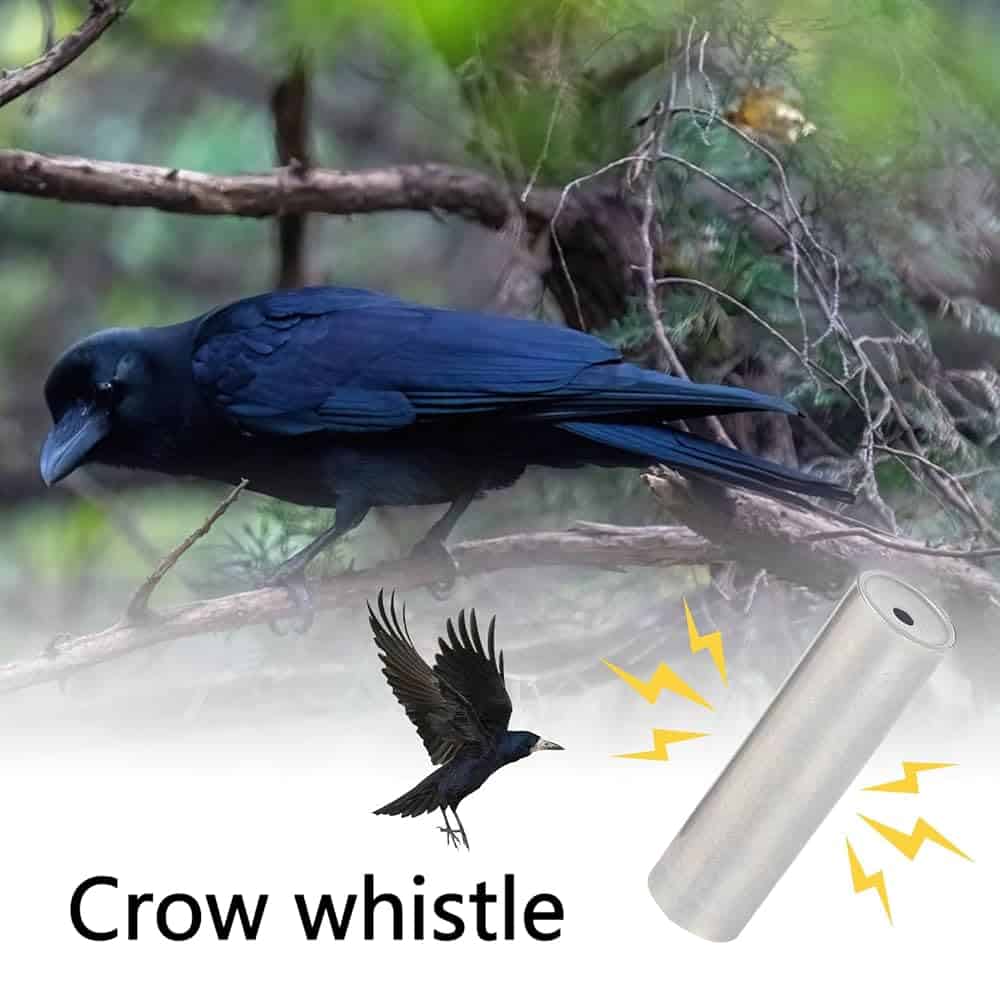
Have you ever wondered if making calls can actually attract birds to your backyard? Imagine turning your outdoor space into a lively haven filled with beautiful bird songs and colorful feathers.
If you’re curious about how simple sounds might invite these winged visitors closer, you’re in the right place. This article will reveal the surprising truth about bird calls and how you can use them to connect with nature like never before.
Keep reading, and discover how your voice or a call device could change the way birds visit your world.
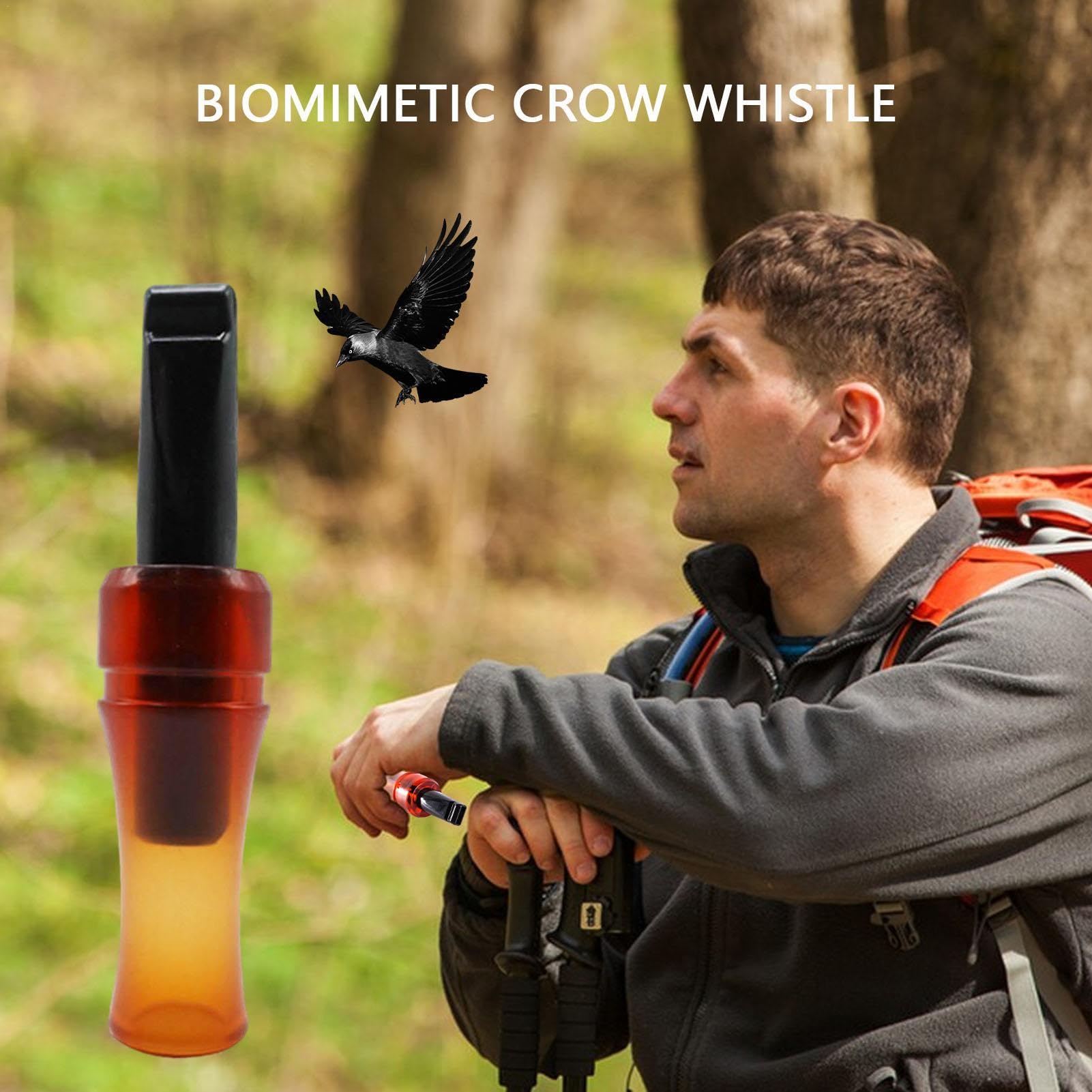
Credit: us.amazon.com
Bird Calls And Communication
Birds use calls to talk with each other. These sounds help them share important information.
Understanding bird calls can show us how birds find food, warn of danger, and find mates.
Types Of Bird Calls
Birds make many kinds of calls. Each call has a special meaning.
Some common types include alarm calls, contact calls, and song calls.
- Alarm Calls:Warn others about danger nearby.
- Contact Calls:Help birds stay in touch with their group.
- Song Calls:Used to attract mates and mark territory.
Purpose Of Bird Vocalizations
Bird calls serve many jobs. They help birds survive and live well.
Calls can warn of predators, keep groups together, or find partners.
- Alert others about threats
- Keep flock members close
- Attract mates during breeding
- Mark home areas or territory
How Birds Recognize Calls
Birds learn to know calls from their own species. This helps them react fast.
They can tell friends from strangers by the sounds they hear.
- Familiar calls mean safety or food
- Unknown calls may signal danger
- Birds remember calls from their group
- Calls guide young birds to parents
Effects Of Calls On Bird Behavior
Bird calls play an important role in how birds act. These sounds help birds communicate with each other. Calls can change bird behavior in many ways.
Scientists study how calls affect birds. They watch how birds respond to different sounds. This helps us learn about bird life and habits.
Attraction To Mating Calls
Mating calls help birds find partners. Birds listen to these calls to choose a mate. The calls show the bird’s health and strength.
Female birds often come closer to males with strong calls. Males use calls to compete for attention. This increases their chance to mate.
- Mating calls attract potential partners
- Calls show fitness and readiness
- Strong calls increase mating success
Territorial Responses
Birds use calls to protect their space. They make loud sounds to warn others away. This helps keep their territory safe from rivals.
When a bird hears a territorial call, it may respond with its own call. This shows it is ready to defend its area. The calls can stop fights before they start.
- Territorial calls mark bird boundaries
- Calls warn intruders to stay away
- Responses prevent physical fights
Alarm And Warning Calls
Birds use alarm calls to signal danger. These calls alert others about predators nearby. Birds quickly react to these warning sounds.
Alarm calls help birds hide or flee from threats. Some birds join together to chase away predators. These calls improve the safety of the group.
- Alarm calls warn about predators
- Calls trigger hiding or escape
- Group safety improves with calls
Using Calls To Attract Birds
Bird calls are sounds made to attract birds. Many bird watchers and hunters use calls to bring birds closer. Calls can mimic bird songs or alarm sounds.
Using calls correctly helps you see more birds. It also helps study bird behavior from a short distance.
Popular Bird Call Techniques
Many people use different ways to make bird calls. One common way is to imitate bird songs by whistling or using a call device. Some use recorded sounds to play back bird calls.
Another technique is to play alarm calls. These sounds alert birds of danger and can make them curious or cause them to come out.
- Whistling bird songs
- Using hand-held call devices
- Playing recorded bird sounds
- Calling with mouth or throat sounds
- Using alarm or distress calls
Tools And Devices For Bird Calling
Many tools help make bird calls easier and clearer. Simple tools include whistles made for bird sounds. Some devices use reeds or small tubes to copy bird songs.
Technology also helps. You can use small speakers or phones with bird call apps. These tools play real bird sounds to attract birds nearby.
- Bird whistles
- Reed call devices
- Small portable speakers
- Smartphone apps with bird sounds
- Recorded sound players
Best Practices For Bird Call Use
Use bird calls carefully to avoid disturbing birds too much. Start with soft calls and watch how birds react. If birds seem scared, stop calling.
Use calls only for a short time. Avoid calling during nesting season to protect birds. Always respect wildlife and their habitat.
- Use calls softly and slowly
- Stop if birds show stress
- Limit calling time
- Avoid calling near nests
- Respect birds and nature

Credit: www.allaboutbirds.org
Scientific Studies On Bird Call Attraction
Bird calls are sounds birds make to communicate. Scientists study if these calls can attract other birds. This research helps understand bird behavior and ecology.
Many studies test if playing recorded calls brings birds closer. Researchers observe how birds respond to these sounds in nature.
Field Research Findings
Field studies show that some bird calls do attract certain species. Birds may approach calls to find mates or defend territory. Others might ignore calls or leave the area.
- Playback of mating calls often draws interested birds.
- Alarm calls can scare birds away instead of attracting them.
- Some species respond only to calls from their own group.
- Time of day and season affect bird reactions to calls.
Impact On Bird Populations
Using bird calls can affect bird populations in different ways. It may help researchers monitor birds without capturing them. But repeated playbacks might stress birds or change their behavior.
| Effect | Description |
| Attraction | Birds move closer to recorded calls for mating or territory. |
| Stress | Repeated calls can cause anxiety and energy loss. |
| Disruption | Calls may interrupt feeding or nesting activities. |
| Monitoring | Calls help track bird numbers and species without harm. |
Ethical Considerations
Scientists must consider bird welfare when using calls. Playing calls too often or loud may harm birds. Rules and guidelines exist to protect birds during research.
Key ethical points include:
- Limit playback duration and volume
- Avoid using alarm calls that cause panic
- Stop if birds show signs of distress
- Use calls only for valid scientific purposes
Bird Calls In Different Environments
Bird calls help birds communicate with each other. They use calls to find mates, warn of danger, or mark territory.
The sounds birds make can change depending on where they live. Different environments affect how calls travel and how birds respond.
Forest And Woodland Areas
In forests, bird calls often need to travel through thick trees and leaves. Birds use clear, sharp calls that cut through the noise of rustling leaves.
Birds like woodpeckers and owls have special calls that echo well in these areas. These calls help them find each other in dense woods.
- Calls are usually short and sharp
- Sounds carry better at higher pitches
- Echoes help birds locate each other
Wetlands And Marshes
Wetlands have open water and tall grasses. Bird calls here are often loud and long to travel across open spaces and water.
Water birds like herons and ducks use deep calls that carry far. These calls help them stay in contact over large areas.
- Calls are loud and carry over water
- Low-frequency sounds travel far
- Birds use calls to stay in groups
Urban And Suburban Settings
City sounds make it hard for birds to hear each other. Birds in towns use higher-pitched calls to stand out from noise.
Some birds change their calls to be louder or shorter. This helps them find mates or warn of danger despite busy environments.
- Calls are often higher and louder
- Shorter calls avoid overlapping with noise
- Birds may repeat calls more often
Tips For Birdwatchers Using Calls
Bird calls can help birdwatchers see more birds. They attract birds by mimicking their sounds.
Using calls needs care and respect to avoid disturbing wildlife. Here are some tips for using calls well.
Timing And Seasonality
Birds respond to calls more at certain times and seasons. Early morning is often best for calling birds.
Spring and early summer are good seasons because birds are more active. Avoid using calls during nesting.
- Use calls mostly at dawn or dusk
- Focus on spring and early summer months
- Do not use calls near nests or young birds
Respecting Wildlife
Birds can get stressed by too many calls. Keep your use short and quiet to avoid harm.
Stop calling if birds show signs of stress or fly away. Always watch how birds react to your calls.
- Limit call sessions to a few minutes
- Watch for signs of stress or fear
- Never chase or trap birds after calling
Enhancing Birdwatching Experiences
Calls can help you see shy birds you might miss otherwise. Use calls to bring birds closer carefully.
Combine calls with patience and quiet observation. This improves your chances of a good birdwatching day.
- Practice calls before going outside
- Stay still and listen after using calls
- Use calls to learn bird sounds better
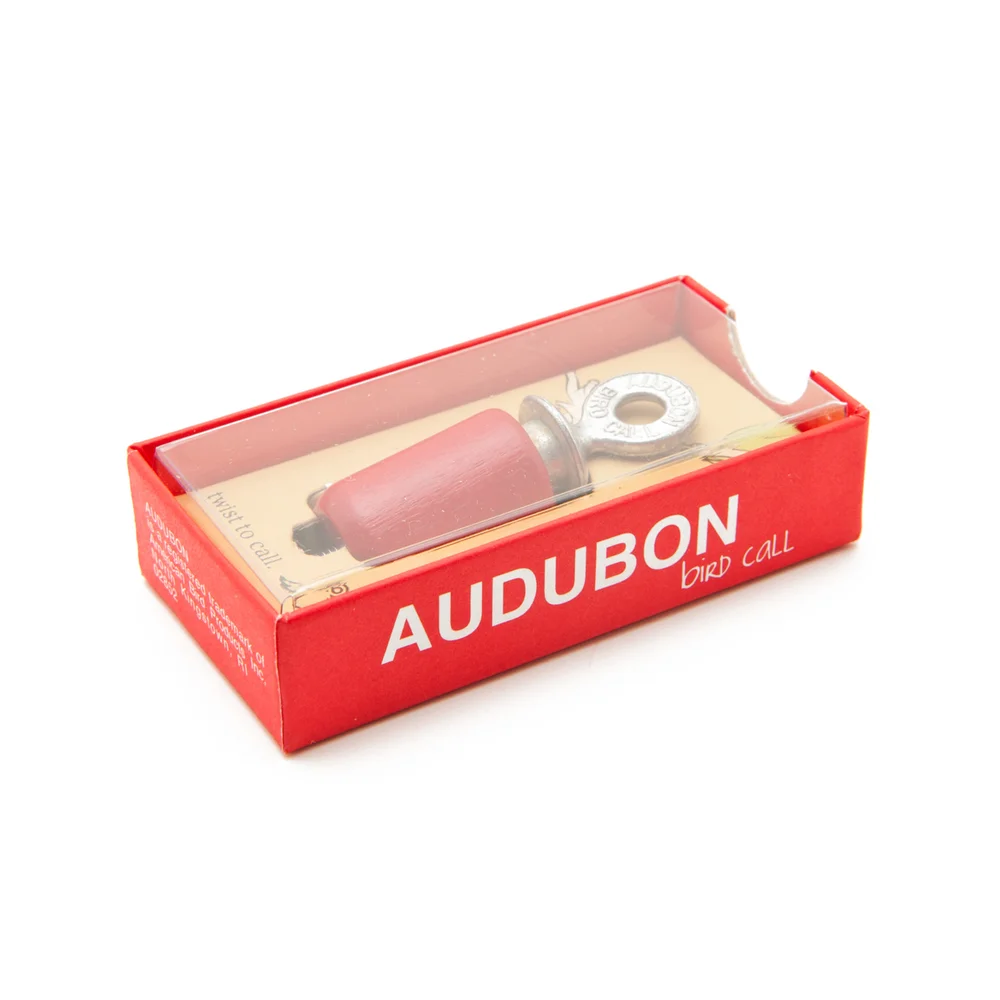
Credit: www.birdcall.com
Frequently Asked Questions
Do Bird Calls Really Attract Wild Birds?
Yes, bird calls can attract wild birds by mimicking their natural sounds. Birds recognize these calls as signals for food, mates, or territory, encouraging them to approach the source.
Which Bird Calls Are Best For Attracting Birds?
Calls of local species or common birds in your area work best. Using familiar sounds increases the chances of attracting birds naturally and effectively.
Can Calls Attract Unwanted Or Aggressive Birds?
Yes, some calls may attract aggressive or territorial birds. Use calls carefully to avoid conflicts, especially during breeding seasons when birds are more protective.
How Do Bird Calls Affect Bird Behavior?
Bird calls can trigger curiosity, mating rituals, or territorial defense. They influence birds’ movements and interactions by simulating real-life communication signals.
Conclusion
Bird calls can indeed attract various bird species. These sounds signal a safe environment. Birds listen and respond to familiar calls. Using calls can enhance birdwatching experiences. It creates a vibrant and lively atmosphere. Observing birds react to calls is fascinating.
This connection deepens our understanding of nature. Respecting wildlife while using calls is crucial. Enjoy the beauty of nature responsibly. By doing so, you create a harmonious space. Happy birdwatching!


