
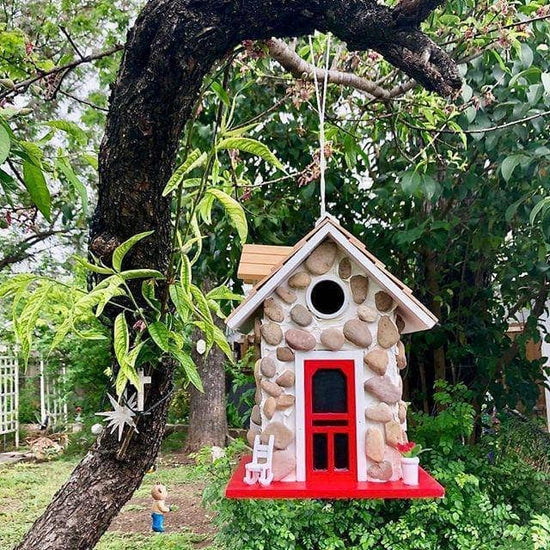
Have you ever wanted to invite more colorful birds into your yard? Building DIY houses for birds is a simple and rewarding way to do just that.
Imagine waking up to cheerful bird songs right outside your window. These little homes not only provide shelter but also create a safe space for birds to thrive near you. You’ll discover easy and affordable ways to craft birdhouses that attract your favorite feathered visitors.
Ready to turn your outdoor space into a bird paradise? Let’s get started!

Credit: underatinroof.com
Benefits Of Bird-friendly Yards
Creating a yard that attracts birds brings many benefits. It helps nature and makes your space lively.
Bird-friendly yards support the environment and provide enjoyment for people of all ages.
Enhancing Local Wildlife
Bird-friendly yards add plants and features that support local animals. This helps the whole ecosystem.
More plants and water sources attract insects and small animals. Birds come to feed and nest.
- Native plants provide food and shelter
- Water features attract birds and insects
- Safe spaces help wildlife thrive
Supporting Bird Populations
Bird-friendly yards offer food, water, and shelter for birds. This helps them survive and grow.
Providing safe places reduces dangers from predators and harsh weather. This supports healthy bird numbers.
- Feeders supply extra food in tough seasons
- Birdhouses give safe nesting spots
- Plants offer natural seeds and berries
Creating A Relaxing Environment
Birds bring peaceful sounds and movement to your yard. This makes your outdoor space calm and nice.
Watching birds helps reduce stress and connects you to nature. It creates a quiet place to relax.
- Birdsong adds natural music
- Colorful birds create lively views
- Outdoor spaces feel fresh and inviting
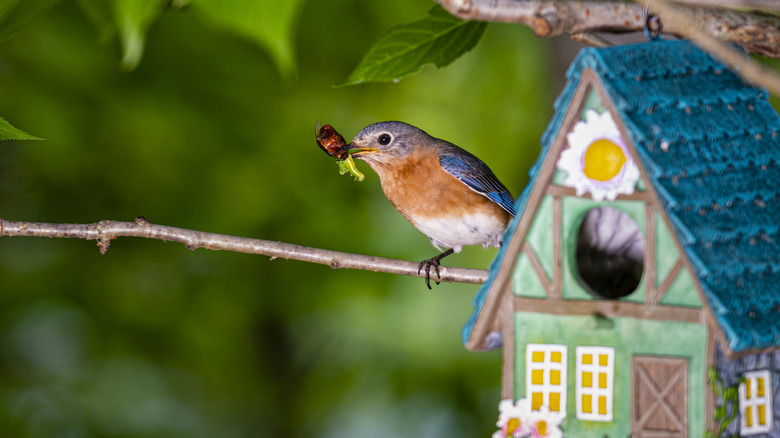
Credit: www.outdoorguide.com
Choosing The Right Materials
Building birdhouses yourself can be fun and rewarding. Picking the right materials helps keep birds safe and happy.
Some materials work better for birdhouses than others. It is important to think about safety, weather, and nature.
Eco-friendly Options
Using eco-friendly materials protects the environment and birds. Wood from sustainable sources is a good choice.
Natural materials blend well in the garden and do not harm wildlife. Avoid plastics and treated woods that can be toxic.
- Untreated cedar or pine wood
- Bamboo pieces
- Natural twine or jute for hanging
- Clay or natural stone accents
Durable And Safe Materials
Durable materials protect birds from rain, wind, and sun. Choose wood that lasts without harmful chemicals.
Avoid sharp edges and small parts that birds can swallow. Smooth the surfaces to keep birds safe.
- Thick wooden planks for walls
- Non-toxic wood glue or nails
- Natural paint or sealants safe for birds
- Metal mesh for ventilation, if needed
Repurposing Household Items
You can reuse old things to build birdhouses. This helps reduce waste and saves money.
Look for safe, clean items that fit the size birds need. Avoid anything with paint that peels or chemicals.
- Old wooden drawers or boxes
- Unused ceramic pots or cups
- Broken bird feeders or baskets
- Scrap wood from furniture
Simple Nesting Box Designs
Birds need safe places to rest and raise their young. Simple nesting boxes can attract many bird species. These boxes are easy to make and help birds feel secure.
You can build nesting boxes with basic materials. This guide shows three easy designs anyone can try at home.
Basic Wooden Boxes
Wood is a natural choice for nesting boxes. It keeps birds warm and dry. You only need a few wood pieces and nails to build one.
Choose untreated wood to avoid chemicals. Make sure the box has a small entrance hole. This keeps bigger animals out.
- Use cedar or pine wood
- Cut a hole about 1.5 inches wide
- Leave a small gap for air flow
- Attach a slanted roof to shed rain
- Mount box on a tree or pole
Using Clay Pots
Clay pots can make cozy homes for birds. They are sturdy and keep birds cool in summer. Use a pot with a closed bottom for safety.
Cut an entrance hole near the top. Hang the pot with strong wire or rope. Fill the bottom with dry leaves or straw for comfort.
- Choose a medium-sized pot
- Cut a 1.5 inch entrance hole
- Hang pot away from predators
- Add nesting materials inside
- Place in a shaded spot
Upcycled Containers
Old containers can become bird homes. Use plastic bottles, tins, or wooden crates. Clean them well before use. Cut a small entrance hole and add nesting material.
Secure the container so it does not move in wind. Paint or decorate it with natural colors to blend with nature. This helps birds feel safe.
- Use clean, sturdy containers
- Cut an entrance hole about 1.5 inches
- Fill with dry nesting materials
- Mount securely on a tree or wall
- Keep containers out of direct sun
Creative Nesting Ideas
Building DIY houses to attract birds brings nature closer to your home. Birds need safe places to nest and raise their young.
Simple and creative nesting ideas help birds find shelter. Use natural materials and fun designs to invite birds.
Natural Elements For Nesting
Use twigs, leaves, and moss to make cozy nests. These materials feel natural to birds and keep nests warm.
Place natural elements near trees or bushes. This helps birds find the nests easily and stay safe from predators.
- Collect dry grass and small twigs
- Add soft moss or feathers inside
- Use bark pieces for extra cover
- Place nests near water or food sources
Decorative Birdhouses
Paint birdhouses with soft colors to blend with nature. Avoid bright or shiny paints that scare birds.
Decorate houses with natural wood, small stones, or dried flowers. These add charm and attract birds looking for safe homes.
- Use untreated wood for building
- Drill entrance holes of proper size
- Attach small perches below the entrance
- Keep houses clean every season
Hanging Nesting Stations
Hang nesting stations from tree branches or porch ceilings. This keeps nests off the ground and away from animals.
Use ropes or chains that hold weight safely. Make sure nests do not swing too much in the wind.
- Choose sturdy hanging materials
- Place nests in shaded, quiet spots
- Check nests often for damage
- Add small roofs to protect from rain
Placement Tips For Birdhouses
Building a birdhouse is fun, but placing it right is important. Birds will visit if the house is safe and comfortable.
Good placement helps protect birds and makes the house more attractive. Use these tips to find the best spot.
Ideal Locations
Choose quiet spots away from busy paths and loud noise. Birds like calm places near trees or shrubs.
- Place near natural cover like bushes or trees
- Avoid places too close to bird feeders
- Pick a spot with some sunlight and some shade
- Keep away from windows to prevent collisions
Height And Orientation
| Bird Type | Recommended Height | Facing Direction |
| Small Songbirds | 5 to 10 feet | East or Southeast |
| Woodpeckers | 10 to 15 feet | South or East |
| Bluebirds | 4 to 6 feet | Open area, East-facing |
Place the birdhouse at the right height for the bird type. Face the entrance away from strong winds and direct afternoon sun.
Avoiding Predators
Protect birds from cats, raccoons, and snakes by following these tips:
- Use metal predator guards on poles
- Keep birdhouses away from low branches
- Place houses at least 10 feet from walls or fences
- Clear brush below the birdhouse
Maintaining Your Birdhouses
Taking care of birdhouses helps keep birds safe and healthy. Regular maintenance keeps houses inviting and clean.
Check your birdhouses often. Fix problems early to protect the birds inside.
Cleaning And Repairs
Clean birdhouses after each nesting season. Remove old nests and dirt to prevent pests and disease.
- Wear gloves to protect yourself
- Use a brush and mild soap to clean
- Rinse well and let dry completely
- Check for cracks or holes and repair them
- Replace damaged parts to keep the house sturdy
Seasonal Care
Prepare birdhouses for changing seasons. Protect them from bad weather and extreme temperatures.
| Season | Care Tips |
| Spring | Clean thoroughly and repair damages |
| Summer | Check for heat protection and shade |
| Fall | Remove old nests and inspect for winter prep |
| Winter | Secure birdhouses against wind and snow |
Monitoring Bird Activity
Watch how birds use your houses. This helps you learn what works and what needs fixing.
- Note the types of birds visiting
- Track nesting times and success
- Look for signs of predators or pests
- Adjust house placement if birds avoid it
- Keep a journal to record observations
Attracting Different Bird Species
Building houses for birds is a fun way to enjoy nature. Different birds like different homes. You can make homes that fit many bird types.
Choosing the right design helps birds feel safe. This encourages them to visit and stay in your yard.
Designs For Small Birds
Small birds need cozy and secure houses. Use small entrance holes to keep bigger birds out. A wood material works best for insulation.
Place the houses in quiet spots. Shade helps protect them from heat and rain.
- Entrance hole size: 1 to 1.5 inches
- House size: about 5 by 5 by 8 inches
- Mount 5 to 10 feet high on a tree or pole
- Use untreated wood for safety
Housing For Larger Birds
Larger birds need bigger houses with wider entrances. Strong materials support their weight. Make sure the house is sturdy and well-ventilated.
Place these homes higher off the ground. Keep them away from busy areas to reduce stress on the birds.
- Entrance hole size: 2 to 4 inches
- House size: 12 by 12 by 18 inches or larger
- Mount at least 10 feet high
- Use thick wood or metal for durability
Catering To Specific Habitats
Birds from different habitats need homes that match their natural environment. Wetland birds prefer houses near water. Forest birds like homes near trees.
Use local materials and designs that suit the area. This helps birds feel comfortable and safe.
- Wetland birds: houses near ponds or streams
- Forest birds: wooden houses mounted on trees
- Grassland birds: ground-level or low houses
- Urban birds: sturdy houses with protection from predators
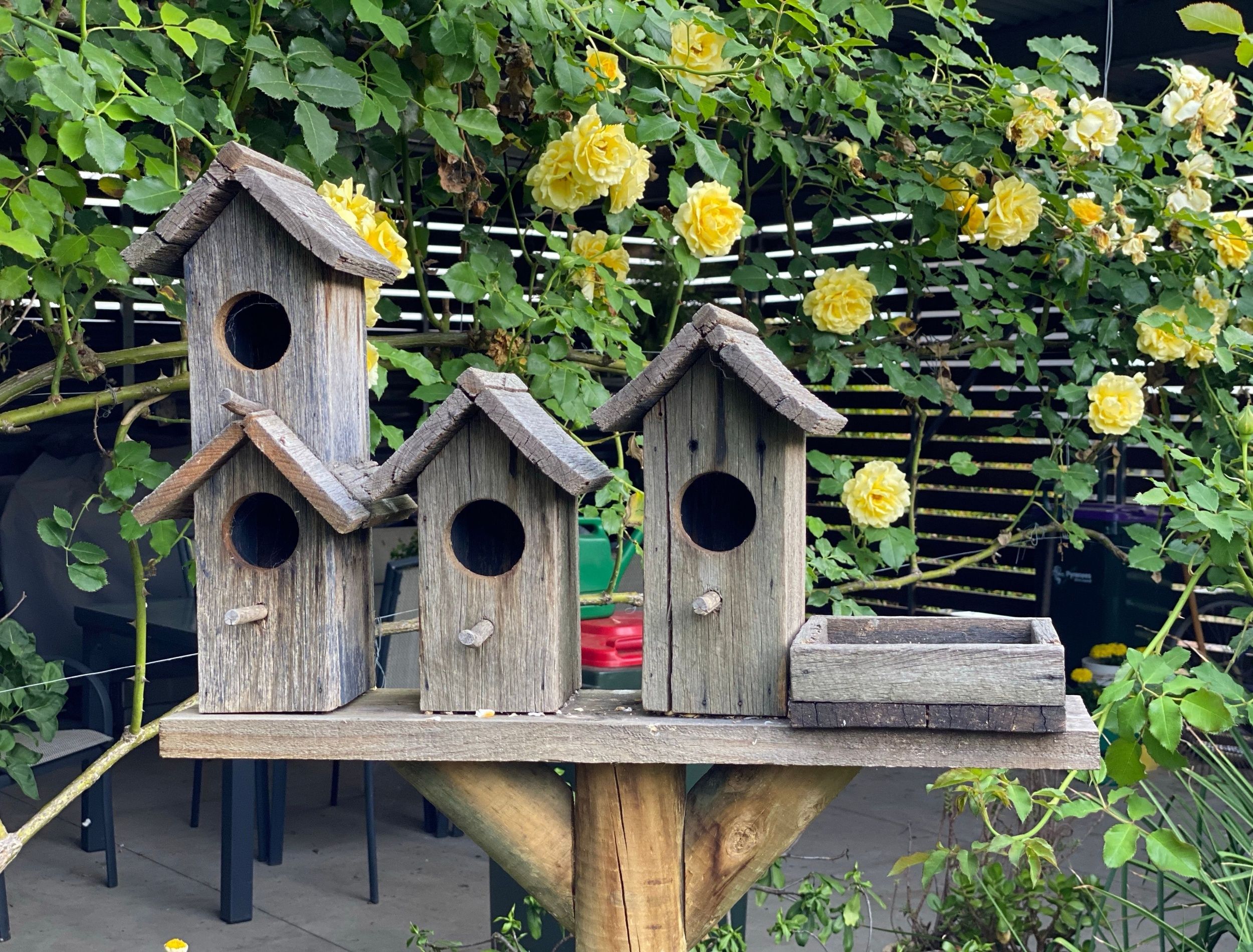
Credit: www.backyardboss.net
Additional Tips To Draw Birds
Creating a bird-friendly space requires more than just building houses. Birds need food, water, and safe places to live.
Small changes in your garden or yard can invite many birds. These tips help you attract birds easily.
Providing Food And Water
Birds come to places with easy food and fresh water. Offer different food types to attract many bird species.
Keep water clean and refill it often. A shallow birdbath works well for drinking and bathing.
- Use seeds like sunflower and millet
- Offer suet or mealworms for protein
- Place food feeders at different heights
- Provide fresh water daily in shallow dishes
Planting Bird-friendly Flora
Plants attract birds by giving food and shelter. Choose native plants with berries, seeds, and flowers.
Trees and shrubs offer safe places for birds to rest and hide from predators.
- Plant berry bushes like elderberry and serviceberry
- Grow flowering plants that produce nectar
- Include native grasses for seeds and cover
- Add trees with dense branches for nesting
Minimizing Disturbances
Birds avoid noisy or busy areas. Keep bird houses and feeders in quiet spots.
Limit pets and loud activities near bird habitats. This helps birds feel safe and stay longer.
- Place houses away from busy walkways
- Keep cats and dogs away from bird areas
- Do not move bird houses often
- Limit loud noises near feeding spots
Frequently Asked Questions
What Materials Are Best For Diy Birdhouses?
Wood is the best material for DIY birdhouses. It is natural, breathable, and safe for birds. Avoid treated wood or metal, which can harm birds. Use untreated pine, cedar, or cypress for durability and bird comfort.
How Do I Choose The Right Size For Birdhouses?
Choose birdhouse size based on the bird species you want to attract. Small birds need smaller houses with entrances 1-1. 5 inches wide. Larger birds require bigger houses. Research local birds to build the perfect size.
Where Should I Place Diy Birdhouses?
Place birdhouses 5-10 feet above ground, in a quiet, shaded spot. Face the entrance away from prevailing winds. Avoid placing them near feeders or birdbaths to reduce predators and disturbance.
How Can I Keep Birdhouses Clean And Safe?
Clean birdhouses annually after nesting season. Remove old nests and debris to prevent parasites. Use mild soap and water, then rinse well. Regular cleaning helps maintain a safe environment for birds.
Conclusion
Building DIY birdhouses is fun and rewarding. Birds bring life and joy to any garden. Simple materials and creativity can create beautiful homes for them. Encourage biodiversity by welcoming different bird species. Every birdhouse adds charm to your outdoor space.
You also help protect birds by offering them safe shelters. Enjoy watching these feathered friends visit. They sing, chirp, and brighten your day. Start building today and watch nature thrive in your backyard. A small effort leads to a big impact.
Your garden becomes a haven for birds. A wonderful sight for all to enjoy.


