
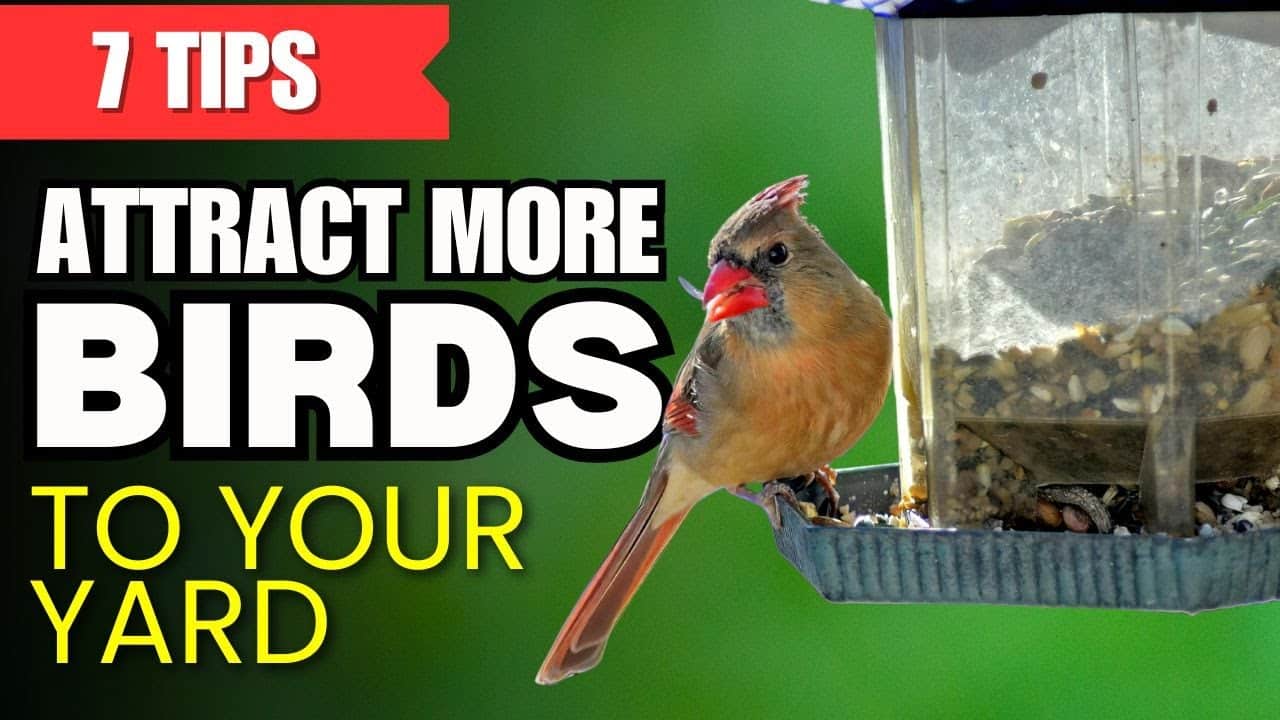
Do you want to fill your yard with the cheerful songs and bright colors of songbirds? Attracting these beautiful visitors isn’t as hard as you might think.
With the right tips and tricks, you can create a welcoming space that keeps songbirds coming back again and again. Imagine waking up to birdsong every morning or relaxing outside while watching them flutter around. Keep reading to discover simple, effective ways to turn your outdoor space into a bird paradise you’ll love.

Credit: lawnlove.com
Choose The Right Plants
Attracting songbirds to your garden starts with picking plants they love. Plants provide food, shelter, and nesting spots.
Choosing the right flowers, shrubs, and trees helps create a safe and inviting space for many bird species.
Native Flowers And Trees
Native plants offer natural food and cover for songbirds. They support insects that birds eat too. Some good choices include coneflowers, black-eyed Susans, oak, and maple trees.
Berry-producing Shrubs
Berry-producing shrubs give birds easy access to food, especially in fall and winter. Birds enjoy eating fresh berries that are safe and nutritious.
- Serviceberry
- Elderberry
- Blueberry
- Holly
- Winterberry
Seasonal Blooms
| Season | Flower Examples | Benefits for Songbirds |
| Spring | Wild columbine, Redbud | Early nectar and insect food |
| Summer | Bee balm, Sunflowers | Nectar and seeds for energy |
| Fall | Asters, Goldenrod | Late nectar and seed supply |

Credit: www.amazon.com
Provide Clean Water Sources
Songbirds need clean water to drink and bathe. A good water source helps keep them healthy. It also attracts more birds to your yard.
Providing fresh water is easy and can make a big difference. Let’s look at some ways to offer water for songbirds.
Birdbaths And Fountains
Birdbaths are shallow basins filled with water. Fountains add movement and sound. Both give birds a place to drink and clean themselves.
- Choose a birdbath about 2 inches deep.
- Place it where birds feel safe from predators.
- Keep the water fresh by changing it often.
- Use a fountain pump to keep water moving.
- Clean birdbaths weekly to prevent algae and germs.
Moving Vs. Still Water
Birds prefer moving water because it looks fresh and is easier to spot. Still water can attract mosquitoes and get dirty fast.
| Type of Water | Benefits | Drawbacks |
| Moving Water | Looks fresh, attracts more birds | Needs a pump or fountain |
| Still Water | Easy to set up | Can become dirty or stagnant quickly |
Winter Water Solutions
Birds need water in winter too. Ice covers many natural water sources. You can help by providing water that stays liquid in cold weather.
- Use heated birdbaths or add a birdbath heater.
- Change water often to keep it from freezing.
- Place water near shelter to help birds stay warm.
- Check water daily during freezing weather.
Offer Nutritious Food
Feeding songbirds healthy food helps them stay strong. Nutritious food also attracts more birds to your yard.
Choose foods that give birds energy and nutrients. Fresh and natural options work best for many species.
Seed Mixes For Songbirds
Seed mixes are popular for feeding songbirds. They include different seeds that attract many bird types.
Look for mixes with sunflower seeds, millet, and cracked corn. These provide energy and are easy to eat.
- Black oil sunflower seeds: high fat and easy to crack
- White proso millet: favorite of sparrows and juncos
- Cracked corn: attracts ground-feeding birds like doves
- Safflower seeds: less attractive to squirrels
Suet And Nectar Options
Suet is a good source of fat and energy for birds in cold weather. Nectar feeds hummingbirds and orioles.
Choose suet blocks with added seeds or fruits. Use fresh nectar made from sugar and water for best results.
- Plain suet blocks for woodpeckers and nuthatches
- Fruit or nut suet for extra nutrients
- Nectar with four parts water to one part sugar
- Change nectar every few days to prevent mold
Natural Food Sources
Planting native trees, shrubs, and flowers provides natural food. Birds eat berries, seeds, and insects from plants.
Natural food helps birds find varied and fresh meals. It also supports their nesting and feeding habits.
- Berry bushes like elderberry and dogwood
- Seed-producing plants such as coneflowers and sunflowers
- Native trees that grow fruits and nuts
- Plants that attract insects for birds to eat
Credit: lakesidegardengallery.com
Create Shelter And Nesting Spots
Songbirds need safe places to rest and raise their young. You can help by adding shelter and nesting spots to your yard.
Providing the right environment encourages birds to visit and stay. Let’s explore some ways to create good homes for them.
Nest Boxes And Birdhouses
Nest boxes and birdhouses offer safe places for birds to lay eggs and protect their chicks. Choose the right size and place them in quiet spots.
- Pick birdhouses with entrance holes that fit the bird species you want.
- Place boxes 5 to 10 feet above the ground, away from predators.
- Keep the boxes clean by removing old nests each year.
- Face the entrance away from prevailing winds and direct sunlight.
Dense Shrubs And Trees
Dense shrubs and trees provide cover and protection for songbirds. They also offer natural nesting sites and shelter from weather.
| Plant Type | Benefits for Songbirds |
| Evergreen Shrubs | Year-round cover and shelter |
| Berry-producing Trees | Food and nesting spots |
| Thorny Bushes | Protection from predators |
| Flowering Trees | Attract insects for bird food |
Brush Piles And Leaf Litter
Brush piles and leaf litter create natural hiding places. They also support insects that many birds eat.
- Use small branches and twigs from your yard.
- Place piles in quiet, shaded areas.
- Keep piles away from fire hazards.
- Leave leaf litter under trees to attract insects.
Minimize Backyard Hazards
Backyards can be safe havens for songbirds if we reduce dangers. Small changes help birds stay safe and visit often.
Many risks come from human-made items and pets. Learning how to minimize these hazards protects songbirds.
Safe Window Designs
Birds often fly into windows because they do not see glass. This causes serious injuries or death.
Use window designs that make glass visible to birds. Patterns, decals, or screens help birds avoid crashes.
- Apply decals in a dense pattern
- Install external screens or netting
- Use frosted or patterned glass
- Keep blinds partially closed
Keep Cats Indoors
Outdoor cats hunt birds and cause many deaths. Keeping cats inside protects songbirds in your yard.
If cats must go outside, use a leash or build a cat enclosure. This stops cats from chasing birds.
- Keep cats indoors as much as possible
- Use cat patios or “catios”
- Supervise cats when outside
- Provide toys to reduce hunting urge
Avoiding Pesticides
Pesticides harm songbirds by poisoning their food and water. Avoid using chemicals in your backyard.
Choose natural pest control methods. Healthy plants attract more insects, which feed songbirds safely.
- Use organic or homemade pest repellents
- Plant native species that resist pests
- Encourage beneficial insects like ladybugs
- Avoid chemical sprays near bird feeders
Attract Specific Songbird Species
Many people enjoy watching songbirds in their gardens. Different birds like different foods and habitats. You can attract specific songbird species by offering what they prefer.
Knowing what each species likes helps you create a welcoming space. Use the right plants, feeders, and water sources to bring your favorite birds close.
Attracting Warblers
Warblers are small, colorful birds that eat insects and berries. They like dense shrubs and trees for cover and nesting. Plant native bushes and provide fresh water to attract them.
Offer mealworms or suet in feeders during migration seasons. Avoid using pesticides to keep insects available for warblers to eat.
- Plant native berry-producing shrubs
- Provide fresh water in shallow dishes
- Offer live or dried mealworms
- Use suet feeders in cooler months
- Keep areas free of pesticides
Welcoming Finches
Finches love seeds, especially nyjer and sunflower seeds. They prefer open areas with tall trees or feeders. Use tube feeders with small holes for finches to feed safely.
Plant flowers like coneflowers and sunflowers to provide natural seeds. Finches also enjoy water baths and places to perch nearby.
- Fill feeders with nyjer and sunflower seeds
- Use tube feeders with small feeding ports
- Plant seed-producing flowers
- Provide a clean water source for baths
- Place feeders near tall trees for perching
Inviting Thrushes
Thrushes like soft fruits and insects. They enjoy shaded areas with leaf litter for foraging. Plant fruit trees and shrubs to attract them naturally.
Offer berries like elderberry, dogwood, or serviceberry. Keep the ground moist and leafy to help thrushes find insects.
- Plant fruiting trees and shrubs
- Provide berries such as elderberry and dogwood
- Maintain leaf litter for insects
- Keep soil moist for easy foraging
- Place birdbaths in shaded areas
Maintain A Bird-friendly Environment
Creating a safe and welcoming space helps attract songbirds to your yard. A bird-friendly environment offers food, water, and shelter for birds.
Maintaining this environment requires regular care and attention. Clean feeders, seasonal yard work, and watching bird activity all play a role.
Regular Feeder Cleaning
Keep your bird feeders clean to stop the spread of diseases. Dirty feeders can harm birds and make them avoid your yard.
Clean feeders at least once every two weeks. Use warm water and mild soap, then rinse well before refilling.
- Remove old seeds and debris
- Scrub all feeder parts thoroughly
- Rinse to remove soap residue
- Dry completely before use
Seasonal Yard Care
Adjust your yard care to match the seasons. Different plants and shelter needs change as the weather shifts.
In spring and summer, provide fresh plants and water sources. In fall and winter, leave seed heads and protect shrubs for shelter.
- Plant native flowers and shrubs
- Keep water fresh and unfrozen
- Leave fallen leaves and twigs
- Trim branches only when needed
Monitoring Bird Activity
Watch how birds use your yard to learn what they need. Note which feeders and plants they like the most.
Adjust your setup based on bird visits. Remove feeders if disease signs appear. Add new plants if birds avoid certain areas.
- Keep a simple bird journal
- Note bird species and numbers
- Check feeder use daily
- Look for signs of illness
Frequently Asked Questions
What Food Attracts The Most Songbirds To Your Yard?
Seeds like sunflower, millet, and nyjer are top choices. Fresh fruits and suet also draw diverse songbird species. Providing varied food increases your chances of attracting more songbirds year-round.
How Can I Create A Songbird-friendly Garden?
Plant native trees, shrubs, and flowers that offer food and shelter. Include water sources like birdbaths and avoid pesticides to keep the environment safe for birds.
When Is The Best Time To Attract Songbirds?
Early mornings and late afternoons are prime feeding times. Seasonal changes affect bird presence, with spring and fall migration periods being especially active.
What Types Of Bird Feeders Work Best For Songbirds?
Tube feeders, platform feeders, and suet cages attract different species. Use feeders that suit the birds you want and keep them clean to prevent disease.
Conclusion
Creating a songbird-friendly garden is simpler than you think. Use native plants to attract these beautiful creatures. Provide fresh water sources for their drinking and bathing. Install feeders with seeds they love. Keep your garden pesticide-free for their safety. Offer nesting sites for them to raise young ones.
Be patient and observe their graceful visits. Soon, your garden will become a haven for songbirds. You’ll enjoy their melodies and vibrant presence. By following these steps, you support local wildlife. Your garden becomes a peaceful retreat for both birds and you.
Enjoy the chirping symphony in your own backyard.



