Have you ever wondered how the Desert Bird of Paradise handles chilly weather? If you’re curious about this striking plant and how it survives the cold, you’re in the right place.
Understanding its reaction to low temperatures can help you protect your own garden and keep this beautiful plant thriving. Keep reading to discover what happens to the Desert Bird of Paradise when the temperature drops—and how you can make sure it stays healthy all year long.
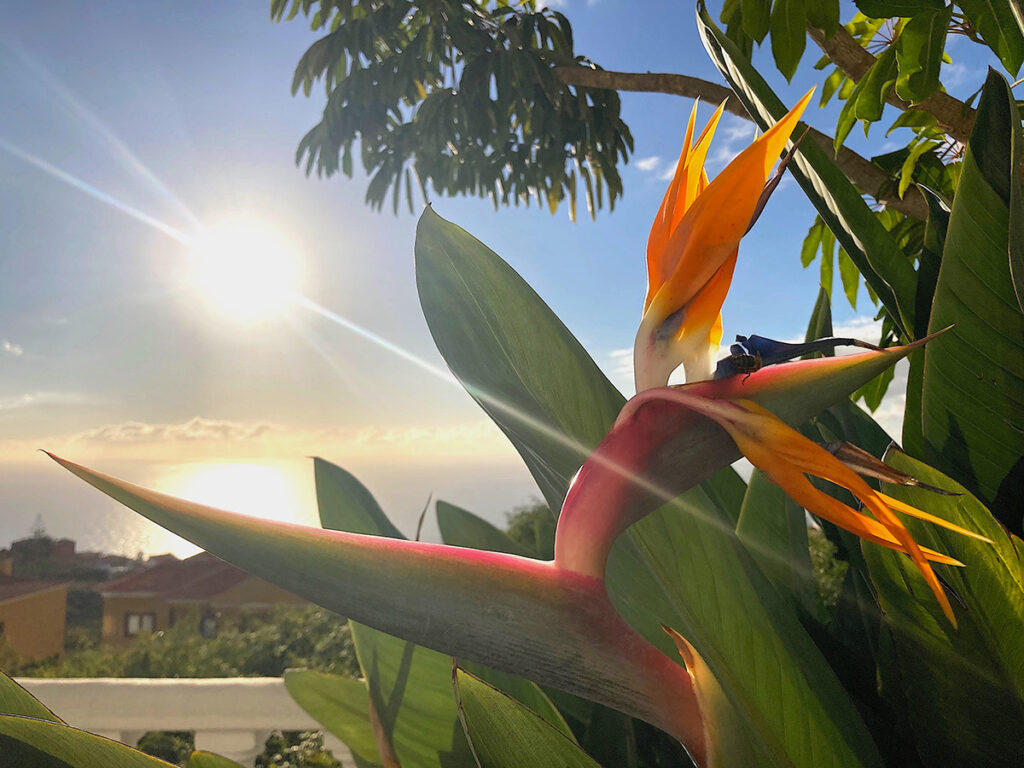
Credit: plantsmith.co.uk
Desert Bird Of Paradise Basics
The Desert Bird of Paradise is a unique plant known for its bright flowers. It is not a real bird but a plant that looks like one.
This plant grows in dry places and has special ways to survive the heat. It also reacts to cold weather in certain ways.
Key Features
The Desert Bird of Paradise has sharp leaves that store water. Its flowers are orange and blue, looking like a bird’s head.
- Spiky green leaves
- Bright orange and blue flowers
- Can grow up to 3 feet tall
- Water-storing leaves for dry climates
Native Habitat
This plant is native to desert areas in southern Africa. It grows well in sandy, rocky soils with little water.
The plant thrives in open spaces where it gets full sun most of the day. It often grows near bushes and rocks.
- Southern African deserts
- Sandy and rocky soil
- Full sun exposure
- Dry, open spaces
Typical Climate Conditions
The Desert Bird of Paradise lives in hot, dry climates with little rain. Temperatures can be very high during the day.
It does not like cold weather. When temperatures drop below freezing, the plant may stop growing or get damaged.
- Hot and dry
- Low rainfall
- High daytime temperatures
- Sensitive to frost and freezing
Cold Weather Challenges
The Desert Bird of Paradise is a beautiful plant. It thrives in warm, dry places. Cold weather can be hard for this plant.
Low temperatures cause stress to the plant. This can affect how it grows and stays healthy.
Temperature Sensitivity
The Desert Bird of Paradise is sensitive to cold. It does best above 50°F (10°C). Below this, the plant can get damaged.
Freezing temperatures can kill leaves and flowers. The plant may stop growing if it stays too cold.
Impact On Growth
Cold slows down the plant’s growth. The leaves may turn brown or drop off. The plant uses more energy to survive cold.
Growth stops until the temperature rises again. Young plants are more affected by cold than older ones.
Risk Factors
Cold weather brings several risks to the Desert Bird of Paradise. Frost and ice can cause serious damage.
- Frost can kill leaves and stems
- Ice buildup can break branches
- Cold stress can invite pests and diseases
- Long cold spells weaken the plant
Survival Mechanisms
The Desert Bird of Paradise faces cold temperatures in its harsh environment. It uses special ways to survive these cold spells. These survival mechanisms help it stay alive and healthy.
This plant shows unique traits to handle cold stress. Understanding these helps us learn how it adapts to tough weather conditions.
Physiological Adaptations
The Desert Bird of Paradise changes its body functions to survive cold. It slows down its growth to save energy. This helps it avoid damage from freezing.
It also produces special proteins that protect its cells. These proteins stop ice from forming inside the plant. This keeps the cells safe during cold nights.
- Slows growth to conserve energy
- Produces antifreeze proteins
- Maintains cell stability in freezing temperatures
Behavioral Changes
The Desert Bird of Paradise changes how it behaves to survive cold. It closes its leaves at night to reduce heat loss. This helps keep warmth inside the plant.
It also reduces water use during cold times. Using less water helps prevent freezing inside the plant. These actions improve its chances to survive cold weather.
- Closes leaves to keep heat
- Reduces water use during cold
- Enters a resting state to save energy
Protective Structures
This plant has physical features that protect it from cold. Thick leaves help keep warmth inside. Their waxy coating stops moisture loss and frost damage.
Its stems store water to prevent freezing. This water storage also helps the plant stay strong during cold spells. These structures act as natural shields.
- Thick leaves trap heat
- Waxy coating prevents moisture loss
- Water-storing stems resist freezing

Credit: houstonpersonaltrainer.medium.com
Garden Care Tips In Cold
The Desert Bird of Paradise is a beautiful plant that can struggle in cold weather. It needs special care during chilly months to stay healthy.
Knowing how to protect it from cold helps your garden stay vibrant. Follow these tips to keep your plant safe and strong.
Sheltering Techniques
Protect the Desert Bird of Paradise from frost and cold winds by placing it in a sheltered spot. Use garden covers or frost cloths at night.
Moving potted plants indoors or to a greenhouse can also help during very cold days. Avoid exposing the plant to sudden temperature drops.
Watering Adjustments
Water the plant less in cold weather because it uses less water. Overwatering can cause root problems in cold soil.
- Check soil moisture before watering
- Water only when top inch of soil is dry
- Water early in the day to avoid freezing
Soil And Mulching Advice
Use well-draining soil to stop water from sitting around roots. This helps prevent root rot during cold months.
Apply mulch around the base of the plant to keep soil warm and protect roots from freezing. Use organic mulch like straw or wood chips.
- Spread mulch 2-3 inches thick
- Keep mulch a few inches away from the stem
- Refresh mulch layer if it gets thin
Propagation And Recovery
The Desert Bird of Paradise is a tough plant but reacts to cold with stress. Understanding how to propagate and help it recover is key for gardeners in cooler areas.
This guide covers the best ways to protect and revive your plant after cold damage. It focuses on propagation techniques and recovery steps.
Best Methods For Cold Climates
Growing Desert Bird of Paradise in cold climates needs care. Propagation is a useful way to keep your plant healthy and replace damaged ones. Use these methods to help your plant survive cold weather.
- Cuttings:Take semi-hardwood cuttings in late spring or early summer. Use rooting hormone to improve success.
- Seeds:Sow seeds indoors before the last frost. Keep the soil warm and moist for germination.
- Layering:Bend a low branch to the ground and cover it with soil. Roots will form after a few months.
- Protective Covering:Use frost cloths or blankets to cover the plant during cold nights.
- Indoor Growing:Move potted plants indoors or to a greenhouse in winter.
Reviving Frost-damaged Plants
Frost can damage leaves and stems of the Desert Bird of Paradise. Quick action helps the plant recover and grow strong again.
| Damage Type | Recovery Action | Time Frame |
| Wilted or Blackened Leaves | Prune dead leaves carefully to prevent disease. | Within 1 week |
| Soft or Mushy Stems | Remove damaged stems and improve drainage. | Within 2 weeks |
| Root Zone Cold Stress | Mulch around the base to keep soil warm. | Immediately after frost |
| Slow Growth After Frost | Apply balanced fertilizer and water moderately. | After pruning |
Common Mistakes To Avoid
The Desert Bird of Paradise is a hardy plant but can react poorly to cold weather. Avoiding common mistakes helps keep it healthy through cold spells.
Knowing what not to do is as important as proper care. Watch for risks that can harm your plant during cold conditions.
Overexposure Risks
Too much cold exposure can damage the Desert Bird of Paradise. Leaves may turn brown or wilt. Freezing temperatures cause severe harm.
- Do not leave the plant outside in frost.
- Avoid sudden temperature drops near the plant.
- Provide shelter during cold nights.
- Use frost cloths or covers if needed.
Incorrect Watering
Watering mistakes can stress the plant, especially in cold weather. Overwatering can cause root rot, while underwatering leads to dehydration.
| Watering Mistake | Effect on Plant |
| Too much water | Root rot and fungal diseases |
| Too little water | Leaves dry out and drop |
| Watering at night | Cold roots and increased risk of rot |
Ignoring Signs Of Stress
Failing to notice stress signs can lead to plant decline. Early detection helps save your Desert Bird of Paradise from cold damage.
- Watch for yellowing or browning leaves.
- Check for wilting or leaf drop.
- Feel the soil for moisture level.
- Look for blackened or mushy stems.
Expert Recommendations
The Desert Bird of Paradise is a beautiful plant that can be sensitive to cold. Understanding how to care for it during cold weather helps keep it healthy.
Experts suggest paying close attention to growing conditions, monitoring the plant through seasons, and using protective covers when needed.
Optimal Growing Conditions
This plant grows best in warm climates with good sunlight. Cold temperatures below 40°F can harm it quickly.
- Plant in well-draining soil to avoid root damage.
- Place in full sun to promote healthy growth.
- Keep soil moist but not soggy.
- Avoid areas with strong, cold winds.
Seasonal Monitoring
Watch the weather closely during fall and winter. Sudden drops in temperature can stress the plant.
| Season | Action |
| Fall | Check for early cold spells and prepare protection. |
| Winter | Monitor temperature daily and water less often. |
| Spring | Gradually reduce protection as temperatures rise. |
Use Of Protective Covers
Protective covers help shield the plant from frost and cold winds. Use breathable materials to avoid moisture buildup.
- Frost cloths
- Lightweight burlap
- Garden fabric sheets
Remove covers during the day to allow sunlight and airflow.

Credit: www.amazon.com
Frequently Asked Questions
How Does Desert Bird Of Paradise Survive Cold Temperatures?
The Desert Bird of Paradise tolerates mild cold but struggles with frost. It slows growth and may drop leaves in cold. Protecting it from freezing temperatures is essential for survival.
What Are Signs Of Cold Stress In Desert Bird Of Paradise?
Cold stress causes leaf discoloration, wilting, and slowed growth. Leaves may turn brown or black. Prolonged cold can damage stems and flowers, affecting plant health.
Can Desert Bird Of Paradise Recover From Frost Damage?
Yes, it can recover if frost damage is minimal. Pruning damaged parts helps new growth. However, severe frost may permanently harm the plant.
How To Protect Desert Bird Of Paradise From Cold?
Use frost cloths or blankets during cold nights. Place plants in sheltered areas away from wind. Mulching the base retains soil warmth and moisture.
Conclusion
The Desert Bird of Paradise shows resilience to cold weather. Its adaptability helps it endure unexpected temperature drops. This plant can survive in mild frost conditions. Yet, extreme cold may harm its growth. Protecting it during harsh winters is wise.
Mulching can provide some warmth. Regular checks ensure its health and vitality. Always consider local climate when planting. This will ensure better plant care. Understanding its reactions aids in maintaining a thriving garden. With proper care, it can flourish even in colder climates.
Enjoy the beauty of this unique plant.