

Have you ever wondered who first said, “The early bird gets the worm”? This simple phrase is something you’ve probably heard since childhood.
But do you know where it came from or why it became so popular? Understanding the origin of this saying can change the way you see motivation and success. If you want to discover the surprising story behind these words and how they can inspire your own habits, keep reading.
Your next boost of motivation might be just a few lines away.
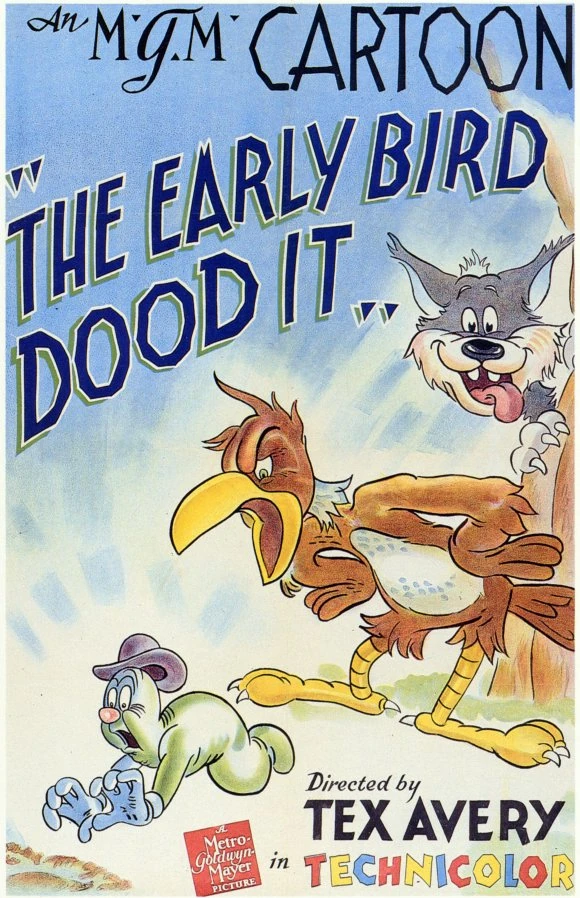
Credit: texavery.fandom.com
Origins Of The Phrase
The phrase “The early bird gets the worm” is a common English saying. It means that people who start early or act quickly have an advantage. This phrase has a long history and interesting origins.
Many cultures have versions of this saying. The phrase first appeared in written form several centuries ago. Let’s explore its early uses in literature and cultural roots.
Early Uses In Literature
The earliest known version of this phrase dates back to the 1600s. It appeared in a book called “Proverbs” by John Ray, published in 1670. He wrote, “The early bird catcheth the worm.”
Other writers also used similar expressions. Benjamin Franklin included a related saying in his 1734 work “Poor Richard’s Almanack”.
- John Ray, 1670: “The early bird catcheth the worm.”
- Benjamin Franklin, 1734: “Early to bed and early to rise, makes a man healthy, wealthy, and wise.”
- William Camden, 1605: Used bird and worm proverbs in his writings.
Cultural Roots And Influences
The phrase likely comes from observing nature. Birds that wake early find food first. This idea spread in many countries with similar versions.
| Culture | Version of the Saying |
|---|---|
| English | The early bird gets the worm |
| German | Morgenstund hat Gold im Mund (Morning hour has gold in its mouth) |
| Chinese | The early bird catches the worm (早起的鸟儿有虫吃) |
| Spanish | A quien madruga, Dios le ayuda (God helps those who rise early) |
Famous Attributions
The phrase “The early bird gets the worm” is well-known. It means people who start early have an advantage. Many have tried to find who first said it.
This saying has a long history. It appears in books and speeches from different times. Let’s look at some famous attributions.
John Ray’s Contribution
John Ray was an English naturalist. He used a similar phrase in 1670. His version was in a book about sayings and proverbs.
- John Ray wrote: “The early bird catcheth the worm.”
- His work helped record many old English proverbs.
- This is one of the earliest written forms of the phrase.
Other Notable Mentions
Other writers also used the phrase or its variations. Some made it popular by quoting it in their works.
| Author | Year | Phrase Used |
| William Camden | 1605 | “The early bird catcheth the worm” |
| Benjamin Franklin | 1734 | “Early to bed and early to rise makes a man healthy, wealthy, and wise” |
| John Ray | 1670 | “The early bird catcheth the worm” |
Meaning And Evolution
The phrase “The early bird gets the worm” means that people who start early have an advantage. It shows how being prompt can lead to success.
This saying has changed over time. It started as advice about waking up early. Now, it applies to many areas of life and work.
Original Interpretation
The phrase first appeared in print in the 1600s. It came from a book by John Ray, an English naturalist. He wrote about birds and their habits.
The original idea was simple: birds that wake up early find food first. This gave them an advantage over others. It was a lesson about being active early in the day.
- First printed in 1670 by John Ray
- Focus on birds’ early activity
- Meaning: Early action leads to rewards
Modern Usage
Today, the phrase means starting tasks early can help you succeed. People use it in work, school, and life advice. It encourages good habits like planning and punctuality.
It also means being ready before others. This can mean getting a job, a deal, or an opportunity first. The phrase is a reminder to act fast and be prepared.
- Used in business and personal growth
- Means being proactive and prepared
- Encourages good time management
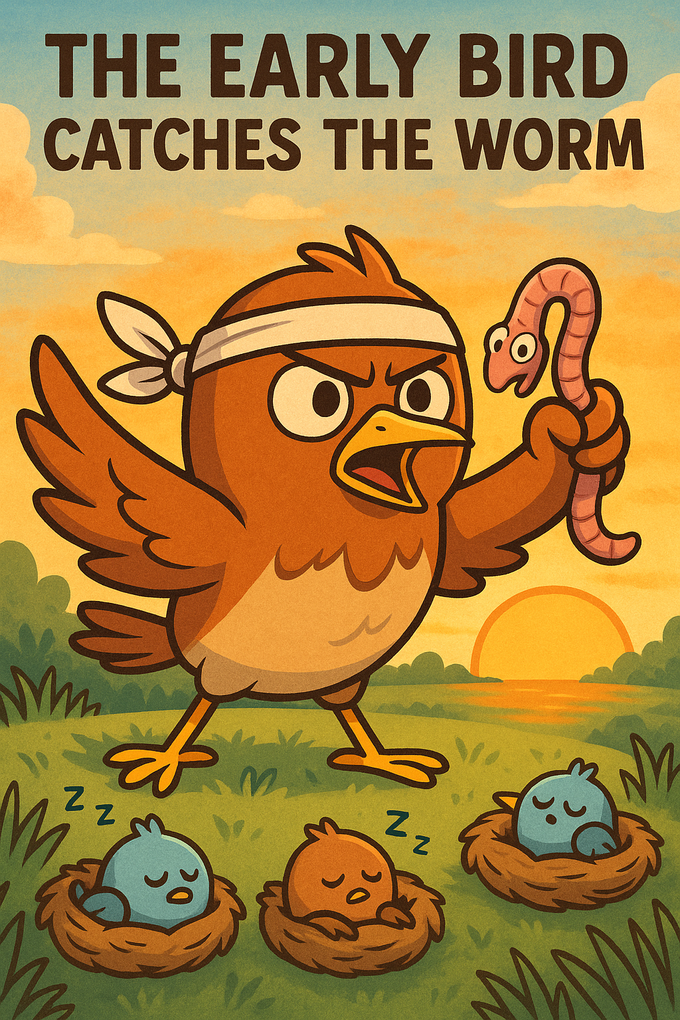
Credit: www.kengpress.com
Proverbs With Similar Themes
The saying “The early bird gets the worm” teaches the value of being early and ready. Many cultures have proverbs that share this idea.
These proverbs show how different people think about hard work and timing. They all encourage action to gain rewards.
Global Variations
Many countries have their own version of this proverb. They often use animals or daily life to explain the same lesson.
- In China, “The early riser catches the bird.”
- In Spain, “The one who gets up early catches the worm.”
- In Russia, “The early morning has gold in its mouth.”
- In Japan, “The early riser has luck.”
- In Arabic, “He who comes early drinks the fresh water.”
Comparative Analysis
These proverbs use similar ideas but different words. They all link success to effort and timing.
| Proverb | Country | Meaning |
| The early bird gets the worm | English | Success comes to those who act early |
| The early riser catches the bird | China | Be early to gain advantage |
| The early morning has gold in its mouth | Russia | Morning time is valuable |
| He who comes early drinks the fresh water | Arabic | Early effort brings fresh rewards |
Impact On Society
The phrase “The early bird gets the worm” has been around for centuries. It teaches people that starting early can lead to success. This idea has shaped how people work and live.
Many cultures use this saying to encourage good habits. It reminds people to be proactive and ready to take chances. This simple message has a big effect on society.
Influence On Work Ethic
The saying promotes the value of hard work and discipline. People believe waking up early helps them finish tasks and stay focused. It teaches that effort and timing matter for success.
Many workers use this idea to build good routines. Starting early gives more time to complete work and avoid stress. This mindset helps people become responsible and reliable.
- Encourages punctuality and planning
- Supports consistent daily habits
- Motivates people to avoid procrastination
- Links success with early preparation
Inspiration In Popular Culture
The phrase appears in books, movies, and songs. It often shows a character’s determination to succeed. People use it to inspire others to act quickly and stay alert.
Advertising and media also use this idea to promote positive habits. The early bird theme helps explain the benefits of being ahead of others. It remains a popular message in many stories.
- Used as a theme in self-help books
- Appears in motivational speeches and quotes
- Inspires characters in films and TV shows
- Included in children’s stories to teach values

Credit: www.wikiwand.com
Frequently Asked Questions
Who First Coined “the Early Bird Gets The Worm”?
The phrase “The early bird gets the worm” was first recorded by John Ray in 1670. He included it in his collection of English proverbs. This saying emphasizes the benefits of being prompt and proactive.
What Does “the Early Bird Gets The Worm” Mean?
It means those who start early have an advantage. Acting quickly often leads to success. The phrase encourages punctuality and initiative in various tasks.
How Did This Proverb Become Popular?
John Ray’s 1670 book helped spread the phrase. Over time, it appeared in literature and speeches. Its simple wisdom made it a common motivational saying.
Is The Phrase Used In Modern English?
Yes, it is widely used today. People use it to promote productivity and early action. It remains a popular motivational and life lesson expression.
Conclusion
Unraveling the origin of “The early bird gets the worm” is fascinating. This phrase encourages action and seizing opportunities. It reminds us to be proactive. Early risers often find success and rewards. Many cultures emphasize the benefits of early effort.
This saying persists through time. It’s a simple, yet powerful lesson. Start your day early. Embrace opportunities. The phrase’s origin may remain unclear, but its message is timeless. Remember, those who act early often reap benefits. Stay motivated and proactive.
The early bird truly does get the worm.



