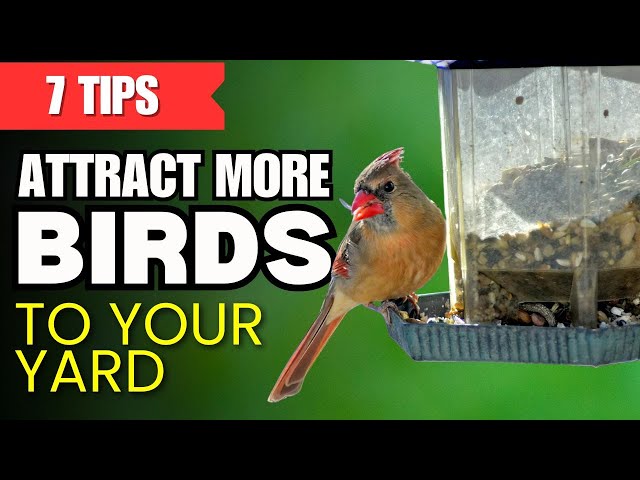
Have you ever noticed how a few colorful birds can instantly brighten up your yard? Imagine stepping outside to the cheerful songs and lively movements of birds right in your own space.
Attracting birds to your yard isn’t just about adding beauty—it can boost your mood, help your garden thrive, and bring nature closer to you. Curious about how inviting these feathered friends can change your outdoor experience? Keep reading to discover why making your yard bird-friendly is one of the best decisions you can make.
Benefits Of Bird-friendly Yards
Creating a bird-friendly yard brings many benefits to your home and environment. Birds help balance nature while adding beauty and life to your outdoor space.
Let’s explore some key reasons to invite birds into your yard and how they help in natural ways.
Natural Pest Control
Birds eat many insects that harm plants and crops. They reduce the need for chemical pesticides, keeping your garden healthy.
- Birds consume aphids, caterpillars, and beetles.
- They help control mosquitoes and flies.
- Many birds find pests hiding in leaves and soil.
Pollination And Seed Dispersal
Some birds help pollinate flowers and spread seeds. This supports plant growth and biodiversity in your yard.
| Bird Role | Benefit to Plants |
| Pollinators (e.g., hummingbirds) | Help flowers produce fruit |
| Seed dispersers (e.g., thrushes) | Spread seeds to new areas |
Mental Health Boost
Watching birds can lower stress and improve mood. Their songs and movements create a peaceful outdoor space.
Birdwatching benefits:
- Reduces anxiety
- Increases relaxation
- Improves focus and mindfulness
Educational Opportunities
A bird-friendly yard offers chances to learn about wildlife and nature. Kids and adults can identify species and study behavior.
- Observe different bird species year-round
- Learn about bird calls and habits
- Teach children about ecosystems and conservation

Credit: lawnlove.com
Creating A Welcoming Habitat
Attracting birds to your yard helps nature and adds beauty. Birds bring life and sounds to outdoor spaces.
To welcome birds, you need to create a safe and useful habitat. This means providing plants, food, water, and shelter.
Choosing Native Plants
Native plants are best for local birds. They offer the right food and places for birds to hide and nest.
These plants attract insects that birds eat. They also provide seeds and berries for food.
- Pick plants that grow naturally in your area
- Include flowering plants for nectar feeders
- Use shrubs and trees for shelter and nesting
Providing Food Sources
Birds need different foods depending on the season and species. Offer a variety of food to attract many birds.
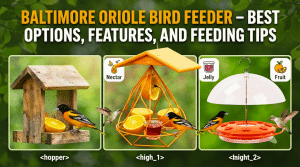
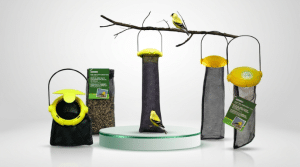
Feeders help when natural food is scarce. Use seeds, suet, or nectar to feed different birds.
- Seed feeders for finches, sparrows, and chickadees
- Suet feeders for woodpeckers and nuthatches
- Nectar feeders for hummingbirds
- Leave some fallen fruit or nuts on the ground
Water Features For Birds
Birds need clean water to drink and bathe. Water helps them stay healthy and cool.
Use birdbaths, small ponds, or shallow dishes. Keep water fresh and free of debris.
- Place water near plants for safety
- Use shallow dishes to prevent drowning
- Change water often to avoid mosquitoes
- Add stones for perching spots
Safe Shelter Options
Birds need safe places to rest, hide, and build nests. Shelter protects them from weather and predators.
Provide natural and man-made shelters. Dense shrubs, trees, and birdhouses offer good protection.
- Plant thick bushes and evergreens
- Leave dead trees or logs for nesting
- Install birdhouses suited to local species
- Avoid using chemicals near shelters
Attracting Different Bird Species
Creating a bird-friendly yard invites many bird species to visit. Different birds like different plants and foods. Knowing what each type prefers helps you attract them.
By adding the right features, you support birds’ needs. This makes your yard a safe and welcoming place for birds year-round.
Songbirds And Their Preferences
Songbirds enjoy places with plenty of seeds, insects, and shelter. They like trees and bushes for nesting and resting. Different species have unique tastes and habits.
- Provide sunflower seeds and millet for feeding
- Plant native shrubs for shelter
- Keep water sources like birdbaths clean
- Avoid pesticides to keep insects available
Birds Of Prey And Yard Safety
Birds of prey need open spaces and safe perches. They hunt small animals and sometimes smaller birds. Keeping your yard safe helps protect songbirds and other wildlife.
| Bird of Prey | Preferred Perch | Hunting Style |
| Red-tailed Hawk | Tall Trees | Soaring and Diving |
| American Kestrel | Fence Posts | Hovering and Pouncing |
| Great Horned Owl | Dense Trees | Night Hunting |
Hummingbirds And Nectar Plants
Hummingbirds love flowers with lots of nectar. Bright colors like red and orange attract them. Planting the right flowers helps keep these tiny birds visiting.
Top Nectar Plants for Hummingbirds:
- Bee Balm
- Trumpet Vine
- Salvia
- Cardinal Flower
Seasonal Visitors
Many birds visit only in certain seasons. Migrating birds need food and shelter during their journey. Adjust your yard to support these travelers.
- Plant fruiting trees for fall visitors
- Keep water sources open in winter
- Offer shelter from wind and cold
- Use feeders that can be cleaned often

Credit: uk.news.yahoo.com
Maintaining A Bird-friendly Environment
Creating a safe space for birds in your yard helps them thrive. Birds need food, water, and shelter to live well.
Keeping your yard bird-friendly supports local wildlife and makes your outdoor space lively and beautiful.
Avoiding Harmful Chemicals
Many garden chemicals can hurt birds. Pesticides and herbicides can poison birds or reduce their food sources.
Use natural ways to protect your plants. Choose bird-safe products or organic gardening methods.
Regular Cleaning Of Feeders And Baths
Dirty feeders and baths can spread diseases among birds. Clean them often with hot water and mild soap.
Rinse well to remove soap. Dry completely before refilling to keep birds healthy and safe.
Protecting Birds From Predators
Predators like cats and hawks can harm birds. Place feeders in open areas to give birds a clear view.
Use baffles on poles and keep the yard free of hiding spots for predators. This helps keep birds safe.
Monitoring Bird Health
Watch birds for signs of illness like ruffled feathers or slow movement. Sick birds need help to recover.
Remove feeders if many birds look sick. Clean the area well to stop disease from spreading.
Enhancing Yard Aesthetics Naturally
Attracting birds to your yard adds beauty without much effort. Birds bring life and color to outdoor spaces.
Creating a bird-friendly yard can make your garden look more vibrant and lively all year round.
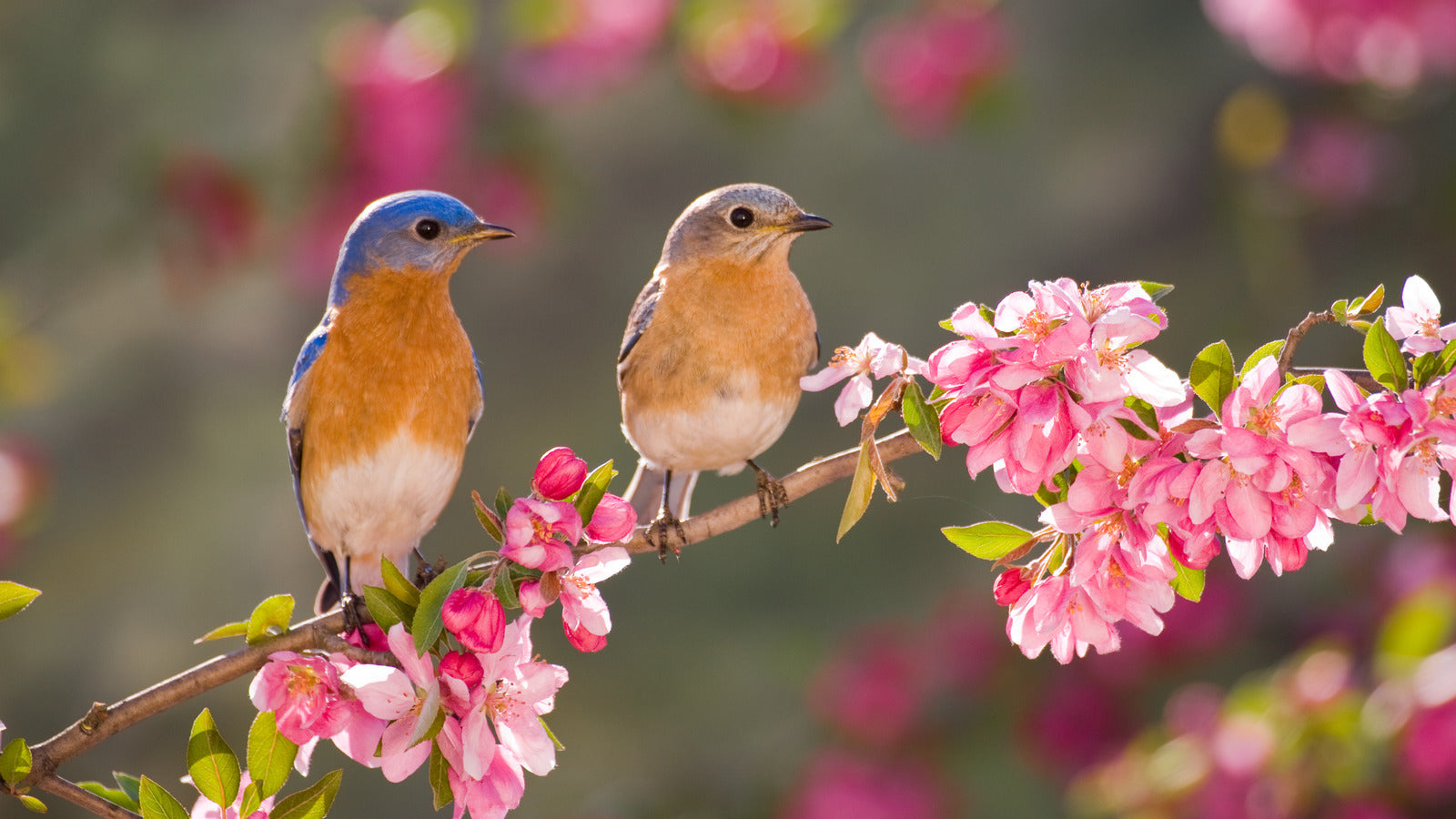
Colorful Bird Species As Living Decor
Birds like cardinals, blue jays, and goldfinches have bright feathers. Their colors act like natural decorations.
Watching these birds visit can feel like seeing moving art in your yard. Their presence adds charm and color.
- Cardinals show vivid red feathers
- Blue jays display striking blue tones
- Goldfinches bring bright yellow hues
Complementing Landscape Design
Birds enhance the shapes and colors of your plants and flowers. They add depth to the garden design.
Using plants that attract birds helps blend nature with your landscaping ideas. Birds make your yard look more complete.
- Flowering shrubs attract hummingbirds
- Seed plants invite finches and sparrows
- Trees provide shelter and nesting spots
Seasonal Changes And Bird Activity
Bird types and numbers change with the seasons. This creates a natural rhythm in your yard’s look.
Spring and summer bring nesting birds. Fall and winter attract different visitors, keeping your yard lively all year.
- Spring: bright songbirds and nest building
- Summer: active feeding and young birds
- Fall: migrating birds passing through
- Winter: hardy species looking for food
Incorporating Bird Art And Accessories
Adding bird feeders, baths, and houses invites birds to stay longer. These items also add style to your yard.
Decorative bird art like sculptures or wind chimes can blend with natural bird visits. They make your yard more interesting.
- Feeders supply food and attract many species
- Bird baths offer water and reflect sunlight
- Birdhouses provide shelter for nesting
- Bird sculptures add artistic touches
Credit: lakesidegardengallery.com
Frequently Asked Questions
Why Should I Attract Birds To My Yard?
Attracting birds enhances your yard’s beauty and supports local ecosystems. Birds control pests, pollinate plants, and provide natural sounds, enriching your outdoor space.
What Are The Best Plants To Attract Birds?
Native flowering plants, shrubs, and trees with berries attract birds. They provide food, shelter, and nesting sites, creating a bird-friendly environment in your yard.
How Can Bird Feeders Help Attract More Birds?
Bird feeders offer a reliable food source, especially in winter. They attract diverse bird species by providing seeds, suet, or nectar, encouraging birds to visit regularly.
Does Attracting Birds Benefit Garden Health?
Yes, birds control harmful insects and pests naturally. Their presence reduces the need for chemical pesticides, promoting a healthier and more balanced garden ecosystem.
Conclusion
Creating a bird-friendly yard brings joy and nature close. Birds add life and color. They help control pests naturally. Their songs offer peace and relaxation. Plus, watching them boosts mood and reduces stress. Attracting birds supports local ecosystems. Every bird counts in maintaining balance.
Easy steps can welcome them. Plant native trees. Add feeders and fresh water. Your yard becomes a sanctuary. Enjoy the beauty and benefits birds bring. A simple and rewarding effort. Your backyard becomes a wildlife haven. Embrace the joy of nature at home.
Start today and see the difference!