
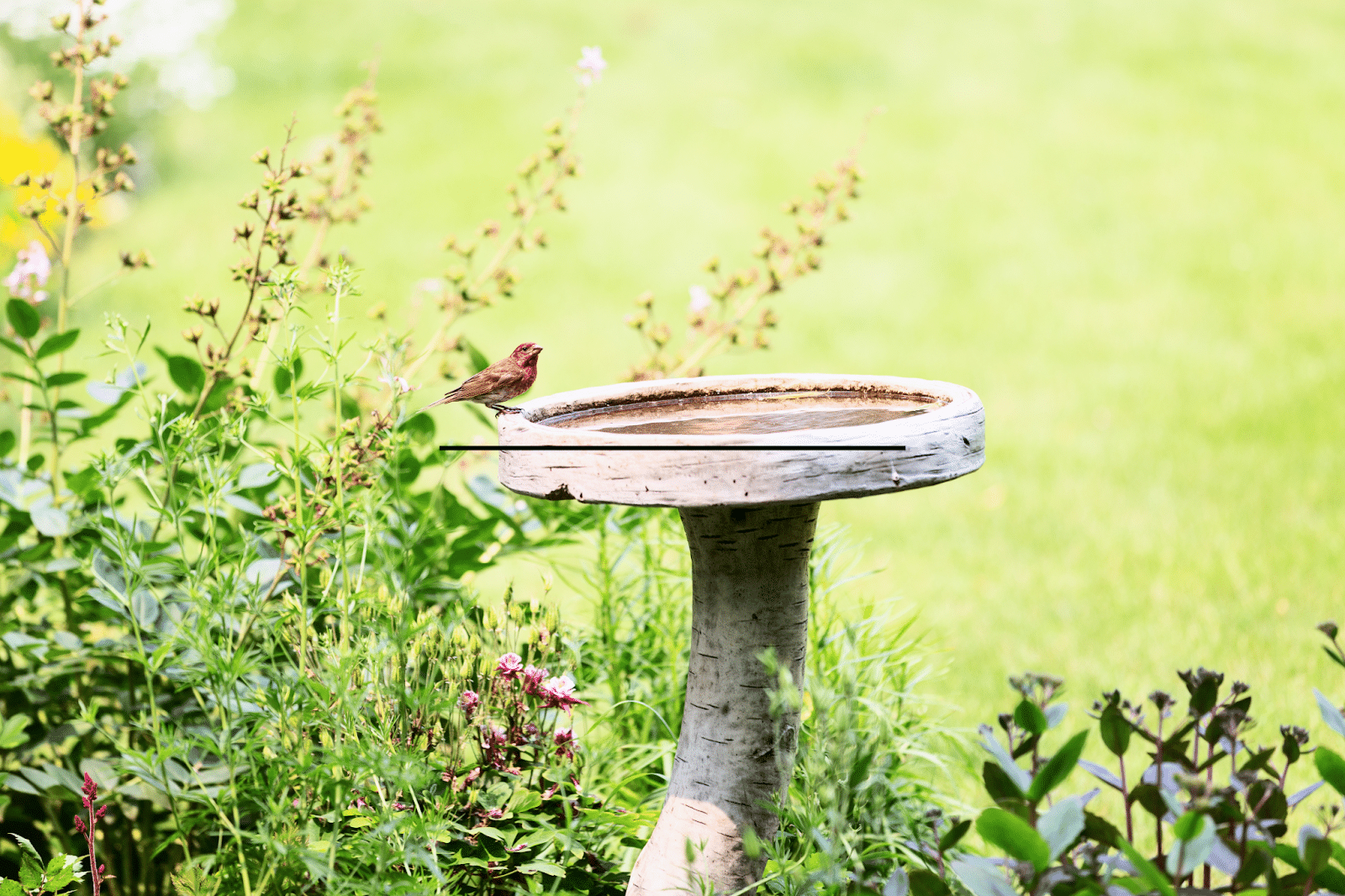
Are you ready to transform your bird bath into a stunning garden centerpiece? Planting flowers around your bird bath can create a peaceful, colorful space that attracts birds and delights your senses.
But how do you choose the right flowers and arrange them perfectly? You’ll discover simple, effective tips to make your bird bath area bloom with beauty. Keep reading, and you’ll learn how to turn your outdoor space into a vibrant haven that both you and your feathered friends will love.
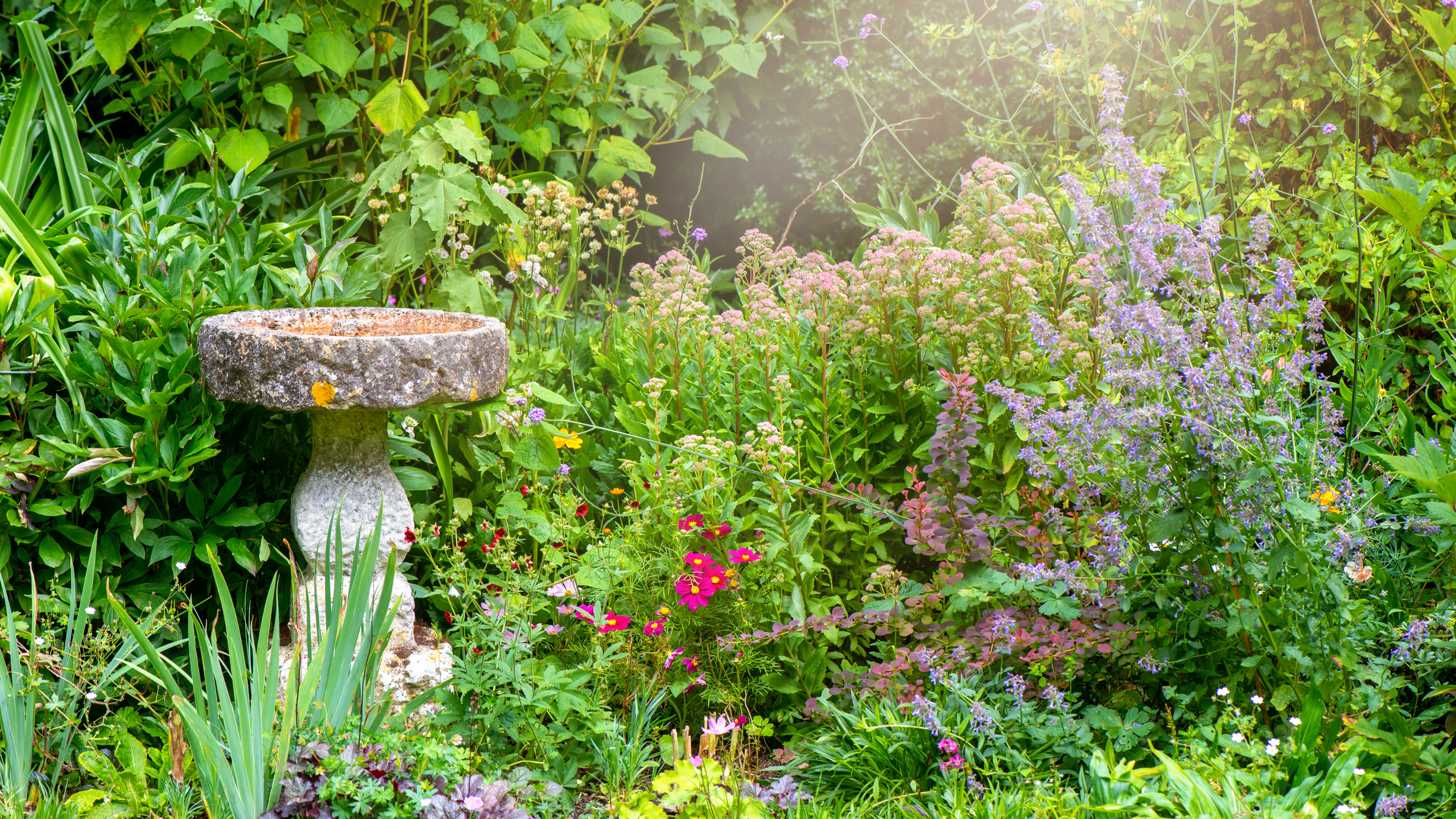
Credit: www.idealhome.co.uk
Choosing The Right Flowers
Planting flowers around a bird bath makes your garden lively and inviting. The right flowers attract birds and create a peaceful space.
Choose flowers that provide food or shelter for birds. Consider colors, seasons, and bird preferences when planting.
Best Flowers For Bird-friendly Gardens
Some flowers offer nectar, seeds, or shelter to birds. These plants help birds feel safe and well-fed near your bird bath.
- Sunflowers: Provide seeds that many birds enjoy.
- Bee balm: Attracts hummingbirds with its nectar.
- Coneflowers: Offer seeds and cover for small birds.
- Zinnias: Bright flowers that attract butterflies and birds.
- Black-eyed Susans: Good for seeds and nesting spots.
Colors That Attract Birds
Birds are drawn to bright and warm colors. Planting the right colors helps bring more birds to your bird bath.
- Red: Attracts hummingbirds and orioles.
- Orange: Catches the attention of many bird species.
- Yellow: Bright and easy for birds to spot.
- Pink: Soft color that draws small birds.
Seasonal Flower Options
Choose flowers that bloom in different seasons. This keeps your garden colorful and bird-friendly all year.
- Spring: Daffodils, tulips, and crocuses start the season.
- Summer: Sunflowers, zinnias, and bee balm bloom well.
- Fall: Asters and goldenrod feed birds preparing for winter.
- Winter: Evergreen shrubs with berries provide food and shelter.
Preparing The Planting Area
Planting flowers around a bird bath creates a lovely garden spot. Proper preparation helps flowers grow well and look great.
Preparing the area means checking the soil, clearing space, and planning your planting. These steps make planting easier.
Soil Testing And Improvement
Test the soil to know its condition. Good soil helps flowers grow strong and healthy.
Use a soil test kit or send a sample to a lab. Check for pH level, nutrients, and texture.
- Adjust pH with lime for acidic soil or sulfur for alkaline soil
- Add compost to improve nutrients and texture
- Mix in sand or peat moss if soil is too heavy or clay-like
Clearing The Space
Remove weeds, grass, and debris from the planting area. This stops competition for water and nutrients.
Clear about two feet around the bird bath. This space lets flowers grow without crowding the bird bath.
- Pull out weeds by hand or use a hoe
- Remove roots to prevent regrowth
- Rake the soil to smooth the surface
Creating A Planting Plan
Plan where to place each flower around the bird bath. Think about color, height, and bloom time.
Place taller plants at the back or center. Put shorter plants near the edges to show all flowers well.
- Choose flowers that like similar sunlight and water
- Mix colors for a bright and natural look
- Leave some space for growth and air circulation
Planting Techniques Near Bird Baths
Planting flowers around a bird bath can create a beautiful and inviting garden area. It also helps attract birds by providing them with shelter and food nearby.
Use proper planting techniques to keep plants healthy and make sure birds have easy access to water.
Spacing For Growth And Access
Leave enough space between flowers to let them grow fully. Crowded plants can block birds from reaching the water.
Space plants at least 6 to 12 inches apart. This helps air flow and stops plants from competing for water and nutrients.
- Keep paths clear for birds to land and drink
- Avoid planting too close to the bird bath edge
- Allow room for plant roots to spread out
Layering With Heights And Textures
Use plants of different heights to make the area look natural and inviting. Taller plants go at the back or center.
Mix textures by combining leafy plants with flowering ones. This variety attracts birds and adds visual interest.
- Place low plants near the bird bath edge
- Taller plants behind to provide shelter
- Use soft and rough leaves for variety
Watering Tips For Newly Planted Flowers
Water new plants gently but deeply to help roots grow strong. Keep soil moist but not soggy.
Water in the early morning or late afternoon. Avoid watering the bird bath itself to keep water clean for birds.
- Use a watering can for better control
- Check soil moisture before watering again
- Mulch around plants to keep soil moist
Maintaining Your Flower Garden
Keeping flowers healthy around your bird bath takes regular care. Proper maintenance helps flowers grow strong and vibrant.
Good maintenance also keeps birds safe and happy while visiting your garden.
Regular Watering And Feeding
Water your flowers often, especially during dry weather. Wet the soil around the plants, not the leaves.
Feed flowers with balanced fertilizer to help them grow well. Use slow-release types to avoid overfeeding.
- Water early in the morning or late afternoon
- Check soil moisture before watering
- Use fertilizer every 4 to 6 weeks during growing season
Pruning And Deadheading
Prune your flowers to remove dead or damaged stems. This helps the plant focus energy on new growth.
Deadhead spent blooms to encourage more flowers. Remove faded petals regularly to keep plants tidy.
- Cut back dead stems at the base
- Pinch off old flowers just above leaf nodes
- Use clean, sharp tools to avoid plant damage
Pest Control Without Harming Birds
Use natural pest control methods to protect birds. Avoid chemical sprays that can harm wildlife.
Encourage helpful insects like ladybugs to keep pests down. Handpick pests if you see them on plants.
- Spray plants with soapy water to remove pests
- Plant herbs like basil and mint to repel bugs
- Keep bird bath water clean to prevent mosquito breeding
Enhancing The Bird Bath Area
Planting flowers around a bird bath makes the space lively and inviting. Flowers add color and attract birds and butterflies.
Careful planning helps you create a beautiful and balanced garden area. Choose plants that thrive near water and match your style.
Adding Decorative Elements
Decorative items make the bird bath area special and personal. Use stones, statues, or garden ornaments to add charm.
Place decorations so they do not block the birds or plants. Small paths or benches also improve the space.
- Colorful stones or pebbles
- Small animal or bird statues
- Garden benches or chairs
- Wind chimes or hanging decorations
Using Mulch For Moisture And Aesthetics
Mulch helps keep the soil moist around your plants. It also stops weeds from growing and keeps roots cool.
Choose mulch that matches your garden’s style. Organic mulch like bark or straw improves soil health over time.
- Retains soil moisture
- Prevents weed growth
- Keeps roots cool in summer
- Adds a neat and clean look
Lighting For Evening Appeal
Lights create a soft glow around the bird bath at night. They highlight flowers and make the area safe to walk.
Use solar or low-voltage lights to save energy. Place them near plants and paths to brighten the whole space.
- Solar stake lights
- String lights over plants
- Spotlights focused on the bird bath
- Pathway lights for safety
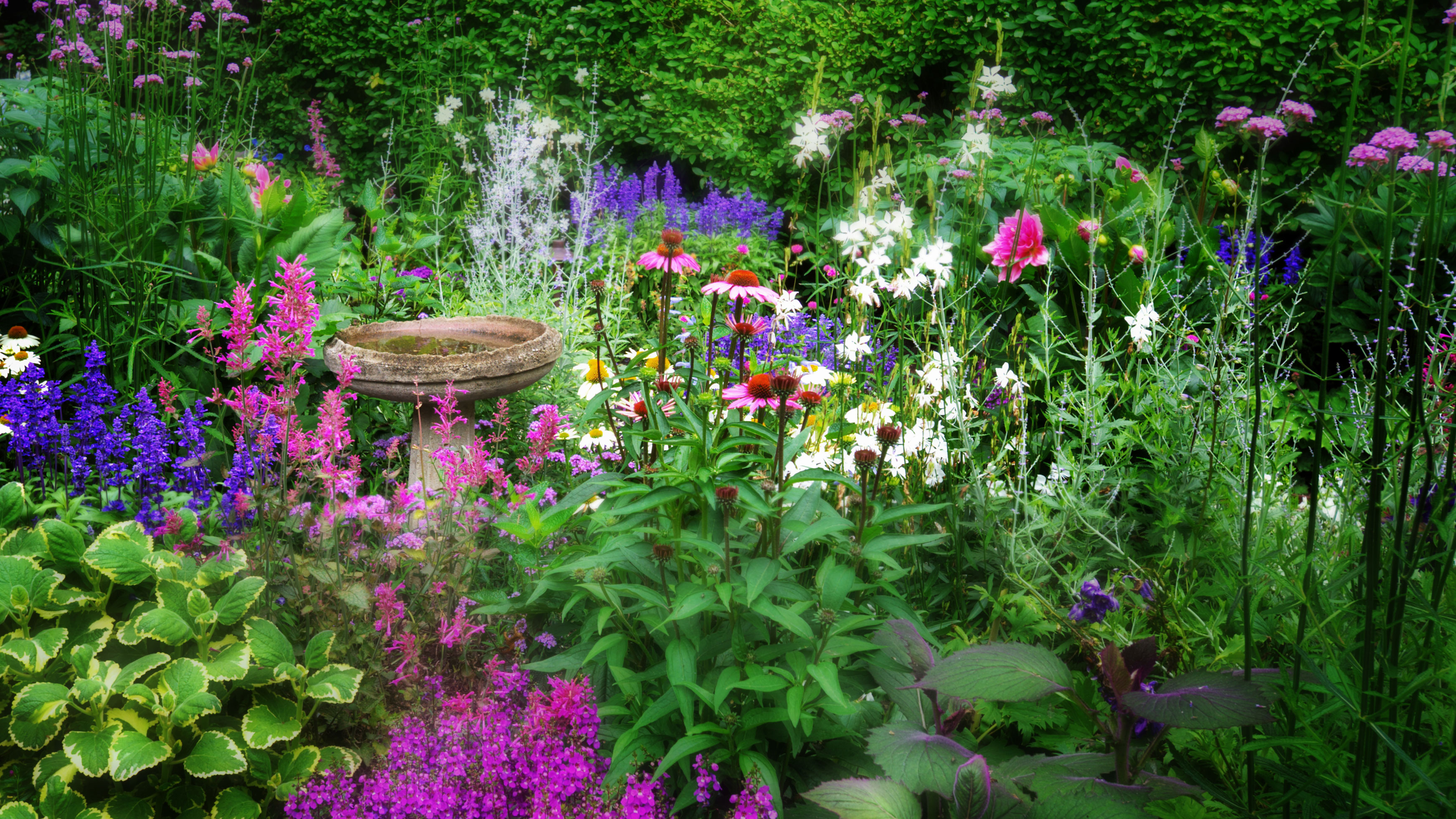
Credit: www.homesandgardens.com

Credit: www.aol.com
Frequently Asked Questions
What Flowers Grow Best Around A Bird Bath?
Choose flowers that attract birds and thrive in your climate. Popular options include lavender, marigolds, and coneflowers. These plants add color and provide shelter, enhancing the bird bath’s appeal.
How Far Should Flowers Be Planted From A Bird Bath?
Plant flowers about 6 to 12 inches away from the bird bath. This spacing prevents water contamination and allows birds easy access while giving plants room to grow.
Can Flowering Plants Attract More Birds To My Bird Bath?
Yes, flowering plants attract insects and provide nectar, drawing more birds. They create a natural habitat and food source, encouraging birds to visit and stay longer.
How Do I Maintain Flowers Around A Bird Bath?
Water regularly and remove dead blooms to keep plants healthy. Use mulch to retain moisture and prevent weeds. Regular care ensures vibrant flowers that complement your bird bath.
Conclusion
Planting flowers around a bird bath is simple and rewarding. Flowers attract birds, adding life to your garden. Choose vibrant colors for a cheerful look. Use native plants for easy maintenance. Arrange flowers in a circular pattern for symmetry. Keep taller plants at the back for balance.
Water regularly to keep the flowers fresh. Mulch helps retain soil moisture. Enjoy the beauty and peace it brings. Your garden becomes a haven for birds. A joyful space for you and nature. Happy gardening!



