
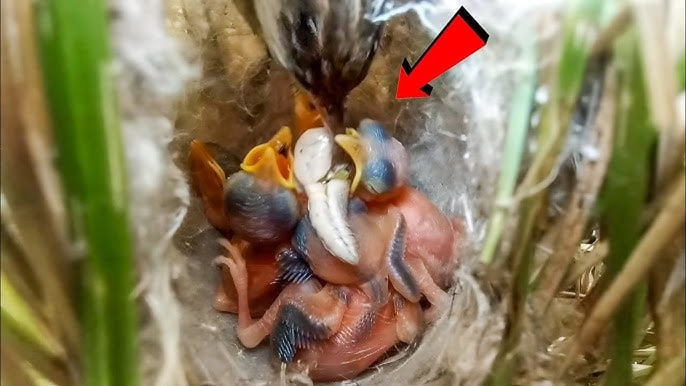
Have you ever found a tiny baby bird struggling to eat on its own? Feeding a baby bird a worm might sound tricky, but with the right steps, you can help it grow strong and healthy.
You don’t need special skills—just a little patience and the right technique. In this guide, you’ll learn exactly how to feed a baby bird a worm safely and effectively. Keep reading, and you’ll soon feel confident giving these little creatures the care they need.
Credit: besgroup.org
Choosing The Right Worms
Feeding a baby bird a worm needs care and attention. Picking the right worms is very important to keep the bird healthy.
Not all worms are safe for baby birds. You need to know which worms are best to feed them.
Types Of Safe Worms
Some worms are safe for baby birds to eat. Avoid worms that live in dirty places or may carry germs.
- Earthworms: Good choice and easy to find.
- Mealworms: Often sold in pet stores and safe.
- Red wigglers: Used in compost, safe if clean.
Where To Find Worms
Look for worms in places where they are clean and safe. Avoid worms from polluted areas.
- Garden soil: Look under leaves or logs.
- Compost bins: Find red wigglers here.
- Pet shops: Buy mealworms that are healthy.
- Near water sources: Only if the area is clean.
Preparing Worms For Feeding
Clean worms before feeding to remove dirt and germs. This helps keep the baby bird safe.
Rinse worms gently in water. Do not use soap or chemicals. Pat them dry with a clean cloth.
- Pick worms carefully to avoid harming them.
- Rinse with fresh water to clean dirt.
- Keep worms at room temperature before feeding.
- Cut large worms into small pieces for baby birds.
Preparing The Baby Bird
Feeding a baby bird a worm requires careful preparation. You must understand how to care for the bird before you start feeding.
Getting the bird ready helps it stay calm and makes feeding easier. Pay attention to the bird’s needs and behavior.
Identifying Hunger Signals
Baby birds show signs when they are hungry. Look for these signals before feeding a worm.
Common hunger signs include open mouth, loud chirping, and moving toward you. These mean the bird is ready to eat.
- Open mouth wide and begging for food
- Repeated loud chirps or calls
- Moving its head or body toward you
- Staying alert and active
Handling The Bird Gently
Hold the baby bird carefully to avoid injury. Use soft, steady hands to keep the bird calm.
Support the bird’s body and avoid squeezing. Gentle handling helps the bird feel safe and ready to eat.
- Use one hand to support the bird’s body
- Avoid touching the wings or legs too much
- Keep your hands warm and dry
- Stay calm and move slowly
Feeding Techniques
Feeding a baby bird a worm requires care and patience. Using the right technique helps keep the bird safe and healthy.
Learn how to choose the proper worm size, hold the worm correctly, and offer it safely to the baby bird.
Proper Worm Size
Selecting the correct worm size is important. The worm should not be too big or too small for the baby bird.
| Baby Bird Age | Worm Size |
| 1-3 days | Very small, about 1 inch |
| 4-7 days | Small, about 2 inches |
| 8-14 days | Medium, about 3 inches |
| Older than 14 days | Regular size worm |
How To Hold The Worm
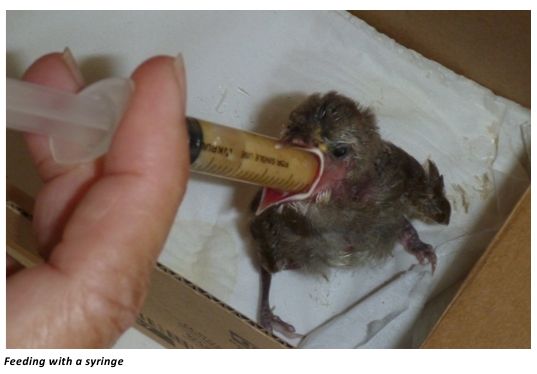
Hold the worm gently but firmly to avoid hurting the baby bird. Use tweezers or clean fingers.
- Pinch the worm near its head
- Keep the worm straight and steady
- Do not squeeze the worm too hard
- Make sure the worm is alive and moving
Offering The Worm Safely
Offer the worm slowly to avoid choking or stress. Watch the baby bird’s reaction carefully.
- Bring the worm close to the bird’s beak
- Wait for the bird to open its mouth
- Gently place the worm inside the beak
- Allow the bird to swallow before offering more
- If the bird resists, stop and try again later

Credit: www.reddit.com
Feeding Frequency And Amount
Feeding a baby bird a worm needs care and attention. You must give the right amount of food at the right times.
Giving too much or too little can harm the baby bird. Learn how often to feed and how to check its intake.
How Often To Feed
Baby birds need feeding many times a day. Young birds get hungry quickly because they grow fast.
Feed the baby bird every 20 to 30 minutes during daylight hours. As it grows, feed less often, about every hour.
- Newborns: every 20 to 30 minutes
- One week old: every 30 to 45 minutes
- Two weeks old: every 45 to 60 minutes
- Older than two weeks: every 1 to 2 hours
Monitoring Intake
Watch how much the baby bird eats each time. It should finish the worm pieces but not leave much food behind.
If the bird does not eat well, it may be sick or stressed. Adjust the amount of food based on its hunger and weight.
- Offer small worm pieces first
- Check the bird’s crop to see if it is full
- Do not overfeed to avoid choking
- Keep feeding consistent to support growth
Common Challenges
Feeding a baby bird a worm can be tricky. It takes patience and care. You might face some common problems during this process.
Knowing how to handle these challenges helps you care better for the bird. Below are some issues you may find and ways to deal with them.
Dealing With Refusal
Sometimes, baby birds refuse to eat worms. This can happen if they feel scared or unsure. Try to stay calm and gentle.
- Offer small pieces of worm first
- Use tweezers to place food near the bird’s mouth
- Keep the bird warm and quiet to reduce stress
- Be patient and try again after some time
Avoiding Overfeeding
Feeding too much can harm a baby bird. It can cause choking or upset its stomach. Watch how much you feed carefully.
| Signs of Overfeeding | What to Do |
| Swollen belly | Stop feeding and let the bird rest |
| Spitting up food | Feed smaller amounts next time |
| Slow or no swallowing | Give breaks between feeding |
Signs Of Stress In The Bird
A stressed bird may refuse food or move a lot. It might also make unusual sounds or close its eyes often. Watch for these signals.
- Restlessness or sudden movements
- Fluffed feathers
- Loud chirping or silence
- Closed eyes during feeding
If you see stress signs, stop feeding. Let the bird calm down in a quiet place. Try again later with gentle care.
Post-feeding Care
After feeding a baby bird a worm, care is still very important. This helps the bird stay healthy and grow strong.
Good post-feeding habits keep the bird clean and teach it how to eat on its own.
Cleaning Up
Clean the baby bird gently after feeding. Remove any food or dirt from its feathers and beak. This stops infections and keeps the bird comfortable.
Use a soft, damp cloth or cotton ball with warm water. Wipe carefully without hurting the bird. Avoid using soap or chemicals.
- Use a soft cloth or cotton ball
- Use warm water only
- Do not use soap or chemicals
- Wipe gently around beak and feathers
- Keep the bird dry and warm after cleaning
Encouraging Natural Feeding Behavior
Help the baby bird learn to feed itself. Offer small worms or soft insects in its enclosure. Let the bird try to grab the food on its own.
Do not force the bird to eat. Give it time to practice and build confidence. This helps the bird prepare for life outside your care.
- Place small worms nearby for the bird to find
- Watch but do not push the bird to eat
- Gradually reduce hand-feeding
- Encourage the bird to use its beak and claws
- Be patient and gentle during this process

Credit: www.youtube.com
Frequently Asked Questions
How Do I Safely Feed A Baby Bird A Worm?
Use tweezers or clean fingers to gently offer small worm pieces. Avoid forcing food. Feed slowly to prevent choking. Keep the bird calm and quiet during feeding.
What Type Of Worms Are Best For Baby Birds?
Small, live earthworms or mealworms are ideal. They provide essential protein and moisture. Avoid large or dried worms to prevent choking or poor nutrition.
How Often Should I Feed A Baby Bird Worms?
Feed every 15 to 20 minutes during daylight hours. Young birds need frequent feeding for growth. Adjust frequency based on the bird’s age and hunger signals.
Can I Feed Frozen Or Cooked Worms To Baby Birds?
Fresh or live worms are best for nutrition and digestion. Avoid cooked worms as they lose nutrients. Thawed frozen worms can be used if live ones aren’t available.
Conclusion
Feeding a baby bird a worm requires care and patience. Start with soft, small worms. Ensure they’re clean and fresh for safety. Use tweezers for easy handling. Feed gently, allowing the bird to swallow slowly. Observe the bird’s reactions. Stop if it struggles or seems stressed.
Cleanliness is essential for both you and the bird. Wash hands after feeding. This process strengthens the bird’s health and growth. With practice, you’ll gain confidence. Remember, always be gentle and attentive. Keep learning and observing for successful feeding. Your efforts help the bird thrive and grow strong.



