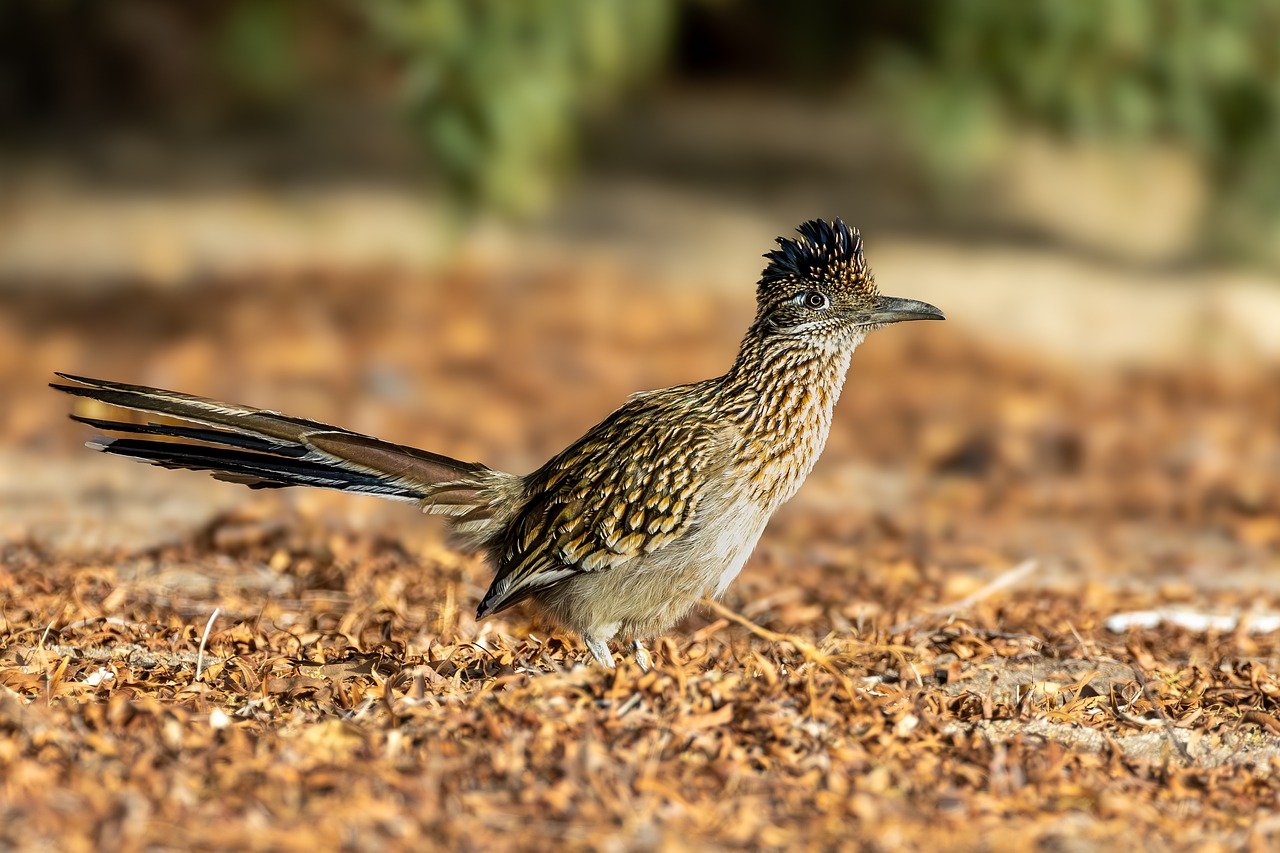
Have you ever wondered about the fascinating creatures that thrive in the harsh desert heat? Meet the roadrunner—a desert bird unlike any other.
With its speed, unique habits, and striking appearance, the roadrunner captures the spirit of the wild desert. If you think you know birds, think again. This bird’s story will surprise you and change the way you see life in the desert.
Keep reading to discover why the roadrunner is truly a desert marvel you don’t want to miss.
Desert Habitat
The roadrunner is a bird that lives in dry desert areas. It is well suited to hot and sandy environments. The desert habitat shapes how the roadrunner finds food and shelter.
This bird uses the features of the desert to stay safe and hunt. It moves quickly on the ground and can run fast to catch prey. The roadrunner's home is full of challenges like heat and little water.
Preferred Locations
Roadrunners prefer open deserts with low bushes and cacti. They like areas with scattered rocks and sandy soil. These spots give them places to hide and hunt for insects and small animals.
- Dry deserts with sparse plants
- Shrublands with creosote bushes
- Areas with cactus and yucca plants
- Flat lands with rocky outcrops
Climate Adaptations
The roadrunner has many ways to live in the hot desert climate. It controls its body heat and saves water well. These adaptations help it survive the tough weather.
| Adaptation | Purpose | Effect |
| Dark feathers | Absorb sunlight | Warm up in cool mornings |
| Fast running | Escape predators | Quick movement on hot ground |
| Water conservation | Reduce water loss | Survive long dry periods |
| Burrows and shade | Cool down body | Avoid heat during midday |
Physical Features
The roadrunner is a unique desert bird with special physical traits. These traits help it live and move fast in hot, dry places.
Understanding its physical features helps us see how well the roadrunner fits its desert home.
Distinctive Appearance
The roadrunner has a long tail and strong legs. Its feathers are mostly brown and white, with some black streaks. The bird has a crest on its head that it can raise or lower.
- Long tail helps with balance while running
- Streaked feathers provide camouflage in the desert
- Crest is used to show mood or signal other birds
- Strong legs for quick movement on the ground
Size And Speed
| Feature | Measurement |
| Length | 20 to 24 inches (50 to 61 cm) |
| Weight | 8 to 15 ounces (227 to 425 grams) |
| Top Speed | Up to 20 miles per hour (32 km/h) |
| Wing Span | 17 to 24 inches (43 to 61 cm) |
The roadrunner’s size is medium for a bird. It runs fast on the ground to catch prey and avoid danger. Its speed helps it survive in the desert.
Diet And Hunting
The roadrunner is a unique desert bird known for its fast running and sharp hunting skills. It lives in dry areas with little water. Its diet and hunting style help it survive in tough desert conditions.
This bird eats many kinds of food and uses clever methods to catch its prey. Understanding what it eats and how it hunts shows why it thrives in the desert.
Food Preferences
Roadrunners eat a variety of foods found in the desert. They prefer small animals but also eat plants. Their diet includes insects, reptiles, and fruits.
- Insects like grasshoppers and beetles
- Small lizards and snakes
- Spiders and scorpions
- Small birds and eggs
- Fruits and seeds from desert plants
Hunting Techniques
The roadrunner uses speed and surprise to catch its food. It runs fast and attacks quickly. It also waits quietly to catch prey by surprise.
| Technique | Description |
| Chasing | Runs fast to catch insects and small animals |
| Ambushing | Hides and waits for prey to come close |
| Pecking | Uses sharp beak to kill or stun prey |
| Using Feet | Kicks or holds prey with strong feet |
| Eating Fast | Consumes prey quickly to avoid danger |

Credit: www.dreamstime.com
Behavior Patterns
The roadrunner is a unique desert bird known for its fast movements. It shows interesting behavior that helps it survive in hot, dry places.
Understanding how roadrunners act during the day and how they communicate helps us learn about their life in the desert.
Daily Activity
Roadrunners are active mainly during the day. They hunt, rest, and move around in search of food.
They run fast on the ground instead of flying much. This helps them catch prey and avoid predators.
- Hunt insects, small reptiles, and birds
- Spend time sunbathing in the morning
- Rest in shaded areas during the hottest hours
- Run up to 20 miles per hour to catch food
Communication Methods
Roadrunners use sounds and body movements to talk with each other. These signals help them warn about danger or attract mates.
They make a series of cooing calls and use tail movements to express different messages.
- Coos to mark territory or attract a mate
- Fast clapping sounds made with their beak
- Tail flicking to show alertness or aggression
- Raising feathers to appear larger when threatened
Reproduction
The roadrunner is a desert bird known for its unique reproduction habits. It breeds once or twice a year in warm months. Both parents share duties to raise young roadrunners.
Understanding their mating rituals and nesting habits helps us learn how these birds survive in harsh desert environments.
Mating Rituals
Roadrunners perform special dances to attract mates. The male shows off by spreading his tail and calling loudly. He may bring small gifts like insects or lizards to the female.
- Male spreads tail feathers wide
- He makes a series of cooing sounds
- Offers food as a gift to the female
- Both birds engage in chasing games
- Pair stays close during courtship
Nesting Habits
Roadrunners build nests in low trees or shrubs. Both parents gather twigs and leaves to create a sturdy nest. The female lays 2 to 6 eggs, which hatch after about 20 days.
| Stage | Description |
| Nest Building | Twigs and leaves collected by both parents |
| Egg Laying | 2 to 6 eggs laid by the female |
| Incubation | About 20 days, shared by both parents |
| Chick Care | Both parents feed and protect the chicks |
Predators And Defense
The roadrunner is a desert bird known for its quick moves and sharp senses. It faces many predators in its dry home.
To survive, the roadrunner uses clever defense methods. It stays alert and acts fast to avoid danger.
Common Threats
Many animals hunt the roadrunner. These include larger birds, snakes, and mammals. Each predator poses a different risk.
- Hawks and eagles look for roadrunners from above.
- Snakes try to catch them on the ground.
- Coyotes and bobcats hunt roadrunners by chasing them.
Survival Strategies
The roadrunner uses many ways to stay safe. Speed and hiding are its main tools.
| Defense Method | Description |
| Fast Running | Runs up to 20 mph to escape predators quickly. |
| Camouflage | Feathers blend with desert colors to hide from enemies. |
| Strong Legs | Kicks and defends itself if caught. |
| Alertness | Watches for danger with sharp eyes and ears. |
Role In Ecosystem
The roadrunner is a bird that lives in deserts. It plays an important role in its ecosystem. It helps keep the environment balanced.
This bird controls insect and small animal populations. It also serves as food for larger animals. The roadrunner’s actions affect many desert species.
Impact On Food Chain
Roadrunners are both hunters and prey in the desert food chain. They eat insects, small reptiles, and rodents. This helps control those populations.
At the same time, roadrunners are food for bigger animals like hawks and coyotes. This shows they are a link between many creatures in the desert.
- Eat insects, lizards, small mammals
- Help reduce pest populations
- Serve as prey for larger desert animals
Interaction With Other Species
Roadrunners share their habitat with many desert animals. They compete with other birds and animals for food. This keeps the populations balanced.
They also help control pests that could harm plants. Roadrunners avoid dangerous animals but sometimes face threats from snakes and larger birds.
- Compete with other desert birds for food
- Help protect plants by eating pests
- Face threats from snakes and hawks

Credit: www.dreamstime.com
Cultural Significance
The roadrunner is a unique desert bird known for its speed and cleverness. It holds an important place in many cultures, especially in the American Southwest.
People have admired the roadrunner for its traits and have included it in stories, symbols, and media for many years.
In Folklore
In Native American folklore, the roadrunner is often seen as a protector. Many tribes believe it can chase away evil spirits and bring good luck.
Stories tell of the roadrunner using its speed and cleverness to outsmart enemies and help people in need.
Symbolism
The roadrunner symbolizes speed, agility, and survival in tough conditions. It shows how to stay strong and smart in the desert.
It also represents freedom and independence because it moves quickly and lives in wide open spaces.
- Speed and quick thinking
- Survival and resilience
- Freedom and independence
Media
The roadrunner is famous in cartoons, books, and movies. It is best known for the "Road Runner" character in animated shows.
This character is fast, clever, and always escapes danger, showing the bird’s real-life traits in a fun way.
Credit: www.kansas.com
Frequently Asked Questions
What Makes A Roadrunner A Desert Bird?
A roadrunner thrives in arid deserts due to its ability to withstand heat. It finds food and shelter in dry environments. Its adaptations, such as fast running and water conservation, suit desert life perfectly. This bird is a true symbol of desert wildlife.
Where Do Roadrunners Commonly Live?
Roadrunners are mainly found in the southwestern United States and northern Mexico. They prefer desert scrub and open areas with sparse vegetation. These regions offer ideal hunting grounds and nesting sites. Their habitat choice helps them avoid dense forests and cold climates.
What Do Roadrunners Eat In Deserts?
Roadrunners eat insects, small reptiles, and rodents common in deserts. They also consume fruits and seeds when available. This varied diet helps them survive in harsh desert conditions. Their hunting skills are adapted to capture quick and elusive prey.
How Do Roadrunners Survive Extreme Desert Heat?
Roadrunners avoid heat by being active mostly in mornings and evenings. They use shade and burrows to stay cool during midday. Their bodies conserve water efficiently to prevent dehydration. These behaviors help them endure the hot desert climate.
Conclusion
The roadrunner truly fascinates as a desert bird. Its speed and adaptability impress many. These birds are more than just cartoon characters. They represent resilience in harsh desert environments. Their unique behaviors captivate bird enthusiasts and casual observers alike. Observing a roadrunner can be an exciting experience.
Their presence adds life to arid landscapes. Understanding these birds deepens our appreciation for desert ecosystems. Next time you visit a desert, watch for the roadrunner. Their swift movements and clever tactics are a natural wonder. A symbol of survival and adaptability in tough conditions.
Appreciate their role in nature.