A Bird That Eats Insects in Barns: Species, Benefits, and Farmer Success Stories
Have you ever wondered which bird quietly helps keep your barn free from pesky insects? If you’re tired of dealing with bugs that damage your stored crops or create an uncomfortable environment, knowing about this special bird can change everything.
Imagine a natural helper that swoops in, eating insects and protecting your space without any extra effort from you. Keep reading to discover which bird plays this important role and how it can benefit your barn and your peace of mind.
Common Barn Insect-eating Birds
Many birds live in or near barns and feed on insects. They help control pests naturally. These birds are useful for farmers and gardeners.
Below are some common insect-eating birds often found around barns. They catch insects in flight or from surfaces.
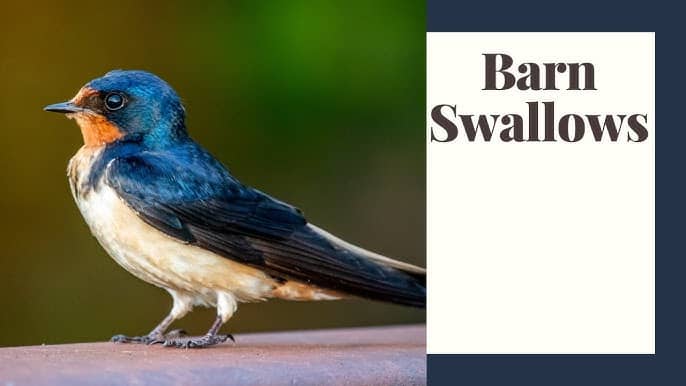
Barn Swallow
Barn Swallows have shiny blue backs and reddish faces. They build mud nests inside barns. They catch flying insects like flies and beetles.
- Fast flyers
- Often seen swooping low
- Feed mainly on flying insects
- Return to same nests each year
Eastern Bluebird
Eastern Bluebirds are bright blue with rusty red breasts. They like open fields and barnyards. They eat insects like crickets and grasshoppers.
| Characteristic | Details |
| Size | 6.5 to 7 inches |
| Color | Blue and rusty red |
| Diet | Insects and small fruits |
| Habitat | Open fields, barns, and orchards |
Purple Martin
Purple Martins are the largest swallows in North America. They nest in birdhouses near barns. They eat many flying insects, helping reduce bugs.
- They rely on birdhouses for nesting.
- They eat mosquitoes and dragonflies.
- Migrate to South America in winter.
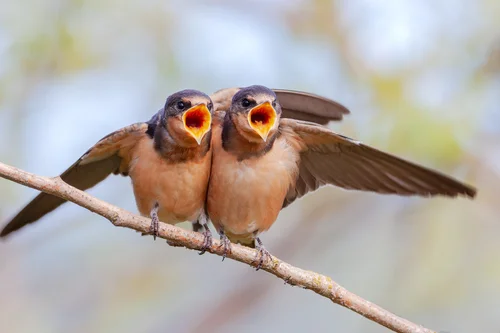
Credit: swibirds.org
Benefits Of Birds For Pest Control
Birds that eat insects in barns help reduce pests naturally. They hunt bugs like flies, beetles, and moths that can harm stored crops and animals.
Using birds for pest control keeps barns cleaner and safer. It lowers the need for chemical sprays and protects the environment.
Natural Insect Reduction
Birds catch many insects every day. They eat pests that damage crops and spread disease. This helps keep insect numbers low.
With fewer insects, barns stay healthier. Birds act as natural pest killers without harming plants or animals.
Eco-friendly Approach
Birds reduce pests without using chemicals. This protects the soil, water, and air from pollution. It also keeps beneficial insects safe.
Using birds supports a balanced ecosystem. It helps maintain nature’s cycles and encourages biodiversity in barn areas.
Cost-effective Solution
Birds help lower costs by reducing the need for insect sprays and traps. Farmers save money on pest control tools and chemicals.
Birds are easy to keep and do not require special care. Their natural pest control saves time and effort for barn owners.
Attracting Birds To Your Barn
Birds that eat insects help keep barns free from pests. Attracting these birds benefits your barn’s health. You can make your barn a safe place for them.
Simple changes can invite birds to stay and hunt near your barn. Focus on their needs like shelter, food, and quiet spaces.
Providing Nesting Sites
Birds need safe places to build nests in or near your barn. You can add birdhouses or leave old beams for natural nests.
Make sure nesting spots are high and protected from predators. This helps birds feel secure and encourages them to stay.
- Install birdhouses at different heights
- Keep old wooden beams or rafters intact
- Place nesting sites away from human activity
Food And Water Sources
Insect-eating birds need easy access to food and water near the barn. Keep areas moist to attract insects for birds to eat.
Provide fresh water in shallow dishes or small birdbaths. Change water often to keep it clean and safe for birds.
- Leave small puddles or damp spots for insects
- Place clean water dishes in shaded, quiet spots
- Use natural plants to attract insects
Minimizing Disturbances
Birds avoid noisy and busy places. Keep your barn calm, especially near nesting and feeding areas.
Limit human activity during breeding seasons. Store equipment neatly to avoid sudden noises or movements.
- Close doors quietly and avoid loud noises
- Restrict pets from chasing birds
- Organize barn tools to reduce clutter and noise
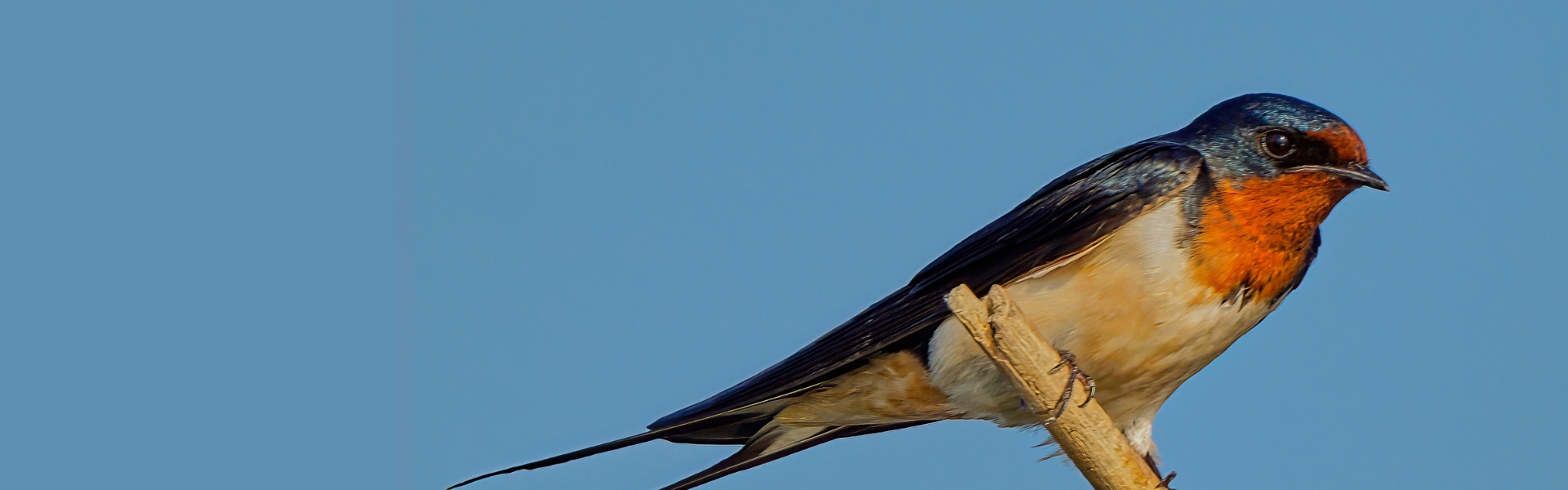
Credit: sccp.ca
Bird Behavior And Feeding Habits
Barn swallows are birds that eat insects found in barns. They help control pest insects naturally. These birds are active hunters and feed on a variety of flying bugs.
They use sharp eyesight and quick movements to catch insects mid-air. Their behavior changes with the time of day and seasons to find the best food.
Insect Hunting Techniques
These birds catch insects while flying. They swoop and dive to grab bugs with their beaks. They often fly close to barn walls and open spaces.
They use their agility to chase fast insects. Sometimes, they perch and watch for prey before flying to catch it.
- Fast flight to catch flying insects
- Perching to spot prey
- Diving to snatch insects mid-air
- Flying near barn openings and lights
Peak Feeding Times
These birds feed most when insects are active. Early morning and late afternoon are common times to hunt. Insects are easier to catch in cooler hours.
They avoid feeding in the heat of midday when insects hide. Evening feeding helps them gather food before nightfall.
- Early morning activity
- Late afternoon feeding
- Less hunting during midday heat
- Evening feeding before dark
Seasonal Variations
Feeding habits change with seasons. In spring and summer, insects are plentiful. Birds eat more and raise their young during this time.
In fall and winter, insect numbers drop. Birds may eat fewer insects or look for other food sources. They also rest more during cold months.
- Spring and summer: high insect feeding
- Fall and winter: fewer insects available
- More feeding to raise chicks in warm months
- Reduced activity in cold seasons
Challenges And Considerations
A bird that eats insects in barns plays an important role in controlling pests. Keeping these birds around is not always easy. There are many challenges and things to think about.
Understanding these challenges helps protect the birds and keep a healthy barn environment. This guide covers key points to consider.
Predators And Threats
Birds that eat insects in barns face many dangers. Predators like cats, snakes, and larger birds can harm them. These threats reduce bird numbers.
Other threats include harsh weather and loss of nesting spots. Chemicals used in barns can also hurt these birds.
- Predators: cats, snakes, hawks
- Harsh weather conditions
- Loss of safe nesting areas
- Exposure to pesticides and chemicals
Balancing Bird Populations
It is important to keep the bird population balanced. Too many birds may cause noise and droppings. Too few birds cannot control insects well.
Farmers and barn owners should watch bird numbers and help keep them steady. Providing safe spaces helps maintain good balance.
- Monitor bird numbers regularly
- Provide nesting boxes and shelters
- Avoid using harmful chemicals
- Encourage natural food sources
Impact On Other Wildlife
Birds that eat insects can affect other animals in barns. They may compete for food with other insect eaters. This can change barn wildlife balance.
These birds also help by reducing insect pests. This can benefit other animals and plants in the barn area.
- Competition with other insect-eating animals
- Reduction of harmful insect pests
- Helping maintain a healthy barn ecosystem
Success Stories From Farmers
Farmers have seen great benefits from birds that eat insects in barns. These birds help reduce pests naturally.
Many farmers share stories about how these birds improved their farms and saved their crops.
Reduced Pest Damage
Birds that eat insects keep pest numbers low. This means less damage to stored grains and feed.
Farmers report fewer bugs and less need for chemical sprays after birds moved into their barns.
- Fewer insect holes in stored crops
- Less contamination from pests
- Lower costs for pest control
Improved Crop Yields
With fewer insects, crops suffer less damage in fields and storage. Birds help protect the harvest.
Farmers notice bigger and healthier crops thanks to natural pest control by birds.
- More grains reach maturity
- Better quality produce
- Higher profits from larger yields
Long-term Sustainability
Birds provide a natural way to manage pests without chemicals. This protects the environment.
Farmers enjoy lasting benefits as birds keep pests in check year after year.
- Less chemical use on farms
- Healthier soil and water
- Stronger farm ecosystems

Credit: swibirds.org
Frequently Asked Questions
What Bird Commonly Eats Insects In Barns?
Barn swallows are the most common birds eating insects in barns. They feed on flies, mosquitoes, and beetles. These birds help control pest populations naturally. Their swift flight allows efficient insect catching. Barn swallows often nest in barn rafters or eaves.
How Do Barn Swallows Help Control Barn Pests?
Barn swallows consume large quantities of flying insects daily. This natural pest control reduces harmful insect populations around barns. Their presence minimizes the need for chemical insecticides. By eating mosquitoes and flies, they improve the barn environment. This benefits both livestock and humans.
When Do Barn Swallows Eat Insects In Barns?
Barn swallows primarily eat insects during the day. They are most active in the early morning and late afternoon. Their feeding peaks coincide with high insect activity times. These birds rest at night but may roost inside barns. Daytime feeding helps maintain barn insect control.
Why Do Barn Swallows Choose Barns To Feed?
Barns provide ideal nesting spots and abundant insect prey. Open structures attract many flying insects, offering rich food sources. Barn swallows prefer barns due to shelter and safety from predators. The presence of livestock also encourages insect populations. This combination makes barns perfect for feeding.
Conclusion
Barn-dwelling birds play a vital role in controlling insect populations. Their presence benefits both farms and ecosystems. These birds reduce pest numbers naturally. Farmers enjoy healthier crops and fewer pests. Birds find ample food in barns and fields. This mutual relationship thrives in harmony.
Birdwatchers and nature lovers appreciate the diversity these birds offer. Encouraging their presence supports ecological balance. Small actions, like conserving barn habitats, make a difference. Embrace these feathered helpers and enjoy nature’s wonders. They truly make a positive impact on agriculture and the environment.
Let’s cherish and protect these valuable allies.