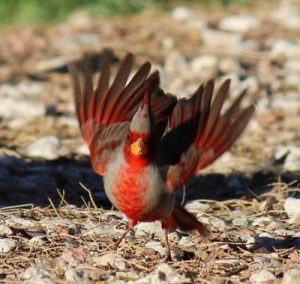
Have you ever wondered how birds survive in the harsh, dry deserts where water is scarce and temperatures soar? You might think deserts are too tough for birds to live in, but some incredible species have adapted in amazing ways.
If you want to discover which birds call the desert home and how they thrive in such a challenging environment, keep reading. Your curiosity about desert wildlife is about to be rewarded with fascinating facts that will change the way you see these resilient creatures.
Desert Bird Adaptations
Birds that live in deserts face hot temperatures and little water. They have special ways to survive in this harsh place.
These desert birds show amazing traits and habits to handle heat and dryness. They use smart tricks to save water and find food.
Physical Traits For Survival
Desert birds have bodies that help them live in hot, dry areas. Their feathers often reflect sunlight to stay cool.
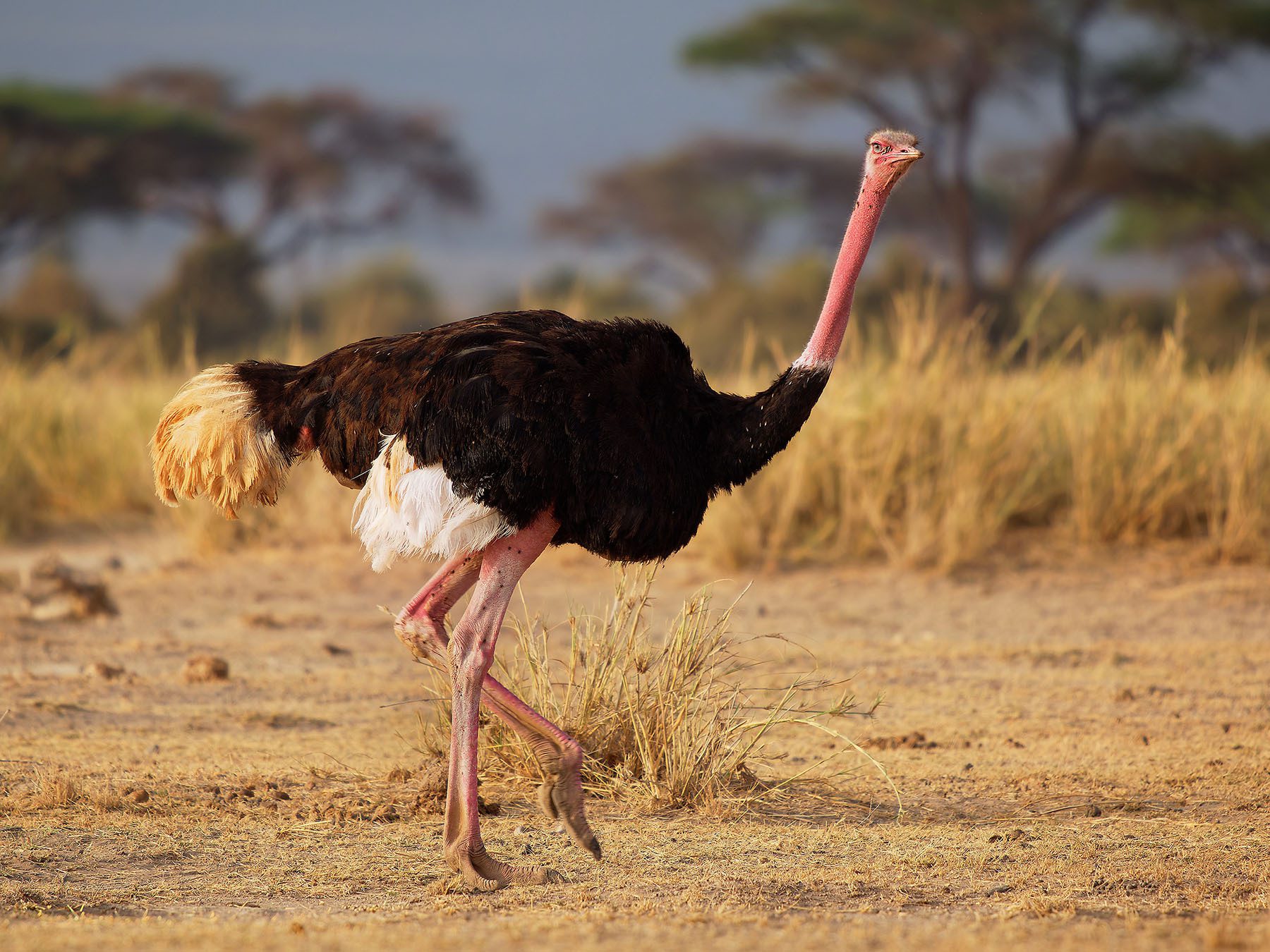
They also have long legs to keep their bodies away from hot ground and strong beaks to eat tough plants or insects.
- Light-colored feathers reflect heat
- Long legs keep birds above hot sand
- Strong beaks help eat desert food
- Compact bodies reduce water loss
Behavioral Strategies
Desert birds change their actions to avoid heat. They stay in shade during the hottest parts of the day.
Many birds are active early in the morning or late in the evening when it is cooler. They also use their wings to cool down.
- Rest in shade during midday heat
- Fly or hunt during cool morning and evening
- Use wing movements to reduce body temperature
- Build nests in cool, hidden spots
Water Conservation Techniques
Desert birds save water by producing very little waste. Their kidneys work well to keep water inside their bodies.
They get water from food like insects and plants. Some birds also use dew or morning moisture to drink.
- Produce dry droppings to save water
- Efficient kidneys reduce water loss
- Get water from food sources
- Drink dew or moisture at dawn
Credit: birdfact.com
Common Desert Birds
Deserts are home to many unique birds. These birds have special ways to live in dry, hot places.
Many desert birds find food, water, and shelter in plants and rocks. They are strong and smart survivors.
Cactus Wren
The cactus wren is one of the most common birds in deserts. It lives in cactus plants and thorny bushes.
- It builds nests inside cactus to stay safe from predators.
- Its loud calls help it mark territory and find mates.
- It eats insects, spiders, and small fruits.
Greater Roadrunner
The greater roadrunner is fast and can run up to 20 miles per hour. It lives on the ground and hunts small animals.
| Feature | Description |
| Speed | Up to 20 miles per hour |
| Diet | Insects, lizards, small birds |
| Habitat | Open desert and scrubland |
| Size | About 20 inches long |
Sandgrouse
Sandgrouse live in dry desert areas. They fly long distances to find water for their chicks.
- Special belly feathers soak up water to carry to young.
- Camouflage colors blend with desert sands.
- Strong wings for long flights over hot land.
Rare Desert Species
Deserts are tough places to live. Few animals can survive the heat and dry conditions.
Some birds have special traits that help them live in deserts. These rare species are unique and interesting.
Egyptian Vulture
The Egyptian Vulture is a small vulture found in deserts. It has white feathers and a yellow face.
This bird uses tools to break eggs. It is smart and adapts well to desert life.
- Size: About 2.5 feet wingspan
- Diet: Carrion, eggs, small animals
- Habitat: Rocky deserts and cliffs
Phainopepla
The Phainopepla is a shiny black bird with red eyes. It lives in hot desert areas.
This bird eats berries and insects. It can survive in dry places by finding water in fruits.
- Size: About 7 inches long
- Diet: Berries and insects
- Habitat: Desert scrub and mesquite trees
Burrowing Owl
The Burrowing Owl is small and lives underground. It uses burrows made by other animals.
This owl hunts at night. It eats insects and small rodents to survive in deserts.
- Size: About 9 inches tall
- Diet: Insects, small mammals
- Habitat: Open desert and grasslands
Credit: www.worldatlas.com
Birds In Different Desert Regions
Deserts may seem empty, but many birds live there. These birds have special ways to survive the heat and dryness.
Each desert has unique bird species. They adapt to the local conditions and find food and water in tough places.
North American Deserts
North American deserts include the Sonoran and Mojave deserts. Birds here deal with hot days and cold nights.
Common birds are the Roadrunner and Cactus Wren. They eat insects and small animals to survive.
- Greater Roadrunner
- Cactus Wren
- Gambel's Quail
- Elf Owl
Sahara Desert Birds
The Sahara is the largest hot desert. Birds here fly long distances to find water and food.
Species like the Desert Lark and Sandgrouse are common. They have strong legs and can store water well.
- Desert Lark
- Chestnut-bellied Sandgrouse
- Barbary Falcon
- Greater Hoopoe Lark
Australian Desert Species
Australian deserts are dry and hot. Birds here use shade and burrows to stay cool.
Birds like the Spinifex Pigeon and Budgerigar live in these deserts. They eat seeds and small insects.
- Spinifex Pigeon
- Budgerigar
- Australian Zebra Finch
- Black-breasted Buzzard
Challenges Desert Birds Face
Birds that live in deserts face many problems. These challenges make survival difficult.
They must find ways to handle heat, lack of food and water, and predators.
Extreme Temperatures
Deserts have very high daytime temperatures and cold nights. Birds must stay cool during the day.
They often rest in shade or burrows to avoid heat. At night, they keep warm with their feathers.
- Seek shade to avoid sun
- Limit activity during hottest hours
- Use feathers to keep warm at night
Scarcity Of Food And Water
Food and water are very rare in deserts. Birds must travel far to find both.
They eat seeds, insects, and small animals. Some get water from the food they eat.
- Eat dry seeds and tough plants
- Hunt insects and small creatures
- Get moisture from food
Predation Risks
Desert birds face many predators. They must stay alert to survive.
They use camouflage and quick flight to avoid being caught. Some live in groups for safety.
- Use colors to blend in with sand
- Fly fast to escape predators
- Stay in groups for protection

Credit: jeteliot.wordpress.com
Conservation Efforts
Desert birds face many challenges like habitat loss and harsh weather. Protecting these birds helps keep desert ecosystems healthy.
Conservation groups work to save desert birds through many efforts. These include protecting habitats, studying birds, and involving local people.
Habitat Protection
Protecting desert habitats is key for bird survival. Many birds rely on specific plants and water sources found only in deserts.
Conservation areas help keep these habitats safe from development and pollution. This gives birds a place to live and find food.
- Creating protected desert reserves
- Stopping illegal land clearing
- Restoring damaged desert areas
- Keeping water sources clean
Research And Monitoring
Scientists study desert birds to learn how they live and what they need. This helps plan better conservation actions.
Monitoring bird numbers and health shows if protection efforts are working. It also helps spot new threats early.
- Tracking bird populations with surveys
- Using GPS to study bird movements
- Recording breeding and nesting habits
- Checking for diseases or pollution effects
Community Involvement
Local people help protect desert birds by joining conservation projects. Their knowledge of the land is very valuable.
Education programs teach communities why desert birds matter. This encourages people to protect birds and their homes.
- Training locals to monitor bird populations
- Organizing clean-up and planting events
- Running workshops about desert wildlife
- Promoting eco-friendly farming and tourism
Frequently Asked Questions
What Bird Species Live In Deserts?
Many birds like roadrunners, cactus wrens, and burrowing owls thrive in deserts. They adapt to hot, dry conditions by finding water and shade.
How Do Desert Birds Survive Extreme Heat?
Desert birds regulate body temperature by seeking shade, being active early or late, and conserving water efficiently. Their feathers also reflect sunlight.
What Do Desert Birds Eat For Survival?
Desert birds eat insects, seeds, small reptiles, and fruits. Their diet varies based on availability and helps them stay hydrated.
Are Desert Birds Endangered Or Common?
Most desert birds are common but some species face threats from habitat loss. Conservation efforts help protect their environment and populations.
Conclusion
Desert birds show nature's adaptability. They thrive despite harsh conditions. From the resilient roadrunner to the clever cactus wren, each bird has unique traits. These adaptations allow survival in extreme heat and scarce water. Observing them offers insight into nature's wonders.
Their presence highlights the desert's rich ecosystem. Understanding these birds enhances appreciation for diverse wildlife. Next time in a desert, look for these fascinating creatures. Witness their survival skills firsthand. It's a remarkable experience. Desert birds truly amaze with their resilience and ingenuity.
Their stories inspire and teach us about life's tenacity.