
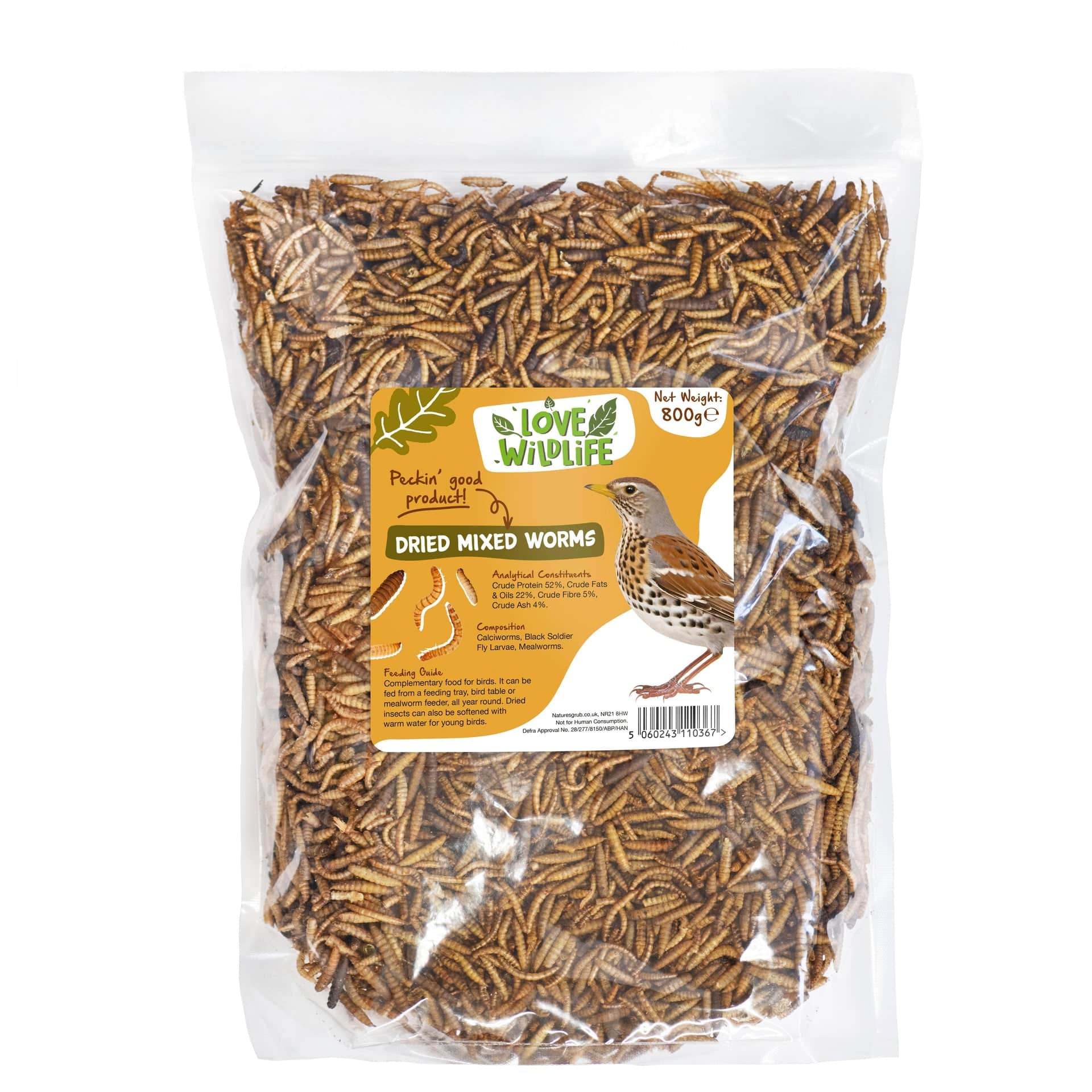
Have you ever wondered if you can feed worms wild bird seed? If you’re raising worms for composting or fishing, knowing what to feed them is key to keeping them healthy and active.
Wild bird seed might seem like a convenient option, but is it actually good for your worms? Keep reading to discover the surprising facts and learn exactly what your worms need to thrive. You’ll want to get this right to boost your worm’s health and get the best results.

Credit: www.amazon.ca
Suitability Of Wild Bird Seed For Worms
Wild bird seed is a common feed for birds but can worms eat it too?
This article looks at the value and safety of bird seed for worms.
Nutritional Profile Of Bird Seed
Wild bird seed contains many nutrients like fats, proteins, and carbs.
| Nutrient | Typical Amount |
| Proteins | 10-15% |
| Fats | 5-10% |
| Carbohydrates | 40-60% |
| Fiber | 5-10% |
Common Ingredients In Bird Seed Mixes
Bird seed mixes include several seeds and grains that vary by brand.
- Millet
- Sunflower seeds
- Safflower seeds
- Cracked corn
- Nyjer seed
- Canary seed
Potential Benefits For Worms
Feeding worms bird seed can add nutrients but with some care.
- Seeds provide energy through fats and carbs
- Protein helps worm growth and repair
- Fiber aids digestion and gut health
- Some seeds may need to be crushed for easier eating
- Too much fatty seed can harm worm balance
Risks Of Feeding Worms Bird Seed
Feeding worms wild bird seed may seem harmless. Bird seed is easy to find and appears natural.
But there are risks to consider before using it as worm food. Not all bird seed is safe or healthy for worms.
Mold And Spoilage Concerns
Bird seed can spoil quickly in damp or warm places. Spoiled seed often grows mold, which is harmful to worms.
Mold can cause worms to become sick or die. It also creates a bad smell in the worm bin.
Impact On Worm Health
Bird seed is not a balanced diet for worms. It lacks many nutrients worms need to grow and stay healthy.
- Seed shells can be hard to digest and irritate worms’ bodies.
- High starch content may upset worm digestion.
- Unnatural diet reduces worm reproduction and growth.
- Worms may refuse to eat bird seed if other food is available.
Contaminants And Additives
Some bird seed mixes contain chemicals or additives. These can harm worms or reduce their activity.
| Potential Contaminant | Effect on Worms |
| Pesticide Residue | Toxic, can kill worms |
| Fertilizer Additives | Disrupts digestion |
| Preservatives | May reduce worm feeding |
| Heavy Metals | Can accumulate and harm worms |
Best Practices For Feeding Worms
Feeding worms the right food helps them stay healthy and active. Wild bird seed can be a good choice if prepared correctly.
Learn how to prepare bird seed, control portions, and balance their diet with other foods.
Preparing Bird Seed For Worms
Not all bird seed is good for worms right away. It is best to clean and soften the seeds before feeding.
- Remove large shells and hard parts.
- Soak seeds in water overnight to soften them.
- Drain excess water to avoid mold growth.
- Crush some seeds to make them easier to eat.
Portion Control And Frequency
Giving too much food can cause waste and smell. Feed small amounts often to keep worms happy.
| Feeding Frequency | Portion Size |
| Every 2–3 days | 1 tablespoon per 100 worms |
| Once a week | 2 tablespoons per 100 worms |
Balancing With Other Food Sources
Worms need more than bird seed for a balanced diet. Add different foods to keep them healthy.
- Vegetable scraps like carrot or lettuce.
- Fruit peels in small amounts.
- Crushed eggshells for calcium.
- Avoid meat, dairy, and oily foods.
?imgeng=/w_auto,350/h_350)
Credit: www.jollyes.co.uk
Alternative Worm Foods
Worms can eat many types of food besides wild bird seed. Feeding them the right food helps them grow healthy.
Using different foods also keeps your worm bin balanced and clean. Some foods work better than others.
Kitchen Scraps And Organic Waste
Worms love kitchen scraps like fruit and vegetable peels. Avoid citrus and onions as they can harm worms.
Organic waste from cooking, like coffee grounds and eggshells, also feeds worms well. Chop scraps into small pieces.
- Fruit scraps (banana, apple, melon)
- Vegetable scraps (carrot, potato, leafy greens)
- Coffee grounds and tea bags
- Crushed eggshells for calcium
- Avoid meat, dairy, and oily foods
Specialized Worm Food Options
Some foods are made just for worms. These include worm food pellets and compost starter mixes.
These options help worms grow faster and make compost richer. Use them as a supplement to kitchen scraps.
- Worm food pellets from garden stores
- Compost starter mixes with beneficial microbes
- Shredded cardboard or paper for bedding
- Crushed grains or bran for extra nutrition
Using Garden Waste Safely
Garden waste like leaves and grass clippings feed worms well. Avoid weeds with seeds or plants treated with chemicals.
Chop garden waste into small pieces to help worms digest it faster. Keep the bedding moist but not wet.
- Dry leaves and shredded plants
- Grass clippings without chemicals
- Avoid weeds with seeds or invasive roots
- Remove treated plants or chemicals before adding
Expert Tips For Successful Worm Feeding
Feeding worms wild bird seed can be a good idea if done right. Worms need a balanced diet to stay healthy.
This guide offers tips to help you feed worms successfully. Watch their behavior, keep their bin in good shape, and adjust their diet as needed.
Monitoring Worm Behavior And Health
Check your worms often to see how they react to wild bird seed. Healthy worms move actively and look plump. If they avoid the food or slow down, they may not like it.
- Look for worm movement and activity.
- Notice if worms avoid certain seeds.
- Watch for any signs of stress or illness.
- Remove any leftover food to avoid mold.
Maintaining Optimal Worm Bin Conditions
Keep the worm bin moist but not wet. Good air flow and proper temperature help worms thrive. Make sure the bin is dark and has enough bedding.
| Condition | Ideal Range |
| Moisture | 50-70% |
| Temperature | 55-77°F (13-25°C) |
| pH Level | 6.5-7.0 |
| Bedding | Shredded paper or coconut coir |
Adjusting Diet Based On Worm Response
If worms do well with wild bird seed, continue feeding small amounts. If they react poorly, try mixing seed with other foods. Gradually change their diet to find what works best.
- Start with a small amount of bird seed.
- Mix seeds with vegetable scraps or fruit peels.
- Watch worm behavior after feeding changes.
- Remove foods that cause bad smells or mold.
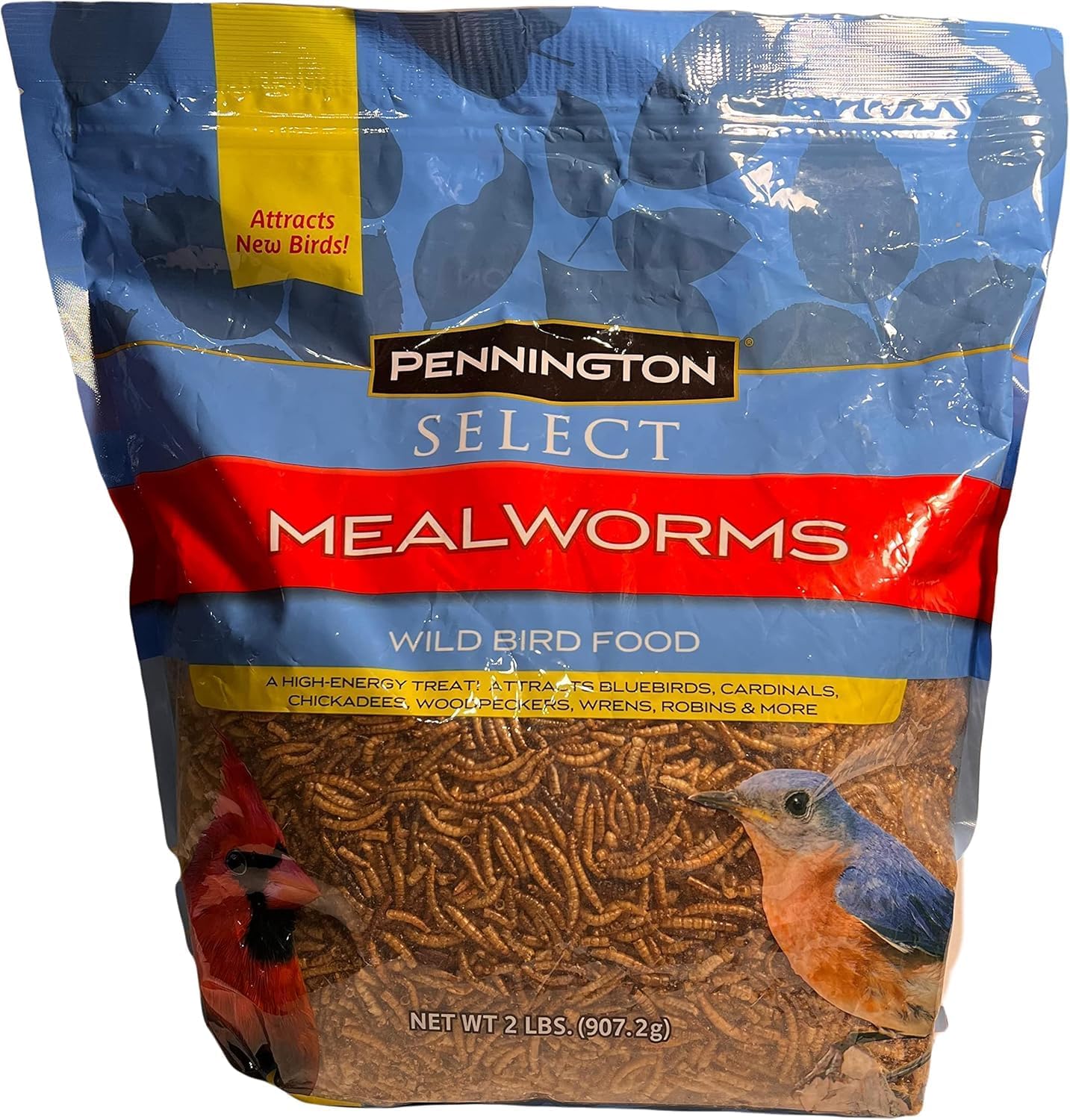
Credit: hillsidewealth.ca
Frequently Asked Questions
Can Worms Eat Wild Bird Seed Safely?
Yes, worms can eat wild bird seed safely. Seeds provide nutrients and energy. Avoid seeds with harmful coatings or chemicals.
What Types Of Bird Seed Are Best For Worms?
Worms prefer unsalted, untreated seeds like sunflower or millet. Avoid flavored or processed seeds to keep worms healthy.
Will Feeding Bird Seed Harm My Worm Compost?
Feeding bird seed in moderation won’t harm worm compost. Avoid overfeeding to prevent mold and pests. Balance with other organic waste.
How Does Bird Seed Benefit Worm Growth?
Bird seed offers essential nutrients and energy. It helps worms grow stronger and reproduce faster when fed properly.
Conclusion
Feeding worms wild bird seed is possible with care. Not all seeds work well. Some seeds may be too big or hard for worms. Choose seeds wisely. Crushed or soaked seeds are better for worms. Feeding seeds occasionally keeps worms healthy and happy.
Balanced diet matters for worm farming. Consider variety in their diet. Check for any mold on seeds. Mold is harmful to worms. Always ensure fresh and clean food. Happy worms lead to successful composting. Enjoy observing your worms thrive with a balanced diet.



