
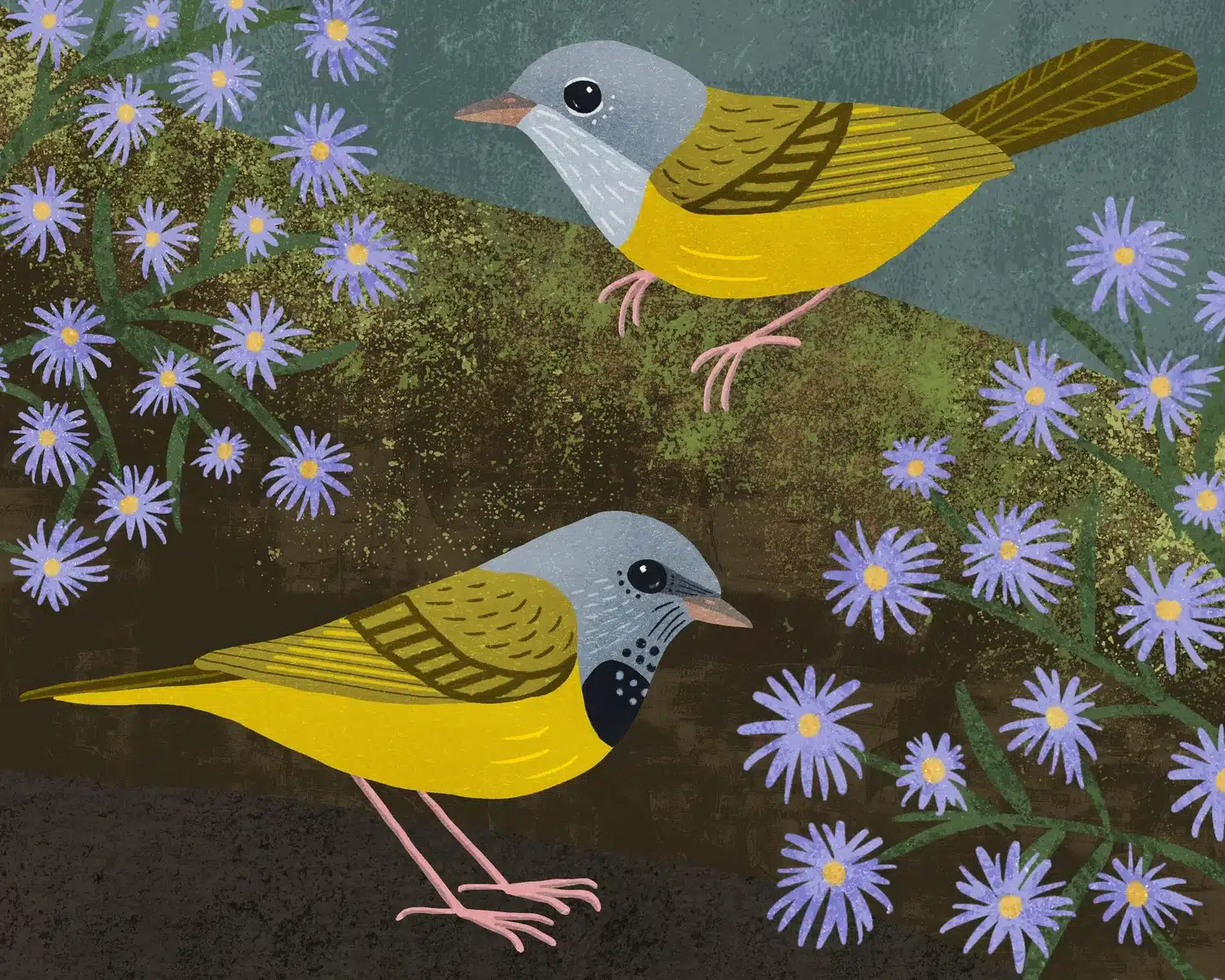
Do you want to bring more life and color to your garden? Imagine your outdoor space filled with the cheerful songs and fluttering wings of beautiful birds.
Choosing the right plants can turn your yard into a bird paradise. You’ll discover easy-to-grow plants that attract birds naturally. Whether you’re a beginner or an experienced gardener, these tips will help you create a welcoming haven for your feathered friends.
Keep reading to find out how simple changes to your garden can invite more birds and make every day outside more enjoyable.
Best Flowers For Bird Attraction
Birds are drawn to certain flowers by their colors and scents. Planting the right flowers helps bring more birds to your garden. This guide shows you which flowers work best.
Flowers that attract birds often have bright colors and sweet nectar. Choosing seasonal flowers ensures birds visit all year long.
Bright Colors That Draw Birds
Birds see colors very well. Bright red, orange, and yellow flowers catch their eye. These colors signal food and shelter.
- Red flowers like cardinal flower and bee balm
- Orange trumpet creeper
- Yellow sunflowers and black-eyed Susans
- Pink and purple coneflowers
Nectar-rich Blooms
Many birds, such as hummingbirds, need nectar. Flowers with lots of nectar attract these birds. Tubular shapes make it easy for birds to feed.
| Flower | Nectar Level | Birds Attracted |
| Trumpet vine | High | Hummingbirds, Orioles |
| Bee balm | High | Hummingbirds, Butterflies |
| Columbine | Medium | Hummingbirds |
| Lantana | Medium | Hummingbirds, Finches |
Seasonal Flower Choices
Plant flowers that bloom at different times. This keeps birds visiting all year. Spring and summer flowers attract many species. Fall flowers provide late food sources.
- Spring: Red columbine, bluebells
- Summer: Bee balm, trumpet vine
- Fall: Goldenrod, asters
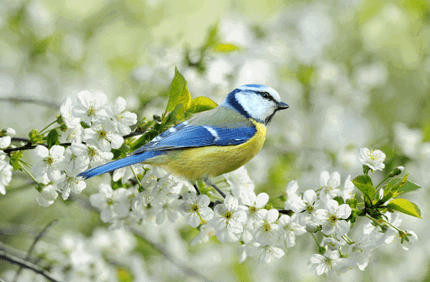
Credit: blog.davey.com
Trees And Shrubs Birds Love
Birds need food and shelter to thrive in your garden. Trees and shrubs provide both in many ways.
Choosing the right plants helps attract more birds. It also supports local wildlife naturally.
Fruit-bearing Trees
Fruit-bearing trees offer tasty food for many birds. The fruits provide energy and nutrients birds need.
Common fruit trees that attract birds include apple, cherry, and serviceberry. Birds enjoy eating their berries and fruits.
- Apple trees produce small fruits loved by robins and waxwings.
- Cherry trees attract cedar waxwings and orioles with their sweet fruit.
- Serviceberry trees offer berries that many songbirds enjoy.
Dense Shrubs For Shelter
Dense shrubs give birds safe places to hide and nest. They protect birds from predators and bad weather.
Shrubs like holly, elderberry, and hawthorn are good choices. They offer thick branches and leaves for cover.
- Holly shrubs have thick leaves and berries for food and shelter.
- Elderberry provides dense cover and fruit for many birds.
- Hawthorn bushes offer thorns that protect nests from predators.
Native Plants That Support Birds
Native plants are best for local birds. They have evolved with the birds and provide the right food and habitat.
Planting native trees and shrubs helps birds find insects, seeds, and shelter. It also supports the whole ecosystem.
- Oak trees host many insects that birds eat.
- Dogwood shrubs produce berries that attract cardinals and thrushes.
- Sumac shrubs offer seeds and dense branches for nesting.
Creating A Bird-friendly Garden
Birds add life and color to your garden. You can attract them by making your space safe and welcoming.
Using plants and features that meet their needs helps birds visit more often. This guide covers water, food, and shelter.
Water Sources For Birds
Birds need clean water for drinking and bathing. Adding a water source keeps them healthy and happy.
- Place a shallow birdbath in a quiet spot.
- Keep the water fresh and change it often.
- Add stones or twigs to help birds perch safely.
- Use a dripping fountain to attract more birds.
Safe Feeding Stations
Bird feeders provide extra food, especially in tough seasons. Keep feeders clean and placed in safe areas.
| Feeder Type | Best Food | Placement Tips |
| Tube Feeder | Seeds like sunflower | Hang near shrubs for cover |
| Saucer Feeder | Peanuts, cracked corn | Place low to ground |
| Suet Feeder | Suet cakes | Hang on tree trunks |
Providing Natural Nesting Sites
Birds need safe places to build nests. Trees, shrubs, and nest boxes offer good shelter.
Here are ways to support nesting in your garden:
- Plant native shrubs with dense branches.
- Leave dead trees or limbs for natural cavities.
- Install nest boxes suited to local bird species.
- Avoid pruning during breeding season.

Credit: www.allaboutbirds.org
Avoiding Harmful Plants
Choosing the right plants helps keep birds safe and healthy. Some plants look nice but can hurt birds if they eat them.
Learn which plants to avoid and why it matters for your feathered visitors.
Toxic Plants To Birds
Many common garden plants contain poisons that can harm birds. These plants may cause sickness or even death if birds eat their berries, leaves, or seeds.
- Oleander: All parts are deadly to birds.
- Foxglove: Contains toxins that affect the heart.
- Yew: Berries and leaves are highly poisonous.
- Rhododendron: Causes digestive problems and weakness.
- Lily of the Valley: Contains harmful compounds.
Invasive Species To Skip
Invasive plants spread quickly and damage local habitats. Birds may eat their fruit, but these plants reduce food variety and harm native plants.
| Invasive Plant | Impact on Birds | Why Skip |
| English Ivy | Provides poor nutrition | Outcompetes native plants |
| Kudzu | Limits native plant growth | Destroys habitat diversity |
| Japanese Honeysuckle | Birds may eat, but harms natives | Spreads aggressively |
| Privet | Fruits can be toxic | Invades natural areas |
Maintaining Your Bird Garden Year-round
Creating a garden that attracts birds all year needs careful care. Plants must stay healthy through changing seasons.
This guide shares tips for keeping your bird garden vibrant and inviting for birds every season.
Seasonal Plant Care Tips
Each season requires different care for plants that attract birds. Proper care helps plants grow strong and produce food for birds.
- Spring: Prune dead branches and add mulch to retain moisture.
- Summer: Water plants deeply to help during dry spells.
- Fall: Collect seeds and leaves to feed birds and enrich soil.
- Winter: Protect plants from frost with covers or mulch.
Encouraging Bird Visits In Winter
Winter can be hard for birds. Provide extra food, water, and shelter to keep them coming to your garden.
| Winter Care | Action |
| Food | Offer high-energy seeds and suet feeders |
| Water | Keep water unfrozen with heated bird baths |
| Shelter | Leave dense shrubs and plant evergreens for cover |

Credit: www.iowanativeplants.com
Frequently Asked Questions
What Are The Best Plants To Attract Birds?
Native plants are the best for attracting birds. Consider species like sunflowers, coneflowers, and elderberry. These provide seeds and berries. They also offer shelter and nesting sites. Native plants are adapted to your local climate. This makes them easier to maintain.
How Do Plants Help Birds?
Plants provide essential resources for birds. They offer food in the form of seeds and berries. They also provide shelter and nesting sites. Plants support insects, which birds eat. Native plants are particularly beneficial. They are better suited to the local ecosystem.
Which Plants Attract Hummingbirds?
Hummingbirds are attracted to brightly colored flowers. Consider planting trumpet vine, bee balm, and cardinal flower. These provide nectar, which hummingbirds love. Red, tubular flowers are particularly effective. Native plants are often the best choice. They require less maintenance and support local ecosystems.
Do Fruit-bearing Plants Attract Birds?
Yes, fruit-bearing plants are excellent for attracting birds. Plants like elderberry, serviceberry, and dogwood offer nutritious fruits. These fruits provide essential energy for birds. They also offer opportunities for nesting and shelter. Native fruit-bearing plants are most effective. They support local wildlife better.
Conclusion
Choosing the right plants brings birds closer to your garden. Bright flowers and berries provide food and shelter. Birds love places where they can rest and feed. Planting native species helps local birds thrive. Enjoy watching colorful birds visit every day.
Small changes make your garden lively and full. Nature’s beauty is just outside your door. Create a space where birds feel safe and happy. Your garden becomes a peaceful spot for all. Simple plants can attract many different bird species.


