Imagine stepping into your flower garden and being greeted by the cheerful chirping of birds. This delightful scene not only enhances the beauty of your garden but also brings a sense of peace and connection to nature.
You might be wondering how to transform your garden into a vibrant haven for these feathered friends. Well, you’re in the right place! By understanding what attracts birds and making a few simple changes, you can create an irresistible sanctuary that will have them flocking to your garden in no time.
Ready to discover the secrets to attracting birds and turning your garden into a lively paradise? Let’s dive in!
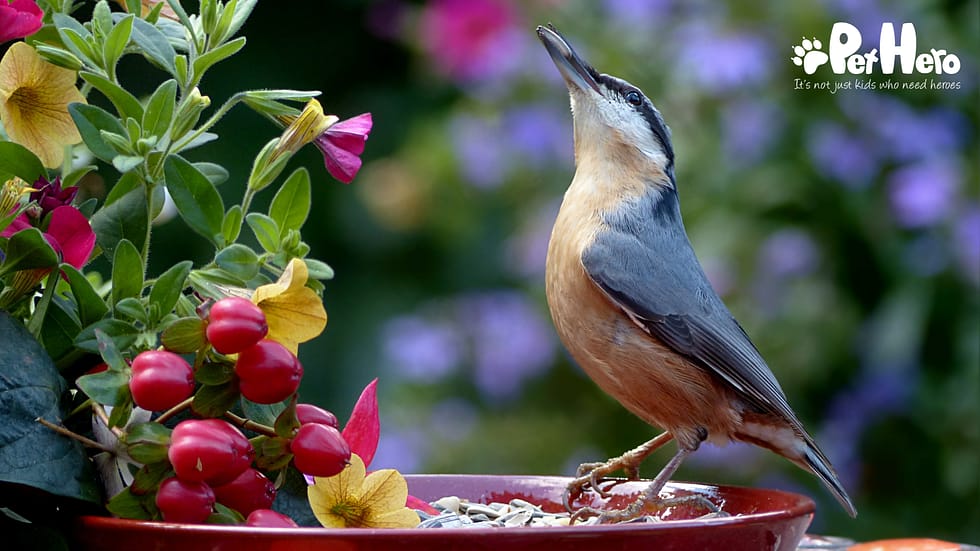
Credit: pethero.co.za
Choose Bird-friendly Flowers
Attracting birds to your flower garden makes it lively and beautiful. Choosing the right flowers helps bring different bird species.
Bird-friendly flowers offer food and shelter. They provide nectar, seeds, and places to nest.
Native Plants That Attract Birds
Native plants suit the local climate and soil. Birds prefer these plants because they evolved together.
- Serviceberry produces berries that many birds eat.
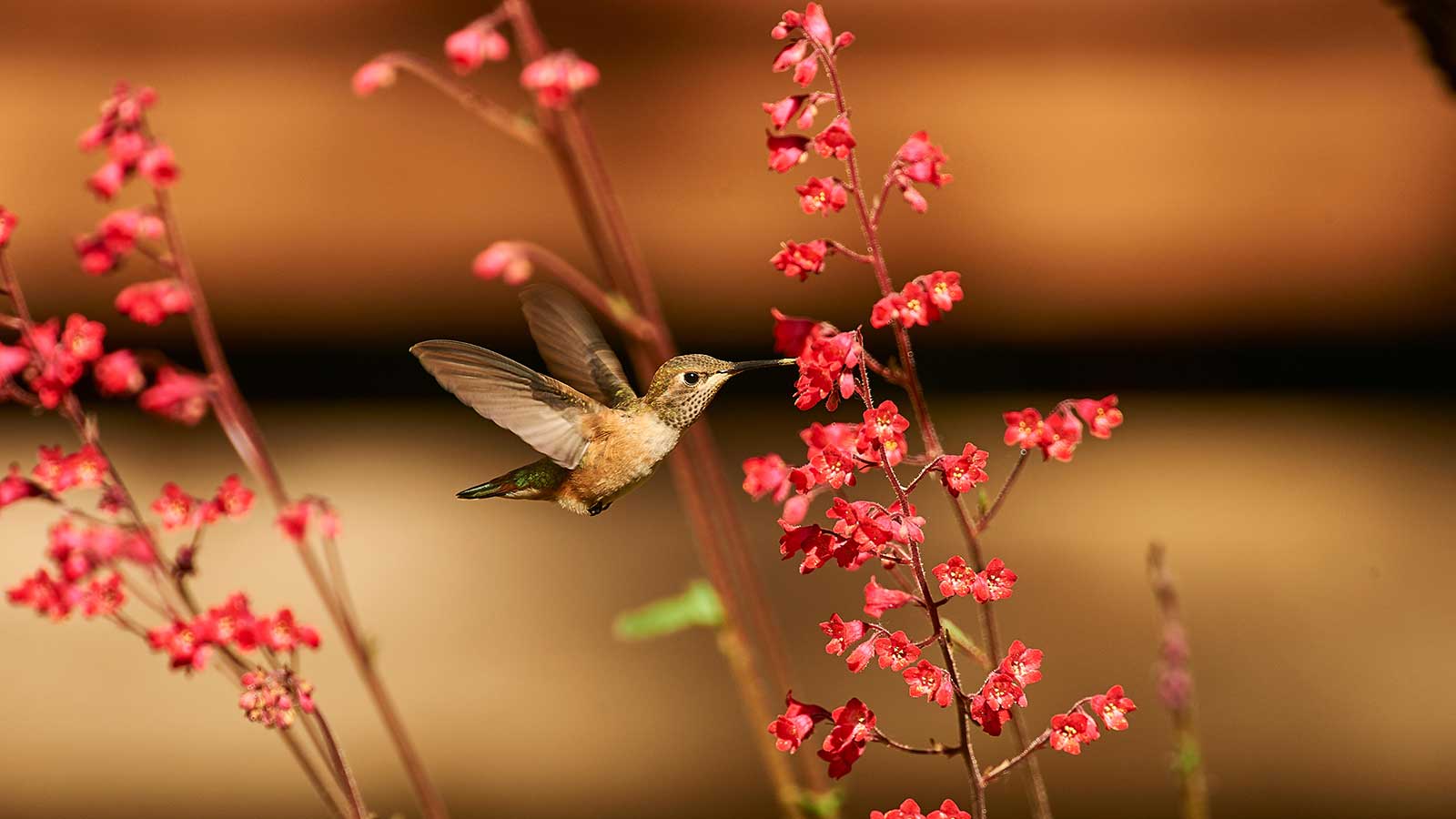
- Bee balm offers nectar for hummingbirds.
- Sunflowers provide seeds that attract finches.
- Milkweed supports monarch butterflies and bird populations.
Colorful Blooms And Their Appeal
Birds are drawn to flowers with bright colors. Red, orange, and yellow blooms stand out most.
| Flower Color | Birds Attracted |
| Red | Hummingbirds, Cardinals |
| Yellow | Goldfinches, Warblers |
| Orange | Orioles, Grosbeaks |
| Blue | Bluebirds, Jays |
Planting For Different Bird Species
Different birds like different plants. Plant a mix to support many species.
- For hummingbirds, plant tubular flowers like trumpet vine and columbine.
- For seed-eaters, plant sunflowers, coneflowers, and asters.
- For insect-eaters, plant native shrubs and trees that attract bugs.
- For shelter, include dense evergreens and thorny bushes.
Provide Food Sources
Birds need food to visit and stay in your flower garden. Offering different food sources helps attract more birds.
Food provides energy and helps birds survive in all seasons. Natural and added food options both work well.
Natural Seeds And Berries
Many birds like seeds and berries from plants. Plant native flowers and shrubs that produce these foods naturally.
Examples include sunflowers, coneflowers, and berry bushes like elderberry or serviceberry. These attract birds and add beauty.
- Sunflower seeds are favorite for finches and chickadees
- Berries provide food in fall and winter
- Native plants support local bird species
Setting Up Bird Feeders
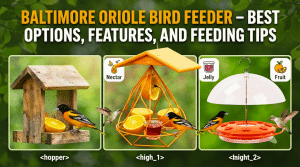
Bird feeders let you give extra food in your garden. Choose feeders that suit the birds you want to attract.
Fill feeders with seeds like millet, safflower, or nyjer. Place feeders in safe, visible spots away from predators.
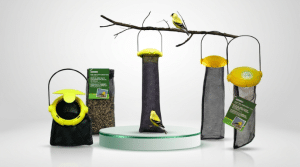
- Tube feeders hold small seeds for finches and sparrows
- Platform feeders attract many bird types
- Use suet feeders for insect-eating birds
Seasonal Feeding Tips
Bird needs change with seasons. Adjust food types to help birds through cold or breeding times.
Offer high-energy foods in winter and protein-rich foods in spring. Keep feeders clean to prevent disease.
- In winter, provide seeds with fat like sunflower and suet
- In spring, add mealworms for baby birds
- Remove feeders in summer if natural food is enough
Create Water Features
Adding water features to your flower garden invites birds to visit often. Birds need water for drinking and bathing. Creating easy water access helps attract many bird species.
Water features like birdbaths and fountains provide a safe spot for birds. These features also add beauty and sound to your garden space.
Birdbaths And Fountains
Birdbaths are shallow basins filled with water. Fountains keep water moving and fresh. Both types attract birds by meeting their need for water.
- Choose a shallow birdbath with a diameter of 10-12 inches.
- Place birdbaths in a quiet, shady area near plants.
- Use fountains that create gentle splashes to catch birds’ attention.
- Ensure water depth is no deeper than 2 inches to keep birds safe.
Maintaining Clean Water
Clean water is vital for bird health. Dirty water can spread diseases and scare birds away. Regular maintenance keeps your water features safe and attractive.
| Task | Frequency |
| Change water | Every 2-3 days |
| Clean birdbath or fountain | Weekly |
| Scrub algae and dirt | Weekly |
| Check for stagnant water | Daily |
Safe Water Access For Birds
Birds need safe spots to drink and bathe without risk. Make sure your water feature is easy to reach and free from predators.
- Place water features near shrubs or trees for quick shelter.
- Use flat stones inside birdbaths to give birds secure footing.
- Keep water features away from areas with heavy foot traffic.
- Check for sharp edges or deep water that could harm birds.
Design Safe Shelter
Creating a safe shelter is important to attract birds to your flower garden. Birds need places to rest, hide, and nest safely.
Good shelter protects birds from weather and predators. It helps them feel secure and stay longer in your garden.
Planting Shrubs And Trees
Shrubs and trees offer natural cover for birds. They provide places to hide and build nests.
Choose native plants that grow well in your area. Mix tall trees with dense shrubs to create layers of shelter.
- Tall trees offer high perches and nesting spots
- Dense shrubs protect birds from wind and predators
- Evergreen plants give year-round cover
- Flowering plants attract insects for food
Building Birdhouses
Birdhouses provide safe places for birds to lay eggs and rest. Use birdhouses that fit the size of local birds.
Place birdhouses in quiet spots away from busy areas. Mount them at proper heights to keep birds safe.
- Use untreated wood for natural protection
- Include ventilation holes for air flow
- Keep the entrance hole size suitable for target birds
- Clean birdhouses yearly to prevent disease
Avoiding Predators
Predators like cats and hawks can scare birds away. Design your garden to keep birds safe from these threats.
Use barriers and safe planting to protect birds. Avoid placing bird feeders too close to hiding spots for predators.
- Keep birdhouses and feeders away from low branches
- Trim thick bushes near nesting areas to reduce hiding spots for cats
- Install baffles on poles to stop climbing predators
- Place feeders in open areas for better bird visibility
Maintain A Chemical-free Garden
Keeping your flower garden free from chemicals helps attract more birds. Birds feel safe and find food easily in a natural space.
A chemical-free garden supports a healthy ecosystem. It creates a welcoming home for birds and other wildlife.
Avoiding Pesticides And Herbicides
Pesticides and herbicides can harm birds and insects they eat. These chemicals reduce the natural food sources for birds.
Try to stop using these chemicals in your garden. Let nature keep pests and weeds under control.
Natural Pest Control Methods
Use natural ways to manage pests without chemicals. Some plants and animals help keep pests away.
- Plant marigolds or nasturtiums to repel insects
- Encourage ladybugs and spiders to eat harmful pests
- Handpick weeds and pests from plants
- Use homemade sprays made from garlic or soap
Benefits For Bird Health
Chemical-free gardens keep birds safe from poisons. Birds stay healthy and live longer without harmful substances.
More insects and clean plants provide good food and shelter. This helps birds raise their young and build strong populations.
Encourage Nesting Opportunities
Birds need safe places to build their nests. Providing nesting spots in your flower garden helps attract them.
Creating good nesting opportunities supports local wildlife and brings more birds to your garden.
Choosing Nesting Materials
Birds use soft and natural materials for their nests. You can offer these materials in your garden.
Collect materials like dry grass, small twigs, feathers, and soft leaves. Avoid anything sharp or synthetic.
- Dry grass or hay
- Small twigs and sticks
- Feathers
- Soft leaves
- Hair from pets or humans
Providing Nesting Boxes
Nesting boxes give birds a safe place to lay eggs. Place them where birds can easily find shelter.
Use wooden boxes with a small entrance hole. Keep them away from strong winds and predators.
- Mount boxes 5-10 feet above ground
- Face entrance away from prevailing wind
- Place near trees or shrubs
- Clean boxes yearly after nesting season
Timing For Nesting Season
Birds build nests mostly in spring and early summer. Prepare nesting spots before this time.
Keep nesting boxes and materials available until late summer. This helps birds raise more than one brood.
- Start offering materials in early spring
- Place boxes before birds arrive
- Leave materials and boxes until late summer
Enhance Garden Diversity
Attracting birds to your flower garden adds life and beauty. You can create a welcoming space by enhancing garden diversity.
Adding different plants and supporting insects helps birds find food and shelter. This makes your garden a perfect habitat.
Mixing Flowering Plants And Trees
Plant a mix of flowers and trees to give birds many choices. Trees offer perches and nesting spots. Flowers provide nectar and seeds.
Use native plants to support local bird species. Vary the heights and colors of plants to attract more birds.
Adding Ground Cover And Vines
Ground cover and vines create shelter and food sources near the soil. Birds use these areas for hiding and finding insects.
- Plant low-growing shrubs or ivy
- Include flowering vines like honeysuckle or clematis
- Keep some leaf litter for insects and seeds
Supporting Insects For Bird Food
Birds eat many insects. Supporting insects helps keep birds healthy and active.
| Insect | Plants to Support |
| Butterflies | Milkweed, Coneflower |
| Bees | Lavender, Sunflower |
| Aphids | Rose, Nasturtium |
| Caterpillars | Willow, Oak |
Credit: www.homesandgardens.com

Credit: www.allaboutbirds.org
Frequently Asked Questions
What Flowers Attract The Most Birds To My Garden?
Bright, nectar-rich flowers like sunflowers, bee balm, and coneflowers attract many birds. These provide food and shelter, making your garden a bird haven.
How Can I Create A Bird-friendly Garden Environment?
Use native plants, provide fresh water, and avoid pesticides. Add bird feeders and nesting boxes for shelter and food diversity to attract birds.
What Type Of Feeders Work Best For Garden Birds?
Tube and hopper feeders with seeds like sunflower and millet attract most birds. Choose feeders that are easy to clean and refill for healthy birds.
When Is The Best Time To Attract Birds To Flowers?
Early morning and late afternoon are peak times. Birds are most active during these periods for feeding and social activities in your garden.
Conclusion
Attracting birds to your flower garden brings joy and life outdoors. Plant a variety of flowers that offer food and shelter. Provide fresh water and safe spots for birds to rest. Avoid chemicals that can harm birds or their food sources.
Watch how different birds visit and enjoy your garden. Small changes make a big difference in creating a bird-friendly space. Your garden will become a lively place full of color and sound. Enjoy the beauty and peace that birds bring every day.