
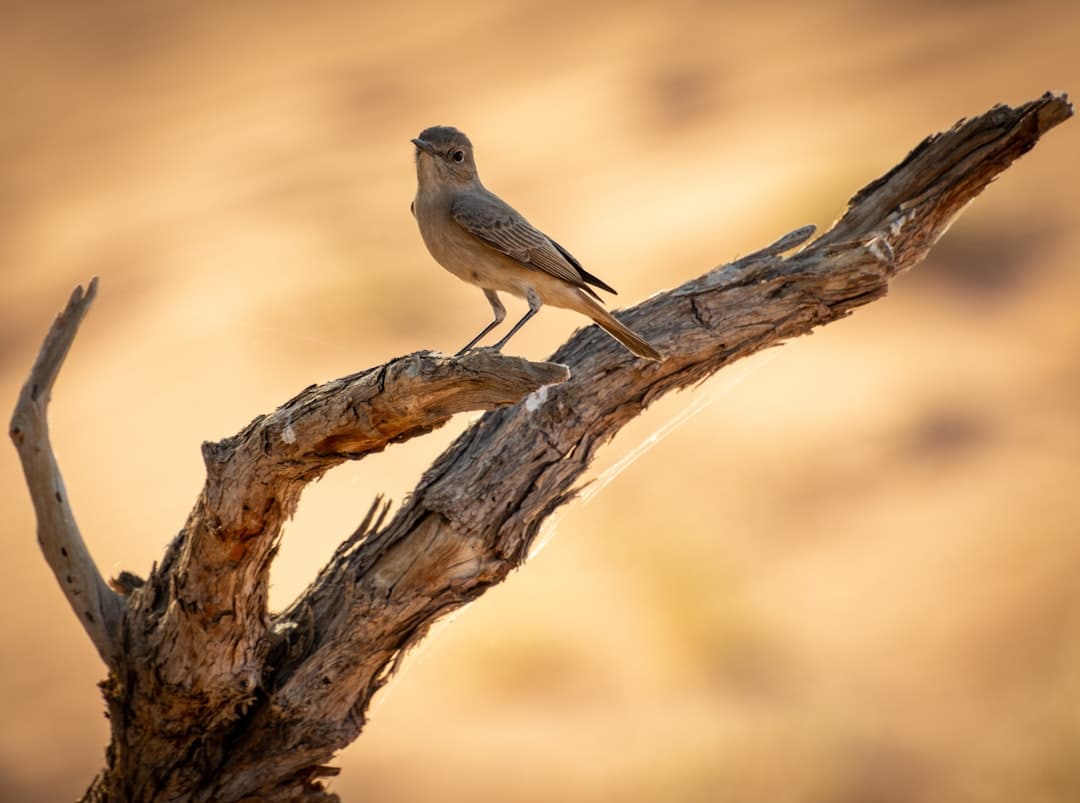
Are you eager to bring more life and color to your desert surroundings? Attracting birds in the desert might seem tricky, but with the right steps, you can create a welcoming haven for these beautiful creatures.
Imagine watching vibrant birds visit your yard regularly, adding movement and song to the quiet desert landscape. You’ll discover simple, effective ways to invite birds to your space and enjoy the magic they bring. Ready to turn your desert into a bird-friendly oasis?
Let’s dive in.

Credit: www.allaboutbirds.org
Create Water Sources
Water is important for birds, especially in desert areas. Birds need water to drink and bathe. Providing water helps attract many bird species to your yard.
Setting up water sources in the desert can be tricky. You must keep water cool and clean. Here are some ways to create good water spots for birds.
Set Up Birdbaths
Birdbaths are shallow containers filled with water. Place them in safe, shady spots. Make sure the water is not too deep for small birds.
Clean the birdbaths often to keep water fresh. Change water daily to avoid mosquitoes. Use wide, shallow basins about 2 inches deep.
Use Drippers And Misters
Drippers and misters add moving water. Birds like the sound and sight of water drops. Moving water looks fresh and attracts more birds.
Install a small dripper on a birdbath or nearby branch. Misters can create a light spray that cools the area. Both help keep water from drying out fast.
Collect Rainwater
Rainwater is a natural water source for birds. Use rain barrels or containers to catch rain. Place these containers where rain falls freely.
Check collected water often and refill small dishes from these barrels. Using rainwater saves tap water and provides fresh water for birds.
Plant Native Vegetation
Planting native vegetation helps attract birds in the desert. These plants survive with little water.
Native plants provide shelter, food, and nesting spots for desert birds.
Choose Drought-tolerant Plants
Drought-tolerant plants need less water and thrive in dry conditions. They offer food and cover for birds.
- Agave
- Desert Marigold
- Ocotillo
- Creosote Bush
- Yucca
Incorporate Flowering Shrubs
Flowering shrubs attract birds by providing nectar and insects. They add color and life to the desert landscape.
| Shrub | Flower Color | Birds Attracted |
| Desert Willow | Pink | Hummingbirds |
| Texas Sage | Purple | Butterflies and Sparrows |
| Chuparosa | Red | Hummingbirds |
Add Fruit-bearing Trees
Fruit-bearing trees give birds food during hot months. They also provide shade and places to rest.
- Desert Hackberry
- Wolfberry
- Catclaw Acacia
- Mesquite
Provide Food Options
Birds in the desert need food to survive the hot and dry climate. Offering the right food helps attract many bird species.
Food options must suit the birds' needs and the environment. This guide covers seeds, nectar, and insect-friendly plants.
Offer Seeds And Nuts
Seeds and nuts are popular foods for desert birds. Choose dry seeds that do not spoil quickly in heat.
- Sunflower seeds attract many small birds.
- Millet is easy for birds to eat and common in deserts.
- Peanuts provide extra protein and energy.
- Choose unsalted and unroasted nuts for safety.
Include Nectar Feeders
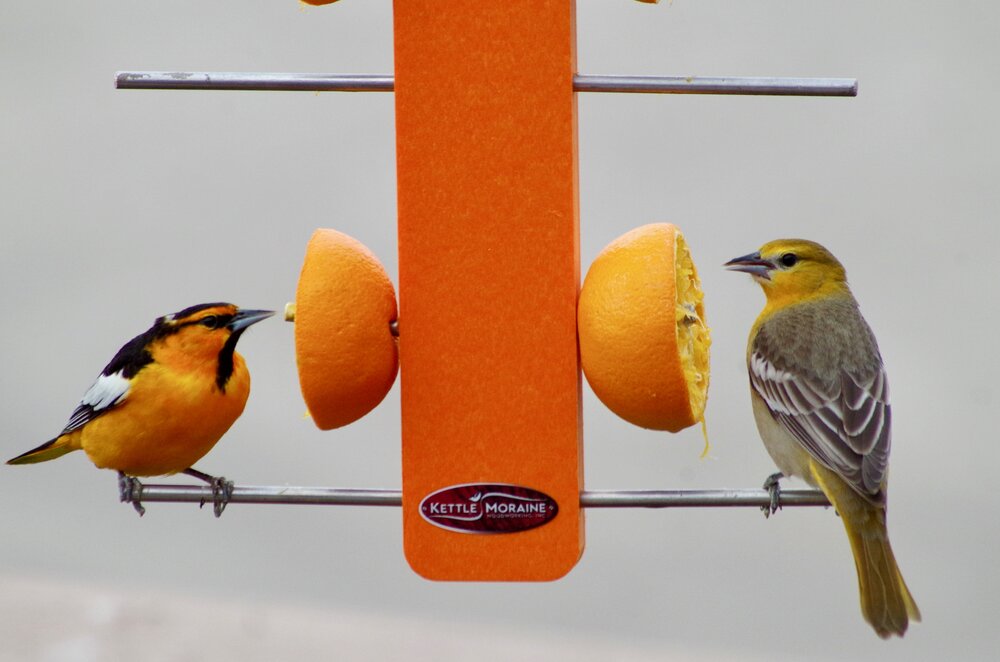
Nectar feeders bring hummingbirds and orioles that drink sweet liquids. Use clean feeders with fresh nectar often.
| Type of Feeder | Best Nectar Mix | Cleaning Frequency |
| Hummingbird Feeder | 1 part sugar, 4 parts water | Every 3 days |
| Oriole Feeder | 1 part sugar, 4 parts water + orange slices | Every 2 days |
Grow Insect-friendly Plants
Some birds eat insects that live on certain plants. Growing these plants helps feed insect-eating birds naturally.
Plant choices that attract insects include:
- Desert marigold
- Creosote bush
- Desert willow
- Penstemon
Credit: www.coffeeandchlorophyll.com
Create Shelter And Nesting Spots
Birds in the desert need safe places to rest and build nests. Providing shelter helps protect them from heat and predators.
Creating spots where birds can nest encourages them to visit and stay near your garden or yard.
Install Birdhouses
Put up birdhouses made for desert birds. Choose materials that keep the inside cool. Place them in shaded areas to avoid direct sun.
- Use wood or thick materials for insulation
- Mount birdhouses 5 to 10 feet above ground
- Keep entrances small to protect from larger animals
- Clean birdhouses regularly to prevent pests
Leave Natural Debris
Leave dry leaves, twigs, and small branches on the ground. These provide nesting materials and hiding spots for birds.
Natural debris also supports insects that birds eat. Avoid cleaning all debris to keep the habitat friendly.
Plant Dense Shrubs
Dense shrubs give birds cover from heat and predators. They also offer places to build nests and find food.
| Shrub Type | Benefits |
| Creosote Bush | Provides shade and insect habitat |
| Desert Willow | Offers flowers and dense cover |
| Catclaw Acacia | Good for nesting and food |
Maintain A Safe Environment
Creating a safe space helps desert birds thrive. Protecting them from harm is key.
Simple actions can reduce dangers and keep birds comfortable in dry areas.
Minimize Predator Access
Keep bird feeders and water sources away from places predators hide. Use safe perches and avoid open ground.
- Place feeders high on poles with baffles
- Trim nearby bushes that hide cats or snakes
- Clean up spilled seeds to avoid attracting rodents
- Use cages around nests if possible
Avoid Pesticides
Do not use chemicals near bird areas. Pesticides can poison birds and insects they eat.
| Type | Risk to Birds |
| Insecticides | Kill insects birds feed on |
| Rodenticides | Poison small animals birds eat |
| Herbicides | Destroy plants that provide cover |
Limit Human Disturbance
Keep distance from nesting and feeding spots. Loud noises and quick movements scare birds.
- Avoid approaching nests closely
- Keep pets away from bird areas
- Use quiet voices when near birds
- Visit bird spots during calm times

Credit: wingsbirds.com
Use Visual And Audio Attractants
Attracting birds in the desert can be a fun and rewarding activity. Birds respond well to sights and sounds that catch their attention.
Using visual and audio attractants helps bring more birds to your yard or garden. These methods make birds feel safe and curious.
Place Reflective Objects
Reflective objects catch sunlight and create flashes that can attract birds from far away. Small mirrors, shiny ribbons, or old CDs work well.
- Hang CDs from tree branches
- Use shiny ribbons near feeders
- Place small mirrors where birds can see them
- Avoid too many objects to prevent scaring birds
Play Bird Calls
Playing bird calls can attract birds by making them think others are nearby. It can also help them find food and safe places.
Use these tips for playing bird calls:
- Choose calls of local desert birds
- Play calls at low volume to avoid disturbance
- Limit playtime to early morning or late afternoon
- Observe birds' reactions and adjust accordingly
Use Colorful Feeders
Bright feeders attract birds by standing out in the desert landscape. Colors like red, yellow, and blue work best.
| Feeder Color | Attraction Level |
| Red | High |
| Yellow | Medium |
| Blue | Medium |
| Green | Low |
Seasonal Care Tips
Attracting birds in the desert requires special care during different seasons. Birds need water and food that change with the weather.
Knowing what to do each season helps keep birds safe and happy in the desert.
Adjust Watering In Hot Months
Desert birds need more water when it is very hot. Water sources can dry up quickly in summer. Check your birdbaths and water dishes often.
Keep water clean and fresh to help birds stay hydrated. Place water in shaded spots to keep it cool longer.
Provide Extra Food During Scarcity
Food is harder to find in the desert during dry seasons. Birds may struggle to find seeds and insects. Offer extra food to support them.
- Use seed feeders with millet, sunflower, or safflower seeds
- Offer suet or mealworms for protein
- Refill feeders regularly to avoid empty spots
Prepare For Migration Periods
Many desert birds travel during migration seasons. They need rest and food along the way. Provide safe places for them to stop.
Keep water and food stations ready before migration starts. Plant native flowers and shrubs to offer natural food and shelter.
Frequently Asked Questions
What Birds Are Common In Desert Environments?
Common desert birds include roadrunners, cactus wrens, and Gambel’s quail. These species adapt well to hot, dry conditions with limited water and vegetation.
How Can I Provide Water For Desert Birds?
Use shallow water dishes or birdbaths filled with fresh water. Change water daily to prevent contamination and help birds stay hydrated in arid climates.
Which Plants Attract Birds In Desert Areas?
Native plants like mesquite, desert willow, and sagebrush provide food and shelter. These plants offer seeds, berries, and insects that desert birds eat.
What Types Of Feeders Suit Desert Birds Best?
Use platform or tray feeders with seeds like millet or sunflower. Avoid feeders that hold water, as they can attract unwanted pests in deserts.
Conclusion
Attracting birds in the desert can be rewarding and fun. Start by providing water. Birds need it more than anything in dry areas. Use feeders with seeds to catch their attention. Native plants are a great choice too. They offer food and shelter naturally.
Create shady spots with trees or shrubs. Birds love protection from the sun. Patience is key. Birds will come when they feel safe and comfortable. Enjoy watching these lovely creatures in your desert space. Remember, every small effort makes a big difference.


