Have you ever wondered which bird loves to feast on those bright, sticky mistletoe berries? If you’ve noticed these mysterious white berries hanging in trees during winter, you’re not alone.
Understanding what bird eats mistletoe berries can unlock fascinating secrets about nature’s teamwork and how these birds help spread mistletoe far and wide. Keep reading, because what you’ll discover might change the way you see those festive berries—and the birds that come to enjoy them.
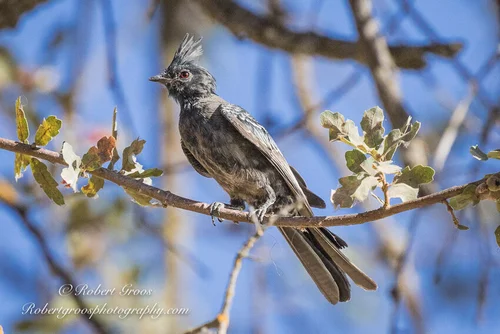
Credit: www.robertgroosphotography.com
Birds That Feast On Mistletoe Berries
Mistletoe berries are an important food source for many birds. These birds help spread mistletoe seeds. This process supports the growth of mistletoe plants.
Different types of birds eat mistletoe berries. Some are common visitors, while others are rare. Learning about these birds helps us understand nature better.
Common Mistletoe Eaters
Many birds regularly eat mistletoe berries. These birds live where mistletoe plants grow. They enjoy the sweet, sticky berries in winter and early spring.
- American Robin: A familiar bird that loves berries.
- Phainopepla: A silky black bird found in the Southwest US.
- European Blackbird: Common in Europe and eats many fruits.
- Waxwing: Known for its colorful feathers and berry diet.
- Mistle Thrush: Often called the “mistletoe bird” in Europe.
These birds help spread mistletoe seeds by eating the berries and dropping the seeds on tree branches. This helps mistletoe grow in new places.
Rare And Unexpected Visitors
Some birds do not usually eat mistletoe berries but may try them sometimes. These rare visitors can appear during food shortages or in certain areas.
- Brown Creeper: A small bird that mostly eats insects but may eat berries.
- House Finch: Usually eats seeds but sometimes eats berries.
- Gray Catbird: Known for its mimicry, it sometimes tries mistletoe berries.
- Red-breasted Nuthatch: Prefers insects but may eat fruit in winter.
These rare feeders show how birds adapt to available food. Their berry-eating helps spread mistletoe seeds in less common ways.
Why Birds Like Mistletoe Berries
Mistletoe berries are a favorite food for many birds. These berries provide energy and nutrients that birds need. Birds eat them especially in winter when other foods are scarce.
Birds help spread mistletoe seeds by eating the berries. This relationship benefits both the plants and the birds.
Nutritional Benefits
Mistletoe berries have important nutrients for birds. They contain sugars that give quick energy. The berries also have some vitamins and minerals.
Birds get fat from eating these berries. Fat helps birds stay warm and active during cold days.
- High sugar content for energy
- Vitamins like vitamin C
- Minerals that support health
- Fat for warmth and energy storage
Seasonal Food Source
Mistletoe berries appear mostly in late fall and winter. Many birds rely on them when insects and other fruits are rare. This makes mistletoe a valuable food source during cold months.
Eating these berries helps birds survive tough seasons. Some birds travel to areas with mistletoe to find food.
- Available in fall and winter
- Fills food gaps when other sources are low
- Supports bird survival in cold weather
- Attracts migratory birds to mistletoe areas
How Birds Help Spread Mistletoe
Mistletoe is a unique plant that grows on trees. Birds play a big role in spreading mistletoe seeds. They eat the berries and carry the seeds to new places.
Many bird species like mistletoe berries. Their actions help mistletoe grow in different parts of forests and gardens.
Berry Consumption And Seed Dispersal
Birds eat mistletoe berries because they are soft and sweet. After eating, the seeds pass through the birds’ digestive systems. This process helps prepare the seeds to grow.
Birds often wipe their beaks on tree branches. This action sticks the seeds on the branches where mistletoe can grow. This way, birds spread mistletoe far and wide.
- Birds eat berries for food
- Seeds pass through their bodies unharmed
- Birds deposit seeds on tree branches
- Seeds stick and grow into new mistletoe plants
Impact On Garden Ecosystems
Mistletoe can change how gardens grow. It provides food and shelter for many birds and insects. This helps increase garden biodiversity.
Sometimes mistletoe can harm host trees by taking nutrients. But it also adds value by attracting wildlife. Birds that spread mistletoe help keep garden life balanced.
- Mistletoe feeds birds and insects
- Supports more wildlife in gardens
- Can stress some host trees
- Helps maintain natural garden cycles

Credit: www.beyourownbirder.com
Attracting Mistletoe-eating Birds To Your Garden
Mistletoe berries provide food for many birds during winter. These birds help spread mistletoe seeds and keep your garden lively.
Creating a garden that attracts these birds means adding the right plants, water, and shelter. This guide shows how to invite mistletoe-eating birds to visit.
Planting Mistletoe
Mistletoe grows as a parasite on trees like oak, apple, and poplar. Planting these trees encourages mistletoe to grow naturally.
To support mistletoe, avoid cutting branches where it grows. Birds eat the berries and spread seeds to other trees.
- Choose healthy host trees for mistletoe growth
- Plant trees in sunny or partly shaded spots
- Leave mistletoe patches intact on host trees
- Be patient; mistletoe takes time to grow
Providing Water And Shelter
Birds need fresh water for drinking and bathing. A small birdbath or shallow dish helps attract them to your garden.
Offering shelter protects birds from weather and predators. Dense shrubs, evergreen trees, and birdhouses create safe spaces.
- Keep water clean and refill often
- Use natural plants to offer cover
- Place birdhouses away from busy areas
- Include thorny or dense bushes for protection
Protecting Your Garden While Supporting Wildlife
Mistletoe berries are a favorite food for many birds. These birds help spread mistletoe seeds across the area. While birds eat these berries, mistletoe can sometimes harm trees if it grows too much. Garden owners want to protect their plants and also help local wildlife.
This guide explains which birds eat mistletoe berries and how you can care for your garden safely. You can support birds without letting mistletoe damage your trees.
Balancing Mistletoe Growth
Mistletoe is a parasite that grows on tree branches. It takes water and nutrients from the tree. If mistletoe grows too much, it can weaken the tree and cause damage. But some mistletoe is good for birds and other wildlife.
Control mistletoe by pruning affected branches carefully. Do this in late winter before birds start nesting. Removing some mistletoe helps your trees stay healthy while still offering berries for birds.
- Check your trees for mistletoe growth regularly
- Cut off large patches of mistletoe
- Keep some mistletoe for birds to feed on
- Prune branches in winter to avoid disturbing birds
Safe Bird-friendly Practices
Many birds eat mistletoe berries, including waxwings, thrushes, and robins. These birds help spread the seeds, which supports new mistletoe plants. You can create a bird-friendly garden by providing food and shelter.
Use safe practices to protect birds and your garden. Avoid using harmful chemicals near mistletoe or bird feeding areas. Plant native trees and shrubs to give birds safe places to live and eat.
- Offer fresh water for birds to drink
- Plant native trees that support local wildlife
- Avoid pesticides and herbicides near feeding spots
- Provide birdhouses or shelters for nesting
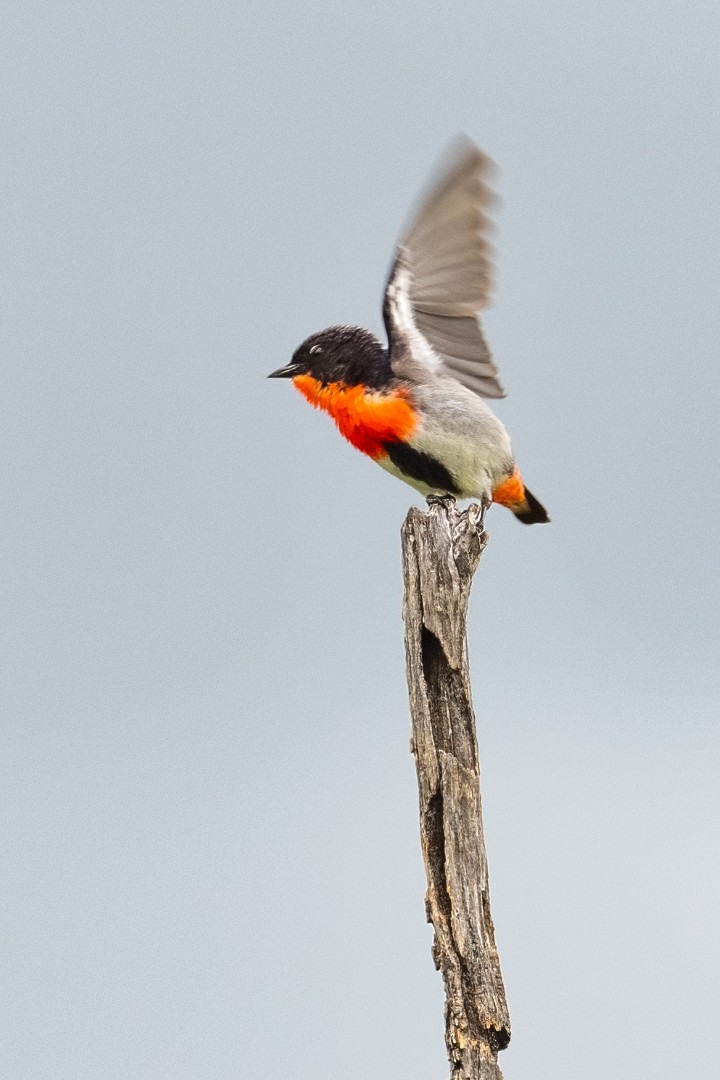
Credit: www.robertashdown.com
Frequently Asked Questions
Which Birds Commonly Eat Mistletoe Berries?
Birds like the American Robin, Cedar Waxwing, and Northern Mockingbird often eat mistletoe berries. These birds help spread mistletoe seeds by consuming the berries.
Why Do Birds Eat Mistletoe Berries?
Birds eat mistletoe berries because they are a rich food source, especially in winter. The berries provide energy and nutrients crucial for survival.
How Do Birds Help Spread Mistletoe Seeds?
Birds eat the berries and later excrete the seeds onto tree branches. This process helps mistletoe plants grow and spread in new locations.
Are Mistletoe Berries Safe For Birds To Eat?
Yes, mistletoe berries are safe and nutritious for many bird species. However, they can be toxic to humans and some other animals.
Conclusion
Birds play a vital role in nature. Mistletoe berries are no exception. They rely on birds like the mistle thrush and cedar waxwing. These birds help spread mistletoe seeds. This benefits forests and ecosystems. Understanding these relationships is crucial. It helps us appreciate nature’s balance.
Birdwatching offers insight into these interactions. Next time you see a bird, think of its role. It might just be helping mistletoe thrive. Learning about these connections enriches our world. Nature’s web is intricate and fascinating. Enjoy discovering more about it!