If you want your Desert Bird of Paradise to stay healthy and look stunning year-round, knowing how to prune it properly is key. Pruning might sound tricky, but with the right steps, you can easily encourage vibrant blooms and keep your plant strong.
In this guide, you’ll discover simple tips that anyone can follow—no green thumb required. By the end, you’ll feel confident giving your Desert Bird of Paradise the care it deserves, making your garden a true standout. Ready to learn how to prune like a pro?
Let’s dive in.
Credit: www.gardeningknowhow.com
Choosing The Right Time
Pruning a Desert Bird of Paradise at the right time helps the plant grow healthy. Picking the correct season avoids damage and encourages new blooms.
Knowing when to prune keeps your plant strong and looking good. This guide covers the best seasonal windows and signs your plant needs care.
Seasonal Pruning Windows
The best time to prune is late winter or early spring. This time is before new growth starts, so the plant can recover quickly.
- Late winter: Remove old, dead leaves and branches.
- Early spring: Shape the plant and encourage blooms.
- Summer: Light pruning if needed, but avoid heavy cuts.
- Fall: Avoid pruning to let the plant prepare for winter.
Signs Your Plant Needs Pruning
Look for these signs to know when your Desert Bird of Paradise needs pruning. Acting on these signs keeps the plant healthy.
| Sign | What It Means |
| Yellow or brown leaves | Old or damaged growth that should be removed. |
| Leggy stems | Plant needs shaping for better growth. |
| Few flowers | Pruning can stimulate more blooms. |
| Dead branches | Remove to prevent disease and pests. |
Essential Tools For Pruning
Pruning a Desert Bird of Paradise helps keep the plant healthy and attractive. Using the right tools makes pruning easier and safer. Good tools also help the plant heal faster.
Before you start pruning, gather all necessary equipment. Clean and sharp tools reduce damage and prevent disease spread.
Types Of Pruning Shears
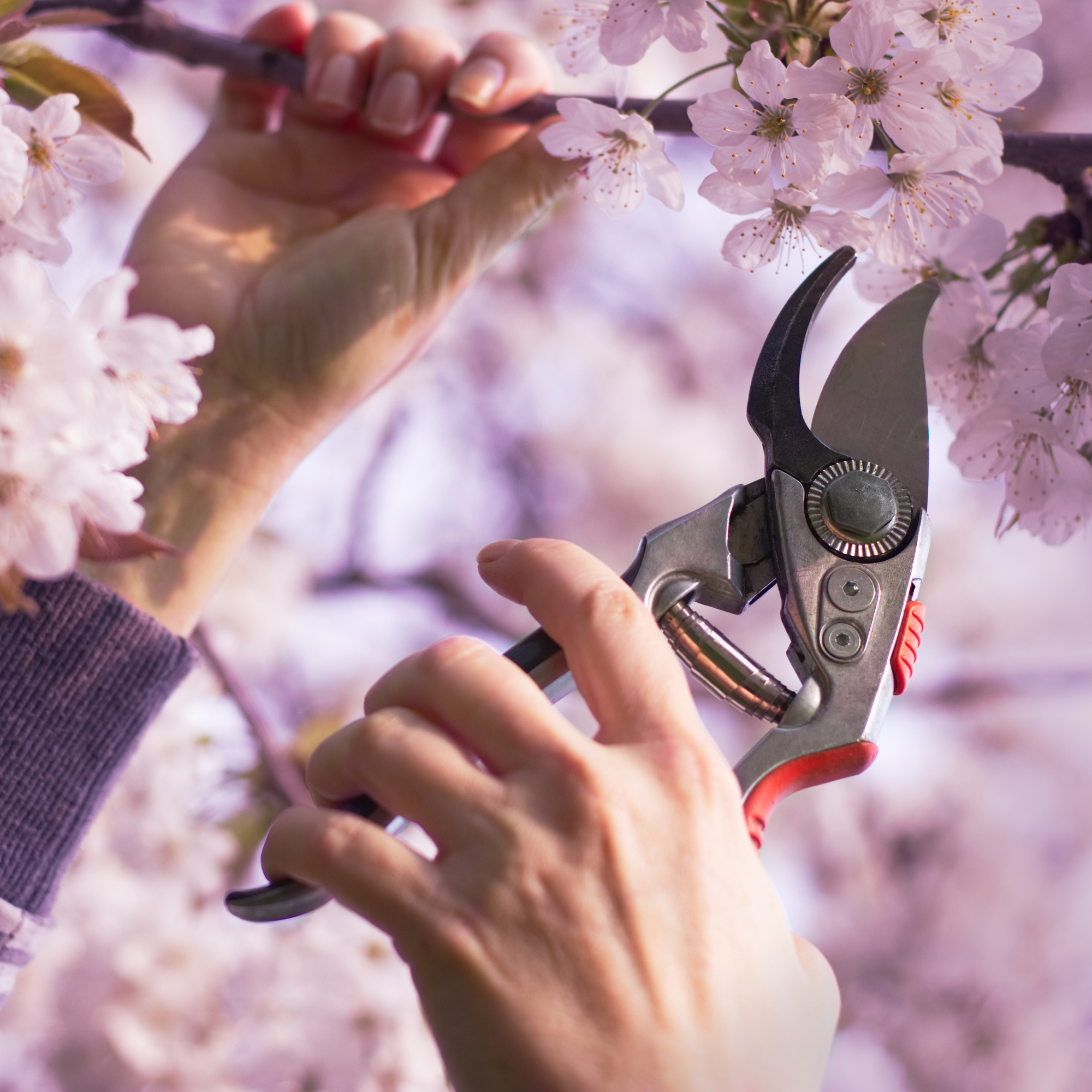
Different pruning shears suit different tasks. Choose one based on the thickness of the branches and your comfort.
- Bypass Shears:These have two sharp blades that slide past each other. They cut cleanly and work well for green stems and small branches.
- Anvil Shears:These have one sharp blade that closes onto a flat surface. They are good for dry or dead wood but may crush green stems.
- Loppers:These have long handles for extra reach and leverage. They are useful for thick branches that are hard to cut with hand shears.
- Pruning Saw:Use this for very thick branches. It cuts through wood that is too large for shears or loppers.
Sanitizing Equipment
Cleaning your pruning tools stops the spread of plant diseases. Use proper sanitizing methods before and after pruning.
| Sanitizing Method | Description | How to Use |
|---|---|---|
| Rubbing Alcohol | Kills most bacteria and fungi quickly | Wipe blades with 70% isopropyl alcohol using a cloth |
| Bleach Solution | Strong disinfectant for heavy contamination | Mix 1 part bleach with 9 parts water; soak blades for 30 seconds |
| Soap and Water | Removes dirt and plant sap | Wash tools with warm soapy water, then dry thoroughly |
Preparing The Plant
Pruning a Desert Bird of Paradise helps keep the plant healthy. Preparing the plant well makes pruning easier and safer.
Before you cut, clear the area and wear the right protective gear. These steps protect you and the plant.
Clearing Surrounding Area
Remove any objects or debris around the plant. This gives you space to move and prevents accidents.
Check for pets or children nearby. Keep them away during pruning to avoid harm.
- Clear tools, toys, and furniture
- Remove fallen leaves and branches
- Ensure good lighting around the plant
- Keep pets and children at a safe distance
Wearing Protective Gear
Wear gloves to protect your hands from sharp edges. The Desert Bird of Paradise has tough leaves that can cause cuts.
Use long sleeves and eye protection. These protect your skin and eyes from scratches and debris.
- Thick gardening gloves
- Long-sleeved shirt or jacket
- Safety glasses or goggles
- Closed-toe shoes for foot protection
Credit: www.gardeningknowhow.com
Pruning Techniques
Pruning helps keep your Desert Bird of Paradise healthy and attractive. It supports strong growth and flowering.
Use proper pruning methods to avoid damage and improve the plant's shape. Regular care makes a big difference.
Removing Dead And Damaged Stems
Look for stems that are brown, dry, or broken. These parts do not help the plant and can cause disease.
Cut these stems at the base using clean, sharp pruning shears. This keeps the plant healthy and tidy.
- Identify dry or broken stems
- Use sharp pruning shears
- Cut stems close to the ground
- Remove all dead material
Shaping The Plant
Trim the plant to maintain a balanced shape. This helps it look neat and allows sunlight to reach all parts.
Remove stems that grow too long or cross over others. Aim for an open shape with good air flow.
- Cut back long, leggy stems
- Remove stems that crowd the center
- Shape the plant evenly on all sides
- Keep a natural, rounded look
Encouraging New Growth
Prune regularly to promote fresh shoots. New growth means more flowers and a stronger plant.
Cut stems just above a leaf node. This stimulates the plant to produce new branches and leaves.
- Prune after flowering season
- Cut above a leaf joint
- Do not remove more than one-third of the plant
- Water well after pruning
Post-pruning Care
Pruning your Desert Bird of Paradise helps keep it healthy and beautiful. After pruning, you need to care for the plant well.
Good post-pruning care helps the plant grow strong and recover quickly from cuts.
Watering Tips
After pruning, water the plant deeply but less often. This helps the roots grow stronger.
Keep the soil moist but not soggy. Avoid watering the leaves to prevent diseases.
- Water once or twice a week depending on weather
- Use a drip or soaker hose to reach roots
- Check soil moisture before watering again
Fertilizing After Pruning
Fertilize the Desert Bird of Paradise about two weeks after pruning. This gives nutrients to new growth.
Use a balanced fertilizer with equal parts nitrogen, phosphorus, and potassium.
- Choose a slow-release fertilizer for steady feeding
- Follow package instructions for the right amount
- Apply fertilizer around the base, avoiding direct contact with stems
Monitoring Plant Health
Watch your plant for signs of stress or disease after pruning. Early detection helps prevent bigger problems.
Look for yellowing leaves, wilting, or unusual spots. Check stems and new shoots carefully.
- Inspect leaves weekly for pests or damage
- Remove dead or diseased parts quickly
- Keep the area around the plant clean
Common Mistakes To Avoid
Pruning your Desert Bird of Paradise helps it grow strong and look good. Doing it wrong can harm the plant. Avoid these common mistakes to keep your plant healthy.
Knowing what not to do is just as important as knowing how to prune. Pay attention to these errors so your plant can thrive.
Over-pruning Risks
Cutting too much can stress the Desert Bird of Paradise. It may slow growth or cause the plant to lose its shape. Over-pruning also reduces flowers.
Only remove dead or damaged parts and thin out crowded areas. Leave enough leaves for the plant to make food through photosynthesis.
- Do not remove more than one-third of the plant at once
- Avoid cutting green, healthy stems too often
- Keep the main structure intact to support growth
Ignoring Pest Issues
Pruning does not fix pest problems. Ignoring pests can hurt your plant badly. Pests may cause yellowing leaves and weak stems.
Check your plant often for bugs and signs of damage. Treat pests early to keep your Desert Bird of Paradise healthy and strong.
- Look for small holes or sticky residue on leaves
- Use safe insecticides or natural remedies if needed
- Remove heavily infested parts during pruning
Troubleshooting Growth Problems
Desert Bird of Paradise plants can face some growth problems. These problems affect their health and beauty.
Proper pruning helps fix issues and keep the plant strong. Learn how to handle common troubles.
Dealing With Wilting Leaves
Wilting leaves often mean the plant is stressed. It can be from too much or too little water.
Check the soil moisture before pruning. Remove dead or damaged leaves carefully to help new growth.
- Water deeply but less often to avoid root rot.
- Cut off wilted leaves with clean tools.
- Make sure the plant gets enough sunlight.
- Avoid pruning during extreme heat or cold.
Addressing Poor Flowering
Poor flowering shows the plant may lack nutrients or light. Pruning can encourage more blooms.
Trim old flower stalks and weak branches. This directs energy to healthy parts of the plant.
- Cut spent flowers to boost new buds.
- Thin crowded branches to improve air flow.
- Use balanced fertilizer to support blooming.
- Place the plant where it gets full sun daily.
Credit: www.gardeningknowhow.com
Frequently Asked Questions
How Often Should I Prune A Desert Bird Of Paradise?
Prune your Desert Bird of Paradise once a year in late winter or early spring. This timing promotes healthy new growth and vibrant blooms.
What Tools Do I Need To Prune This Plant?
Use clean, sharp pruning shears or loppers for thick stems. Gloves protect your hands from sharp edges and sap.
Can I Prune My Desert Bird Of Paradise Aggressively?
Yes, you can prune aggressively to control size. Avoid cutting more than one-third of the plant at once to prevent stress.
What Parts Of The Plant Should I Prune?
Remove dead, damaged, or crossing stems first. Also, trim old flower stalks to encourage fresh blooms and maintain shape.
Conclusion
Pruning your Desert Bird of Paradise ensures healthy growth. Start with clean tools. Trim dead branches and shape the plant. Regular pruning keeps it vibrant and beautiful. Watch for pests and remove them promptly. Proper sunlight and water are essential.
These steps help your plant thrive in any desert setting. Take care of your plant, and it will reward you with stunning blooms. Remember, patience is key. Consistent care leads to a flourishing garden. Enjoy your gardening journey. Your effort will be worth it.