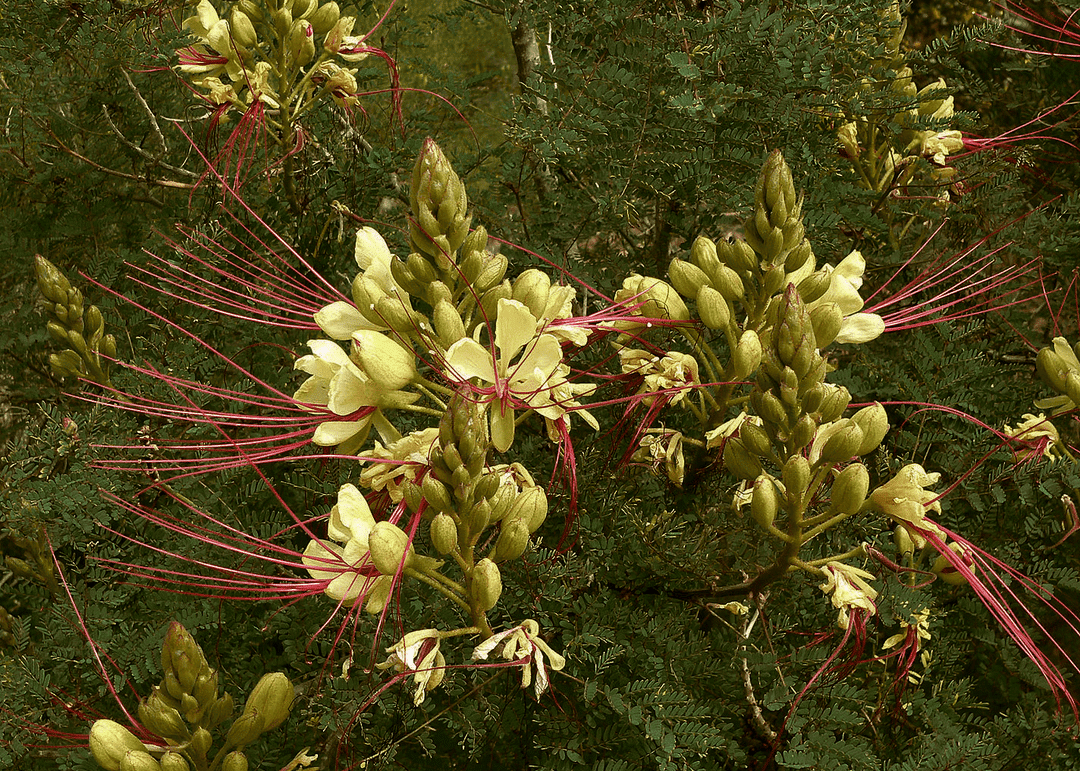
Are you ready to add a splash of vibrant color to your garden with a stunning Desert Bird of Paradise? Growing this beautiful plant from seed might sound tricky, but with the right steps, you can watch your own exotic blooms flourish right before your eyes.
Imagine the joy of seeing those bright orange and blue flowers brighten your outdoor space, all starting from tiny seeds in your hands. In this guide, you’ll discover simple, practical tips that make growing Desert Bird of Paradise easy and rewarding.
Keep reading to unlock the secrets that will help you succeed, even if you’ve never grown plants from seed before. Your garden will thank you!
Choosing Seeds
Growing Desert Bird of Paradise from seed starts with picking the right seeds. Good seeds lead to strong plants and beautiful flowers.
Learn how to check seed quality and find reliable places to buy seeds for the best results.
Seed Quality Tips
High-quality seeds have a higher chance of sprouting and growing healthy plants. Look for seeds that are fresh and free from damage.
- Choose seeds with a smooth, firm shell and no cracks.
- Pick seeds that are dark brown or black, as they are usually mature.
- Avoid seeds that look shriveled or have spots.
- Check the packaging date to make sure seeds are not old.
- Store seeds in a cool, dry place before planting.
Where To Buy Seeds
Buy seeds from trusted sellers to get good quality and true Desert Bird of Paradise seeds. Check local nurseries or online shops that specialize in desert plants.
| Source | Advantages | Things to Check |
|---|---|---|
| Local garden centers | See seeds in person; get expert advice | Ask about seed freshness and origin |
| Online seed suppliers | Wide selection; easy to compare prices | Read reviews; check return policy |
| Plant fairs or swaps | Community-based; often rare seeds | Confirm seed type and quality with seller |
Preparing Seeds
Growing Desert Bird of Paradise from seed needs special care. Preparing seeds before planting helps improve germination.
Two main ways to prepare seeds are soaking and scarification. These methods soften the seed coat and help roots grow.
Soaking Techniques
Soaking seeds in water makes them swell and softens the outer shell. This process speeds up sprouting.
- Use warm water, not hot, for soaking.
- Soak seeds for 12 to 24 hours only.
- Change water if it becomes cloudy.
- After soaking, plant seeds immediately.
Scarification Methods
Scarification weakens the hard seed coat by creating small scratches or cracks. This helps water enter the seed.
| Method | Description | Tips |
| Sandpaper | Rub seed gently on fine sandpaper. | Stop when seed coat thins but does not break. |
| Knife | Make a small nick on the seed coat. | Be careful not to damage the seed inside. |
| Hot Water | Pour hot (not boiling) water over seeds. | Let seeds soak as water cools for 12 hours. |
Selecting The Right Soil
The desert bird of paradise thrives best in well-chosen soil. Picking the right soil helps the seed sprout and grow strong roots. Good soil supports healthy plant growth in dry climates.
Understanding the soil needs can make your planting easier. This guide explains soil preferences and ways to improve drainage for your desert bird of paradise.
Soil Type Preferences
The desert bird of paradise prefers soil that mimics its natural habitat. It grows well in loose, sandy soil that drains quickly. Heavy clay or overly rich soil can hold too much water and harm the plant.
- Sandy or gritty soil works best
- Neutral to slightly acidic pH (6.0 to 7.5)
- Low organic matter content
- Soil should feel light and crumbly
Improving Drainage
Good drainage prevents water from sitting around the roots. This is important because the desert bird of paradise dislikes wet feet. You can improve drainage by adding certain materials to your soil.
| Material | Purpose | Recommended Amount |
| Perlite | Increases air flow and drainage | 30% of soil mix |
| Coarse Sand | Improves soil texture and drainage | 20% of soil mix |
| Small Gravel | Prevents soil compaction | 10% of soil mix |

Credit: nativegardeners.com
Sowing Seeds
Growing Desert Bird of Paradise from seed takes patience and care. Starting seeds indoors helps control the environment.
Prepare the seeds before planting to improve germination. Soak them in warm water for 24 hours.
Planting Depth
Plant the seeds about ½ inch deep in the soil. Cover them lightly so they can still get some light.
Too deep planting can stop the seed from sprouting. Keep the soil moist but not soggy.
Spacing Guidelines
Space seeds at least 3 inches apart to give roots room to grow. Crowded seeds may not grow well.
When seedlings grow bigger, thin them to about 12 inches apart for healthy plants.
Watering Practices
Growing Desert Bird of Paradise from seed needs careful watering. Water helps seeds sprout and young plants grow strong.
Too much or too little water can harm the seeds. Learn the right way to keep soil moist at every stage.
Initial Moisture Needs
Seeds need consistent moisture to start growing. Keep the soil damp but not soaked. Dry soil can stop germination.
Water lightly every day or use a spray bottle. Avoid pouring water directly on the seeds to prevent them from washing away.
- Use a fine mist to keep soil surface moist
- Check soil daily to avoid drying out
- Keep seed trays covered to hold moisture
Ongoing Watering Tips
After seeds sprout, reduce watering a bit. Let the top inch of soil dry between waterings to prevent root rot.
Water deeply but less often once seedlings grow. This encourages strong roots and healthy plants.
- Water every 3-4 days depending on soil dryness
- Use well-draining soil to stop water buildup
- Increase watering during hot, dry weather
Credit: wanderlustnursery.com
Temperature And Light
Growing Desert Bird of Paradise from seed needs the right temperature and light. These factors help seeds sprout and plants grow strong.
Knowing how to control temperature and light can improve your success with this plant. Let's look at what works best.
Ideal Germination Temperature
Desert Bird of Paradise seeds germinate best in warm conditions. Keep the temperature steady for good results.
The ideal temperature range for germination is between 70°F and 85°F (21°C to 29°C). Cooler temperatures slow down sprouting.
- Maintain soil warmth using a heat mat if needed
- Avoid temperatures below 65°F (18°C)
- Keep temperature stable day and night
Light Requirements
Light is important after seeds sprout. The young plants need plenty of bright, indirect sunlight.
Too much direct sun can harm seedlings. Provide filtered light to protect the tender leaves.
- Place seedlings near a bright window with indirect light
- Avoid strong afternoon sun to prevent leaf burn
- Use grow lights if natural light is weak
Germination Timeline
Growing Desert Bird of Paradise from seed takes patience. Knowing the timeline helps you care better.
Seeds need warmth and moisture to start growing. Germination time varies but usually follows a pattern.
Expected Sprouting Time
Desert Bird of Paradise seeds usually sprout in two to four weeks. Some seeds may take longer.
Warm temperatures around 70-85°F help speed up germination. Keep the soil moist but not wet.
- Soak seeds in warm water for 24 hours before planting
- Plant seeds about 1 inch deep in well-draining soil
- Keep the soil temperature steady for best results
Troubleshooting Germination
If seeds do not sprout on time, check the conditions. Too cold or dry soil can stop growth.
Seed dormancy can slow germination. Scarifying or nicking the seed coat helps water enter.
- Make sure soil stays moist but avoid waterlogging
- Keep temperature steady and avoid sudden drops
- Use a seed scarifier or sandpaper to gently scratch the seed surface
- Be patient; some seeds need up to 6 weeks to sprout
Transplanting Seedlings
Transplanting seedlings is a key step in growing Desert Bird of Paradise from seed. It helps young plants get more space and nutrients. Doing it right improves their chances to grow strong and healthy.
Careful timing and good techniques protect seedlings from shock. This guide explains when to transplant and how to do it well.
When To Transplant
Transplant seedlings after they grow two to three sets of true leaves. This means the plant is ready for a bigger pot or outdoor space. The roots should fill the small seed tray but not be crowded.
- Look for firm, green leaves
- Check that roots are visible but not tangled
- Choose a mild day to reduce stress
- Avoid transplanting in very hot or cold weather
Best Transplanting Practices
Handle seedlings gently to keep roots and stems safe. Use clean tools and fresh soil to stop disease. Water the plants after moving them to help them settle.
| Practice | Details |
|---|---|
| Prepare the new pot or ground | Use well-draining soil mixed with sand or perlite |
| Water seedlings before transplanting | Moist soil holds roots together and reduces damage |
| Remove seedlings carefully | Loosen soil gently and lift by the leaves, not stem |
| Plant at the same depth | Keep roots covered but leaves above soil |
| Water again after planting | Helps roots make contact with new soil |
| Place in partial shade for 2-3 days | Protects from sun and wind stress |
Care For Young Plants
Young Desert Bird of Paradise plants need careful attention. Proper care helps them grow strong.
Water, light, and soil quality are key for healthy seedlings. Watch them closely as they develop.
Fertilizing Tips
Use a balanced fertilizer to feed young plants. It gives them the nutrients needed for growth.
Apply fertilizer every 4 to 6 weeks during the growing season. Avoid over-fertilizing to prevent damage.
- Choose a fertilizer with equal N-P-K values (e.g., 10-10-10)
- Dilute fertilizer to half strength for seedlings
- Apply fertilizer after watering to protect roots
- Stop fertilizing in late fall to prepare for dormancy
Pest And Disease Control
Check young plants often for pests like aphids and spider mites. Early detection stops spread.
Use mild insecticidal soap or neem oil to treat infestations. Keep leaves dry to avoid diseases.
- Inspect undersides of leaves regularly
- Remove dead or damaged leaves promptly
- Ensure good air flow around plants
- Water at the base to keep foliage dry
Common Growing Challenges
Growing Desert Bird of Paradise from seed can be tricky. Many gardeners face challenges that affect plant health.
Understanding common problems helps you care for your plants better. This guide covers two key issues.
Root Rot Prevention
Root rot happens when soil stays too wet. It can kill young seedlings quickly.
Use well-draining soil to keep roots healthy. Avoid overwatering and check pots for good drainage holes.
- Plant seeds in sandy or gritty soil mix
- Water only when the top inch of soil is dry
- Ensure containers have drainage holes
- Remove any dead or soft roots immediately
Dealing With Drought Stress
Desert Bird of Paradise needs some water to grow well. Too little water causes drought stress.
Signs include droopy leaves and slow growth. Water plants deeply but let soil dry between watering.
- Water seedlings gently every few days
- Increase watering as plants grow bigger
- Mulch around plants to keep moisture
- Watch plants daily during hot weather
Credit: nativegardeners.com
Frequently Asked Questions
How Long Does It Take To Grow Desert Bird Of Paradise From Seed?
It typically takes 2 to 3 weeks for seeds to germinate. Full growth to a flowering plant may take 2 to 3 years under ideal conditions.
What Is The Best Soil For Desert Bird Of Paradise Seeds?
Well-draining sandy or loamy soil is ideal. It prevents waterlogging and mimics the plant’s natural desert habitat for better growth.
How Often Should I Water Desert Bird Of Paradise Seedlings?
Water seedlings lightly once or twice a week. Keep soil moist but never soggy to avoid root rot and promote healthy growth.
Do Desert Bird Of Paradise Seeds Need Pre-treatment Before Planting?
Yes, soaking seeds in warm water for 24 hours softens the hard coat. This improves germination rates and speeds up sprouting.
Conclusion
Growing Desert Bird of Paradise from seed is rewarding. Patience is key. Begin with quality seeds. Prepare soil well for best results. Water consistently, but don't overdo it. Sunlight is crucial for growth. Protect young plants from harsh conditions. Watch for pests and diseases.
They can harm growth. Regular care ensures healthy blooms. In time, your garden will flourish with vibrant colors. Enjoy the beauty and serenity they bring. Happy gardening!