Do you want to turn your yard into a lively paradise filled with colorful birds and cheerful songs? Making your yard bird friendly is easier than you think, and it brings countless rewards.
Imagine waking up to the gentle chirping of birds, watching them flit around your garden, and feeling connected to nature right outside your door. You’ll discover simple, practical steps to attract more birds, keep them safe, and create a space they’ll love.
Ready to transform your outdoor space into a bird haven? Let’s dive in!
Credit: www.birdcount.org
Choose Native Plants
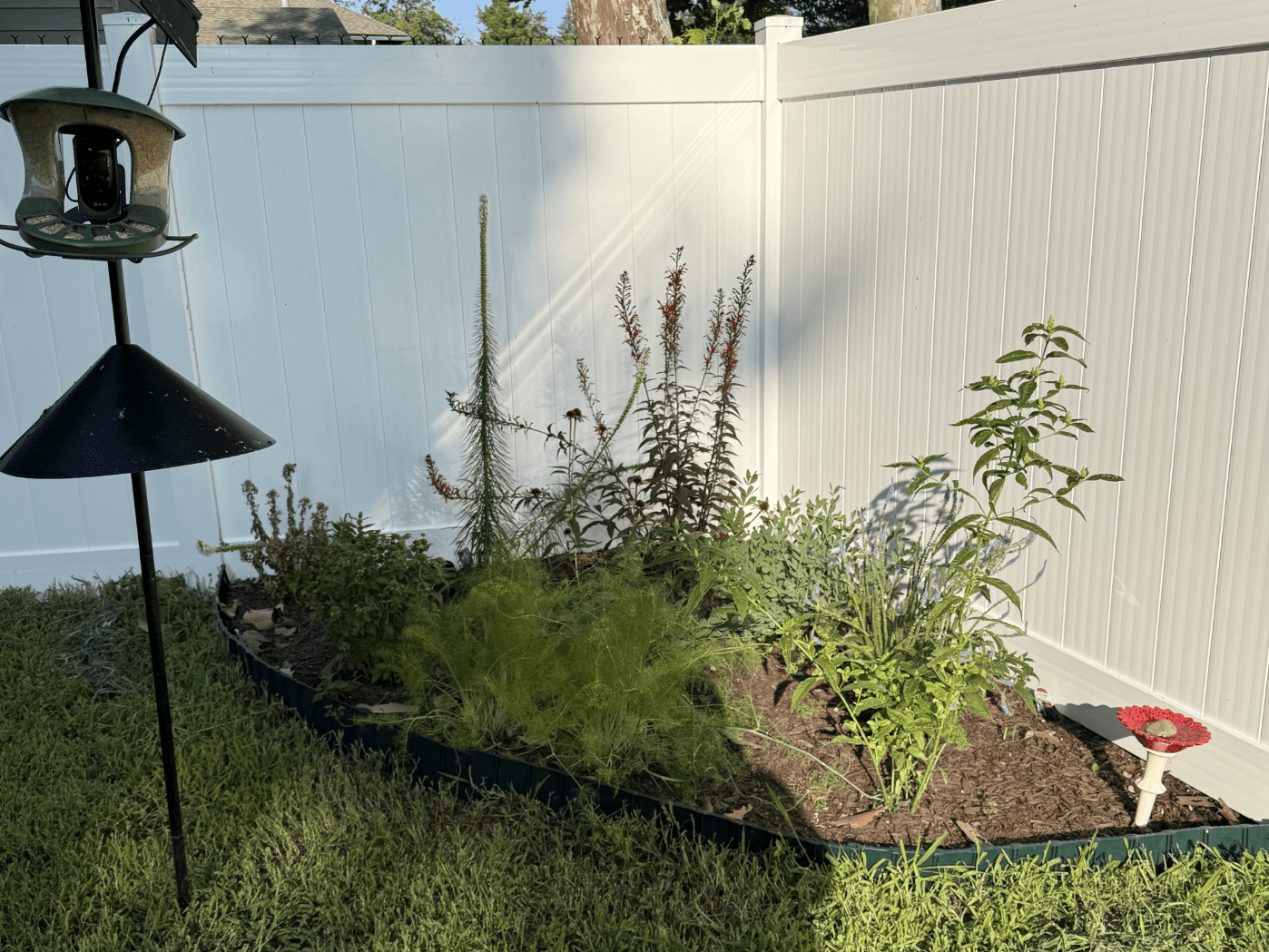
Choosing native plants helps create a bird-friendly yard. These plants grow well in your area and support local wildlife.
Native plants provide food and shelter for many bird species. This helps birds thrive close to home.
Benefits Of Native Flora
Native plants offer many benefits to birds and the environment. They attract insects that birds eat. They also provide seeds and berries for food.
- Support local bird species with familiar food sources
- Require less water and care than non-native plants
- Help maintain the natural balance of the ecosystem
- Offer safe nesting spots and cover from predators
- Improve soil health and reduce erosion
Best Plants For Birds
| Plant | Type of Food | Birds Attracted |
| Serviceberry | Berries | Robins, Cedar Waxwings |
| Sunflower | Seeds | Finches, Sparrows |
| Milkweed | Seeds, Nectar | Goldfinches, Hummingbirds |
| Oak Tree | Acorns | Woodpeckers, Jays |
| Black-eyed Susan | Seeds | Chickadees, Cardinals |

Credit: underatinroof.com
Provide Fresh Water Sources
Birds need fresh water to drink and bathe. Adding water sources in your yard helps them stay healthy. Clean water attracts many bird species.
Water also supports birds during hot or dry days. You can create spots that are easy for birds to use safely.
Birdbaths And Fountains
Birdbaths are shallow containers filled with water. Fountains add moving water that draws birds’ attention. Both give birds places to drink and clean their feathers.
- Choose a shallow birdbath, about 2 inches deep
- Place it in a quiet, safe area
- Use a fountain with gentle water flow
- Keep the edges rough or add stones for grip
- Position near shrubs or trees for quick cover
Maintaining Clean Water
Clean water keeps birds healthy and stops diseases. Dirty water can scare birds away or harm them.
| Maintenance Task | How Often | Why It Matters |
| Change water | Daily or every 2 days | Prevents bacteria and mosquito growth |
| Clean birdbath or fountain | Weekly | Removes algae and dirt buildup |
| Scrub with brush | Weekly | Keeps surfaces safe for birds |
| Use mild soap if needed | Monthly | Kills germs without harming birds |
Create Shelter And Nesting Spots
Birds need safe places to rest and lay eggs. Creating shelter and nesting spots helps birds feel secure.
Providing these spots in your yard invites more birds and supports their survival.
Building Birdhouses
Birdhouses give birds a protected place to build nests. You can make birdhouses from wood or buy them.
Place birdhouses away from strong winds and direct sun. Keep them high enough to avoid predators.
- Use untreated wood for safety
- Make the entrance hole size fit the bird species
- Clean birdhouses yearly to remove old nests
- Mount birdhouses on poles or trees
Using Natural Cover
Natural cover like shrubs and trees gives birds shelter. Dense plants protect birds from weather and enemies.
Grow native plants that produce berries and seeds. These plants also attract insects, which birds eat.
- Plant thick bushes for nesting spots
- Leave dead trees or branches for woodpeckers
- Keep a mix of tall and low plants
- Avoid clearing all natural vegetation
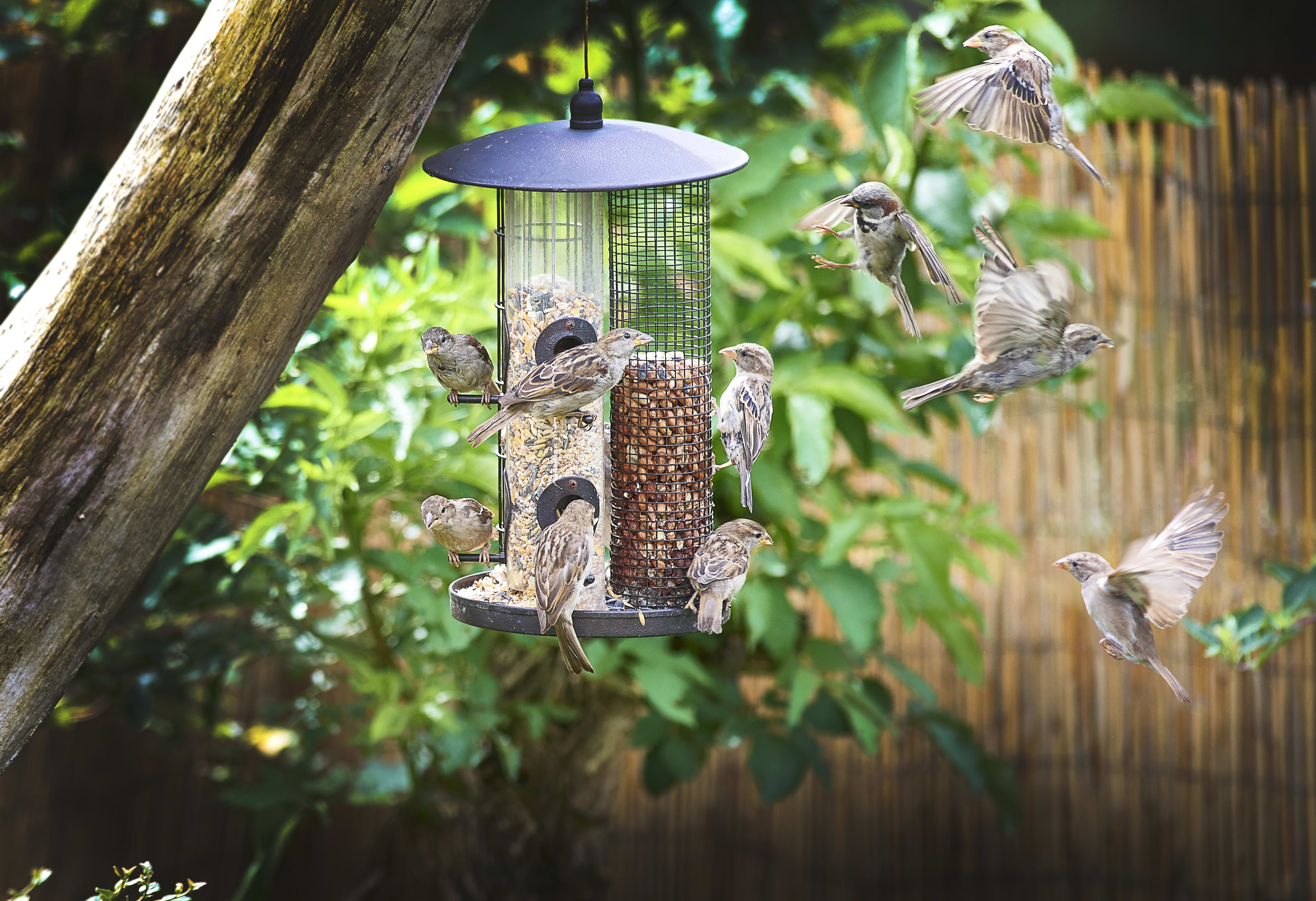
Credit: dengarden.com
Offer Healthy Food Options
Providing healthy food helps birds stay strong and active. It also attracts a variety of bird species to your yard.
Choosing the right food and feeders supports birds’ natural diets and habits. It makes your yard a safe place for them.
Selecting Bird Feeders
Pick bird feeders that keep food fresh and safe. Choose designs that fit the types of birds you want to attract.
Feeders should be easy to clean to prevent mold and bacteria. Different birds prefer different feeder styles.
- Tube feeders work well for small songbirds.
- Platform feeders attract a variety of birds.
- Hopper feeders hold larger amounts of seed.
- Suet feeders are good for woodpeckers and nuthatches.
Choosing Bird-friendly Seeds
Offer seeds that are nutritious and easy for birds to eat. Avoid mixes with fillers that birds do not like.
Some seeds attract more birds and support their health better than others.
- Black oil sunflower seeds are rich in fat and easy to crack.
- Nyjer seeds attract finches and small birds.
- Milo and cracked corn suit ground-feeding birds.
- Millet is popular with sparrows and doves.
Avoid Harmful Chemicals
Using chemicals in your yard can hurt birds and other wildlife. Many pesticides and herbicides contain poisons that affect their health.
You can protect birds by choosing safer options and using yard care methods that do not rely on harmful substances.
Pesticide Alternatives
There are many ways to control pests without using toxic chemicals. These methods keep your yard healthy and safe for birds.
- Introduce ladybugs and other beneficial insects to eat pests
- Use neem oil or insecticidal soap as natural pest control
- Plant herbs like basil and mint that repel insects
- Apply diatomaceous earth around plants to deter bugs
- Encourage birds that eat insects by providing feeders and water
Safe Yard Practices
Safe yard care helps create a bird-friendly space. Simple habits can reduce harm and support wildlife.
| Practice | Benefit for Birds |
| Hand-pick pests | Limits chemical use |
| Use mulch and compost | Improves soil health naturally |
| Plant native flowers | Provides food and shelter |
| Maintain clean water sources | Supports bird hydration and bathing |
| Avoid chemical fertilizers | Prevents water pollution |
Encourage Natural Pest Control
Making your yard bird friendly helps control pests naturally. Birds eat many insects that harm plants.
Encouraging natural pest control keeps your garden healthy without chemicals. This creates a safe place for birds and beneficial insects.
Attracting Beneficial Insects
Beneficial insects like ladybugs and lacewings eat harmful bugs. These insects help reduce pests that bother birds and plants.
Plant flowers and herbs that attract these helpful insects. Examples are dill, fennel, and marigolds. These plants provide food and shelter.
- Grow native flowering plants
- Avoid pesticides that kill insects
- Provide water sources like shallow dishes
- Keep some areas wild for insect homes
Balancing The Ecosystem
A balanced ecosystem means birds and insects live in harmony. Birds eat pests, and insects pollinate plants.
Creating diverse habitats helps balance nature. Plant shrubs, trees, and ground covers to support many species.
- Use native plants for local wildlife
- Leave leaf litter for insects and worms
- Limit lawn areas to increase habitat
- Offer birdhouses and feeders
Create Diverse Habitats
Making your yard bird friendly means offering many places for birds to live and find food. Diverse habitats help birds feel safe and find what they need all year.
Different plants and structures create homes for many bird types. You can plan your yard to support birds by adding layers and natural cover.
Layered Planting Techniques
Layered planting means using plants of different heights and types. This creates many spaces for birds to feed, rest, and hide.
Start with ground covers, then add shrubs and taller plants. Each layer gives birds a different way to use your yard.
- Ground covers offer seeds and insects
- Shrubs provide berries and shelter
- Tall plants attract insects and offer perches
Incorporating Trees And Shrubs
Trees and shrubs are important for birds. They offer places to nest, hide from predators, and find food.
Use native trees and shrubs to help local birds. Plant them in groups to create safe areas and shelter from weather.
- Plant fruiting shrubs for food
- Use dense shrubs for cover
- Add trees for nesting and shade
- Choose different species for year-round benefits
Monitor And Enjoy Wildlife
Making your yard bird friendly is a fun way to watch nature up close. Watching birds can teach you about their habits and needs.
To enjoy wildlife more, you need to observe carefully and keep track of what you see. This helps you learn and appreciate birds better.
Keeping A Bird Journal
A bird journal helps you record the types of birds that visit your yard. Write down the date, time, and what the birds do.
Journals show patterns in bird visits. You can see which birds come often and what food they like.
- Note bird species names
- Record bird behaviors
- Track weather and season changes
- Draw or paste bird pictures
Using Binoculars And Cameras
Binoculars help you see birds from a distance without scaring them away. Choose a pair that is easy to hold and clear to see through.
Cameras capture bird moments you want to remember. Use a camera with a zoom lens to get close-up shots without disturbing the birds.
- Keep binoculars ready for quick use
- Use a tripod for steady camera shots
- Be patient and stay quiet
- Try to photograph different bird behaviors
Frequently Asked Questions
How Can I Attract More Birds To My Yard?
Plant native flowers, shrubs, and trees that provide food and shelter. Add bird feeders and fresh water sources. Avoid pesticides to create a safe environment for birds to thrive and visit regularly.
What Types Of Bird Feeders Work Best?
Use a variety of feeders like tube, platform, and suet feeders. Different designs attract diverse bird species. Clean feeders regularly to prevent disease and keep birds healthy.
Which Plants Are Best For Bird-friendly Yards?
Choose native plants with berries, seeds, and nectar. Examples include sunflowers, coneflowers, and serviceberry. These plants offer natural food and shelter, supporting local bird populations.
How Do I Provide Water For Birds Safely?
Use shallow birdbaths with clean, fresh water. Change water daily to avoid mosquitoes. Add stones or twigs for perching. Water sources help birds drink and bathe, improving their health.
Conclusion
Creating a bird-friendly yard is simple and rewarding. Start by planting native trees and shrubs. They offer food and shelter for birds. Add bird feeders and water sources. Attract diverse species this way. Avoid using pesticides that harm birds. Instead, choose natural alternatives.
Keep your yard clean and safe from predators. This ensures a welcoming space for birds. Enjoy observing these beautiful creatures visit your garden. It brings joy and promotes biodiversity. Your efforts help the environment thrive. So, make small changes. Watch nature’s wonders unfold in your own backyard.