Have you ever wondered which birds call wetlands their home? These unique places are bursting with life, and the birds you find there are truly special.
Whether you’re a nature lover or just curious, knowing about the birds in wetlands can change how you see these watery landscapes. Keep reading to discover the fascinating birds that might be right in your backyard—and why they matter more than you think.
Your next outdoor adventure could start with spotting just one of these amazing creatures!
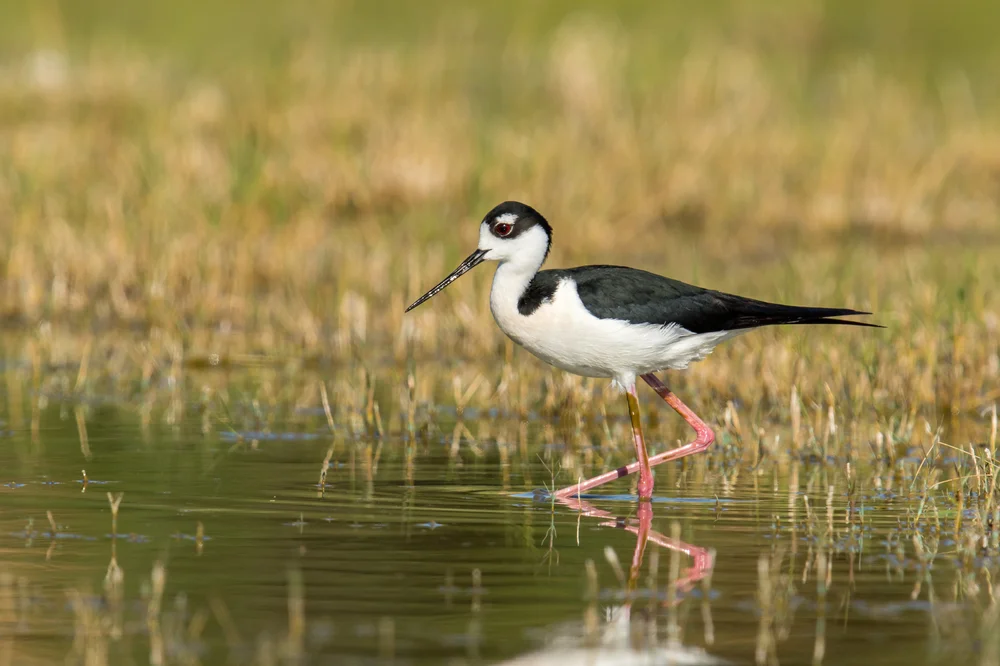
Credit: www.eastsideaudubon.org
Wetland Habitats
Wetlands are areas where water covers the soil or is near the surface. They include marshes, swamps, and bogs.
These habitats support many bird species. Birds depend on wetlands for food, shelter, and breeding sites.
Types Of Wetlands
Wetlands vary by water type and plants. Each type hosts different birds and wildlife.
- Marshes:Wetlands with soft-stemmed plants like reeds and cattails.
- Swamps:Wetlands dominated by trees and shrubs.
- Bogs:Wetlands with acidic water and mosses.
- Fens:Wetlands fed by mineral-rich water, with grasses and wildflowers.
Importance For Birds
Wetlands provide birds with food, nesting areas, and safe resting spots during migration.
| Bird Species | Wetland Type | Role of Wetland |
| Ducks | Marshes | Feeding and nesting |
| Herons | Swamps | Hunting fish and shelter |
| Sandpipers | Bogs | Foraging insects |
| Warblers | Fens | Breeding and feeding |
Credit: naturealberta.ca
Common Wetland Birds
Wetlands are home to many bird species. These birds depend on wet areas for food and shelter.
Birds in wetlands vary in size and color. They play an important role in the ecosystem.
Herons And Egrets
Herons and egrets are tall birds with long legs and necks. They stand still to catch fish and frogs.
These birds have sharp beaks to catch prey. They are often seen in shallow water or near the edge of wetlands.
- Great Blue Heron
- Green Heron
- Snowy Egret
- Little Egret
Ducks And Geese
Ducks and geese are common waterfowl in wetlands. They have webbed feet for swimming.
These birds eat plants, insects, and small fish. Many migrate to warmer places in winter.
- Mallard Duck
- Wood Duck
- Canada Goose
- Snow Goose
Rails And Crakes
Rails and crakes are small birds that live in dense wetland plants. They are shy and hard to see.
These birds eat insects and seeds. They have strong legs to walk through thick reeds and grasses.
- Virginia Rail
- King Rail
- Buff-banded Rail
- Spotted Crake
Rare And Stunning Species
Wetlands are home to many rare and beautiful birds. These areas provide food and shelter for special species. Watching these birds can be a wonderful experience.
This article shows three unique bird types found in wetlands. Each has its own colors and shapes. Learn about colorful kingfishers, elegant spoonbills, and unique bitterns.
Colorful Kingfishers
Kingfishers are bright birds with sharp beaks. They live near water and catch fish with great skill. Their colors range from blue to orange and green.
- Common Kingfisher: small, bright blue and orange feathers
- Amazon Kingfisher: greenish-blue with a long bill
- Laughing Kookaburra: known for its loud call and brown markings
Elegant Spoonbills
Spoonbills have long, flat bills shaped like spoons. They use these to catch small fish and insects in shallow water. Their white or pink feathers look graceful in flight.
| Species | Color | Habitat |
| Roseate Spoonbill | Pink | Coastal wetlands and marshes |
| Yellow-billed Spoonbill | White | Inland wetlands and lakes |
| Black-faced Spoonbill | White with black face | East Asian coastal wetlands |
Unique Bitterns
Bitterns are secretive birds that live in tall reeds. They have brown and beige stripes that help them hide. Their deep calls sound like a low booming noise.
Bittern species found in wetlands include:
- American Bittern: camouflaged with streaky brown feathers
- Eurasian Bittern: larger and rare, with booming calls
- Australasian Bittern: endangered, lives in dense reed beds

Credit: naturealberta.ca
Bird Behavior In Wetlands
Wetlands are vital homes for many bird species. These areas offer food, shelter, and breeding grounds. Birds in wetlands show unique behaviors that help them survive and thrive.
Understanding bird behavior in wetlands helps us protect these important habitats. Let’s explore their feeding habits, nesting patterns, and migration trends.
Feeding Habits
Birds in wetlands eat a variety of foods like fish, insects, and plants. Their feeding methods depend on the species and the wetland type. Some birds wade in shallow water to catch fish. Others pick insects from plants or dive deep for prey.
- Herons stand still and wait for fish to come close.
- Ducks filter small plants and animals from the water.
- Kingfishers dive quickly to catch fish below the surface.
- Swallows catch insects while flying over the water.
Nesting Patterns
Wetland birds build nests in various ways. Some use reeds and grasses near the water. Others nest in trees or shrubs close to wetlands. Nest locations protect eggs and chicks from predators and floods.
| Bird Species | Nesting Site | Material Used |
| Marsh Wren | Dense reeds | Twigs, grasses |
| Great Blue Heron | Tree branches | Sticks, leaves |
| Red-winged Blackbird | Wet shrubs | Grass, mud |
Migration Trends
Many wetland birds migrate to find food and warmer weather. Migration times vary by species and location. Some birds travel thousands of miles between breeding and wintering grounds.
Common migration facts:
- Some birds migrate at night to avoid predators.
- Wetlands serve as rest stops during long migrations.
- Climate changes can affect migration timing and routes.
Conservation Efforts
Wetlands are home to many bird species. These birds rely on wetland habitats to live, feed, and breed. Protecting these areas helps keep bird populations healthy.
Conservation efforts focus on stopping threats and supporting birds through various programs. Everyone can play a role in helping wetland birds.
Threats To Wetland Birds
Wetland birds face many dangers. Loss of habitat is the main threat. Pollution and climate change also harm these birds. Hunting and invasive species add extra risks.
- Habitat destruction from farming and building
- Water pollution from chemicals and waste
- Climate changes affecting water levels
- Illegal hunting and poaching
- Predators introduced by humans
Protection Programs
Many groups work to protect wetland birds. They create safe areas and restore damaged wetlands. Laws help stop hunting and pollution. Education raises awareness about these birds.
| Program Type | Action Taken |
| Habitat Restoration | Replant native plants, clean water |
| Legal Protection | Bans on hunting, pollution limits |
| Research | Track bird populations and health |
| Public Education | Workshops and signs in wetlands |
How To Help
People can help wetland birds in many ways. Small actions add up to big changes. Protecting nature starts with us.
- Visit wetlands and follow the rules
- Join local clean-up events
- Reduce use of harmful chemicals at home
- Support conservation groups
- Spread knowledge about wetland birds
Birdwatching Tips
Wetlands are home to many types of birds. Watching them can be fun and relaxing. You need some tips to enjoy birdwatching well.
This guide will help you know the best times to visit, what gear to bring, and how to watch birds kindly.
Best Times To Visit
Birds are most active at certain times. Early morning is often the best time. Birds look for food and sing then.
Late afternoon can also be good. The light is soft, and birds prepare to rest.
- Visit wetlands at dawn for the most bird activity
- Try late afternoon for calm and clear views
- Check local bird migration seasons for more sightings
Essential Gear
Good gear helps you see birds clearly and stay comfortable. A pair of binoculars is very useful. It lets you see birds from far away.
Wear comfortable clothes and shoes for walking in wet areas. A hat and sunscreen protect you from the sun.
- Binoculars for clear, close views
- Comfortable walking shoes
- Hat and sunscreen for sun protection
- Notebook to record bird sightings
- Water bottle to stay hydrated
Ethical Birdwatching
Always respect birds and their homes. Do not disturb nests or birds. Keep a safe distance to avoid stress.
Stay on paths and avoid trampling plants. Keep noise low. Use a camera or binoculars instead of touching birds.
- Watch quietly from a distance
- Do not touch or feed birds
- Stay on marked trails
- Do not disturb nests or young birds
- Leave no trash behind
Frequently Asked Questions
What Types Of Birds Live In Wetlands?
Wetlands host diverse birds like herons, egrets, ducks, and kingfishers. These birds rely on wetlands for food, shelter, and breeding.
Why Are Wetlands Important For Bird Species?
Wetlands provide critical habitats with abundant food and nesting sites. They support bird migration, breeding, and biodiversity conservation.
How Do Wetland Birds Adapt To Their Environment?
Wetland birds have specialized features like webbed feet and long beaks. These adaptations help them feed and move in water-rich habitats.
What Are Common Migratory Birds Found In Wetlands?
Common migratory wetland birds include sandpipers, swans, and geese. They use wetlands as stopover points during long migrations.
Conclusion
Wetlands host a rich variety of bird species. These unique habitats offer food and shelter. Birds like herons, ducks, and swans thrive here. Each bird plays a vital role in the ecosystem. Observing these birds can be a rewarding experience.
They show nature’s beauty and diversity. Protecting wetlands is crucial for these birds. Conservation efforts help maintain their natural habitats. So, next time you visit wetlands, appreciate the avian life. It’s a reminder of the intricate balance of nature. Witnessing these birds enriches our understanding of ecosystems.
A true testament to nature’s wonders.