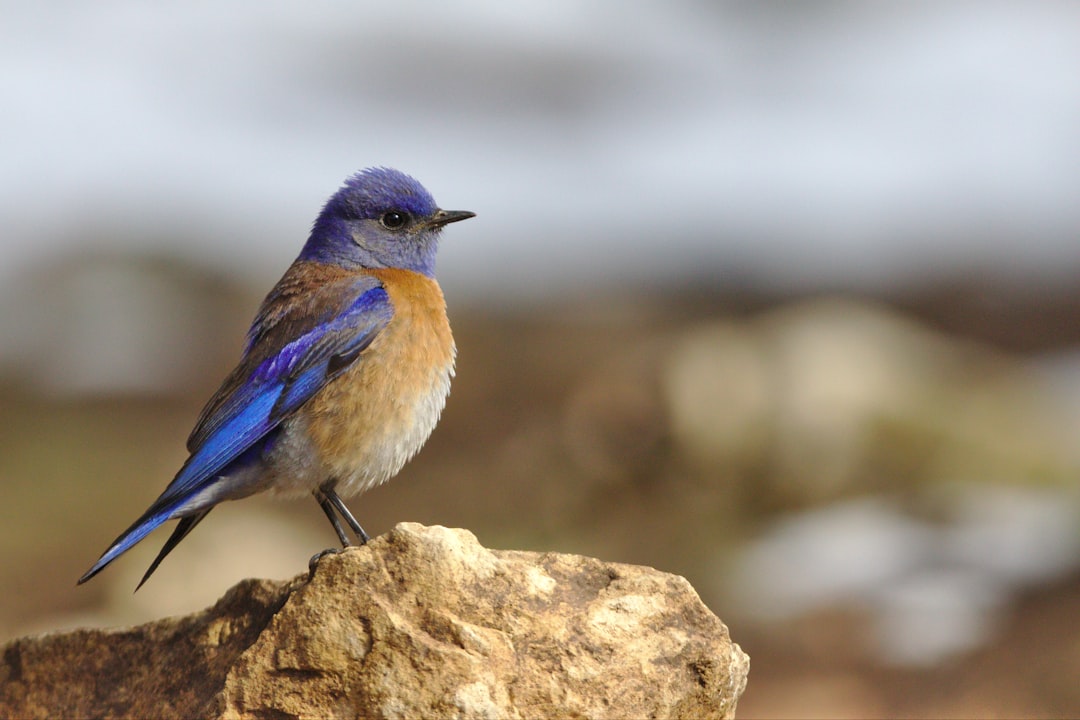
Have you ever found yourself captivated by the vibrant hues of nature? If so, the Mountain Bluebird might just be the creature to steal your heart.
With its dazzling blue feathers and enchanting presence, spotting one of these birds can feel like a magical encounter. But where exactly can you find a Mountain Bluebird? If you've ever wondered about the best places to witness this avian marvel, you're in the right place.
In this guide, you'll uncover the secrets to finding these beautiful birds, transforming your nature walks into unforgettable experiences. Get ready to discover the hidden gems and specific locations that promise a glimpse of the Mountain Bluebird in all its glory.
Mountain Blue Bird Habitat
Mountain Blue Birds live in cool, open places with few trees. They need wide spaces to find food and build nests. These birds are easy to spot in their natural homes.
Understanding where Mountain Blue Birds live helps bird watchers and nature lovers find them. Their habitat changes with the seasons and elevation.
Preferred Environments
Mountain Blue Birds prefer areas with open ground and scattered trees. They like places where insects and berries are easy to find. These environments help them raise their young safely.
- Open meadows and grasslands
- Sparse forests with scattered trees
- Mountain slopes with low shrubs
- Edges of clearings and rocky areas
Elevation Range
Mountain Blue Birds live at different heights depending on the season. They move up and down mountains to find the best food and shelter.
| Season | Elevation Range (feet) |
| Spring and Summer | 4,000 to 11,000 |
| Fall and Winter | 2,000 to 6,000 |
Seasonal Movements
Mountain Blue Birds move to lower areas during cold months. This helps them find food when snow covers higher places. They return to higher spots in warm months to breed and feed their young.
- Move down in fall to avoid heavy snow
- Return to high elevations in spring
- Follow insect availability for feeding

Credit: frametoframe.ca
Top Locations To Spot Mountain Blue Birds
Mountain Blue Birds are beautiful and easy to spot if you know where to look. They prefer open spaces and high elevations.
This guide shares some of the best places to see Mountain Blue Birds in North America.
North American Hotspots
These regions have large populations of Mountain Blue Birds. They offer the right habitats and food sources.
- Rocky Mountains, USA and Canada
- Sierra Nevada Range, California
- Appalachian Mountains, Eastern USA
- British Columbia Forests, Canada
- Great Basin area, Nevada and Utah
Notable National Parks
National parks protect natural habitats where Mountain Blue Birds thrive. Visiting these parks gives you a good chance to see them.
| National Park | Location | Best Time to Visit |
| Rocky Mountain National Park | Colorado | Spring to Early Fall |
| Yosemite National Park | California | Late Spring to Summer |
| Great Smoky Mountains National Park | Tennessee/North Carolina | Spring |
| Banff National Park | Alberta, Canada | Summer |
| Zion National Park | Utah | Spring and Fall |
Hidden Locales
Some lesser-known spots offer peaceful birdwatching and a high chance to see Mountain Blue Birds away from crowds.
Try These Hidden Locales:
- High-elevation meadows in Montana's Glacier County
- Remote trails in Idaho's Sawtooth National Forest
- Open ridges near Wyoming's Grand Teton foothills
- Quiet valleys in Oregon’s Wallowa Mountains
- Secluded spots along British Columbia’s Kootenay River
Best Times For Mountain Blue Bird Watching
Mountain Blue Birds are beautiful birds found in high elevation areas. Knowing the best times to watch them helps you enjoy their natural behavior.
This guide explains when to see Mountain Blue Birds by focusing on their breeding season, migration periods, and daily activity patterns.
Breeding Season
The breeding season is the best time to see Mountain Blue Birds actively building nests and caring for their young. This usually happens in spring and early summer.
During this period, males sing more to attract mates. You can find them near open fields and forest edges where they like to nest.
- Starts in late March or early April
- Lasts until July
- Birds are more visible and vocal
- Look for nests in tree cavities or nest boxes
Migration Periods
Mountain Blue Birds migrate between their breeding and winter homes. Watching them during migration gives a chance to see them in different places.
Migration happens in spring and fall. They usually travel during the day and stop to rest in open areas with trees.
- Spring migration: March to May
- Fall migration: September to November
- Look near open meadows and mountain slopes
- Birds may form small groups during travel
Daily Activity Patterns
Mountain Blue Birds are most active during certain times of the day. Watching them early or late gives the best chance to see their behavior.
They feed in the morning and late afternoon. Midday is usually quieter as birds rest or hide from the sun.
- Active hours: 6 AM to 10 AM and 4 PM to 7 PM
- Feed on insects and berries during active times
- Rest in shaded areas at midday
- Look for birds singing or flying during active hours
Essential Gear For Birdwatchers
Finding a mountain bluebird needs the right gear. Good equipment helps you see and identify birds better.
This guide covers optics, field guides, and clothing for a successful birdwatching trip.
Optics And Cameras
Binoculars help you see birds from far away. Choose ones with good zoom and clear lenses.
A camera with a zoom lens lets you capture photos without disturbing birds.
- Use binoculars with 8x to 10x magnification
- Pick cameras with telephoto lenses (200mm or more)
- Carry a tripod for steady shots
Field Guides And Apps
Field guides help you identify birds by their color and shape. They also show bird habitats.
Birdwatching apps can record your sightings and give bird calls to attract mountain bluebirds.
- Bring a printed field guide for your region
- Download apps with offline bird data
- Use apps with bird call sounds
Clothing And Accessories
Wear clothes that blend with nature. Avoid bright colors that scare birds away.
Bring a hat, sunglasses, and sunscreen for comfort during long hours outside.
- Wear neutral colors like green, brown, or gray
- Choose lightweight and breathable fabrics
- Carry a small backpack for gear and water
Tips To Attract Mountain Blue Birds
Mountain Blue Birds are beautiful birds that live in open areas. You can attract them to your garden or yard. They like safe places with good food and shelter.
To bring these birds close, you need to know what they eat, where to place their nests, and how to keep the area quiet. This guide will help you create a bird-friendly space.
Feeding Habits
Mountain Blue Birds eat mostly insects and berries. They love mealworms, crickets, and small bugs. In winter, they eat more berries to stay strong.
You can offer fresh mealworms in a shallow dish. Plant berry bushes like dogwood or elderberry to provide natural food. Avoid feeding bread or seeds as they do not eat those.
- Offer live or dried mealworms
- Plant native berry bushes
- Feed insects during warm months
- Avoid bread and seed feeders
Nest Box Placement
Mountain Blue Birds use nest boxes for laying eggs. Place the box in open fields or meadows. The box should face away from strong wind and direct sun.
Set the box about 4 to 6 feet above the ground. Keep it at least 100 feet from busy areas and trees. This helps protect the birds from predators and noise.
- Use a bluebird nest box with a small entrance
- Mount 4 to 6 feet high in open space
- Face entrance away from wind and sun
- Keep 100 feet from busy roads and trees
Minimizing Disturbance
Mountain Blue Birds are shy and easily scared. Keep your distance when you see them near the nest. Avoid loud noises and sudden movements.
Limit visits to the nest box during breeding season. Let the birds feed and rest without interruptions. A calm space helps them feel safe and stay longer.
- Watch birds quietly from afar
- Avoid loud sounds and fast moves
- Check nest boxes only when needed
- Keep pets away from bird areas
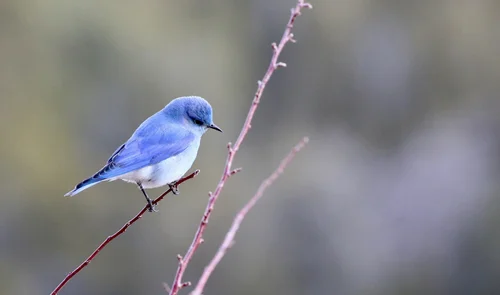
Credit: bluebirdtrails.org
Conservation Status And Efforts
The mountain bluebird is a bright and beautiful bird found in western North America. Its population has faced challenges over the years. Protecting this bird helps keep the natural balance.
Understanding its population trends, threats, and how we can help is important for conservation efforts. These efforts support the mountain bluebird's survival and growth.
Population Trends
Mountain bluebird numbers have changed over time. In some areas, their population has grown. In others, it has dropped. Monitoring these trends helps scientists plan protection.
| Year | Estimated Population |
| 2000 | 1,200,000 |
| 2010 | 1,000,000 |
| 2020 | 950,000 |
| 2024 | 980,000 |
Threats To Habitat
Mountain bluebirds need open spaces and old trees to live and nest. Their habitats face threats that reduce safe areas for them.
- Loss of nesting sites due to logging and land development
- Use of pesticides that reduce insect food supply
- Competition from invasive bird species
- Climate changes affecting habitat quality
How Birdwatchers Can Help
Birdwatchers play a key role in helping mountain bluebirds. Their actions can support bird survival and spread awareness.
- Report bluebird sightings to local wildlife groups
- Install and maintain bluebird nest boxes
- Avoid using harmful pesticides in gardens
- Support conservation projects and habitat restoration
- Educate others about mountain bluebird needs
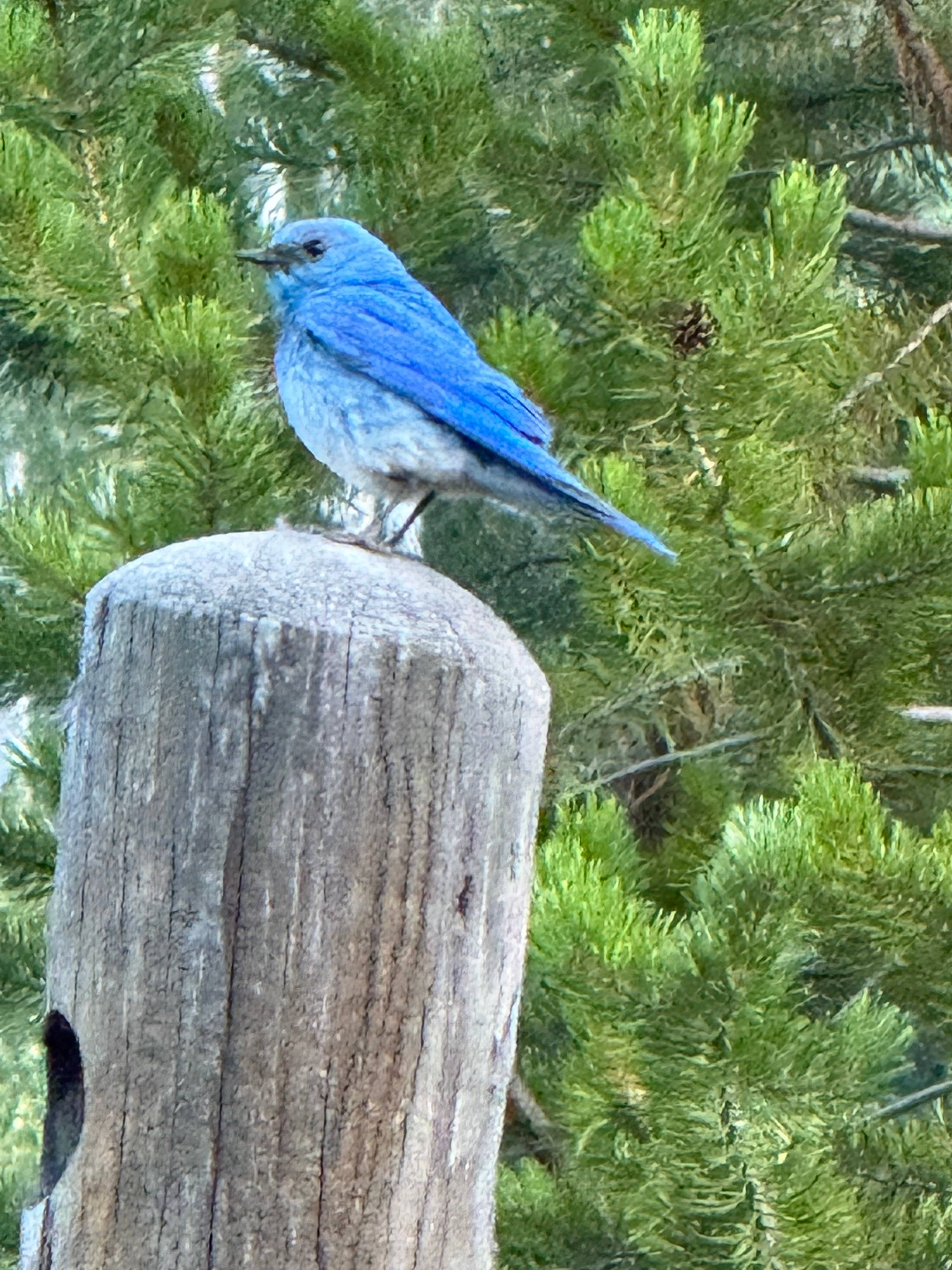
Credit: app.birda.org
Frequently Asked Questions
Where Can I Spot A Mountain Bluebird In The Wild?
Mountain Bluebirds are commonly found in open meadows and prairies. Look for them in western North America, especially in mountainous regions during spring and summer.
What Habitat Do Mountain Bluebirds Prefer?
They prefer open, grassy areas with sparse trees. They often nest in old woodpecker holes or birdhouses in these habitats.
When Is The Best Time To See Mountain Bluebirds?
Spring and early summer are ideal for spotting Mountain Bluebirds. This is their breeding season when they are most active and visible.
How Can I Attract Mountain Bluebirds To My Yard?
Install bluebird nest boxes and provide open spaces. Avoid using pesticides and offer fresh water to attract them.
Conclusion
Mountain Blue Birds live mostly in open forests and mountain meadows. You can find them near streams and clearings. Early morning or late afternoon is the best time to spot them. Bring binoculars and move quietly to avoid scaring them away.
Watching these birds can bring calm and joy. Explore nature and enjoy their bright blue color. Remember to respect their habitat and keep a safe distance. Happy bird watching!