Are you thinking about feeding the birds in your yard but worried it might invite unwanted guests? You’re not alone.
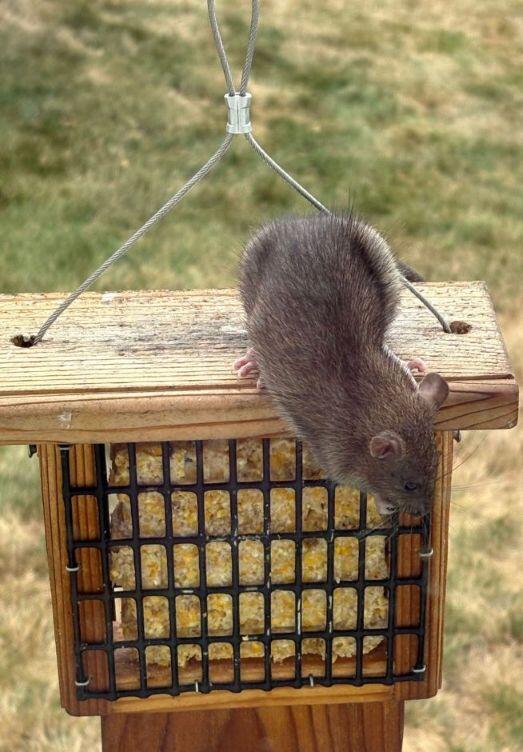
Many people wonder if putting out bird seed and nuts can actually attract rats. It’s a common concern because while you want to enjoy watching beautiful birds, you definitely don’t want to deal with pesky rodents. You’ll discover the truth behind this question and learn simple steps to keep your outdoor space safe and inviting for birds — without attracting rats.
Keep reading to protect your home and enjoy your feathered visitors worry-free.

Credit: www.providingisloving.co.uk
Bird Seed And Rats
Many people enjoy feeding birds in their yards. Bird seed and nuts attract birds, but they can also attract rats. Rats find these foods easy to eat and can become a problem.
Understanding which seeds attract rats and why rats visit bird feeders helps control their presence. This keeps both birds and homes safe.
Common Seeds That Attract Rats
Not all bird seeds attract rats equally. Some seeds have a high fat or sugar content that rats love. These seeds often spill around feeders, inviting rats.
- Sunflower seeds – high in fat and easy for rats to eat
- Peanuts – rich in protein and fat, very attractive to rats
- Millet – small and easy to collect from the ground
- Safflower seeds – sometimes eaten by rats despite being bitter to some birds
- Cracked corn – popular with many animals, including rats
Why Rats Are Drawn To Bird Feeders
Bird feeders provide a steady food source for rats. They find leftover seeds and nuts on the ground. This easy food attracts them close to homes.
Feeders also offer shelter and hiding spots. Rats feel safer near bushes or hanging feeders. This helps them stay hidden while eating.

Credit: www.youtube.com
Risks Of Feeding Birds Outdoors
Many people enjoy feeding birds outside. It can be fun to watch them eat. But putting out bird seed and nuts can cause problems.
Feeding birds may attract other animals, like rats. These animals can harm wildlife and cause health risks.
Unintended Consequences For Wildlife
Bird feeders can attract more than just birds. Rats and other pests come for the easy food. This can hurt local wildlife.
- Rats compete with birds for food
- Rats may eat bird eggs or young birds
- Feeding can cause crowded bird populations
- Some animals may become dependent on feeders
- Non-native species can be attracted, harming the ecosystem
Health Concerns Linked To Rats
Rats carry diseases that can spread to humans and pets. They leave droppings and urine near feeding spots.
| Health Risk | Description |
| Leptospirosis | Infection from rat urine contact |
| Salmonella | Bacterial illness from contaminated food |
| Hantavirus | Serious lung infection from rat droppings |
| Rat-bite Fever | Infection from bites or scratches |
| Allergies | Reaction to rat droppings and dander |
Preventing Rat Infestations
Putting out bird seed and nuts can attract rats. Rats look for easy food sources near homes.
Taking steps to prevent rats helps keep your yard safe and clean. You can enjoy feeding birds without pests.
Choosing The Right Bird Feeders
Pick bird feeders that reduce seed spillage. Spilled seeds on the ground attract rats and other pests.
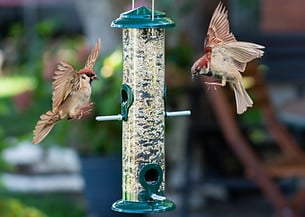
Feeders with trays or cages limit access to seeds. This helps keep seed off the ground and away from rats.
- Use feeders with seed catchers or trays
- Choose feeders with small openings for birds only
- Avoid tube feeders that drop seeds below
Proper Seed Storage Tips
Store bird seed in sealed containers indoors. Open bags left outside attract rats looking for food.
Keep seed containers off the ground. Use metal or thick plastic bins that rats cannot chew through.
- Use airtight containers for bird seed
- Keep seed inside a shed or garage
- Check seed containers regularly for holes
Maintaining Clean Feeding Areas
Clean up leftover seeds and hulls daily. Rats are attracted to spilled food and waste near feeders.
Remove feeders if rats become a problem. Clean the area with soap and water to remove smells.
- Sweep or rake seeds from the ground often
- Use bird feeders with easy-to-clean parts
- Store uneaten seed away at night
Alternative Feeding Strategies
Feeding birds with seeds and nuts can attract rats. These rodents often come for easy food. Changing how and what you feed birds helps reduce rats.
This guide shows seed types less attractive to rats. It also covers feeding times and methods that keep rats away.
Seed Types Less Attractive To Rats
Some seeds and nuts attract fewer rats. Choosing these can help protect your feeding area.
- Nyjer seed: Small and hard for rats to eat.
- Safflower seeds: Bitter taste deters rats but birds like them.
- Hulled sunflower seeds: Less shell waste reduces rat food.
- Millet: Small grains often eaten by birds, less favored by rats.
- Peanuts in shells: Hard shells slow rats down but birds can manage.
Feeding Times And Methods To Avoid Rats
Rats are mostly active at night. Feeding birds during the day lowers rat visits. Also, using proper feeders stops seeds from falling on the ground.
| Feeding Time | Reason |
| Morning | Birds eat during the day; rats less active |
| Midday | Less seed spillage; birds feed actively |
| Evening | Rats become active; avoid feeding now |
Use feeders that catch dropped seeds. Clean feeders and ground daily. This stops leftover food that attracts rats.
Natural Rat Deterrents
Putting out bird seed and nuts can attract rats. Rats like easy food sources near bird feeders. Using natural rat deterrents helps keep rats away.
Natural methods are safer for birds and pets. They also help protect your garden from rodent damage.
Plants That Repel Rats
Some plants have smells rats dislike. Planting these near feeders can reduce rat visits. Rats avoid strong scents and bitter tastes.
- Mint: Its strong smell keeps rats away.
- Lavender: Rats hate its scent and stay clear.
- Garlic: Smells strong and deters rodents.
- Onion: Rats avoid the sharp smell.
- Chili Peppers: The spicy smell and taste repel rats.
Safe Repellents Around Bird Feeders
Use natural repellents that do not harm birds or pets. These repellents make rats uncomfortable and stop them from coming near.
- Sprinkle cayenne pepper around the feeder area.
- Use peppermint oil on cotton balls near feeders.
- Place dried chili flakes under the seed trays.
- Scatter crushed garlic cloves around bird seed spots.
- Keep the area clean and remove spilled seeds daily.
Credit: www.mass.gov
Frequently Asked Questions
Does Bird Seed Attract Rats To My Yard?
Yes, bird seed can attract rats because it is a food source. Rats are drawn to easy access to nuts and seeds left on the ground.
How Can I Prevent Rats From Eating Bird Nuts?
Use squirrel-proof feeders and clean up spilled seeds regularly. Store bird food in sealed containers to limit rat access.
Are All Types Of Bird Food Equally Attractive To Rats?
No, seeds like sunflower and peanuts attract more rats. Small grains and cracked corn are less appealing to rodents.
Can Putting Out Bird Food Increase Rat Populations Nearby?
Yes, feeding birds can unintentionally boost rat numbers. Rats find abundant food, encouraging them to stay and breed in the area.
Conclusion
Attracting birds with seeds and nuts might invite rats too. Rats search for food. They find bird feeders irresistible. Keep feeders clean and use baffles. Store seeds in sealed containers. Consider motion lights or ultrasonic repellents. Natural deterrents work well.
Plant strong-scented herbs like mint. Check for rat signs regularly. Act quickly if you spot them. A balanced approach is key. Enjoy birds while managing potential risks. With care, you can maintain a rat-free yard.