Do you want to see more colorful birds visiting your garden? Imagine stepping outside and hearing cheerful bird songs every morning.
Attracting birds to your space isn’t just beautiful—it’s relaxing and rewarding. But how do you make your yard a favorite spot for these feathered friends? You’ll discover simple, effective tips that anyone can use to bring birds closer. Keep reading, and you’ll soon enjoy the magic of nature right at your doorstep.
Choose The Right Feeders
Choosing the right bird feeder helps attract more birds to your yard. Different birds prefer different feeder types. Feeding birds is easier when you use the right feeder.
Consider the kind of birds you want to attract and the food you offer. This guide will help you pick feeders and place them well.
Types Of Bird Feeders
Bird feeders come in many shapes and sizes. Each type suits different birds and foods.
- Tube Feeders:Hold seeds and attract small birds like finches and chickadees.
- Platform Feeders:Flat trays that attract many bird types. They are easy to clean.
- Suction Cup Feeders:Stick to windows for close-up bird watching. Best for small seeds.
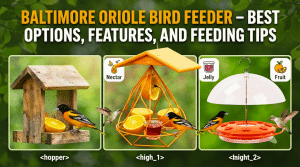
- Hopper Feeders:Store large amounts of seed and feed many birds at once.
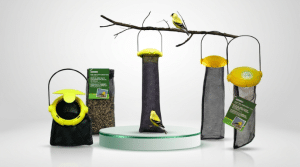
- Niger Seed Feeders:Designed for tiny nyjer seeds that attract goldfinches.
- Suet Feeders:Hold suet cakes that attract woodpeckers and nuthatches.
Placement Tips
| Placement Tip | Reason |
|---|---|
| Place feeders near trees or shrubs | Gives birds shelter and a place to perch. |
| Keep feeders at least 5 feet from windows | Reduces bird collisions with glass. |
| Mount feeders where cats cannot reach | Protects birds from predators. |
| Choose a visible spot | Helps you enjoy watching the birds. |
| Clean feeders regularly | Prevents disease among birds. |

Credit: lawnlove.com
Select Bird-friendly Plants
Choosing the right plants helps attract many types of birds to your garden. Birds need food, shelter, and places to nest.
Planting bird-friendly plants creates a welcoming space for birds all year round.
Native Flowers And Shrubs
Native plants provide natural food and shelter for local birds. They match the birds’ natural diet and environment.
- Milkweed: attracts butterflies and seeds for finches
- Black-eyed Susan: offers seeds and cover
- Serviceberry: produces berries loved by many birds
- Redbud: provides nectar and insects for birds
- Elderberry: offers fruit and dense branches for nests
Seasonal Planting Ideas
Plant different species to provide food in every season. This keeps birds visiting year-round.
| Season | Plant Types | Bird Benefits |
|---|---|---|
| Spring | Flowering dogwood, Red maple | Nectar, insects, early cover |
| Summer | Sunflowers, Coneflowers | Seeds, insects, shelter |
| Fall | Sumac, Viburnum | Fruits, seeds, nesting material |
| Winter | Holly, Juniper | Berries, shelter from cold |
Provide Fresh Water Sources
Birds need fresh water to drink and bathe. Clean water helps keep them healthy.
Offering water in your yard attracts many bird species. They will visit often if water is available.
Birdbaths And Ponds
Birdbaths and ponds are great ways to provide water. A shallow birdbath lets birds easily drink and bathe.
- Choose a birdbath with a rough surface to prevent slipping.
- Place birdbaths in a shady spot to keep water cool.
- Use a small pond to attract water-loving birds like ducks.
- Keep water shallow, about 1 to 2 inches deep for safety.
Maintaining Clean Water
Clean water is important to prevent disease. Dirty water can harm birds and keep them away.
| Tip | How to Do It |
| Change water often | Replace water every 2 days |
| Clean regularly | Scrub birdbaths weekly with brush |
| Remove debris | Clear leaves and dirt daily |
| Use fresh water | Fill with fresh tap or rainwater |
Create Shelter And Nesting Spots
Birds need safe places to rest and build nests. Providing shelter helps attract more birds to your yard.
Good shelter protects birds from bad weather and predators. It also gives them a quiet place to raise their young.
Natural Cover
Planting trees and shrubs creates natural cover for birds. Dense bushes and tall trees offer hiding spots and protection.
Native plants are best because local birds know them well. They also provide food like berries and seeds.
- Choose a mix of evergreen and deciduous plants
- Include thorny bushes to keep predators away
- Plant close to water sources if possible
- Leave some leaf litter and dead wood for insects
Installing Nest Boxes
Nest boxes give birds extra places to build nests. Different birds need different box sizes and shapes.
Place boxes where birds can find them easily. Keep boxes clean and safe from predators for best results.
- Use untreated wood to build nest boxes
- Mount boxes 5 to 10 feet above ground
- Face entrances away from strong wind and direct sun
- Check and clean boxes after each breeding season
Avoid Harmful Chemicals
Using harmful chemicals in your garden can scare away birds. These substances can also hurt them and other wildlife.
Choosing safer options helps create a healthy space for birds to visit and thrive.
Pesticide Alternatives
Try natural ways to keep pests away without using chemicals. These methods protect birds and your plants.
- Use neem oil or insecticidal soap to control insects.
- Encourage beneficial insects like ladybugs to eat pests.
- Plant herbs like basil and mint to repel bugs.
- Handpick pests off plants to reduce their numbers.
- Set up physical barriers like nets or collars around plants.
Safe Garden Practices
Follow simple garden rules to keep birds safe and healthy while caring for plants.
| Practice | Benefit for Birds |
|---|---|
| Water plants early in the morning | Prevents mold and keeps water fresh for birds |
| Remove weeds by hand | Avoids chemical use and keeps habitat clean |
| Use mulch to keep soil moist | Supports insects birds eat without chemicals |
| Plant native flowers and shrubs | Provides natural food and shelter |
| Keep bird feeders clean and away from pesticides | Reduces risk of poisoning |

Credit: www.birdsandblooms.com
Offer Supplemental Food
Providing extra food helps attract more birds to your yard. It supports them when natural food is scarce.
Choose foods that suit the types of birds you want to see. Keep feeding areas clean and safe.
Best Bird Seeds
Different birds like different seeds. Offering a variety attracts a wider range of birds.
- Black oil sunflower seeds attract many songbirds.
- Millet is good for ground-feeding birds like sparrows.
- Nyjer seeds bring finches and siskins.
- Cracked corn appeals to larger birds like doves.
- Safflower seeds keep away squirrels but attract cardinals.
Seasonal Treats
| Treat | Best Season | Bird Types |
| Suet cakes | Winter | Woodpeckers, nuthatches |
| Fruit slices | Summer, Fall | Orioles, thrushes |
| Mealworms | Spring | Bluebirds, wrens |
| Peanut halves | All year | Jays, titmice |
Keep Feeders And Water Clean
Bird feeders and water sources attract many birds. Cleanliness is key to keeping them safe and healthy.
Dirty feeders can spread germs and scare birds away. Regular cleaning helps maintain a safe environment.
Cleaning Frequency
Clean feeders and water dishes often to prevent mold and bacteria build-up. This keeps birds coming back.
- Wash feeders every two weeks in normal weather
- Clean feeders weekly in wet or humid weather
- Change birdbath water daily to keep it fresh
- Use warm water and mild soap for cleaning
- Rinse thoroughly to remove soap residue
Preventing Disease
Diseases spread quickly among birds if feeders and water are dirty. Cleaning lowers this risk.
| Common Disease | Cause | Prevention |
| Salmonella | Dirty feeders | Clean feeders often |
| Avian Pox | Contaminated water | Change water daily |
| Canker | Shared feeders | Disinfect feeders regularly |

Credit: www.yahoo.com
Create A Bird-friendly Environment
Creating a bird-friendly environment helps attract many bird species to your yard. Birds need safe spaces with food, water, and shelter.
By making simple changes, you can support birds and enjoy watching them every day.
Minimize Noise And Disturbance
Birds feel scared by loud noises and sudden movements. Keep your yard quiet to help birds feel safe.
Avoid using loud machines near bird areas. Limit foot traffic close to bird feeders and nests.
- Turn off loud music or radios outside
- Move quietly near bird feeding spots
- Keep pets away from bird areas
- Choose calm times for yard work
Encourage Natural Behaviors
Birds like to behave naturally by foraging, nesting, and bathing. Provide elements that support these activities.
Use native plants, fresh water, and natural materials to invite birds to explore and stay.
- Plant native trees and shrubs for food and shelter
- Offer clean water for drinking and bathing
- Place natural nesting materials nearby
- Allow leaf litter and dead wood for insects
Frequently Asked Questions
What Food Attracts The Most Birds To Your Garden?
Seeds like sunflower, millet, and nyjer attract many bird species. Fresh fruits and suet also lure different birds. Providing diverse food sources increases bird variety in your garden.
How Can I Create A Bird-friendly Habitat?
Plant native trees and shrubs for shelter and food. Include water sources like birdbaths and maintain a pesticide-free environment. This creates a safe, welcoming habitat for birds.
What Is The Best Type Of Bird Feeder To Use?
Tube feeders suit small songbirds, while platform feeders attract larger birds. Choose feeders that are easy to clean and refill. Placement in safe, visible areas improves bird visits.
How Do I Keep Birds Safe From Predators?
Place feeders away from windows and hide them near shrubs. Use baffles on poles to deter cats and squirrels. Regularly clean feeding areas to reduce disease risks.
Conclusion
Attracting birds to your garden brings joy and life. Use feeders filled with seeds to draw them in. Plant native flowers for natural food. Fresh water sources can be a magnet. Trees and shrubs offer shelter and nesting spots. Reduce pesticide use to keep them safe.
Be patient; birds take time to discover new spaces. Watch quietly, and enjoy their colorful presence. Each visit enriches your outdoor experience. Small steps make a big difference in welcoming these feathered friends. Happy birdwatching!