Have you ever wished to bring more life and color to your garden? Bird nesting houses might be the simple touch your outdoor space needs.
They don’t just add charm—they invite nature closer, giving you a front-row seat to the daily wonders of bird life. Imagine watching tiny birds build their homes right outside your window. You’ll discover why bird nesting houses matter, how to choose the best ones, and easy tips to attract feathered friends to your yard.
Ready to create a lively, buzzing haven? Let’s dive in!
Benefits Of Bird Nesting Houses
Bird nesting houses offer a safe place for birds to live and raise their young. They help birds find shelter from weather and predators.
Installing birdhouses in your garden brings many benefits to the environment and your outdoor space.
Supporting Local Wildlife
Bird nesting houses provide a refuge for local bird species. They help birds survive and breed safely in urban and rural areas.
- Protect birds from harsh weather conditions
- Offer shelter from predators like cats and larger birds
- Help birds find a safe place to raise chicks
- Support species that struggle to find natural nesting spots
Enhancing Garden Beauty
Birdhouses add charm and character to gardens and backyards. They invite colorful and lively birds to visit your space.
- Attract bright birds that bring color and movement
- Create natural sounds with birdsong all day
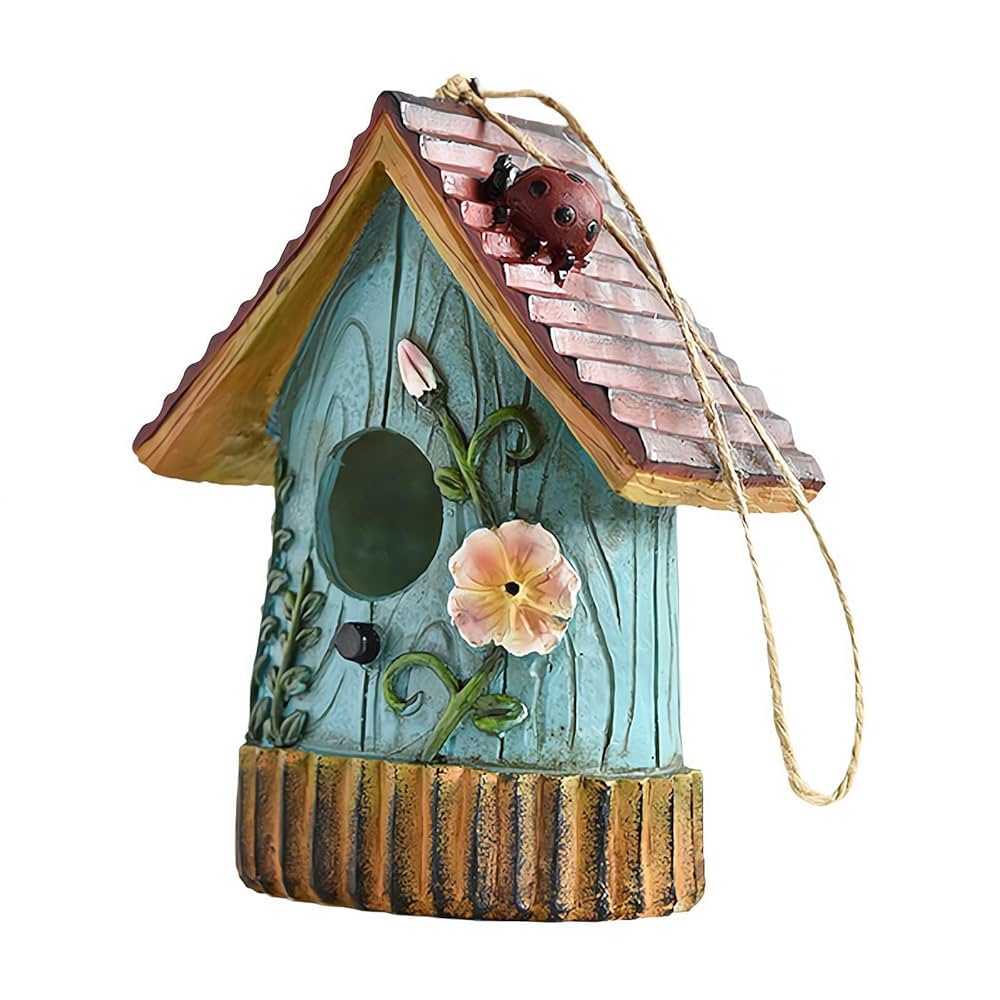
- Add a rustic or decorative look with different birdhouse designs
Promoting Biodiversity
Bird nesting houses support many kinds of birds. They help keep the balance of local ecosystems.
| Benefit | Impact |
| Increases bird population | More birds help control insects |
| Supports pollinators | Birds spread pollen to plants |
| Encourages seed dispersal | Plants grow in new areas |
| Maintains natural food chains | Balances predator and prey species |

Credit: www.ebay.ca
Choosing The Right Nesting House
Bird nesting houses provide safe spaces for birds to raise their young. Choosing the right house helps attract more birds to your garden.
Consider materials, size, design, and placement to create a welcoming home for birds.
Materials That Work Best
Wood is the best material for birdhouses. It keeps the inside cool in summer and warm in winter. Avoid using metal or plastic, as they can get too hot or cold.
- Cedar wood resists rot and insects
- Pine wood is affordable and easy to find
- Avoid treated wood with harmful chemicals
- Natural finishes are safer than paints or stains
Size And Design Considerations
| Bird Species | Entrance Hole Diameter | Floor Size (inches) | Height (inches) |
| Chickadee | 1 1/8″ | 4 x 4 | 8-10 |
| Bluebird | 1 1/2″ | 5 x 5 | 9-12 |
| Nuthatch | 1 1/4″ | 4 x 4 | 8-10 |
Make sure the house has good ventilation and drainage holes. The roof should be slanted to keep rain out. A cleanable side panel helps with yearly maintenance.
Placement Tips For Maximum Attraction
- Place houses 5 to 10 feet above the ground
- Face the entrance away from prevailing winds
- Mount on trees or poles, not buildings
- Keep the area free of dense shrubs nearby
- Ensure the site is safe from predators like cats
Check your birdhouse regularly to remove old nests and keep it clean. This helps encourage birds to return each season.
Types Of Bird Nesting Houses
Bird nesting houses provide safe places for birds to lay eggs. Different types suit different birds and environments.
Choosing the right nesting house helps birds feel secure and grow their families.
Wooden Nesting Boxes
Wooden nesting boxes are popular and natural. They keep birds warm and dry during nesting.
These boxes are easy to build and can fit many bird species.
- Made from untreated wood to avoid chemicals
- Have small entrance holes for safety
- Include ventilation and drainage holes
Recycled Material Houses
Recycled houses use old materials like plastic or metal. They help reduce waste and protect birds.
These houses can last long but must be safe and non-toxic for birds.
- Made from recycled plastics or metals
- Lightweight and weather-resistant
- Often designed with eco-friendly ideas
Specialized Houses For Different Species
Different birds need different homes. Specialized houses fit the size and habits of each species.
These houses help birds feel safe and encourage nesting in your garden.
- Small houses for wrens and chickadees
- Larger boxes for bluebirds and woodpeckers
- Open-front houses for robins and swallows

Credit: www.amazon.ca
Installation And Maintenance
Bird nesting houses provide a safe place for birds to raise their young. Proper installation and care help keep these houses inviting and durable.
This guide covers where to place your birdhouse, how to clean it, and seasonal tips to keep it in good shape all year round.
Ideal Locations In Your Yard
Choose a quiet spot away from heavy foot traffic and predators. The location should offer some shelter from harsh weather.
- Mount the birdhouse 5 to 10 feet above the ground.
- Face the entrance away from prevailing winds.
- Place near trees or shrubs for cover but not too close to prevent predators.
- Avoid areas with direct afternoon sunlight to keep it cool.
Cleaning And Upkeep
Regular cleaning helps prevent parasites and diseases. Remove old nesting materials after each breeding season.
| Task | Frequency |
| Remove old nests | Once a year, after breeding season |
| Wash inside with mild bleach solution | Once a year |
| Check for damage and repair | Twice a year |
| Clear entrance hole | As needed |
Seasonal Care Tips
Adjust your care routine with the seasons to protect the birdhouse and its inhabitants.
- In spring, make sure the house is clean and ready for new tenants.
- During summer, check for overheating and provide shade if needed.
- In fall, remove any remaining nests and clean the house thoroughly.
- Winter care includes securing the house against wind and heavy snow.
Attracting Birds Quickly
Bird nesting houses help bring birds to your yard fast. Birds look for safe places to build nests. Providing the right home can attract them quickly.
Choosing the right spot and adding helpful features will invite birds. Small changes make a big difference in how soon birds arrive.
Using Bird Feeders And Water Sources
Birds need food and water near their homes. Adding feeders and water makes your yard more inviting. Fresh water is especially important during dry seasons.
Place feeders and birdbaths close to nesting houses. This helps birds find everything they need in one place. Keep feeders clean to avoid diseases.
- Use seed types that local birds like
- Keep water fresh and clean daily
- Place feeders in safe, quiet spots
- Fill birdbaths with shallow water
Creating A Bird-friendly Environment
Birds prefer areas with plants and shelter. Trees and shrubs near nesting houses offer protection. A mix of native plants attracts more birds.
Leave some natural debris like leaves or twigs. Birds use these materials for building nests. Avoid using chemicals that can harm birds.
- Plant native flowers and bushes
- Provide shrubs for cover and rest
- Keep some leaf litter for nest materials
- Avoid pesticides and herbicides
Avoiding Common Mistakes
Some mistakes stop birds from nesting fast. Placing houses in noisy or busy areas scares birds away. Too much sunlight or wind can make nests unsafe.
Keep houses clean and check for predators. Using the wrong size entrance hole lets in unwanted animals. Avoid placing houses too low to the ground.
- Place houses in quiet, shaded spots
- Use correct entrance hole size for target birds
- Clean houses yearly to prevent disease
- Mount houses at least 5 feet above ground
- Check for cats or squirrels nearby
Common Bird Species And Their Preferences
Bird nesting houses help birds find safe places to raise their young. Different bird species prefer different types of houses.
Knowing what each bird likes can help you build or buy the right nesting house. This attracts more birds to your garden or yard.
Songbirds
Songbirds like small to medium-sized nesting houses. They prefer quiet, sheltered spots near trees or bushes.
Houses with a small entrance hole keep predators away. Songbirds such as chickadees, bluebirds, and sparrows enjoy these homes.
- Entrance hole size: 1 to 1.5 inches
- House size: 6 to 8 inches wide and tall
- Placement: 5 to 10 feet off the ground
Woodpeckers
Woodpeckers need larger nesting houses. They like tall boxes with a bigger entrance hole.
These birds prefer houses placed on trees or poles. The entrance should be high to protect them from predators.
- Entrance hole size: 2 to 3 inches
- House size: 8 to 12 inches wide and tall
- Placement: 10 to 20 feet above ground
Swallows And Wrens
Swallows like open-front boxes or nests under eaves. Wrens prefer small houses with a tiny entrance.
Both birds like houses placed in sunny spots. They also want shelter from strong wind and rain.
- Swallows: Open-front, mounted 6 to 15 feet high
- Wrens: Entrance hole about 1 inch, 5 to 10 feet high
- Location: Near open areas or gardens
Protecting Nesting Houses From Predators
Bird nesting houses provide safe places for birds to raise their young. Predators can threaten these nests. Protecting nesting houses helps birds stay safe.
Simple actions can stop predators from reaching the nests. Using the right tools and placement keeps birds secure.
Predator Guards
Predator guards block animals like raccoons, snakes, and cats. These guards fit around the nesting house or pole.
Common types include metal baffles, plastic collars, and slippery cones. They stop predators from climbing or grabbing the nest.
- Metal baffles are strong and hard to damage
- Plastic collars prevent climbing by making surfaces smooth
- Cones block animals from getting a grip
- Make sure guards are tight and cover the whole pole
Safe Placement Strategies
Where you place a nesting house affects its safety. Put nests away from trees or fences where predators can jump.
Mount houses high, at least 6 feet off the ground. Use smooth poles that are hard to climb. Avoid placing near bird feeders or pet areas.
- Place nests 6 to 10 feet high on smooth poles
- Keep nests 10 feet away from branches and fences
- Use metal or plastic poles instead of wood
- Clear brush and debris around the base

Credit: www.amazon.ca
Frequently Asked Questions
What Are The Best Materials For Bird Nesting Houses?
Wood is the best material for bird nesting houses. It provides natural insulation and durability. Avoid treated wood or metal, as they can harm birds. Cedar and pine are popular choices. Using breathable materials helps maintain a healthy environment inside the house.
How Do I Choose The Right Size For A Birdhouse?
Choose birdhouse size based on the bird species you want to attract. Small birds need smaller entrances and houses. Larger birds require bigger spaces. Research local bird species for accurate dimensions. Correct sizing prevents predators from entering and ensures birds feel safe.
Where Should I Place Bird Nesting Houses Outdoors?
Place birdhouses 5 to 10 feet above the ground. Mount them on poles or trees, away from predators. Choose locations with some shade and protection from wind. Avoid placing near feeders to reduce competition. Proper placement increases the chances of birds nesting successfully.
How Often Should Bird Nesting Houses Be Cleaned?
Clean birdhouses at least once a year, preferably in late fall. Remove old nesting materials to prevent parasites and disease. Use a mild bleach solution to disinfect, then rinse and dry thoroughly. Regular cleaning promotes a safe and healthy nesting environment for birds.
Conclusion
Bird nesting houses offer birds a safe place to live. They attract various bird species to your garden. Installing one supports bird conservation efforts. Plus, watching birds is a calming experience. These houses require little maintenance. Choose the right size and location for best results.
Enjoy the beauty and sound of birds at home. Bird nesting houses truly enhance your outdoor space. They are a small step towards nature conservation. Investing in one is both rewarding and educational. Experience the joy of birdwatching today. Embrace nature and make a difference.