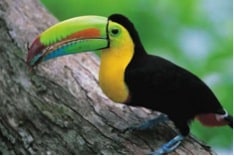
Have you ever wondered how birds manage to survive and thrive in so many different places? From freezing mountains to scorching deserts, birds find ways to live comfortably.
But how do they do it? Understanding how a bird adapts to its environment will surprise you and change the way you see these amazing creatures. Keep reading, and you’ll discover the clever tricks birds use to stay alive and why these adaptations matter to you too.
Physical Adaptations
Birds have physical features that help them live well in their homes. These features are called adaptations.
Physical adaptations help birds find food, stay safe, and move easily.
Beak Shapes And Functions
Birds have different beak shapes. Each shape helps with certain foods or tasks.
For example, sharp beaks cut meat. Long beaks reach inside flowers for nectar.
- Hooked beaks help birds eat meat
- Long, thin beaks help gather nectar
- Strong, thick beaks crack seeds
- Flat beaks help catch fish
Feather Types And Benefits
Birds have many feather types. Each type has a special job.
Some feathers help birds fly. Others keep birds warm or dry.
- Flight feathers are strong and stiff
- Down feathers keep birds warm
- Contour feathers shape the bird’s body
- Waterproof feathers keep birds dry
Camouflage And Coloration
Bird colors help them hide from predators or attract mates.
Some birds blend into trees or ground. Others have bright colors to show strength.
- Brown and green colors help birds hide
- Bright feathers attract mates
- Patterns break up the bird’s shape
- Colors can warn predators to stay away
Body Size And Shape
Body size and shape help birds move and survive in their homes.
Small bodies help birds hide. Large bodies store energy and help long flights.
- Thin bodies help fast flying
- Round bodies keep warmth
- Strong legs help birds run or jump
- Long wings help soar in the sky
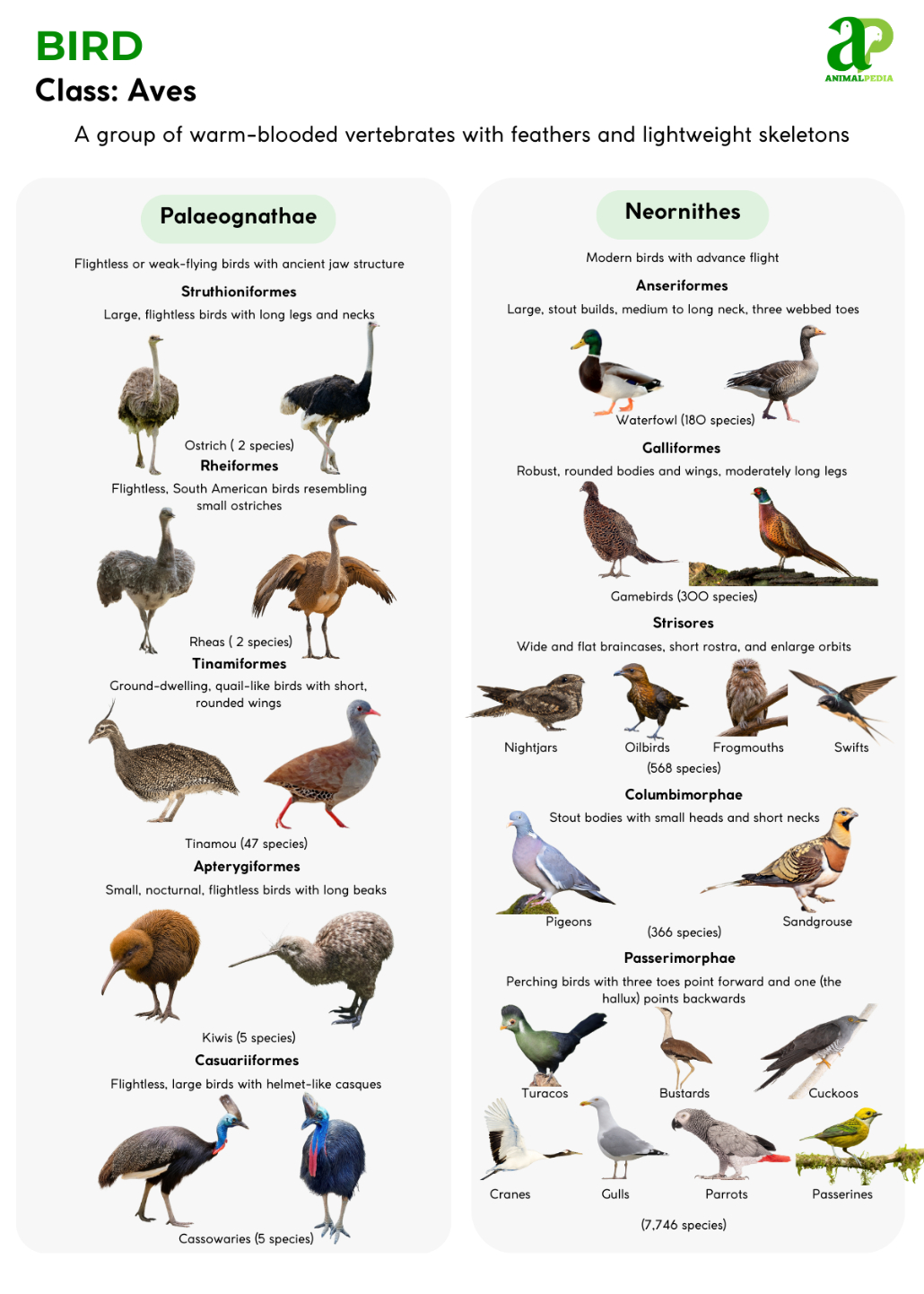
Credit: animal-pedia.org
Behavioral Adaptations
Birds change their behavior to survive in different environments. These changes help them find food, protect their young, and live in groups. Behavioral adaptations are important for their daily life and survival.
We will look at four key types of behavioral adaptations in birds. These are migration patterns, nesting habits, feeding strategies, and social behavior and communication.
Migration Patterns
Many birds fly long distances to find better weather and food. This is called migration. Birds use the sun, stars, and Earth’s magnetic field to guide them. Migration helps them survive cold winters and find places to breed.
Nesting Habits
Birds build nests to keep their eggs safe and warm. Different birds choose different places for nests. Some build in trees, others in caves or on the ground. Nesting habits protect the young from predators and bad weather.
Feeding Strategies
- Some birds catch insects in the air.
- Others use their beaks to crack seeds.
- Many birds fish in water using sharp beaks.
- Some feed on nectar from flowers.
- Scavenger birds eat dead animals to survive.
Birds adapt their feeding habits to the food available in their environment. This helps them get enough energy to live and raise chicks.
Social Behavior And Communication
| Behavior | Purpose |
| Calling and singing | To attract mates and mark territory |
| Flocking | To protect from predators and find food |
| Preening | To keep feathers clean and strong |
| Alarm calls | To warn others of danger |
Birds use sounds and movements to talk with each other. These behaviors help them stay safe and work together in groups.
Environmental Challenges
Birds live in many places with different conditions. They face many challenges to survive.
To live well, birds must change their behavior and bodies. These changes help them stay alive.
Adapting To Climate Variations
Birds live in hot, cold, dry, or wet places. They change their feathers or body size to fit the climate.
Some birds migrate to warmer places in winter. Others grow thicker feathers to stay warm.
Surviving Predators
Birds must avoid animals that want to eat them. They use camouflage or fly fast to escape.
Some birds build nests in hidden places. Others use loud calls to warn nearby birds.
- Camouflage colors blend with the environment
- Quick flying helps avoid danger
- Loud calls alert other birds
- Hidden nests protect eggs and chicks
Finding Food In Scarce Conditions
Food is not always easy to find. Birds change their diet or search in new places.
Some birds eat seeds, insects, or small animals depending on what is available.
- Eat different types of food
- Search in many places for food
- Store food for later use
- Hunt at different times of day
Coping With Human Impact
Humans change nature by building cities and cutting trees. Birds learn to live near people.
Some birds use man-made places for nests. Others find food in gardens or parks.
- Use buildings and bridges for nests
- Eat food from gardens and trash
- Avoid busy and noisy places
- Adapt to new environments quickly

Credit: birdaware.org
Case Studies Of Unique Adaptations
Birds have many ways to live well in their homes. Their bodies and habits change to fit where they live. These changes help them find food, stay safe, and survive tough weather.
Here are some examples of birds with special skills that help them live better in different places. Each bird shows a unique way to adapt to its environment.
Hummingbirds And Hovering
Hummingbirds can stay still in the air by moving their wings very fast. This helps them drink nectar from flowers. Their small size and strong muscles make hovering easy. They also have long beaks to reach deep inside flowers.
Owls And Silent Flight
Owls fly quietly to catch prey without being heard. Special feathers reduce noise by softening the air around their wings. Their wide wings help them glide smoothly. This silent flight gives owls a big hunting advantage at night.
- Soft feather edges break sound waves
- Wide wings allow slow, smooth flight
- Strong legs and sharp talons catch prey silently
Penguins And Cold Resistance
Penguins live in very cold places. They have thick feathers and a layer of fat to keep warm. Their black and white colors help with heat absorption and camouflage. Penguins also huddle together to share body heat during storms.
| Adaptation | Purpose |
| Thick feathers | Keep body warm |
| Fat layer | Insulation against cold |
| Huddling behavior | Share warmth in groups |
| Black and white colors | Absorb heat and hide from predators |
Desert Birds And Water Conservation
Desert birds survive with little water. They get moisture from food like insects and plants. Their bodies save water by making very concentrated urine. Many are active during cooler parts of the day to avoid heat.
- Extract water from food
- Produce dry urine to reduce water loss
- Limit activity during hottest hours
- Use shade and burrows to stay cool

Credit: phys.org
Frequently Asked Questions
How Do Birds Adapt To Different Climates?
Birds adapt through physical traits like feather type and behavioral changes such as migration. These help them maintain body heat or stay cool in varying climates.
What Role Do Beaks Play In Bird Adaptation?
Beak shape evolves to fit diet needs. For instance, sharp beaks help birds catch insects, while broad beaks aid in seed eating.
How Do Birds Use Camouflage For Survival?
Birds blend into their environment using feather colors and patterns. This camouflage protects them from predators and helps in hunting prey.
Why Is Migration Important For Bird Adaptation?
Migration allows birds to exploit seasonal resources and avoid harsh weather. It improves survival by moving to favorable environments during different times of the year.
Conclusion
Birds thrive by adapting to their surroundings. They change their behavior and bodies. Different beaks help them find food. Feathers can keep them warm or cool. Migration helps them escape harsh climates. Each bird species adapts in unique ways. They find ways to survive and thrive.
Understanding bird adaptation helps us appreciate nature. It shows how life evolves over time. Birds teach us about resilience. Their adaptations inspire us to protect their habitats. We can learn much from observing birds. Their survival strategies are fascinating and complex.
Nature’s wonders never cease to amaze.