Have you ever wondered if birds will actually eat the grains you put out for them? If you’re trying to attract more feathered friends to your garden or backyard, knowing what they like to eat is key.
Understanding whether birds eat grains can help you choose the right seeds and create the perfect feeding spot. Keep reading, and you’ll discover surprising facts that could change the way you feed birds forever. Your birds—and your garden—will thank you!

Credit: pdsparrotshop.com
Birds And Their Diets
Birds eat many kinds of food depending on their type and habitat. Their diets include seeds, insects, fruits, and sometimes small animals.
Understanding what birds eat helps us support them better in gardens and wild areas. Many birds enjoy grains as part of their meals.
Common Foods Birds Eat
Birds eat different foods to get the energy and nutrients they need. Some birds eat mostly seeds and grains, while others eat insects or fruit.
Here are some common foods birds like to eat:
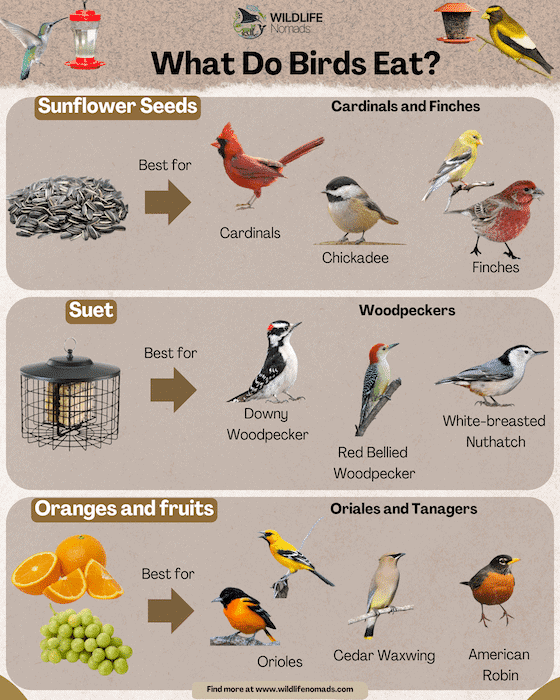
- Seeds like sunflower or millet
- Fruits such as berries and apples
- Insects including beetles and caterpillars
- Nectar from flowers
- Small animals like worms or fish
Grains As A Food Source
Many birds eat grains because they provide a good amount of energy. Grains are small and easy for birds to find and eat.
Common grains birds eat include corn, wheat, oats, and barley. These grains help birds stay healthy and active.
- Corn: Large birds like pigeons and doves enjoy it.
- Wheat: Used by many wild birds for food.
- Oats: Eaten by sparrows and finches.
- Barley: A good energy source for ground-feeding birds.
Types Of Grains Birds Prefer
Birds enjoy a variety of grains as part of their diet. Different species have different preferences depending on their natural habitat and dietary needs. Knowing which grains birds prefer helps in feeding them properly.
Grains provide essential nutrients and energy. They are a good source of carbohydrates and some proteins. Let’s explore the differences between seeds and grains and which types wild and pet birds like.
Seeds Vs. Grains
Seeds and grains often get mixed up, but they are not the same. Seeds come from flowering plants and contain embryos for new plants. Grains are types of seeds from grasses like wheat and corn.
- Seeds include sunflower, safflower, and millet.
- Grains include corn, oats, barley, and wheat.
- Seeds tend to be smaller and oily.
- Grains are usually larger and starchier.
Popular Grains For Wild Birds
Wild birds often eat grains found in nature or offered at feeders. Some grains attract many types of birds because they are easy to digest and tasty.
| Grain | Bird Types | Notes |
|---|---|---|
| Millet | Finches, Sparrows, Doves | Small and easy to eat |
| Cracked Corn | Ducks, Pigeons, Jays | High energy, popular in winter |
| Sorghum | Quail, Doves, Pheasants | Rich in nutrients |
| Oats | Robins, Thrushes | Whole or rolled form |
Grains For Pet Birds
Pet birds have special dietary needs. Owners should provide grains that suit their species and health. Some grains are more common in pet bird mixes.
- Millet sprays are favorites for small parrots and finches.
- Whole oats provide fiber and energy.
- Barley is good for larger parrots but should be cooked sometimes.
- Quinoa is gaining popularity as a nutritious grain option.
Why Birds Choose Grains
Birds eat grains because they provide easy energy and nutrients. Grains are a common food source in many environments.
Birds find grains in fields, gardens, and bird feeders. These foods help them stay healthy and active.
Nutritional Benefits
Grains offer birds carbohydrates, which give quick energy. They also contain proteins and fats for growth and warmth.
Vitamins and minerals in grains support birds’ health. These nutrients help with feathers, bones, and overall strength.
- Carbohydrates provide energy
- Proteins help build muscles
- Fats store energy and keep warm
- Vitamins and minerals support health
Seasonal Availability
Grains are more available during harvest seasons. Birds eat more grains in fall and winter to store energy.
In spring and summer, grains may be less common. Birds may switch to insects or fruits during these times.
- Fall and winter: grains are plentiful
- Spring and summer: grains are less common
- Birds adapt their diet by season
Feeding Behavior
Birds pick grains from the ground or plants. They use their beaks to crack open hard shells.
Many birds feed in flocks to find grain patches. Feeding together helps them stay safe from predators.
- Pick grains from ground or plants
- Use beaks to open grain shells
- Feed in groups for safety
Grains Birds Avoid
Birds eat many types of grains, but some grains they avoid. These grains may be harmful or offer little nutrition.
Knowing which grains birds avoid helps you feed them safely and keep them healthy.
Toxic Or Harmful Grains
Some grains contain substances that can harm birds. Birds avoid these grains to stay safe.
Examples of harmful grains include raw kidney beans and moldy corn. These can cause sickness or worse.
- Raw kidney beans contain a toxin called lectin
- Moldy corn has harmful fungi that produce mycotoxins
- Uncooked or spoiled grains may upset bird digestion
- Some wild grains have natural chemicals birds dislike
Grains With Low Nutritional Value
Birds avoid grains that have little energy or nutrients. These grains do not help birds grow strong.
Low-quality grains include highly processed grains and old, dry grains. Birds prefer fresh and whole grains.
- Highly processed grains lack fiber and vitamins
- Old grains lose nutrients over time
- Dry grains may be too hard for birds to eat
- Birds choose grains that provide energy and nutrition
Feeding Birds With Grains Safely
Many birds enjoy eating grains as part of their diet. Grains provide energy and nutrients that help birds stay healthy. Feeding birds with grains can be safe if done correctly.
It is important to know how to feed grains safely to avoid harming the birds or attracting pests. Use proper methods to keep birds safe and happy.
Best Practices For Feeding
Choose clean, dry grains such as corn, wheat, or oats for feeding birds. Avoid grains that are moldy or wet. Feed grains in small amounts to prevent waste and spoilage.
Place grains in a bird feeder or on a clean surface away from moisture. Change the grains daily to keep them fresh. Offer grains with other foods like seeds and fruits for a balanced diet.
- Use fresh, dry grains only
- Feed small amounts regularly
- Provide grains in clean feeders or trays
- Combine grains with other bird foods
Avoiding Common Mistakes
Do not feed birds moldy or spoiled grains. Mold can cause illness in birds. Avoid giving grains with salt, sugar, or seasoning.
Do not leave grains on the ground where they can get wet or attract pests. Avoid overfeeding grains to prevent birds from ignoring natural food sources.
- Never feed moldy or spoiled grains
- Avoid grains with additives or salt
- Do not leave grains on wet ground
- Do not overfeed grains
How To Store Grains
Store grains in airtight containers to keep them dry and fresh. Keep containers in a cool, dark place to prevent spoilage. Check grains regularly for signs of mold or insects.
Use stored grains within a few months to ensure quality. Avoid storing grains near strong odors that birds may find unpleasant.
- Use airtight containers for storage
- Store grains in a cool, dark place
- Inspect grains often for mold or pests
- Use grains within a few months
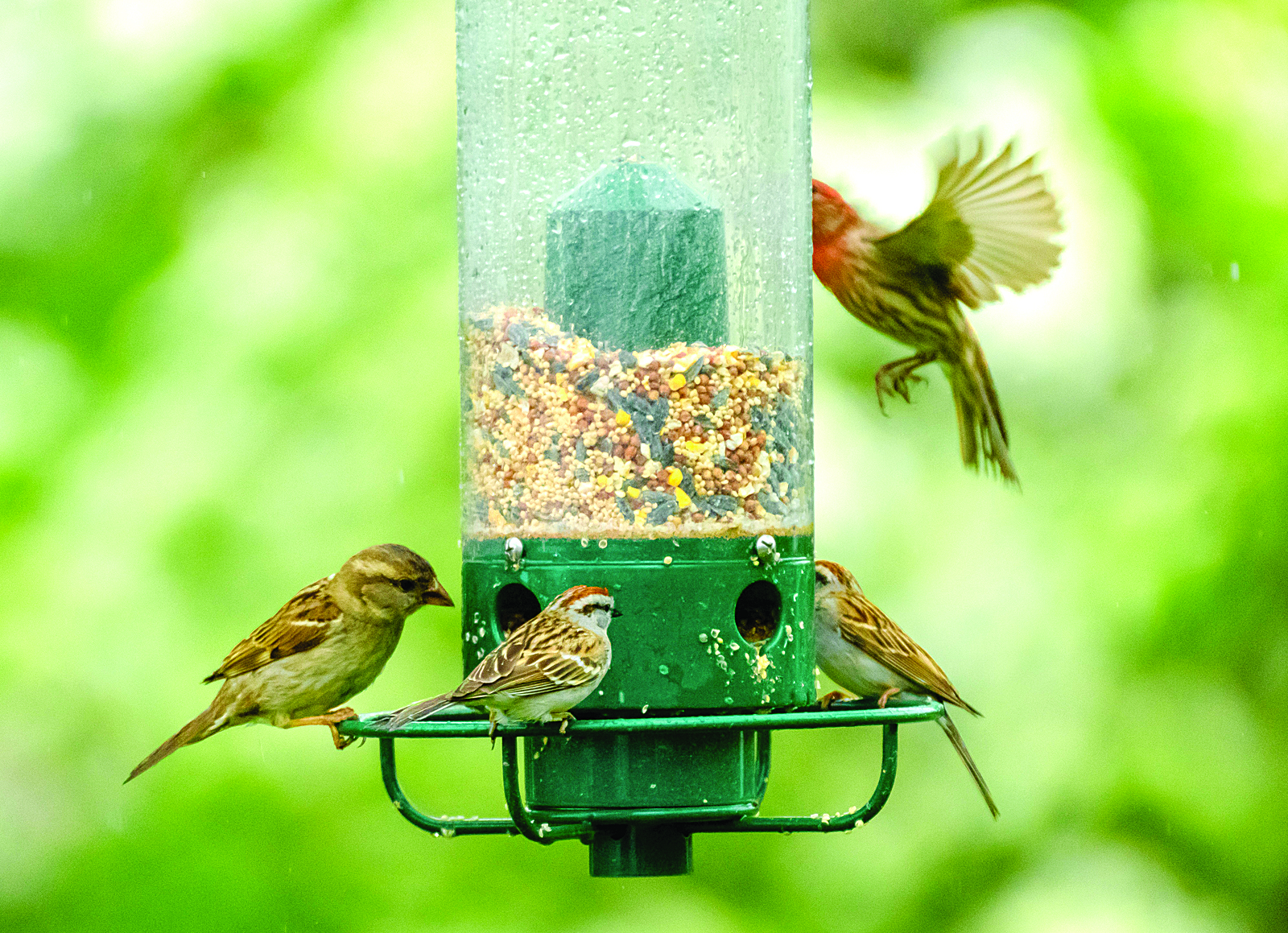
Credit: localgardener.net
Impact Of Grain Feeding On Bird Health
Birds often eat grains as part of their diet. Grains provide important nutrients and energy. Understanding how grains affect bird health is important for their care.
This article looks at the benefits and risks of feeding grains to birds. Knowing these helps keep birds healthy and strong.
Benefits For Growth And Energy
Grains are rich in carbohydrates, which give birds energy. Energy helps birds fly, forage, and stay active. Grains also contain protein that supports growth.
Feeding grains can help young birds grow faster. Adult birds also use grains to maintain their body condition. A balanced grain diet supports overall health.
- Carbohydrates provide quick energy
- Proteins help build muscles and feathers
- Grains supply vitamins like B-complex
- Minerals in grains aid bone strength
Risks Of Overfeeding Grains
Too much grain can cause health problems for birds. Overfeeding may lead to obesity and poor digestion. Birds may lack other nutrients if they eat only grains.
Excess grain intake can also cause vitamin imbalances. Some grains have hard shells that may be hard to digest. Feeding a variety of foods keeps birds healthy.
- Weight gain and obesity
- Digestive issues and discomfort
- Nutrient deficiencies
- Reduced intake of fruits and insects
Grain Feeding And Bird Behavior
Birds often eat grains, which can affect their behavior. Feeding grains can attract many types of birds to your yard. Understanding bird behavior helps you feed them in the best way.
Grain feeding also changes how birds act around each other. Watching these changes can teach us about their social habits and needs.
Attracting Different Species
Different bird species like different kinds of grains. Offering a variety can bring more birds to your feeder. Some common grains include millet, cracked corn, and sunflower seeds.
- Millet attracts small songbirds like sparrows and finches.
- Cracked corn is liked by larger birds such as doves and jays.
- Sunflower seeds are popular with many species, including cardinals and chickadees.
- Oats can bring ground-feeding birds like pigeons and quail.
Changes In Social Behavior
Feeding grains can change how birds behave socially. Some birds become more bold and gather in larger groups. Others may compete more for food or change their feeding times.
| Behavior | Effect of Grain Feeding |
| Group Size | Birds gather in bigger flocks near grain feeders |
| Competition | Increased fights or chasing to get food |
| Feeding Time | Birds may feed at different times to avoid crowds |
| Territoriality | Some species defend grain feeding spots more aggressively |

Credit: www.dreamstime.com
Alternatives To Grains For Birds
Many bird owners wonder if birds can eat grains or if there are better options. Birds need a balanced diet with nutrients from various sources. Grains are common but not the only choice.
This guide explores healthy alternatives to grains that birds enjoy. These choices support their well-being and add variety to their meals.
Fruits And Vegetables
Fruits and vegetables offer vitamins and minerals that birds need. They are easy to digest and come in many flavors and colors. Many birds like sweet fruits and crunchy vegetables.
- Apples (seedless pieces)
- Carrots (small slices)
- Blueberries
- Spinach leaves
- Peas
Always wash fruits and vegetables well. Avoid feeding citrus to some birds as it can upset their stomach.
Insects And Protein Sources
Protein is vital for birds, especially during growth or breeding. Insects are natural protein sources for many wild birds. Pet birds can benefit from safe, protein-rich foods.
| Protein Source | Description | How to Serve |
|---|---|---|
| Mealworms | High in protein and fat | Offer live or dried |
| Crickets | Good for active birds | Feed live or freeze-dried |
| Boiled Egg | Rich in protein and nutrients | Chop into small pieces |
| Cooked Lentils | Plant-based protein | Serve cooled and plain |
Frequently Asked Questions
Do Wild Birds Eat Grains Regularly?
Yes, many wild birds eat grains as a natural food source. Grains provide essential nutrients and energy for birds, especially during colder months when insects are scarce. Birds like sparrows, pigeons, and finches commonly consume grains in the wild.
Which Grains Are Best For Feeding Birds?
Birds prefer grains like millet, corn, wheat, and oats. These grains are easy to digest and high in nutrients. Offering a mix of grains attracts a variety of bird species to your feeder or garden.
Can Feeding Grains Harm Birds?
Feeding birds grains in moderation is safe and beneficial. However, moldy or spoiled grains can cause illness. Always provide fresh, clean grains to ensure birds stay healthy and thrive.
Why Do Some Birds Avoid Eating Grains?
Some birds avoid grains due to dietary preferences or availability of other food. Birds like hummingbirds prefer nectar, while others choose insects or fruits. Grain-eating habits vary by species and habitat.
Conclusion
Birds love grains. It’s a fact. They find them nutritious and tasty. Different birds enjoy different grains. Sparrows, pigeons, and doves are common grain lovers. Providing grains can attract birds to your garden. Make sure to choose the right type.
Whole grains are often best. They provide more nutrients. Avoid processed grains. Those might lack essential nutrients. Feeding birds helps them thrive. It also offers joy to the observer. Watch birds happily pecking at grains. It’s a simple pleasure. Grains serve as a vital food source.
For both wild and pet birds. So, next time, offer some grains. Enjoy the delightful bird visits.