If you love watching birds up close, choosing the right feeder can make all the difference. Different birds are attracted to different types of feeders, and knowing which ones to use can turn your yard into a lively bird paradise.
Whether you want colorful finches, cheerful chickadees, or even curious woodpeckers, the right feeder will bring them right to your window. Keep reading to discover the best types of feeders that will invite your favorite feathered friends to visit again and again.
Common Bird Feeder Types
Bird feeders attract many types of birds to your yard. They offer food in different ways. Choosing the right feeder helps you see more birds.
Each feeder type works best with certain seeds and bird species. Learn about common feeders and how they work.
Tube Feeders
Tube feeders are long and narrow with many feeding ports. They hold small seeds like sunflower or millet. Birds cling to the ports and eat the seeds.
These feeders keep seeds dry and clean. They attract finches, chickadees, and sparrows.
Hopper Feeders
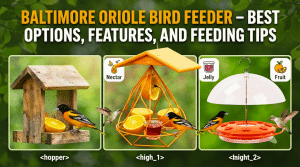
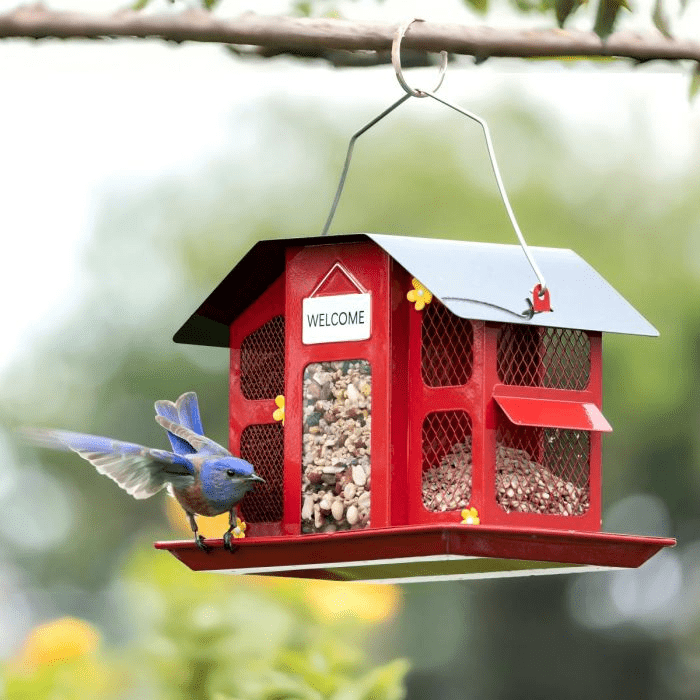
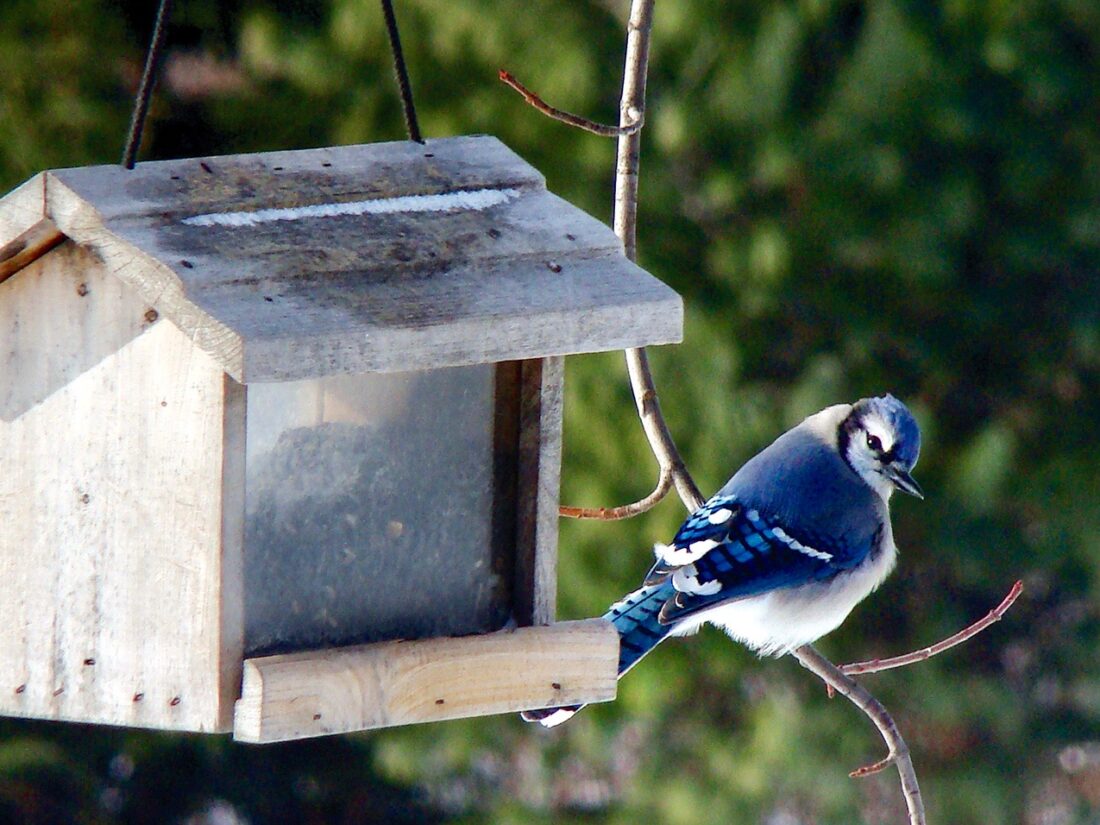
Hopper feeders look like small houses. They hold a large amount of seed in a central container. Birds come to the base to eat. Hopper feeders work well with mixed seeds.
They attract cardinals, jays, and grosbeaks. These feeders protect seeds from rain.
Platform Feeders
Platform feeders are flat and open. They hold many types of food like seeds, fruits, and nuts. Birds can easily land and feed.
- Easy to clean and refill
- Attracts large and small birds
- Works well with various foods
- Needs protection from rain
Common visitors include doves, jays, and woodpeckers.
Suet Feeders
Suet feeders hold blocks of suet made from animal fat mixed with seeds or nuts. They are usually cage-like to hold the suet securely. These feeders attract insect-eating birds.
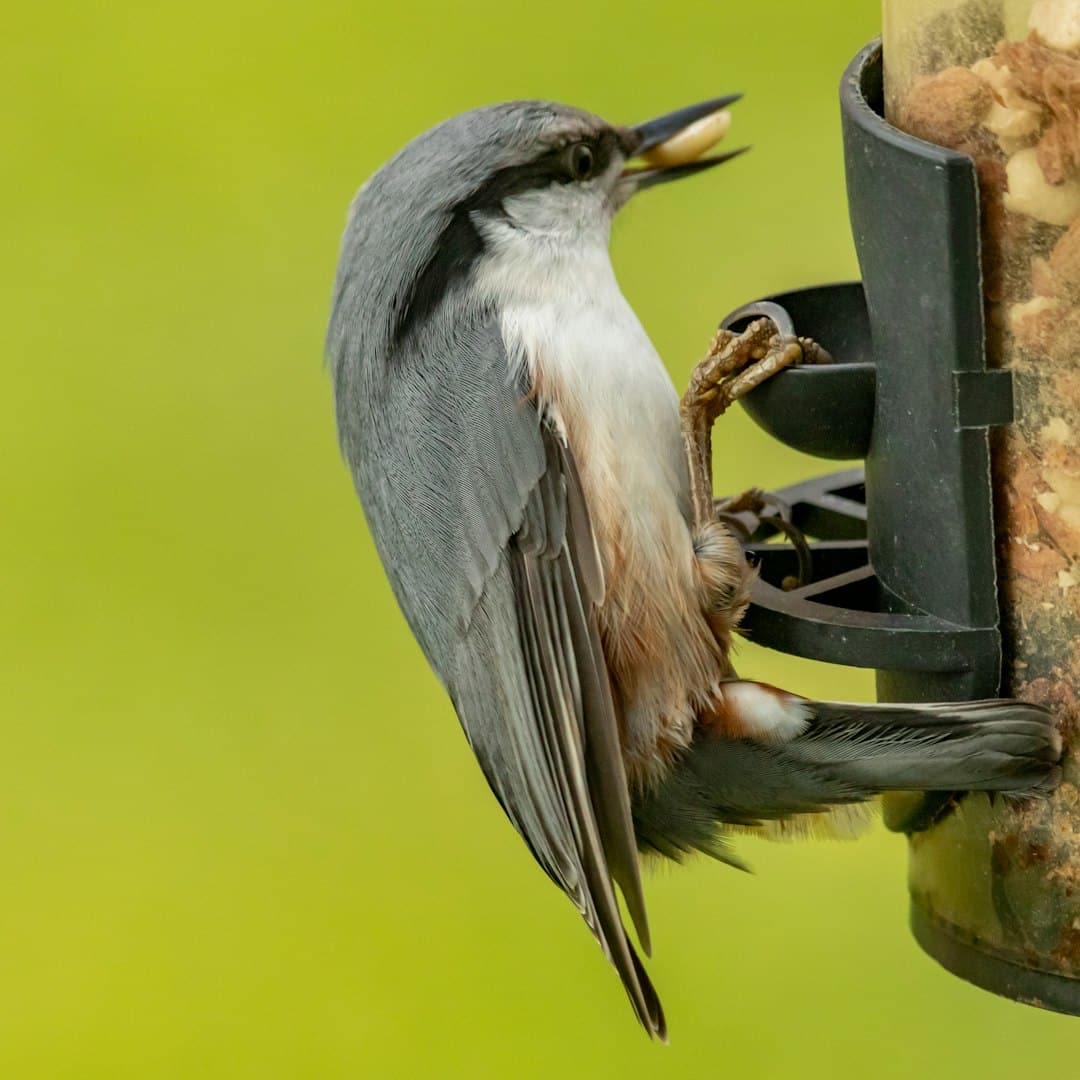
Woodpeckers, nuthatches, and chickadees like suet feeders. They provide energy, especially in cold weather.
Window Feeders
Window feeders attach directly to glass with suction cups. They let you watch birds up close. These feeders hold small seeds or nectar.
| Feature | Benefit |
| Clear view | Watch birds inside your home |
| Small size | Fits on windows easily |
| Easy refill | Quick to add food |
| Limited capacity | Needs frequent refilling |
Specialized Feeders For Specific Birds
Different birds prefer different types of food. Using the right feeder helps attract the birds you want. Specialized feeders meet specific birds’ needs.
These feeders offer the right food in the right way. They also reduce waste and keep the food fresh longer. Below are common specialized feeders.
Nectar Feeders For Hummingbirds
Nectar feeders hold a sugar water mix that hummingbirds love. They have bright colors to catch the birds’ attention. These feeders often have small feeding ports that match the hummingbirds’ long bills.
Thistle Feeders For Finches
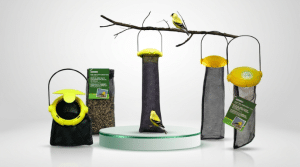
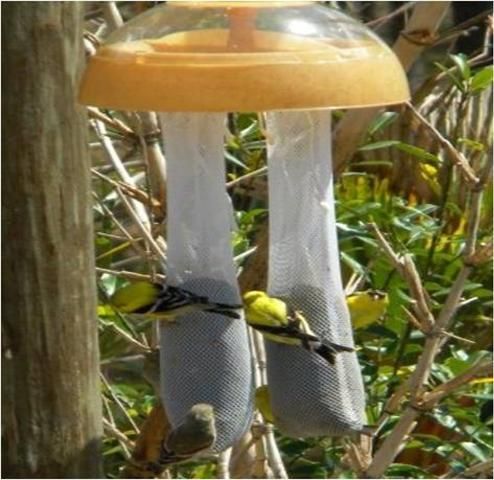
Thistle feeders are designed for small finches that eat tiny seeds. They have fine mesh or small holes to hold thistle seed. These feeders prevent larger birds from taking the seed.
- Fine mesh design
- Protects seeds from larger birds
- Easy for finches to cling
- Keeps seed dry and fresh
Peanut Feeders For Woodpeckers
Peanut feeders attract woodpeckers and other strong-beaked birds. They are made with sturdy wire cages that hold peanuts. Birds peck the peanuts through the cage bars.
| Feature | Benefit |
| Wire cage | Holds peanuts securely |
| Strong design | Withstands woodpecker pecking |
| Open feeding spots | Easy access for birds |
| Hanging hook | Fits many garden spots |
Fruit Feeders For Orioles
Fruit feeders offer sliced fruits like oranges and grapes. Orioles enjoy juicy fruits and need a feeder that holds pieces safely. These feeders often have trays or nets for easy fruit placement.
Fruit feeder tips:
- Use fresh, ripe fruits
- Change fruit daily to avoid mold
- Place feeder in shaded areas
- Clean feeder regularly
Materials And Designs
Bird feeders come in many materials and designs. Choosing the right one helps attract birds to your yard.
Materials affect durability and how easy feeders are to clean. Designs influence which birds visit and how they feed.
Plastic Vs Metal Feeders
Plastic feeders are light and often cheaper. They come in many shapes and colors but can crack in cold weather.
Metal feeders last longer and resist damage better. They usually hold up well in rain and sun but can be heavier.
- Plastic feeders are easy to clean but may fade over time.
- Metal feeders resist chewing and weather damage.
- Plastic can be transparent, letting you see seed levels.
- Metal feeders may get hot under direct sun.
Weather-resistant Features
Bird feeders face rain, snow, and sun. Good feeders have features to protect seeds and last longer.
Look for feeders with waterproof covers and drain holes. These keep seeds dry and stop mold growth.
- Waterproof roofs shield seeds from rain and snow.
- Drain holes let water escape and prevent soaking.
- UV-resistant materials stop fading and cracking.
- Sealed joints keep out moisture and pests.
Squirrel-proof Designs
Squirrels can eat all the birdseed and scare birds away. Squirrel-proof feeders block their access.
These feeders use cages, weight sensors, or special ports. They let birds feed but stop squirrels.
- Wire cages around feeders keep squirrels out.
- Weight-activated feeders close ports under heavy animals.
- Seed ports are small to fit only birds’ beaks.
- Some feeders spin or move to discourage squirrels.
Credit: www.kingsyard.com
Placement Tips To Attract Birds
Placing bird feeders correctly helps attract more birds to your yard. Birds like safe spots with good food and shelter nearby.
Knowing where and how to place feeders makes your birdwatching better. It also keeps birds safe from predators.
Choosing The Right Location
Pick a spot visible from your window for easy watching. Birds prefer quiet places with trees or shrubs nearby.
Place feeders near natural cover like bushes. Birds use cover to hide from predators and rest between feedings.
- Near trees or shrubs for shelter
- Visible from inside your home
- Avoid busy or noisy areas
- Near a water source if possible
Height And Safety Considerations
Place feeders at a height safe from cats and other predators. Usually, 5 to 6 feet above the ground works well.
Keep feeders away from windows to reduce bird collisions. Use feeder poles or hang feeders on sturdy branches.
- 5 to 6 feet above ground
- Away from windows or glass doors
- Use poles with baffles to block predators
- Clear nearby branches that predators could use
Seasonal Adjustments
Change feeder placement with seasons to help birds best. In winter, place feeders in sunny spots with wind protection.
In summer, keep feeders in shaded areas to stop food from spoiling. Move feeders if needed to avoid rain or snow.
- Winter: sunny, sheltered spots
- Summer: shaded, cool areas
- Keep feeders dry and clean
- Adjust location after storms or heavy wind
Maintenance And Cleaning
Keeping bird feeders clean is important for bird health. Dirt and old food can scare birds away.
Regular care helps feeders last longer and keeps birds coming back.
Cleaning Frequency
Clean feeders often to stop germs and mold. The cleaning speed depends on feeder type and weather.
- Clean tube feeders every two weeks
- Clean platform feeders once a week
- Clean suet feeders monthly or after rain
- Wash feeders more in wet or hot weather
Preventing Mold And Disease
Mold grows on wet or old seed. Disease spreads fast in dirty feeders. Use these tips to keep birds safe.
| Problem | Cause | Prevention |
| Mold | Wet seed | Keep feeders dry, clean often |
| Fungal disease | Old food, dirty surfaces | Remove old seed, wash with soap |
| Bacterial infection | Bird droppings | Clean feeders and ground regularly |
Refilling Best Practices
Refill feeders with fresh food to attract birds. Follow these steps for best results.
- Empty old seed before adding new
- Check feeders for damage before refilling
- Fill feeders in small amounts to avoid waste
- Place feeders in shaded areas to keep seed fresh
- Wash hands before and after refilling
Credit: www.mariettatimes.com
Feeding Tips To Maximize Bird Visits
Feeding birds is a great way to enjoy nature up close. Using the right feeders and food helps attract more birds.
Good feeding habits keep birds healthy and encourage them to visit often. Small changes make big differences.
Selecting Suitable Seeds
Birds prefer different seeds depending on their species. Choose seeds that match the birds you want to attract.
Black oil sunflower seeds are popular because many birds like them. Avoid cheap mixes with fillers birds do not eat.
- Black oil sunflower seeds attract finches, chickadees, and cardinals
- Nyjer seeds are loved by finches and siskins
- Millet is good for ground-feeding birds like sparrows and doves
- Safflower seeds appeal to cardinals and grosbeaks
Offering Water Sources
Birds need fresh water for drinking and bathing. Clean water sources bring more birds to your feeder area.
Use birdbaths or shallow dishes. Change the water every day to keep it safe and fresh for birds.
- Place water near feeders but not too close to avoid spills
- Keep water shallow, about 1 to 2 inches deep
- Use a dripper or fountain to attract birds with moving water
- Clean water containers regularly to prevent algae and bacteria
Avoiding Common Feeding Mistakes
Some mistakes can scare away birds or make feeding unsafe. Watch out for these common problems.
Keep feeders clean and dry to prevent mold. Place feeders in safe locations away from predators.
- Do not overfill feeders; fresh food attracts more birds
- Clean feeders every two weeks to stop disease spread
- Avoid feeders near windows to reduce bird collisions
- Keep cats and other pets away from feeding spots
Credit: edis.ifas.ufl.edu
Frequently Asked Questions
What Types Of Feeders Attract The Most Birds?
Tube feeders attract small songbirds, platform feeders suit larger birds, and suet feeders lure woodpeckers. Each feeder type targets specific bird species based on their feeding habits.
Which Feeder Is Best For Attracting Hummingbirds?
Nectar feeders designed with red colors attract hummingbirds. Fill them with a sugar-water solution for best results. Regular cleaning prevents mold and keeps hummingbirds healthy.
How Do Platform Feeders Benefit Different Bird Species?
Platform feeders offer an open space for various birds to feed. They attract ground feeders and larger birds like jays and doves. These feeders accommodate seeds, fruits, and mealworms.
Why Are Suet Feeders Important In Winter?
Suet feeders provide high-energy food to woodpeckers and nuthatches during cold months. Suet helps birds maintain warmth and survive harsh winter conditions. They are easy to hang and refill.
Conclusion
Choosing the right feeder attracts more birds to your garden. Tube feeders are great for small birds like finches. Platform feeders suit larger birds such as doves. Suet feeders attract woodpeckers and nuthatches. Hummingbird feeders bring in those colorful tiny birds.
Each feeder type meets different bird needs. Watch as your garden fills with chirping life. Enjoy the beauty and energy they bring. Observe their habits and learn from them. Happy birdwatching!